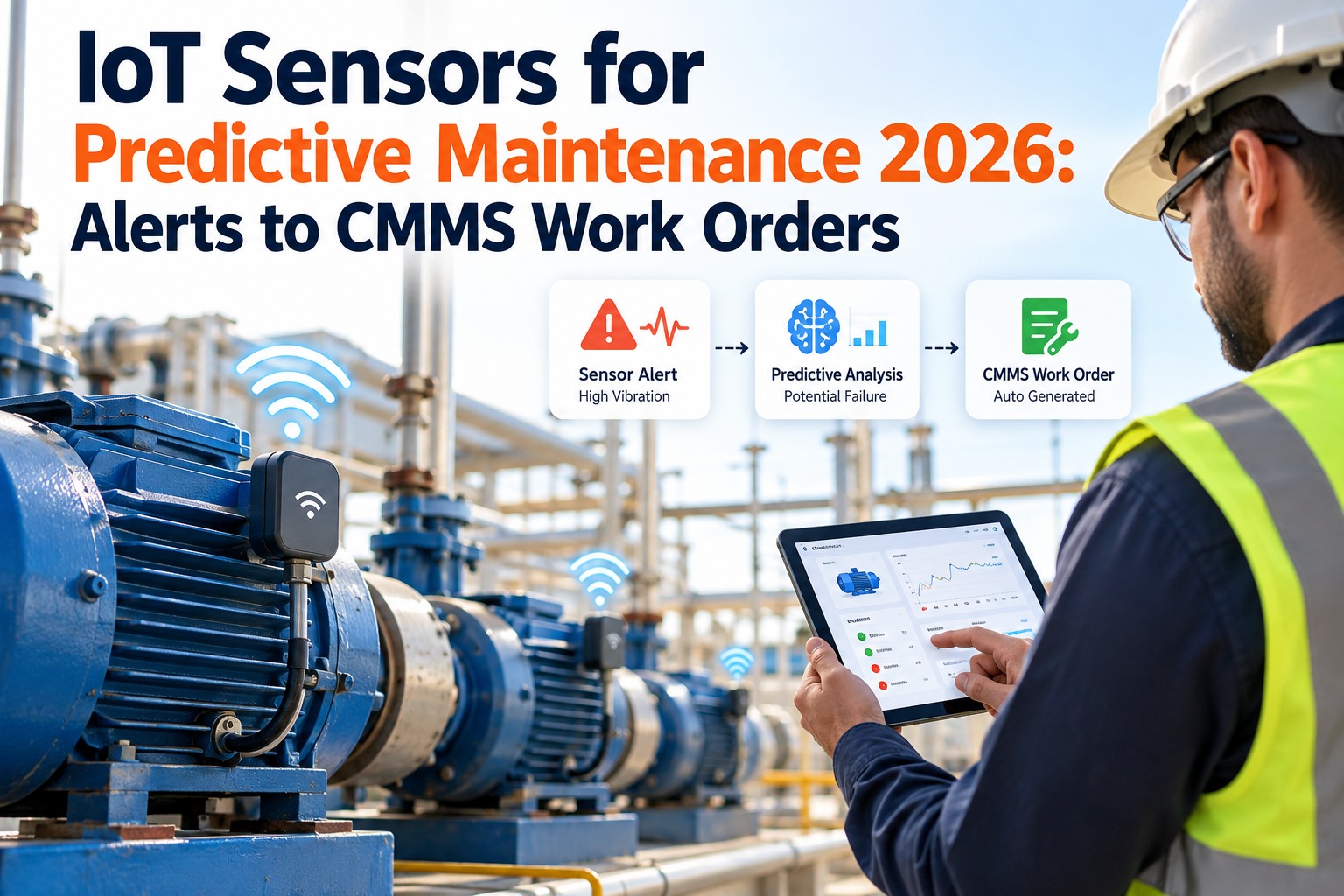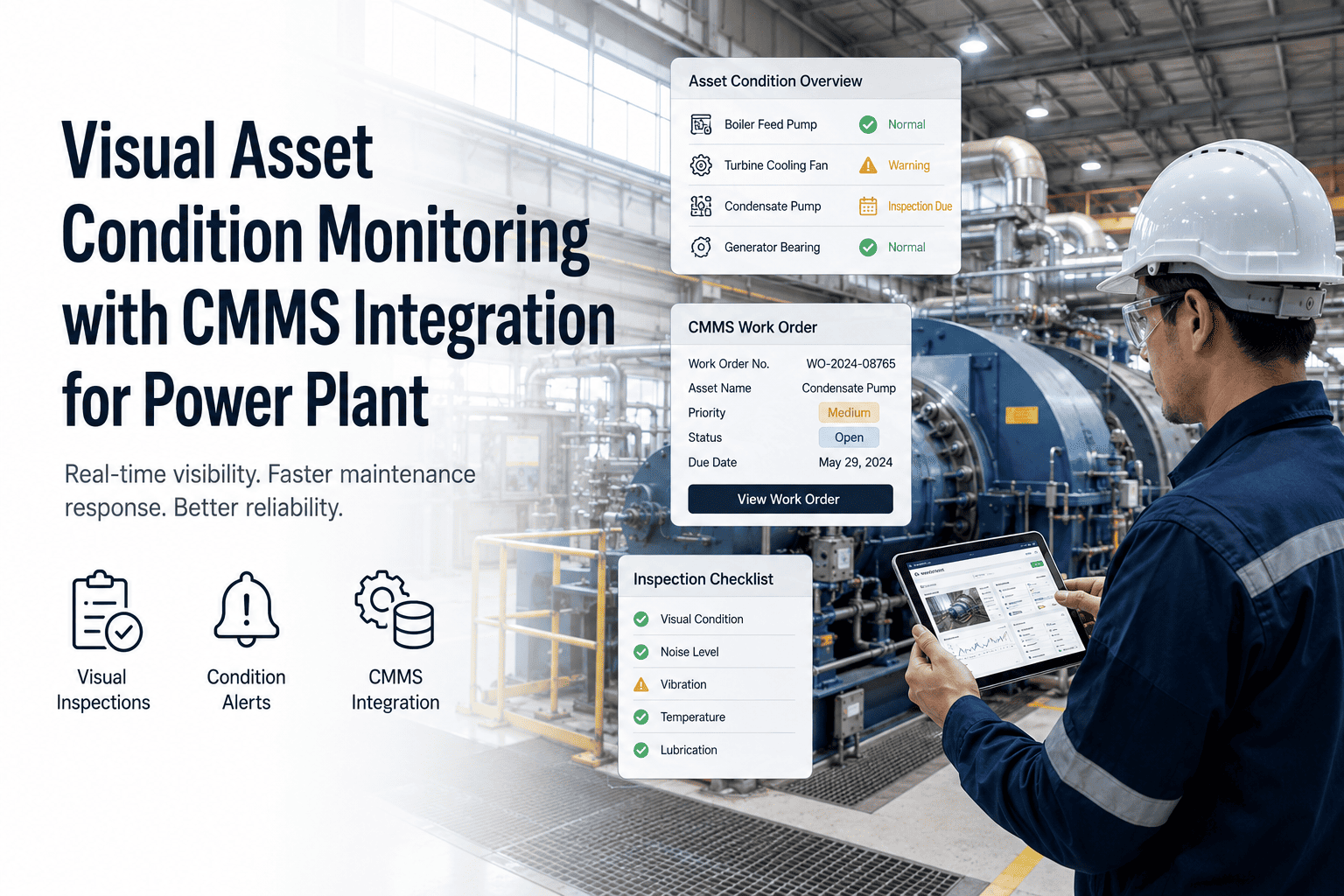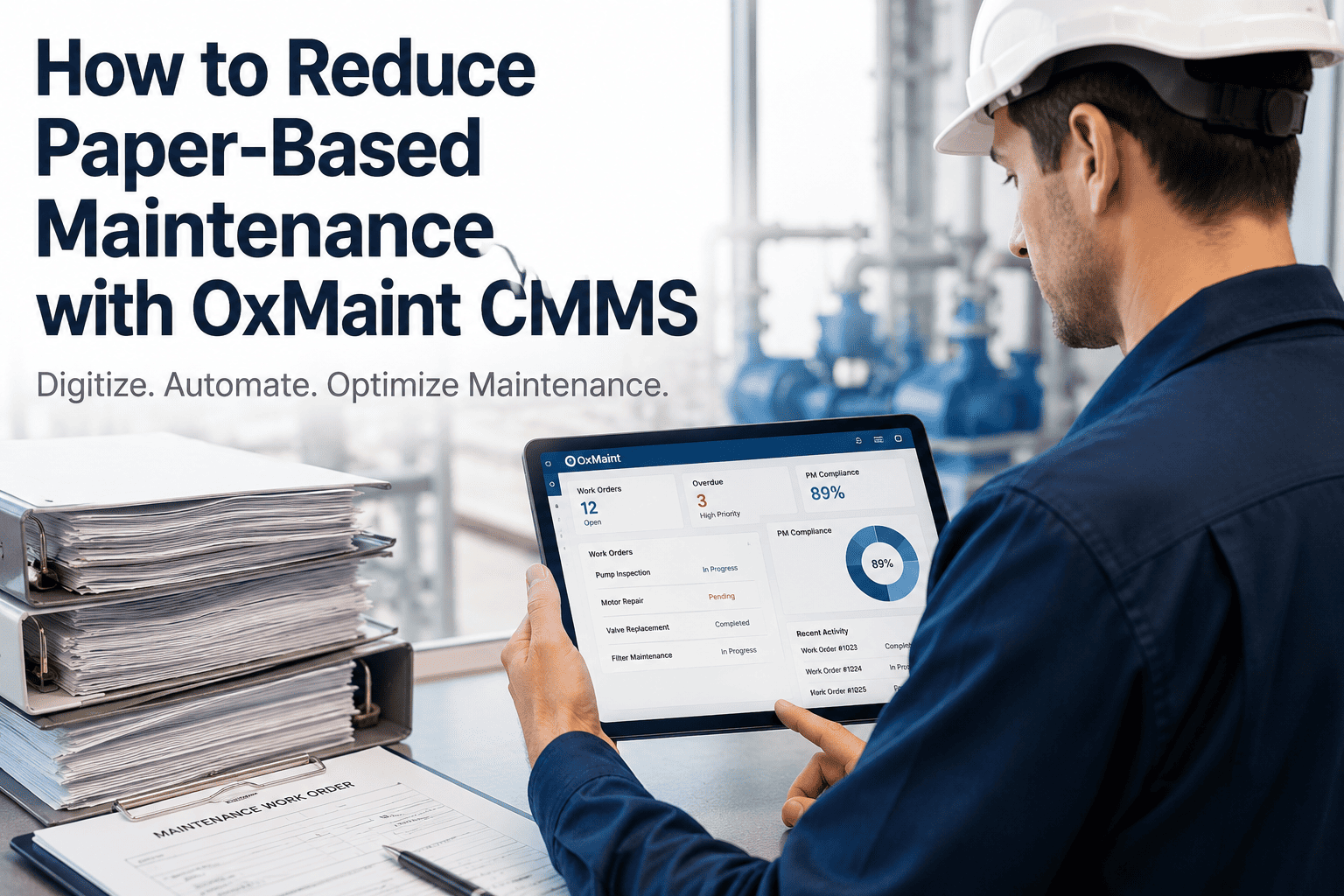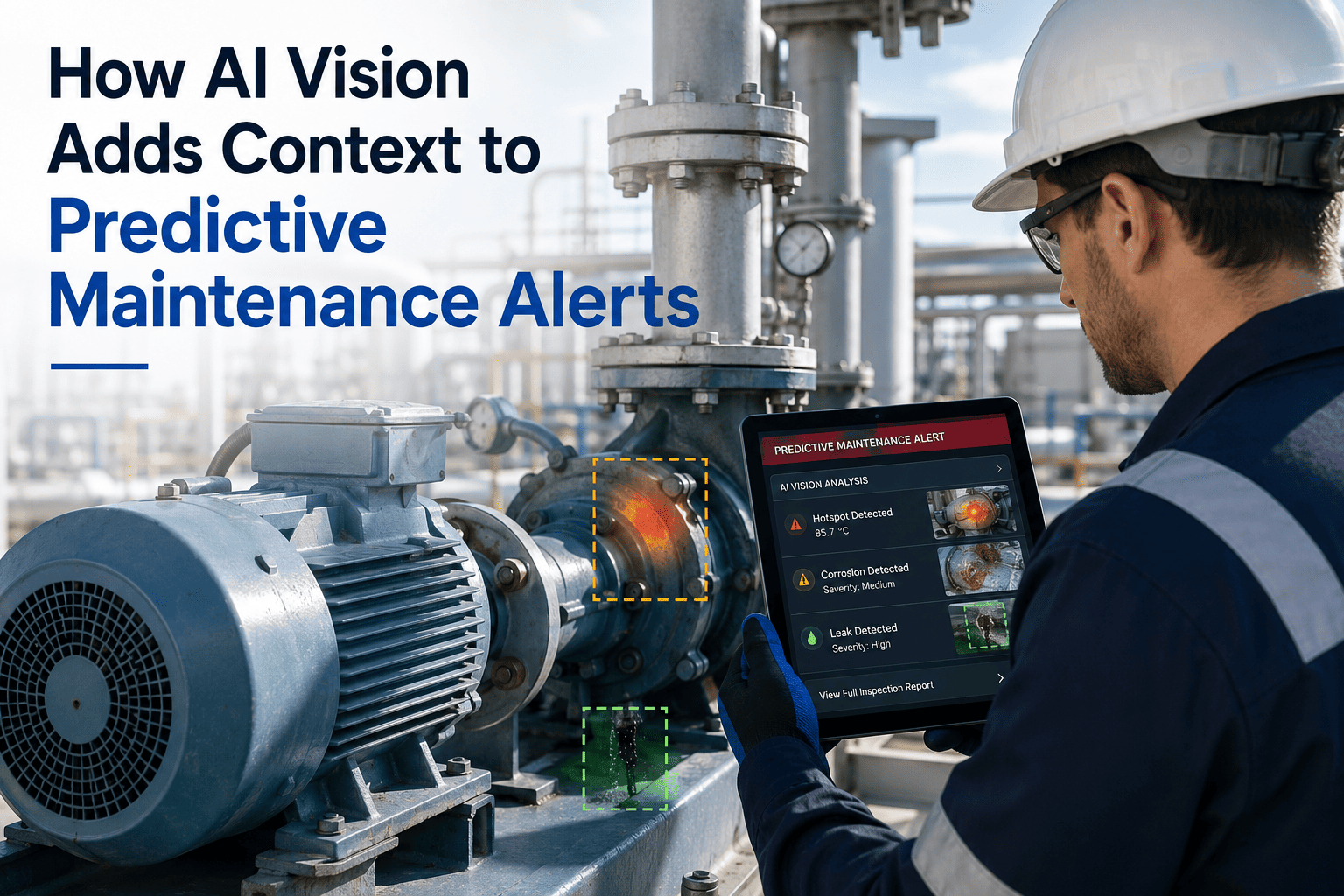
Predictive maintenance promised to eliminate unexpected failures. But for most maintenance teams, it delivered something else first: an inbox flooded with alerts, a dashboard blinking with warnings, and technicians who stopped trusting the system entirely. Alert fatigue is now one of the top reasons predictive maintenance programs fail to deliver ROI — not because the sensors are wrong, but because nobody tuned the signals. If your team spends more time dismissing alerts than acting on them, start a free trial or book a demo to see how Oxmaint structures alerts that actually get acted on.
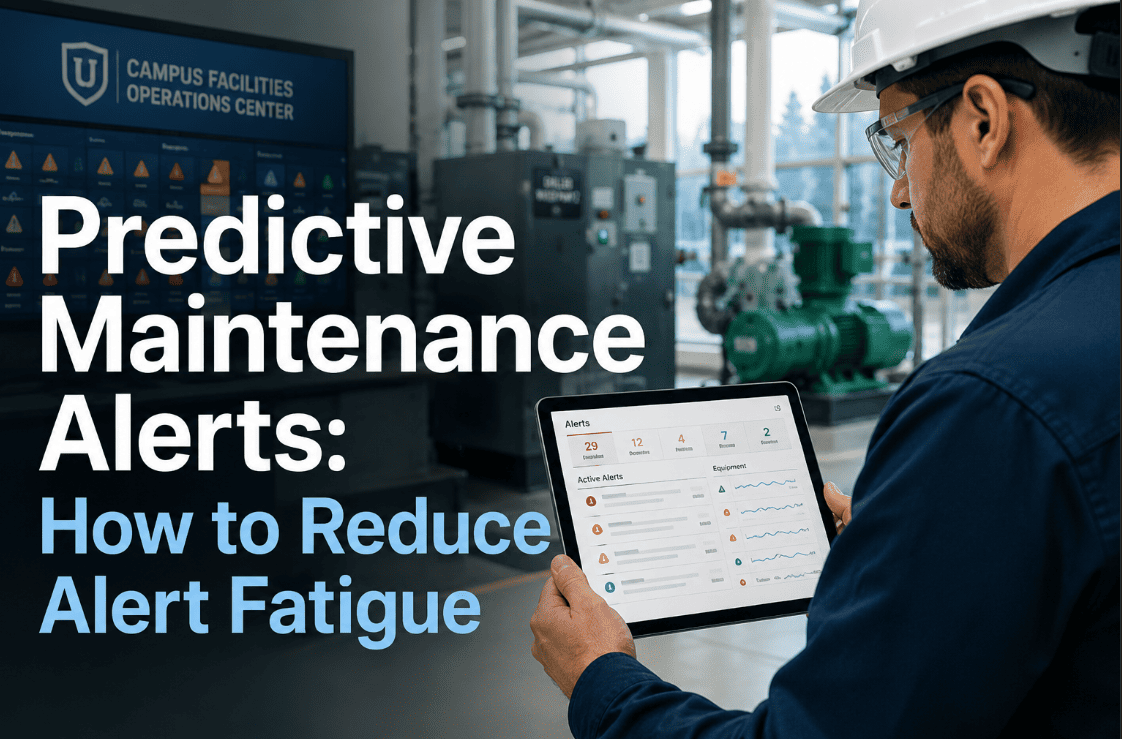
Predictive Maintenance Alerts: How to Reduce Alert Fatigue
When every sensor triggers an alert, nothing gets prioritized. Learn how to tune predictive alerts by asset criticality, failure risk, maintenance history, and action rules so your team responds to the signals that matter.
Your Sensors Are Telling the Truth. Your Alert Rules Are Not.
The problem is never the sensor data. It is the flat threshold applied equally to a critical chiller and a non-critical exhaust fan. It is the alert that fires at 85°C whether the asset is idle or under full load. It is the notification with no action rule attached. Predictive maintenance works when alerts are contextual, prioritized, and tied to a clear response. Oxmaint structures every alert around asset criticality, baseline operating conditions, and maintenance history — so technicians see signals that mean something. Ready to build an alert system your team will actually use? Start a free trial or book a demo to see the alert configuration workflow.
What Alert Fatigue Actually Costs Maintenance Operations
Alert fatigue is not a technology failure — it is a configuration failure. When maintenance teams receive hundreds of low-quality alerts daily, they develop two dangerous habits: ignoring alerts entirely, or handling every alert with equal urgency regardless of actual risk. Both behaviors are expensive.
When technicians dismiss 90% of alerts as noise, the 10% that represent real failures get dismissed too. Critical equipment fails without warning — not because the sensor missed it, but because the alert was buried under 200 others.
A technician dispatched on a false-positive alert wastes 45–90 minutes on average per event. With teams averaging 12–18 false alerts per day, that is up to 27 hours per week of lost wrench time across a 3-person crew.
Once a maintenance team loses confidence in the alert system, rebuilding trust takes months. Teams revert to reactive maintenance — the very behavior predictive maintenance was implemented to eliminate — and PdM ROI disappears.
When an asset fails after its alert was dismissed, operations management has no record of whether the alert was evaluated, escalated, or simply buried. Liability exposure increases and root cause analysis becomes guesswork.
The Four Dimensions of a High-Signal Predictive Alert
Every predictive alert that reaches a technician should be evaluated against four dimensions. If an alert fails any one of these, it either should not fire at all, or should fire at a lower priority tier that does not demand immediate action.
Is this asset on the critical path? A chiller serving a hospital operating suite and a chiller serving a storage warehouse both generate temperature alerts — but only one carries production-stopping or safety consequences. Alert thresholds and escalation rules should reflect criticality tier, not just raw sensor readings.
Is this reading statistically anomalous, or is it within normal operating variance? A single temperature spike during peak summer load is normal. The same spike repeated across three consecutive shifts, combined with increasing vibration, is a failure signal. Alerts should fire on patterns, not single data points.
Was this asset recently serviced? An elevated vibration reading on a pump that was rebuilt 30 days ago carries different weight than the same reading on a pump that has run 18 months past its last inspection. Maintenance history suppresses false alerts on recently serviced assets and amplifies alerts on overdue ones.
What is the technician supposed to do when this alert fires? An alert without a defined action rule is noise. Every alert tier should auto-attach an action: inspect within 4 hours, schedule a work order within 48 hours, log and monitor, or escalate to engineering. No alert should require the technician to decide what to do from scratch.
Building a Three-Tier Alert System That Teams Actually Use
A flat alert system where every signal triggers the same notification is the root cause of alert fatigue. A tiered architecture routes alerts by urgency, criticality, and required response time — so technicians immediately know what to do and what can wait.
How Oxmaint Structures Predictive Alerts to Eliminate Fatigue
Oxmaint connects sensor data, asset criticality scores, maintenance history, and action rules into a single alert configuration layer. Every alert that reaches a technician carries context, a priority tier, and a predefined response path. Teams stop sorting through noise and start acting on signal. See it in action — start a free trial or book a demo.
Each asset in Oxmaint carries a criticality score based on production impact, safety consequence, and redundancy availability. Alert thresholds and escalation rules are automatically tighter for Tier 1 critical assets and looser for non-critical assets — eliminating the flat-threshold problem at the root.
Oxmaint's predictive alert engine evaluates readings against rolling baselines and requires multi-point confirmation before generating a Tier 1 alert. A single high reading becomes a logged data point. A pattern of three or more anomalous readings triggers action — reducing false positives by up to 60%.
Assets serviced within a configurable window — typically 14 to 30 days — have their alert sensitivity reduced to account for post-service normalization. This prevents the common scenario where a freshly rebuilt pump triggers vibration alerts during its run-in period, generating noise that trains technicians to ignore real alerts.
When a Tier 1 alert fires in Oxmaint, a work order is automatically created with the asset's full service history, the sensor readings that triggered the alert, and the recommended diagnostic steps. Technicians arrive at the asset with context — not just a notification that says "high vibration detected."
Oxmaint routes alerts based on asset ownership, shift schedule, and skill certification. A bearing temperature alert on a CNC machine goes to the machining maintenance tech on shift, not to the facilities team managing HVAC. Routing reduces response time by eliminating the "who should handle this?" delay.
Oxmaint's alert analytics dashboard shows alert volume by asset, response rate by technician, and false-positive ratio by sensor or threshold rule. Managers can identify which alert rules are generating noise and tune thresholds without waiting for a quarterly review — alert quality improves continuously.
Untimed Alert Flood vs. Structured Alert Architecture
What Properly Tuned Predictive Alerts Deliver
Pattern-based triggering and criticality-adjusted thresholds eliminate the majority of noise alerts within the first 30 days of configuration
When every alert carries context, a priority tier, and a predefined action, technicians respond to nearly every alert instead of ignoring the queue
High-signal alerts that are actually acted on catch failures early — delivering the downtime reduction that predictive maintenance promises but rarely achieves without proper tuning
Eliminating false-positive dispatches recovers an average of 27 labor hours per week for a 3-person team — time reallocated to planned maintenance that extends asset life
Frequently Asked Questions
How many predictive alert thresholds should we configure per asset?+
How long does it take to tune a predictive alert system to reduce fatigue?+
Should predictive alerts automatically create work orders?+
What metrics should we track to know if alert fatigue is improving?+
Stop Managing Alert Noise. Start Acting on Real Failure Signals.
Oxmaint structures predictive alerts by asset criticality, failure patterns, maintenance history, and auto-generated action rules. Your team gets the right signal, at the right time, with a clear response path already attached. Alert fatigue ends when alert architecture is built correctly from the start.