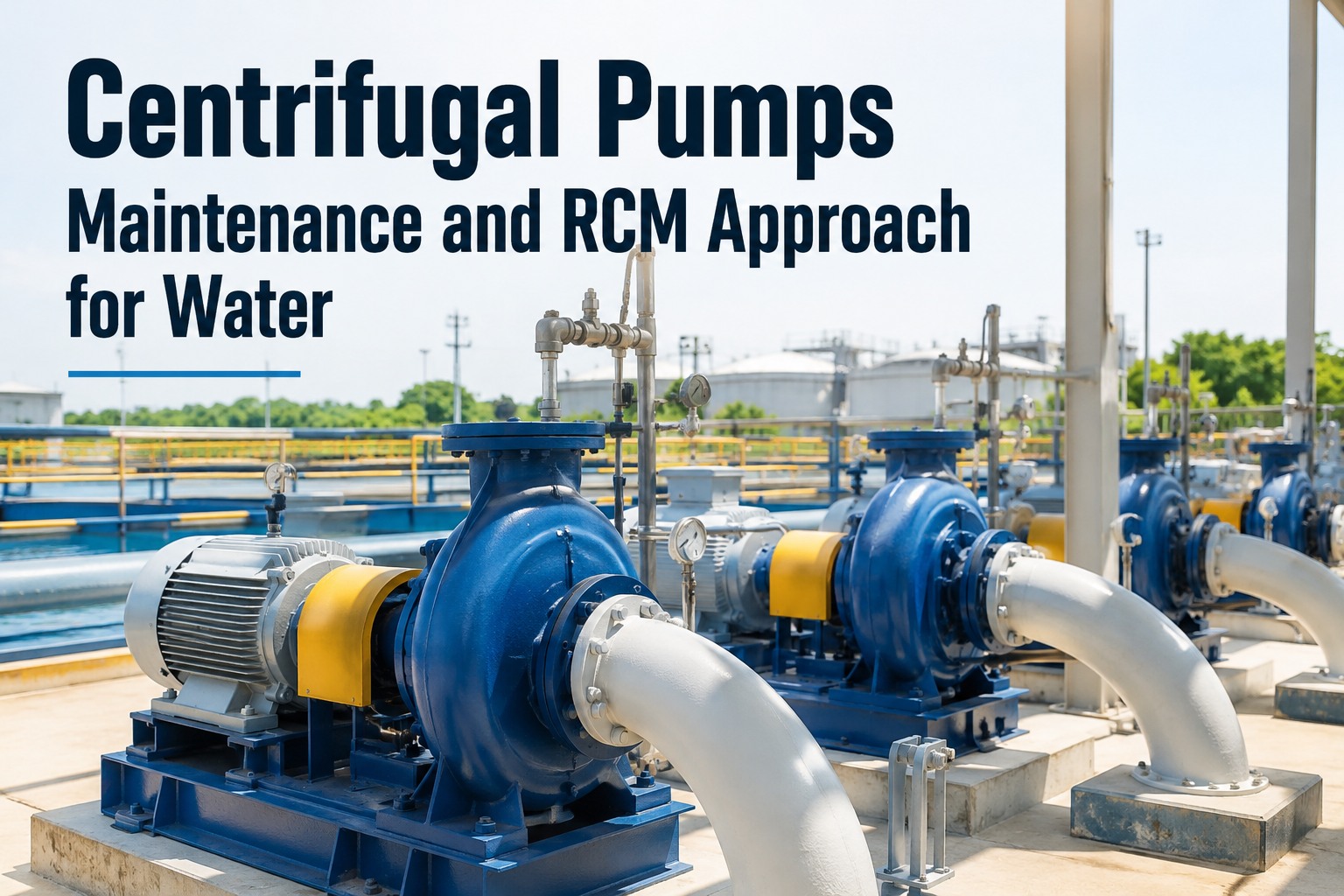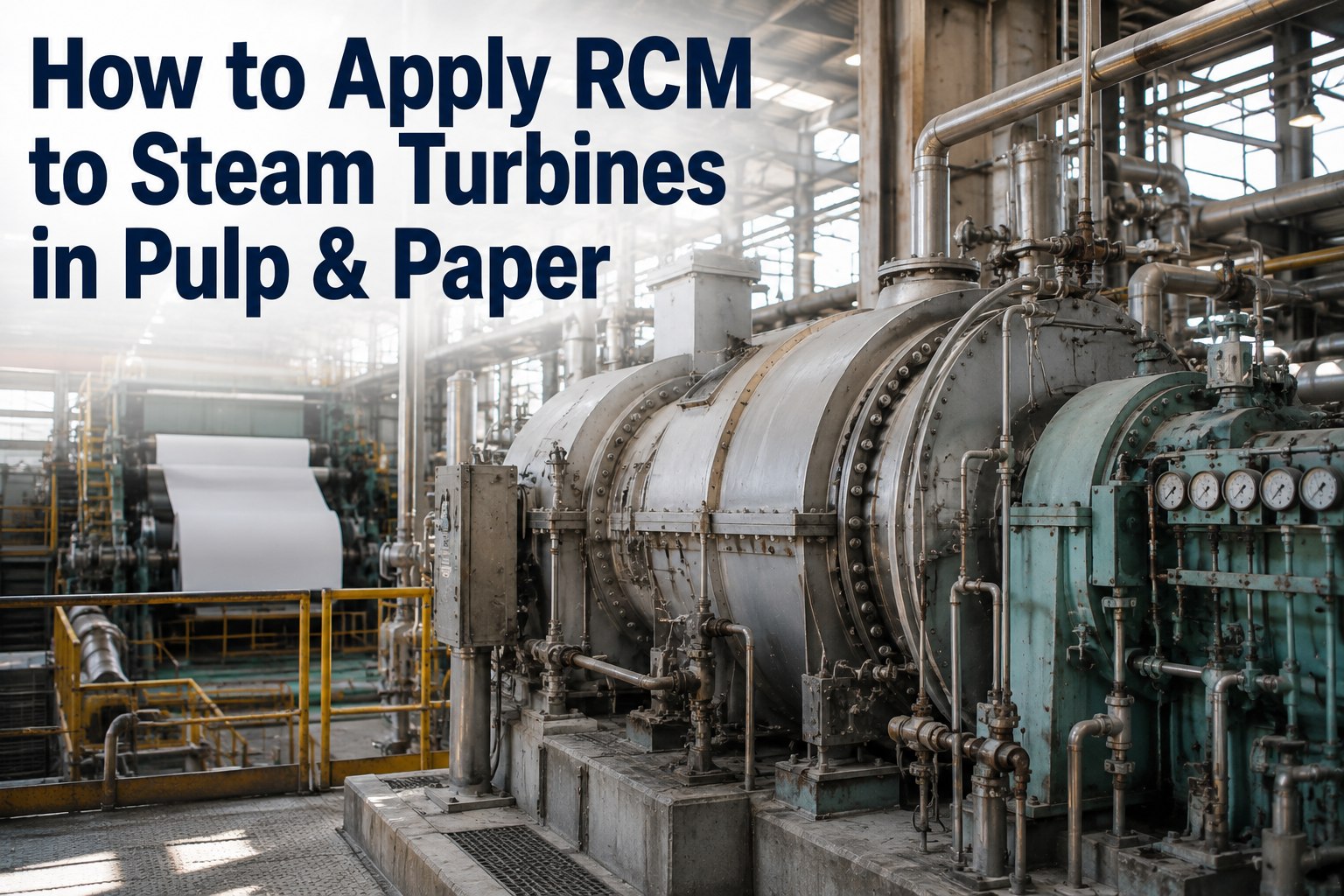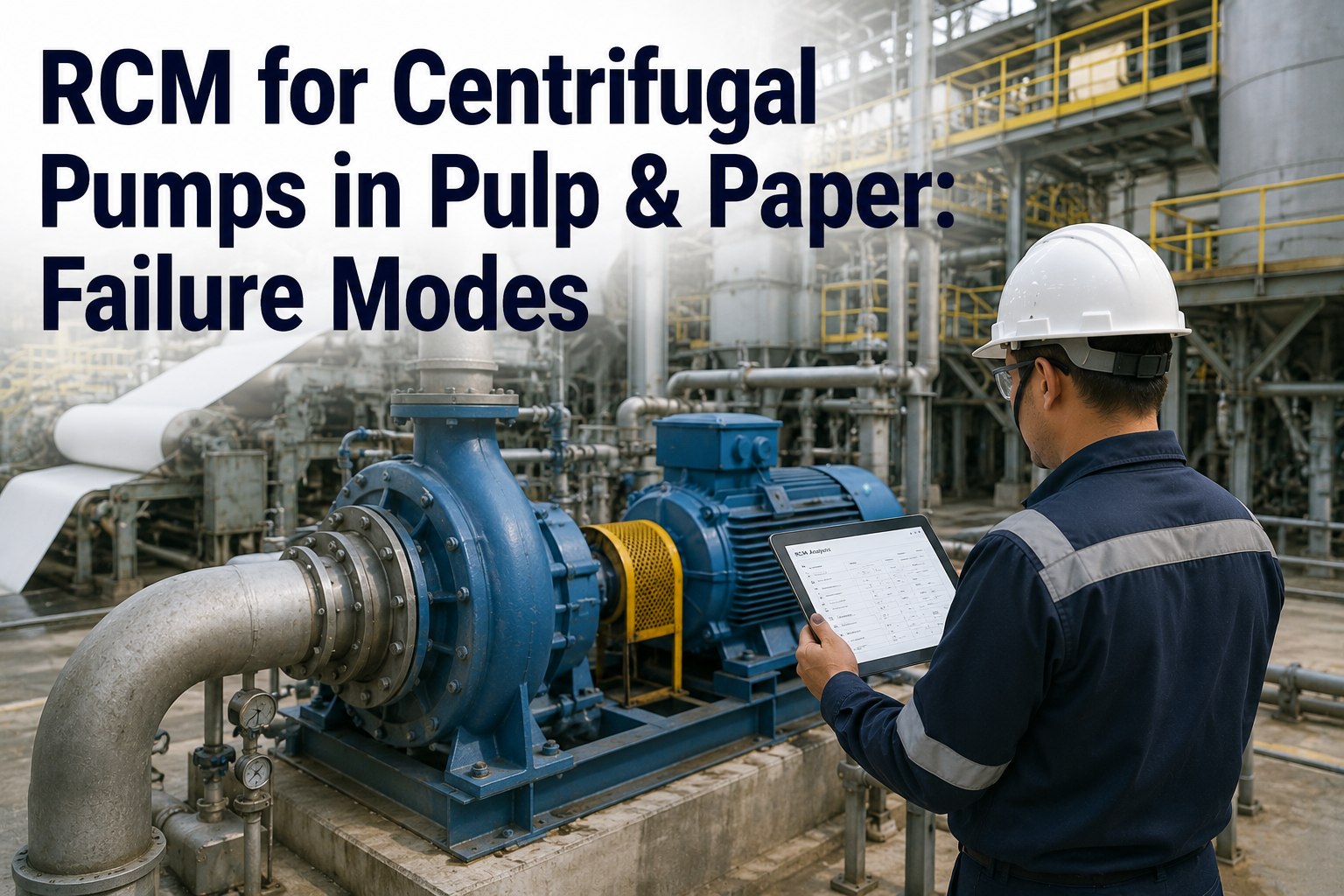
Reliability-Centered Maintenance (RCM) for centrifugal pumps in pulp and paper mills is the systematic process of identifying specific failure modes—like cavitation, seal degradation, and bearing wear—and matching them to the most effective predictive and preventive maintenance tasks. Pulp and paper operations rely heavily on centrifugal pumps to move stock, chemicals, and water, making centrifugal pumps reliability a critical driver of overall plant OEE. By implementing a structured RCM strategy for centrifugal pumps in pulp and paper, maintenance teams can reduce unplanned downtime, extend mean time between failures (MTBF), and lower lifetime maintenance costs. OxMaint's AI-powered CMMS and EAM platform operationalizes this framework by automating condition-based work orders and centralizing asset data, making it easy to transition from reactive firefighting to proactive reliability—start your Start Free Trial to see it in action.
Is Reactive Pump Maintenance Draining Your Mill's Profitability?
Centrifugal pumps handle thousands of gallons of abrasive stock and corrosive chemicals daily. Without a structured RCM strategy, a single seal failure can cascade into hours of unplanned downtime. Shift from reactive firefighting to predictive reliability.
Top Centrifugal Pumps Failure Modes in Pulp and Paper Mills
Centrifugal pumps in pulp and paper operate under severe conditions—abrasive slurries, high temperatures, and aggressive chemicals. Identifying these specific failure modes is the first step in building a defensible RCM strategy.
Erosion and Abrasive Wear
Pumping paper stock with high fiber and filler content degrades pump impellers and wear rings. Erosion increases internal clearances, reducing hydraulic efficiency and head pressure over time. RCM addresses this with scheduled performance testing and wear-ring replacements based on hours run rather than waiting for catastrophic efficiency loss.
Mechanical Seal Degradation
Seals fail due to dry running, chemical incompatibility, or shaft deflection. In pulp and paper mills, stock solidification during standby causes startup failures. A proper RCM strategy mandates seal flush verification, automated standby rotation, and vibration monitoring to detect shaft misalignment before it destroys the seal faces.
Cavitation Damage
Insufficient Net Positive Suction Head (NPSH) or blocked suction lines cause vapor bubbles to implode on the impeller, pitting the metal. Condition monitoring using vibration and ultrasonic analysis detects incipient cavitation early, allowing operators to adjust flow rates or clear blockages before pump internals are destroyed.
Bearing Failure
Improper lubrication, contamination from washdown water, and misalignment are the top causes of bearing failure. Since bearings dictate 50% of pump reliability, RCM prioritizes ultrasound-assisted lubrication, oil analysis, and precise laser alignment as default preventive maintenance tasks.
Best Centrifugal Pumps Monitoring Techniques for Pulp & Paper
Pulp and paper centrifugal pumps require condition monitoring that captures mechanical, hydraulic, and fluid parameters. Combining these technologies feeds the RCM logic that determines when to intervene.
| Monitoring Technique | Failure Mode Detected | Monitoring Frequency | ROI & Impact |
|---|---|---|---|
| Vibration Analysis | Bearing wear, misalignment, cavitation | Continuous / Monthly | Detects 80% of mechanical failures 4-8 weeks in advance |
| Ultrasonic Monitoring | Lubrication issues, steam trap leaks | Bi-weekly | Reduces bearing consumption by up to 25% |
| Oil & Wear Debris Analysis | Gearbox wear, contamination | Quarterly | Prevents catastrophic failures; $10K+ saved per avoided event |
| Performance / Flow Testing | Erosion, internal wear ring degradation | Semi-annually | Maintains hydraulic efficiency, saving 5-10% in energy costs |
| Infrared Thermography | Overheating bearings, motor faults | Quarterly | Identifies hot spots before insulation or lubrication breakdown |
Centrifugal Pumps PM Schedule: Pulp and Paper Best Practices
An effective PM schedule for centrifugal pumps in pulp and paper balances time-based interventions with condition-based triggers. Here is a proven framework used by high-performing mills.
Visual & Operational Inspections
Inspect for leaks, verify seal flush flow rates, check bearing temperatures manually, and listen for abnormal cavitation noise. Log pressure gauge readings to establish baseline performance. Automated mobile checklists ensure technicians capture consistent data on every walkdown.
Vibration & Ultrasound Routes
Route-based vibration analysis on all critical stock and chemical pumps. Trend amplitude and frequency data to catch bearing defects and alignment drift early. Ultrasound tools pinpoint lubrication needs, preventing over-greasing which damages shields and seals.
Lubrication & Oil Analysis
Change oil based on lab analysis rather than arbitrary dates. Sample oil for water content (especially in washdown-heavy areas), viscosity, and metal particles. Re-grease bearings with ultrasound-guided precision. Verify coupling alignment using laser tools after any piping modifications.
Performance Testing & Overhaul Evaluation
Conduct full hydraulic performance tests to map the pump curve against the original design. If efficiency drops below 80%, schedule an overhaul to replace wear rings and impellers. Review MTBF data to decide whether to rebuild, replace, or upgrade the pump specification.
Turn RCM Theory Into Daily Maintenance Reality
Managing RCM for hundreds of centrifugal pumps on spreadsheets is a losing battle. See how OxMaint automates your PM schedules, condition-monitoring triggers, and failure analysis in one platform.
RCM Payback: A 180-Pump Pulp Mill Worked Example
Consider a mid-sized pulp mill with 180 centrifugal pumps spending $42K annually on reactive pump repairs and losing 120 production hours to unplanned pump downtime. Here is the financial impact of migrating to an RCM-driven strategy.
By deploying OxMaint to automate PM schedules, trigger work orders from vibration thresholds, and track spare parts inventory, the mill achieves a 35% reduction in unplanned downtime within the first year. The software pays for itself in under three months while freeing technicians to focus on root-cause analysis rather than emergency response.
How OxMaint Drives Centrifugal Pumps Reliability in Pulp & Paper
RCM requires more than a spreadsheet—it needs a system of action. OxMaint translates your failure modes and PM schedules into automated workflows that prevent breakdowns before they happen.
Predictive Work Order Triggers
Integrate vibration and ultrasound sensors. When condition monitoring thresholds are breached, OxMaint automatically generates a priority work order, eliminating manual data entry and cutting reaction time to pump anomalies by 50%.
Automated PM Scheduling
Engineer your entire centrifugal pumps PM schedule into OxMaint. The system tracks run-hours and calendar days, automatically assigning weekly, monthly, and quarterly inspections to the right technicians via the mobile app.
Spare Parts & Kit Management
Maintain minimum stock levels for mechanical seals, bearings, and wear rings. OxMaint automatically flags low inventory and links BOMs directly to pump assets, ensuring 100% parts availability when condition-based overhauls are triggered.
Failure Mode Tracking & FMEA
Standardize failure coding on every closed work order. OxMaint's analytics dashboard identifies recurring failure modes across your pump population, giving reliability engineers the data needed to refine RCM strategies and update FMEA documentation for audits.
RCM for Centrifugal Pumps in Pulp & Paper: FAQs
What is RCM for centrifugal pumps in pulp and paper?
RCM (Reliability-Centered Maintenance) for centrifugal pumps is a structured methodology that identifies critical pump failure modes—like cavitation, seal degradation, and bearing wear—and applies the most effective preventive or predictive maintenance tasks to mitigate them. In pulp and paper mills, RCM prioritizes condition-based monitoring over generic time-based repairs to maximize asset availability.
How does condition monitoring improve centrifugal pumps reliability in pulp and paper?
Condition monitoring uses vibration analysis, oil sampling, and ultrasound to detect early signs of mechanical degradation before a catastrophic failure occurs. By trend-analyzing this data, maintenance teams can plan interventions during scheduled downtime, reducing unplanned pump outages by up to 50%. You can Book a Demo to see how OxMaint automates these sensor triggers.
What are the most common centrifugal pumps failure modes in pulp and paper mills?
The most common failure modes include erosion from abrasive stock, mechanical seal degradation from dry running or chemical incompatibility, cavitation from insufficient NPSH, and bearing failure due to misalignment or poor lubrication. RCM addresses each mode with targeted inspection and monitoring protocols.
How often should centrifugal pumps be inspected in a pulp and paper facility?
Visual and operational inspections should be performed weekly, while vibration and ultrasound routes are typically executed monthly. Lubrication and oil analysis are done quarterly, and comprehensive hydraulic performance testing is conducted annually to verify pump efficiency and internal wear condition.
Can a CMMS help manage an RCM strategy for pulp and paper centrifugal pumps?
Yes, an AI-powered CMMS like OxMaint is essential for scaling RCM. It automates PM scheduling based on run-hours, triggers work orders from condition-monitoring data, tracks spare parts inventory for critical seals and bearings, and provides analytics on MTBF to continuously refine your failure mode strategies. Start your Start Free Trial to centralize your pump reliability data today.
Ready to Eliminate Reactive Pump Maintenance?
Join the pulp and paper mills using OxMaint to automate RCM strategies, prevent centrifugal pump failures, and recover thousands in lost production hours.
Free 14-day trial · No credit card required