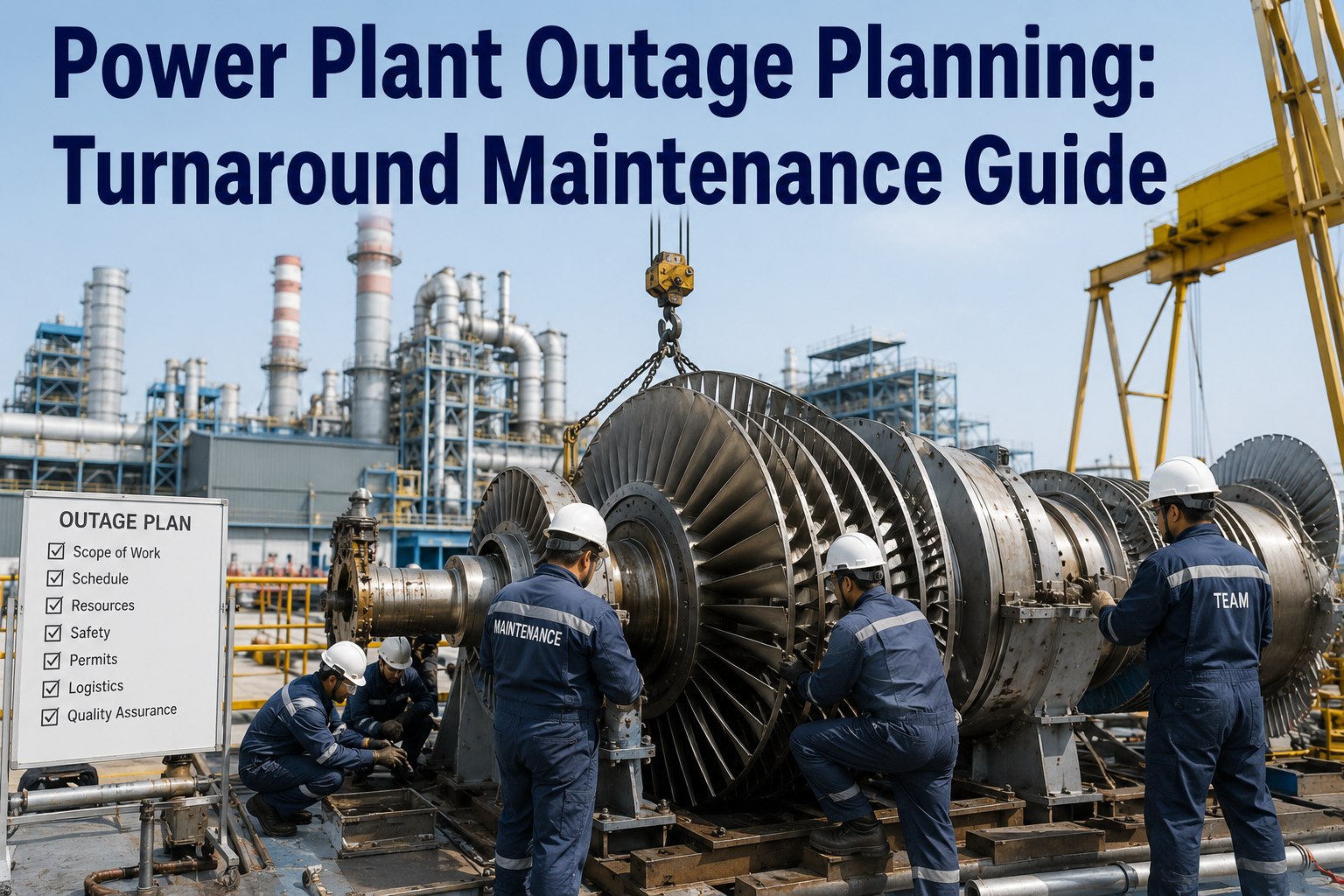
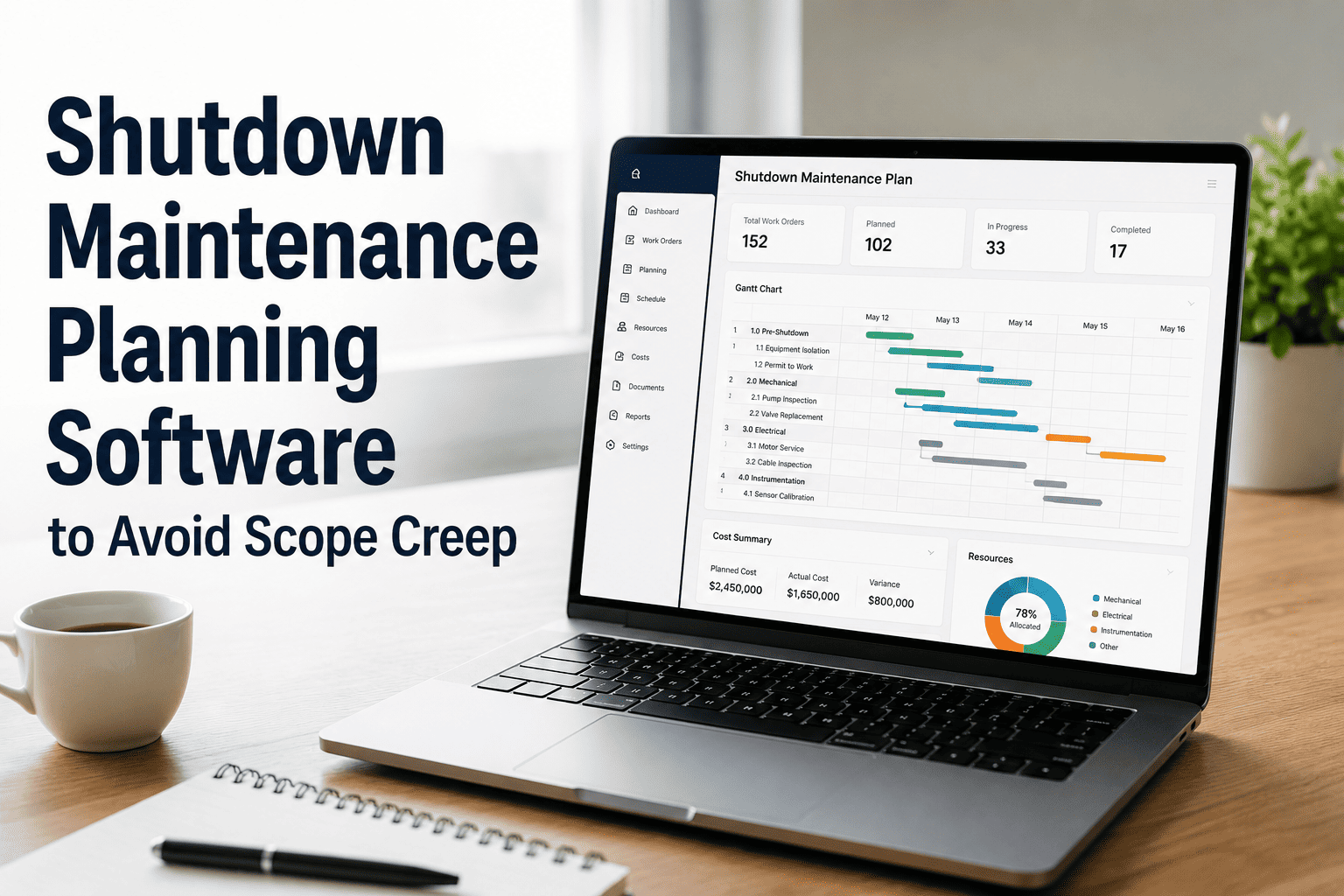
A large-scale refinery turnaround can exceed $100 million in direct and indirect costs—often equating to an entire facility's annual maintenance budget compressed into just weeks. Yet industry benchmarking reveals that high-complexity shutdowns experience average cost overruns of 20% and schedule overruns of 30%, with scope creep after freeze dates being the primary driver. The difference between success and costly failure lies entirely in planning discipline: facilities that implement rigorous work scope selection, critical path optimization, and digital execution tools consistently deliver turnarounds on time, on budget, and incident-free. Research shows that companies embracing digital turnaround management tools report 15-25% shorter turnaround durations, while collaborative cross-functional planning has improved efficiency by 15% at major global operators. Sign up for Oxmaint to transform your shutdown and turnaround planning from reactive chaos into precision-scheduled execution.
Shutdown & Turnaround Excellence
Master the Most Complex Maintenance Event
Strategic planning, critical path scheduling, and CMMS-powered execution for industrial shutdowns, turnarounds, and outages that deliver on time, on budget, with zero incidents
Understanding Shutdown, Turnaround, and Outage Events
Industrial facilities face three distinct types of production interruptions, each requiring different planning approaches and resource strategies. Understanding these distinctions ensures appropriate preparation, budgeting, and execution discipline for each event type.
Shutdown
Temporary halt of specific unit or area operations for targeted maintenance, equipment replacement, or safety interventions
Duration: Days to weeks
Scope: Single unit or process area
Planning Lead: 3-6 months
Frequency: As needed or annual
Turnaround (TAR)
Comprehensive, planned shutdown of entire facility or major units for extensive inspection, maintenance, cleaning, and upgrades
Duration: Weeks to months
Scope: Entire plant or major sections
Planning Lead: 12-24 months
Frequency: Every 3-5 years
Outage
Unplanned interruption caused by equipment failure, power loss, supply disruption, or emergency conditions
Duration: Hours to days
Scope: Variable, often cascading
Planning Lead: None (reactive)
Frequency: Unpredictable
The Six-Phase Turnaround Lifecycle
Successful shutdown and turnaround management follows a structured lifecycle that begins 12-24 months before execution and continues through post-event analysis. Each phase builds on the previous, with specific deliverables and milestones that determine overall success. Book a demo to see how CMMS supports every phase of your turnaround lifecycle.
1
Strategic
18-24 months out
Define frequency, duration targets, organization structure, contractor strategy, and alignment with business plan
2
Scope Definition
12-18 months out
Risk-based work selection, equipment condition assessment, preliminary inspections, and scope document approval
3
Planning
6-12 months out
Detailed work packages, resource estimation, material procurement, contractor qualification, safety procedures
Performance analysis, lessons learned capture, cost reconciliation, reliability data update, next event planning
Work Scope Management: The Foundation of Success
Incorrect scope definition is the number one source of turnaround overruns. Industry analysis reveals that 20-30% of typical turnaround scope can be safely deferred or eliminated through rigorous risk-based work selection. One European refinery review found 80% of planned work could be deferred—ultimately canceling the turnaround entirely. Sign up now to implement risk-based scope management in your facility.
Risk-Based Work Selection Matrix
Q1
Is the risk of not doing this work acceptably low?
YES: Remove from scope
Q2
Can the work be deferred to the next turnaround?
YES: Defer to next event
Q3
Can the work be done safely and economically during normal operations?
YES: Execute outside turnaround
Q4
Can the work scope be reduced without increasing risk?
YES: Minimize scope
Q5
After all filters, must this work remain in scope?
YES: Include in turnaround
21.4%
Scope reduction achieved through risk-based selection at one Middle Eastern petrochemical facility
$9M
Cost savings from combined scope optimization and work item reduction
Plan Your Next Shutdown with Confidence
From scope definition through execution and close-out, Oxmaint provides the digital backbone for turnaround excellence—centralized work packages, real-time progress tracking, and automated compliance documentation.
Turnarounds that deliver on time, on budget, and incident-free share common success factors. These practices differentiate world-class performers from facilities that consistently struggle with overruns, delays, and rework. Book a consultation to assess your turnaround readiness against these benchmarks.
Scope Freeze Discipline
Enforce "zero change after freeze" policy. Late scope additions increase cost and schedule overrun probability exponentially. Document and defer non-critical discoveries.
Critical Path Optimization
Identify and relentlessly protect the critical path. Allocate best resources to critical activities. Daily schedule updates with immediate escalation of delays.
Cross-Functional Teams
Establish collaborative planning across engineering, maintenance, procurement, operations, and safety. Poor communication causes misalignment, rework, and hazards.
Digital Execution Tools
Real-time tracking, mobile work order updates, automated progress reporting, and integrated cost monitoring. Digital tools deliver 15-25% duration reduction.
Detailed Work Packages
Step-by-step procedures, material lists, tool requirements, safety protocols, and quality checkpoints for every job. Eliminate ambiguity and assumptions.
Contractor Management
Strict qualification standards, clear scope boundaries, integrated scheduling, and performance monitoring. 62% of operators report skilled labor challenges.
CMMS Integration for Turnaround Excellence
A Computerized Maintenance Management System serves as the digital backbone for modern turnaround planning and execution. From generating thousands of work packages to real-time progress monitoring, CMMS transforms turnaround management from spreadsheet chaos to coordinated precision.
Planning Phase
Generate detailed work orders from equipment maintenance histories
Auto-create work packages based on manufacturer recommendations and regulatory requirements
Centralize all procedures, drawings, and specifications in searchable database
Track material requirements and trigger procurement for long-lead items
Execution Phase
Real-time progress visibility across all work fronts via mobile updates
Instant status changes, photo documentation, and issue flagging from the field
Automated alerts when tasks exceed duration or cost thresholds
Labor hour tracking and contractor expense monitoring in real time
Close-Out Phase
Complete maintenance history updated automatically for all touched assets
Cost reconciliation with actual vs. budgeted comparison reports
Lessons learned documentation linked to specific work orders
Reliability data feeding next turnaround scope planning
Planning Timeline: Countdown to Execution
Successful turnarounds follow a disciplined timeline with clear milestones and deliverables at each stage. This countdown framework ensures nothing is left to last-minute scrambling. Schedule a demo to see how Oxmaint automates milestone tracking and deadline management.
T-24 Months
Strategic Kickoff
Business case approval, turnaround manager assignment, preliminary budget allocation, contractor strategy
T-18 Months
Scope Development
Equipment condition assessments, preliminary work list creation, risk-based screening begins
T-12 Months
Scope Freeze
Final work list locked, no additions without formal change control, long-lead procurement initiated
T-6 Months
Planning Complete
All work packages finalized, resources confirmed, contractors mobilization scheduled, logistics arranged
Join facilities achieving 15-25% shorter turnaround durations through digital planning tools. Oxmaint provides work order management, resource scheduling, and real-time execution tracking in one integrated platform.
What is the difference between a shutdown, turnaround, and outage?
A shutdown is a planned, temporary halt of specific unit operations for targeted maintenance, typically lasting days to weeks. A turnaround (TAR) is a comprehensive, planned shutdown of an entire facility or major units for extensive inspection, maintenance, cleaning, and upgrades—occurring every 3-5 years and lasting weeks to months. An outage is an unplanned interruption caused by equipment failure, power loss, or emergency conditions. The key distinction is planning: shutdowns and turnarounds are scheduled events with defined scope, while outages are reactive responses to unexpected failures.
How far in advance should turnaround planning begin?
Best practice is to begin strategic planning 18-24 months before execution. This allows adequate time for business case development, scope definition through risk-based work selection, detailed planning of thousands of work packages, long-lead material procurement, contractor qualification and scheduling, and comprehensive safety planning. The smartest facilities start turnaround project planning 12-18 months ahead at minimum. Compressed timelines consistently correlate with cost overruns, schedule delays, and safety incidents due to inadequate preparation.
What causes turnaround cost and schedule overruns?
The primary drivers are: scope creep after freeze dates (late additions cause confusion, rework, and resource conflicts), inadequate equipment condition assessment leading to discovery work, poor cross-functional coordination between departments, skilled labor shortages (62% of operators report this challenge), communication breakdowns causing misalignment and repeated tasks, and insufficient contingency planning. Industry benchmarking shows high-complexity projects average 20% cost overruns and 30% schedule overruns. Risk-based scope optimization and digital execution tools significantly reduce these risks.
How can scope be optimized to reduce turnaround duration and cost?
Apply rigorous risk-based work selection to every scope item by asking: Is the risk of not doing this work acceptably low? Can it be deferred to the next turnaround? Can it be done during normal operations? Can the scope be reduced without increasing risk? Industry analysis reveals that 20-30% of typical turnaround scope can be safely deferred or eliminated. One European refinery review found 80% of planned work could be deferred. A Middle Eastern petrochemical facility achieved 21.4% scope reduction, saving approximately $9 million through systematic screening.
What role does CMMS play in turnaround management?
CMMS serves as the digital backbone for modern turnaround planning and execution. During planning, it generates work orders from equipment histories, creates work packages with procedures and materials, and tracks procurement of long-lead items. During execution, CMMS provides real-time progress visibility through mobile updates, automated alerts for threshold exceedance, labor hour tracking, and cost monitoring. Post-turnaround, it updates maintenance histories, generates cost reconciliation reports, captures lessons learned, and feeds reliability data into next event planning. Companies using digital turnaround management tools report 15-25% shorter durations.
How much does a major turnaround typically cost?
Turnaround costs vary dramatically by facility size, scope, and industry. A large-scale refinery turnaround can exceed $100 million in direct and indirect costs—often equating to the facility's entire annual maintenance budget compressed into weeks. Industry data suggests turnaround costs typically range from 2-4% of the plant's total replacement value (TRV). Beyond direct execution costs, facilities must account for lost production revenue during the shutdown period, which can reach millions of dollars per day for major refineries and chemical plants.
What are the key metrics for measuring turnaround success?
Critical performance indicators include: schedule performance (actual vs. planned duration), cost performance (actual vs. budgeted spend), safety performance (recordable incidents, near misses, first aid cases), scope completion (planned work completed vs. deferred), discovery work percentage (unplanned work found during execution), critical path adherence (delays to critical activities), contractor performance (productivity, quality, safety), and startup success (time to full production, first-pass yields). Post-turnaround metrics include equipment reliability improvement, mean time between failures, and next-run length achievement.