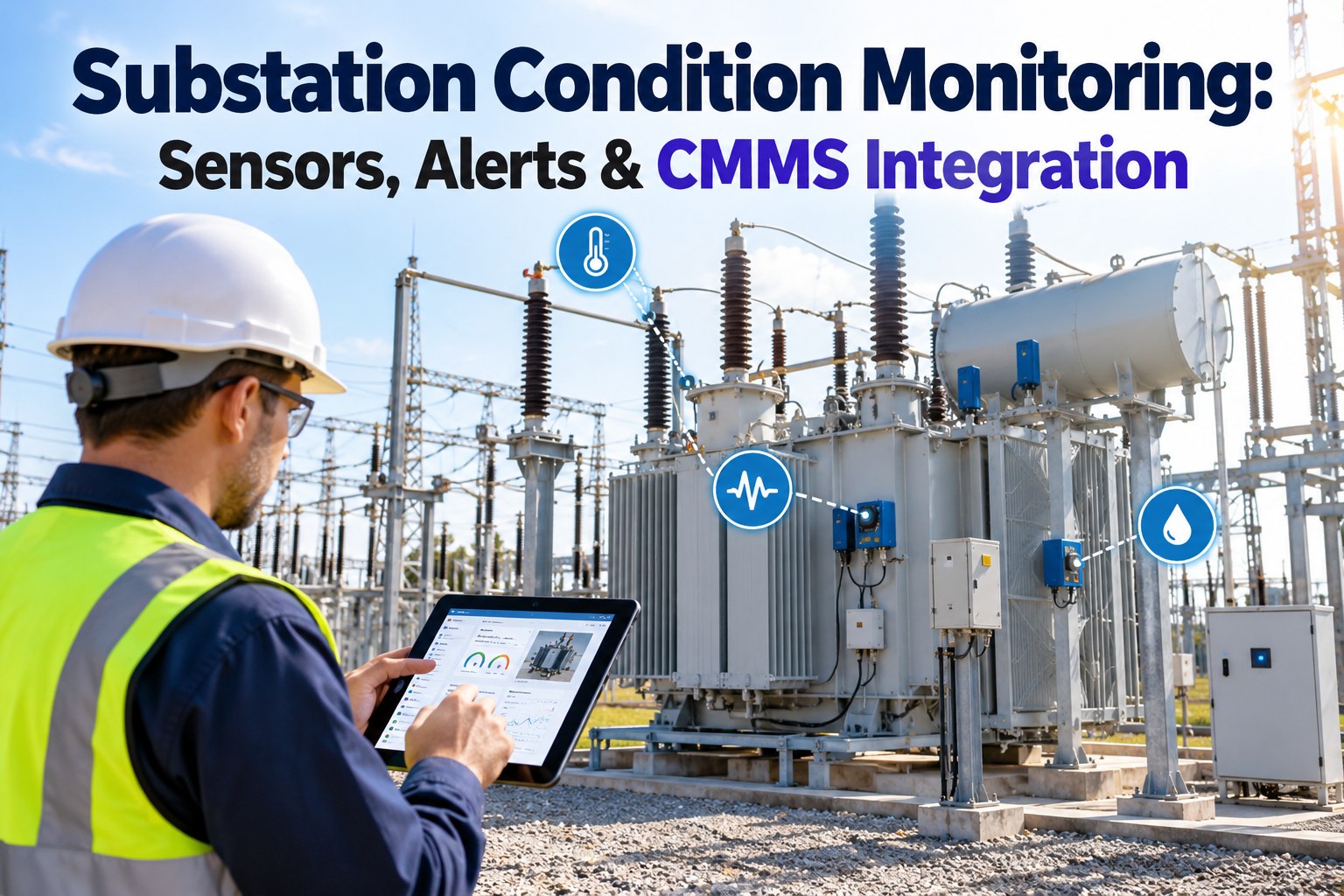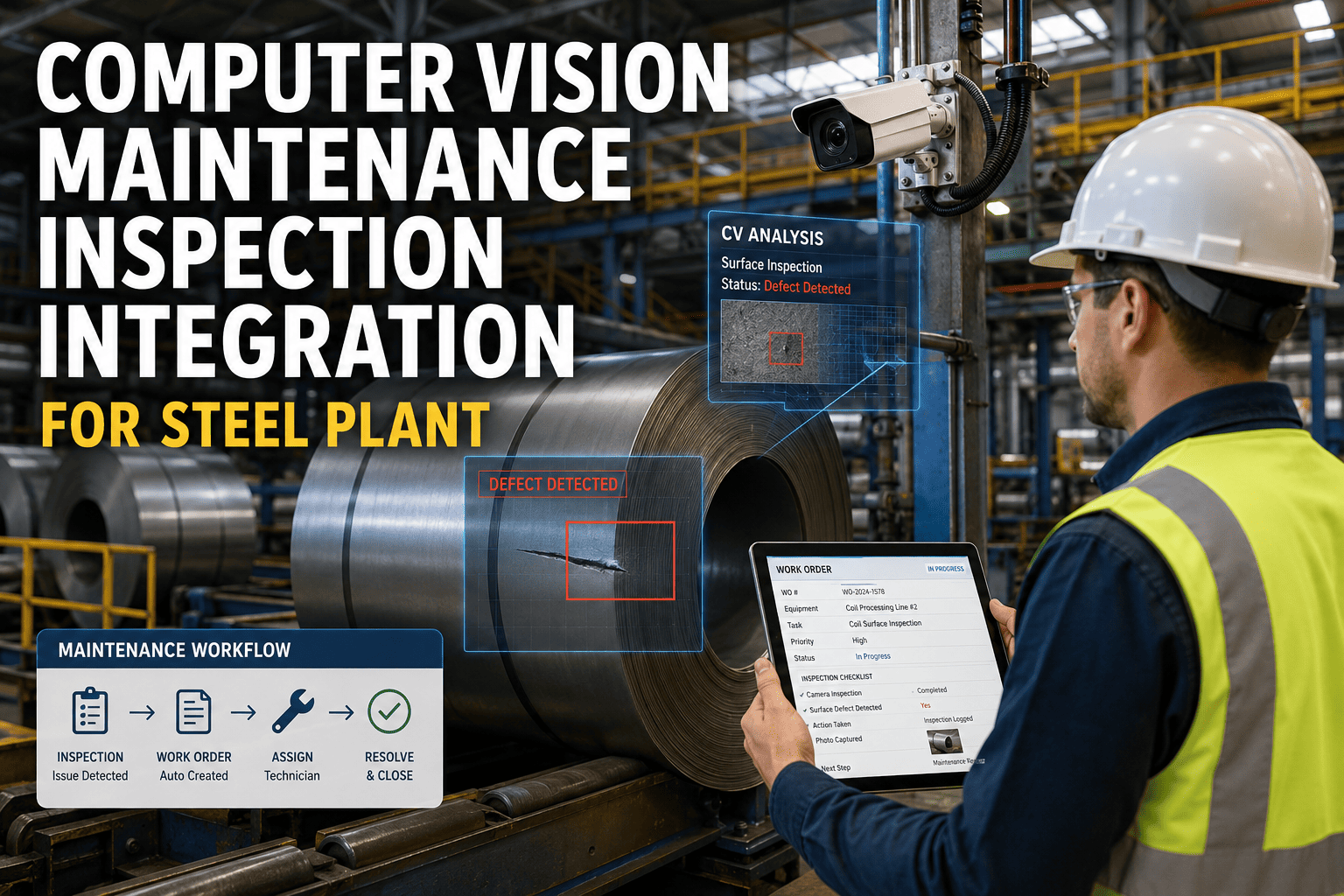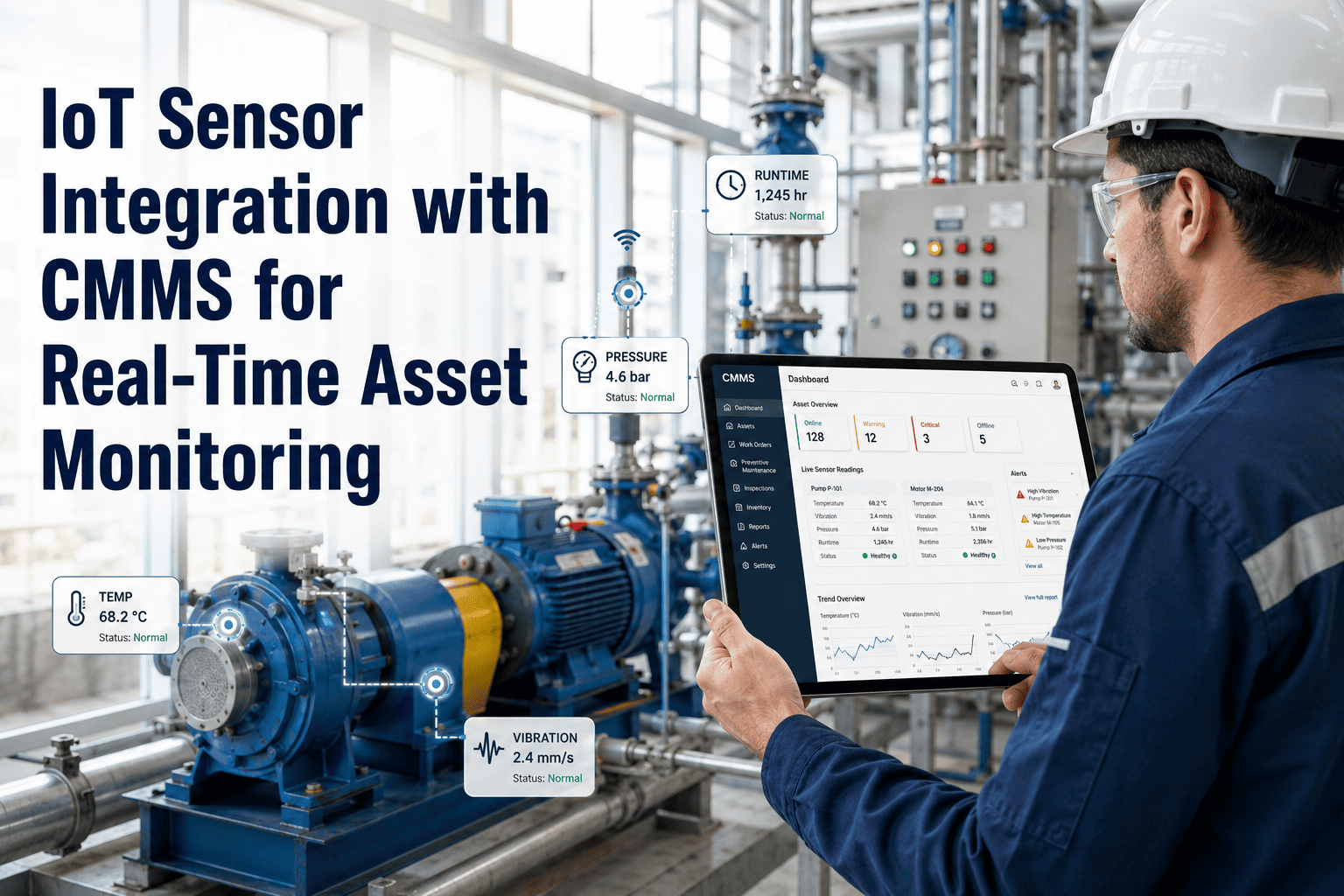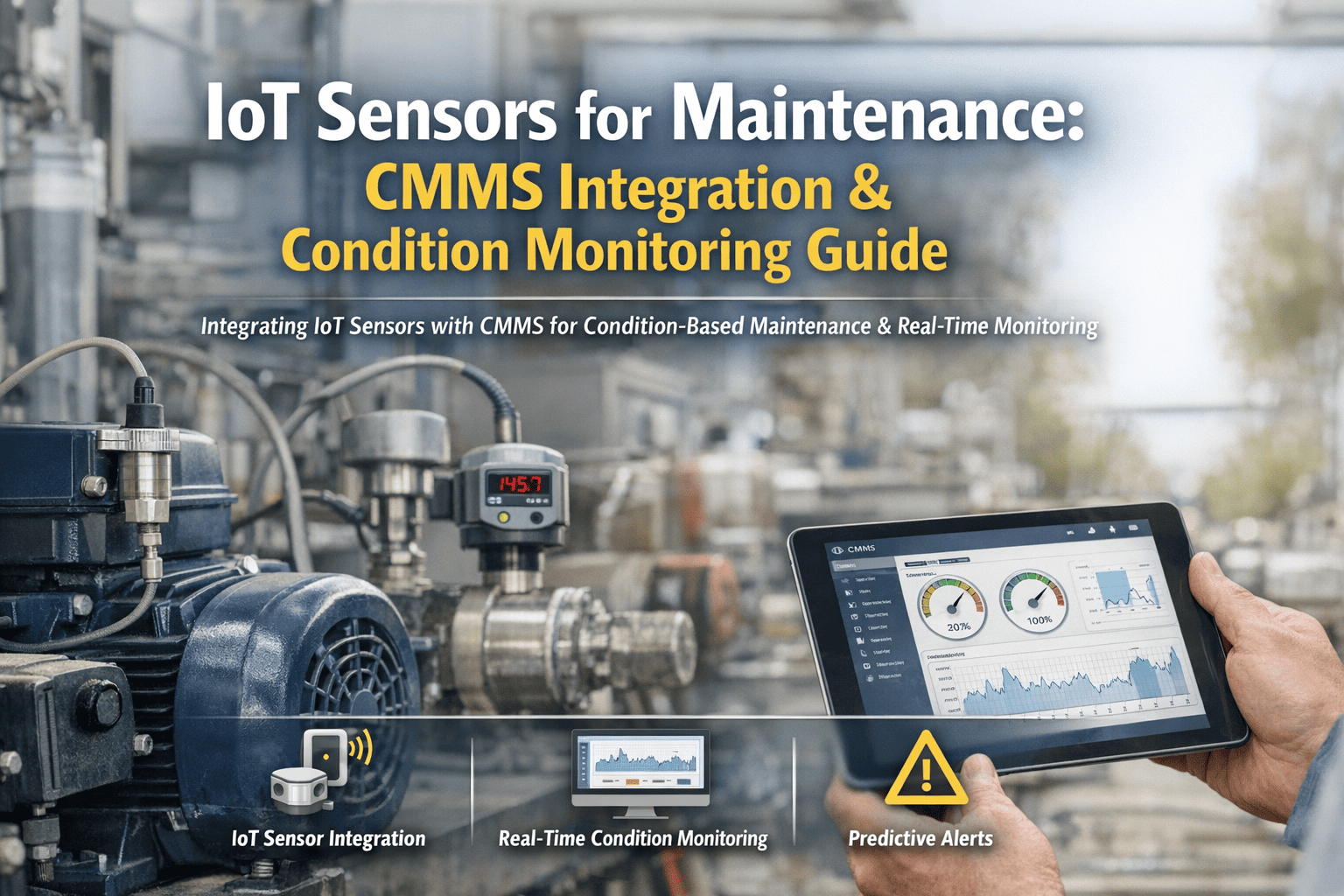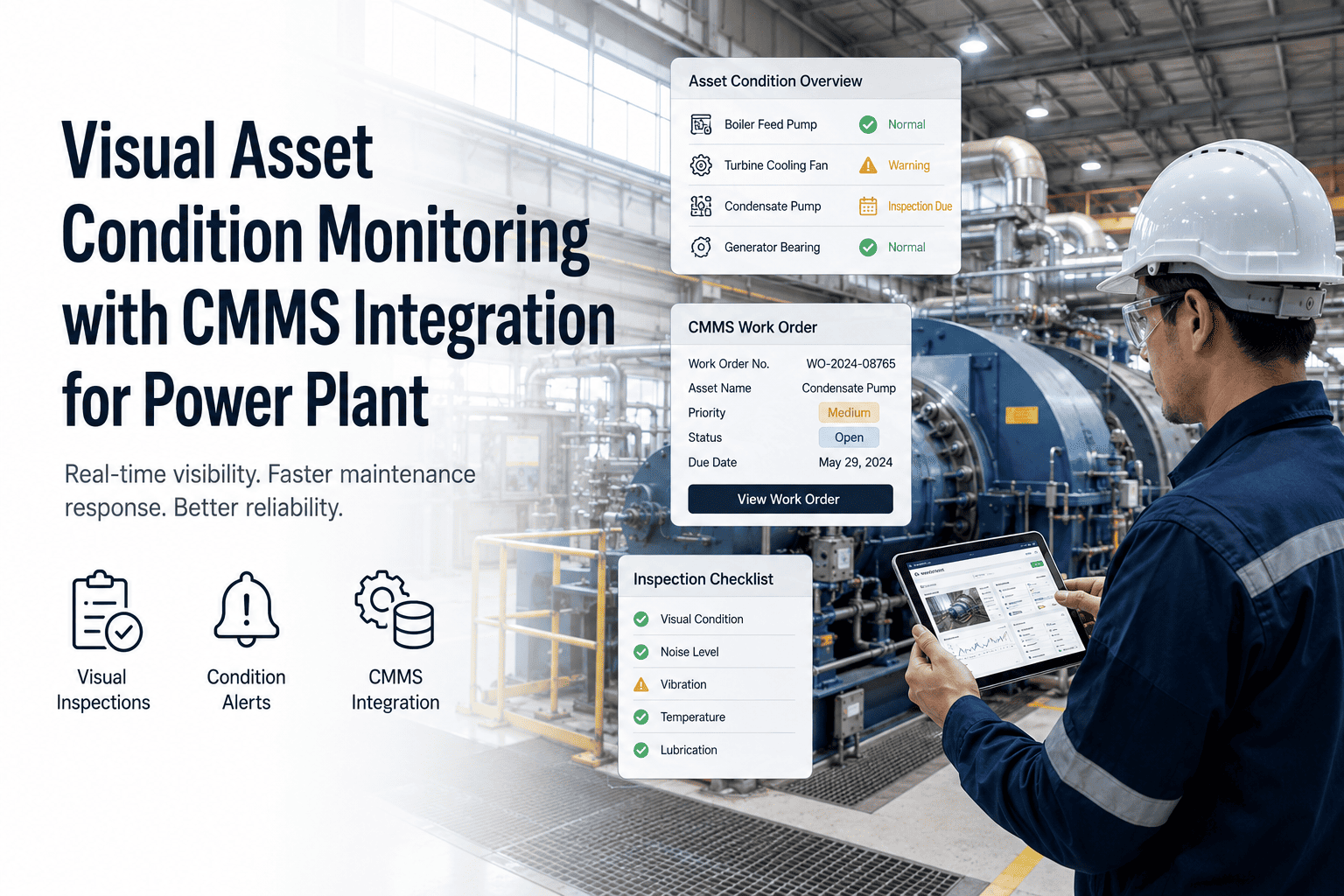
Every steel plant shutdown begins with a planning assumption: that the scope list built six months out actually reflects the real condition of every asset that will be opened up during the outage. In practice, a large share of that list gets discovered late, after the furnace is already cold or the crane is already down, because the only way anyone found the cracked liner or the worn bearing was by physically climbing up to look, and nobody had climbed up there in months. Computer vision changes when that discovery happens. Cameras already watching refractory walls, conveyor systems, and structural steel feed condition data into OxMaint continuously, long before the shutdown clock starts, so the scope freeze is built on what your assets actually need instead of what last year's checklist assumed. OxMaint turns every one of those visual findings into a scoped work order tied to the shutdown plan.
Visual Asset Condition Monitoring with CMMS Integration for Steel Plant Shutdowns
A shutdown overrun is rarely caused by the work that was planned. It is caused by what nobody saw coming until the asset was already torn open. OxMaint feeds continuous visual condition data into your shutdown scope so the surprises show up months early instead of mid-outage.
Shutdown Schedule Risk
What an Overrun Actually Costs a Steel Plant
$800K-$2.5M
80%
20% / 30%
6% vs 18%
Where Visual Condition Data Enters the Shutdown Plan
T-6 Months
Vision-fed condition findings roll into the prioritized shutdown work list alongside inspection history.
T-4 Months
Scope freezes and long-lead parts are ordered based on what the cameras have already confirmed.
T-2 Months
Every work order is scheduled to a crew and shift, with asset photos attached for the field team.
T-2 Weeks
Materials are staged on site, verified against the same condition record that triggered the order.
Execution
Discovery work during the outage is logged immediately, with no surprise findings nobody planned for.
The asset your camera flagged in March is the surprise you will not have in October.
Feed continuous visual condition data into OxMaint and build your next shutdown scope on evidence instead of guesswork.
Reactive Discovery vs. Vision-Fed Shutdown Scope
| Capability | Reactive Discovery | Vision-Fed Scope |
|---|---|---|
| When defects are found | After the asset is opened during the outage | Months ahead, while the plant is still running |
| Parts procurement | Emergency air freight at premium cost | Standard lead time ordered against the scope freeze |
| Scope growth | Frequent additions found mid-shutdown | Most condition findings already scoped before freeze |
| Crew planning | Re-sequenced on the fly around new findings | Crews scheduled against a known, photo-verified scope |
| Cost predictability | Wide variance, frequent overrun | Tighter variance against the original budget |
Assets Worth Watching Before the Next Shutdown
Furnace Refractory Lining
Erosion and hot spots tracked continuously instead of only during a cold inspection window.
Crane Structural Condition
Visible fatigue and corrosion on girders flagged ahead of scheduled load testing.
Conveyor System Wear
Belt, idler, and frame condition logged so replacement parts are ordered on time.
Drive Bearing Thermal Trends
Heat signatures on critical drive bearings monitored ahead of the outage window.
Pipe and Valve Corrosion
External corrosion and leak staining caught well before a turnaround opens the line.
Structural Steel Condition
Coating failure and visible deformation tracked across the shutdown planning horizon.
What Turnaround Planners Say About Visual Condition Data
The plants that consistently hit their shutdown budget are the ones that stopped discovering scope during the outage. If a camera has already confirmed the condition of an asset three months before the plant goes down, that work order is not a surprise anymore, it is a planned line item with parts already on site.
Scope creep after freeze is the single biggest driver of overrun, and most of it comes from things nobody could see until the asset was already opened. Continuous visual monitoring is one of the few practical ways to pull that discovery work earlier, where it belongs.
Questions Steel Plant Teams Ask About Visual Shutdown Planning
How does visual condition data actually reduce shutdown scope growth?
Can OxMaint connect to cameras we already use for safety or quality monitoring?
How far in advance should visual condition findings start feeding into the shutdown scope?
What happens to discovery work that still comes up during the outage itself?
Does this help with contractor and crew scheduling, not just parts?
How quickly can we connect visual monitoring before our next shutdown?
Your next shutdown scope is being written right now, by whatever your cameras catch today.
Connect visual condition monitoring to OxMaint and walk into your next outage with a scope built on evidence, not guesswork.