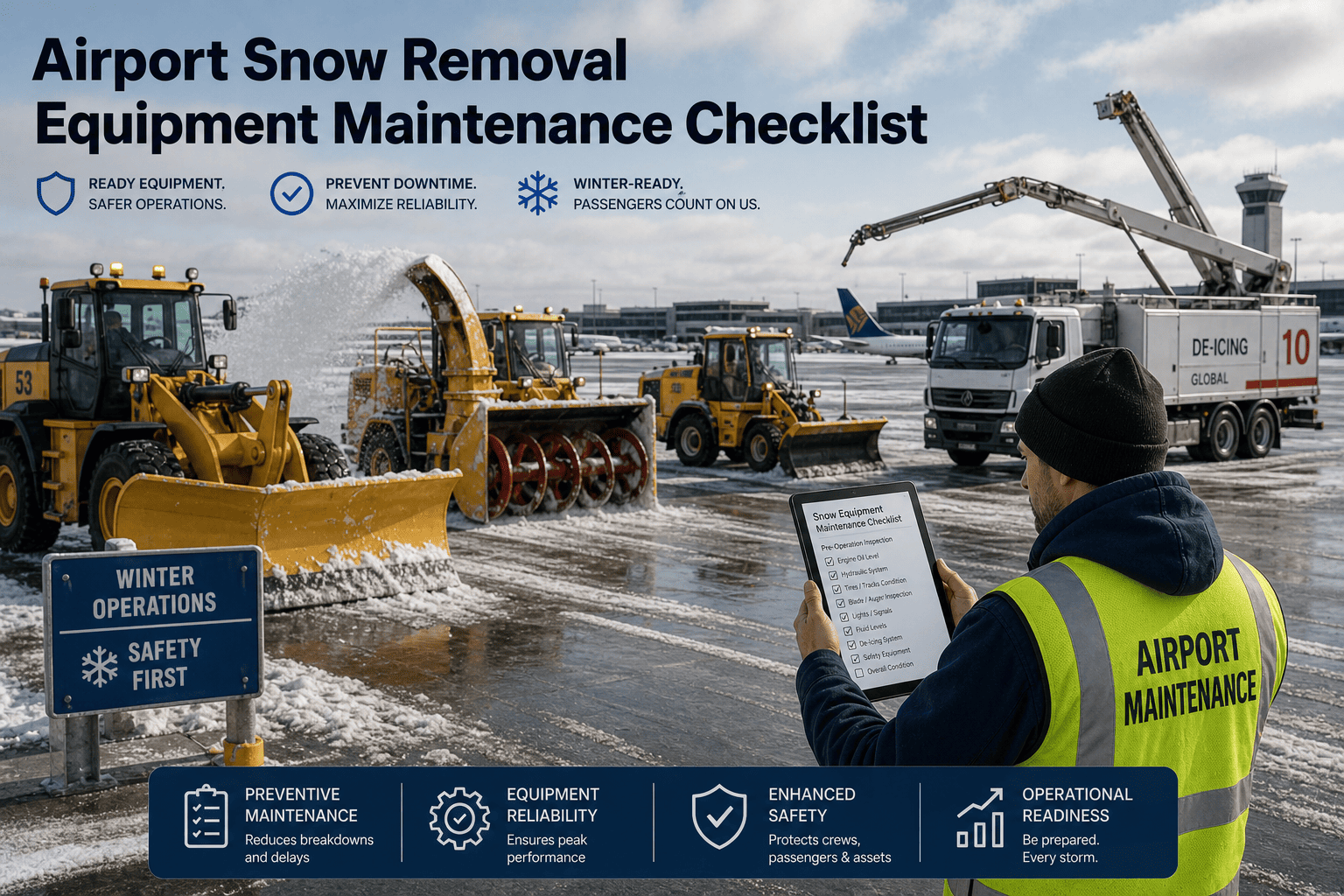
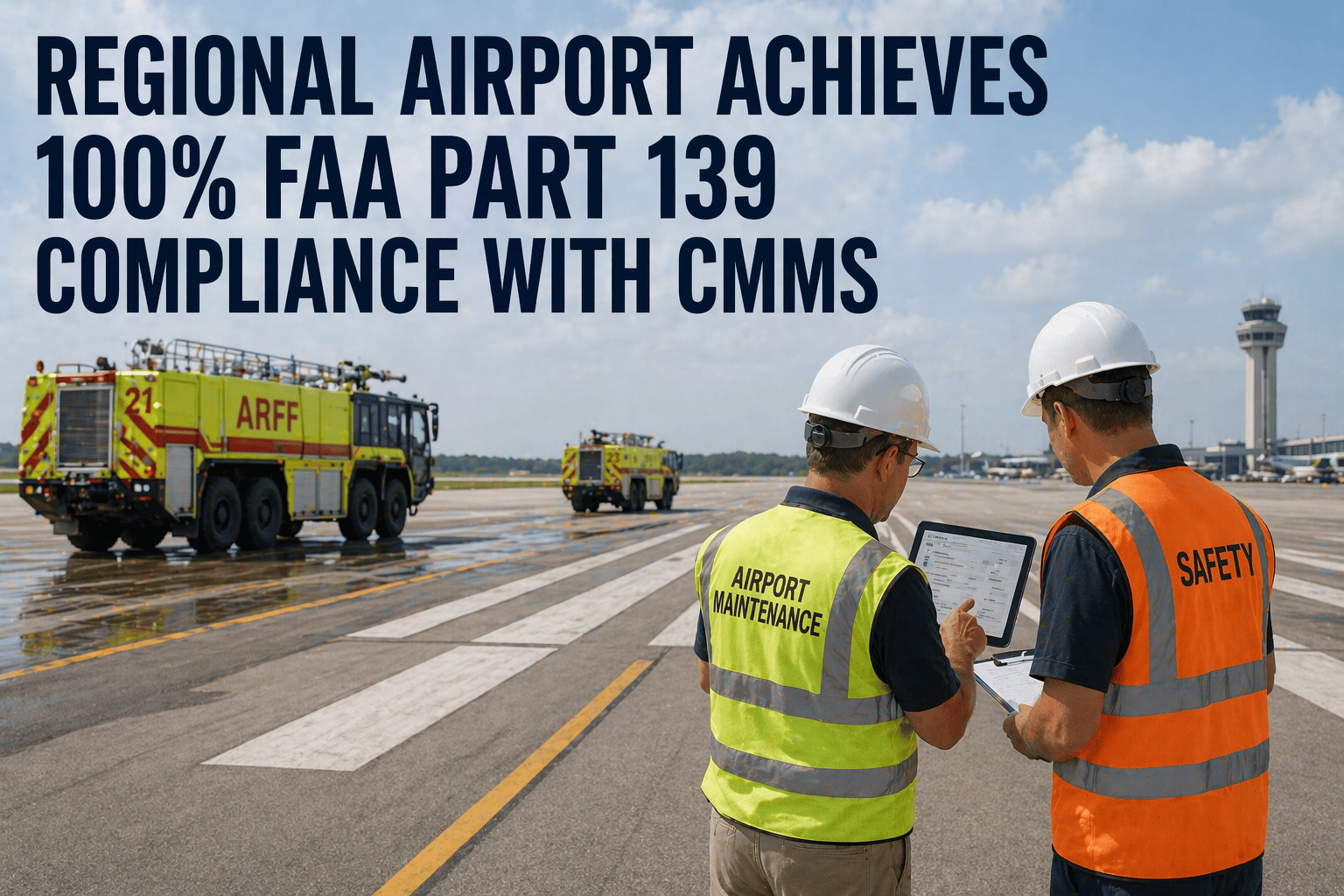
When winter storms ground flights and close runways, every minute of downtime costs an airport an average of $12,000 in lost revenue. A single snowplow breakdown during a blizzard can cascade into hours of delays, passenger backlogs, and regulatory penalties. One major regional airport eliminated this risk entirely by achieving 100% storm readiness across 85 snow removal vehicles using a CMMS to track preventive maintenance, parts inventory, and crew scheduling. The result: zero equipment failures during peak winter operations and a 34% reduction in emergency repair costs. Start a free trial to see how OxMaint tracks your winter fleet readiness.
Track Every Snowplow, De-icer, and Sweeper Before the First Storm Hits
OxMaint gives airport operations teams a unified platform to schedule PM cycles, monitor equipment condition, track fuel and fluid levels, and ensure your entire winter fleet is storm-ready when the forecast turns. No more clipboards, spreadsheets, or guesswork.
85
Vehicles Tracked
Snowplows, de-icers, sweepers, and loaders across terminal and runway zones
100%
Storm Readiness
Every vehicle passed pre-season inspection with full PM compliance
34%
Lower Emergency Costs
Reduction in reactive repairs during winter operations period
Zero
Equipment Failures
No breakdowns during active storm response across entire season
The Airport Winter Operations Challenge
Airport snow removal fleets operate under conditions that destroy equipment faster than any other ground support category. Hydraulic systems freeze, plow blades crack under impact, de-icing pumps clog with brine crystals, and diesel engines refuse to start at minus 15 degrees. These vehicles sit idle for nine months, then get hammered for 90 consecutive days with 24-hour duty cycles, salt exposure, and impact loads that would retire a highway plow in two seasons. The airport that achieved 100% readiness faced all of these failure modes across 85 vehicles and solved it by turning winter prep into a data-driven CMMS workflow instead of a seasonal scramble. Book a demo to see their complete winter maintenance program.
Fleet Sitting Idle Creates Hidden Failures
Vehicles stored from April to November develop seized hydraulics, dead batteries, corroded electrical connections, and fuel system varnish that only surfaces when winter hits.
No Visibility Into Equipment Condition
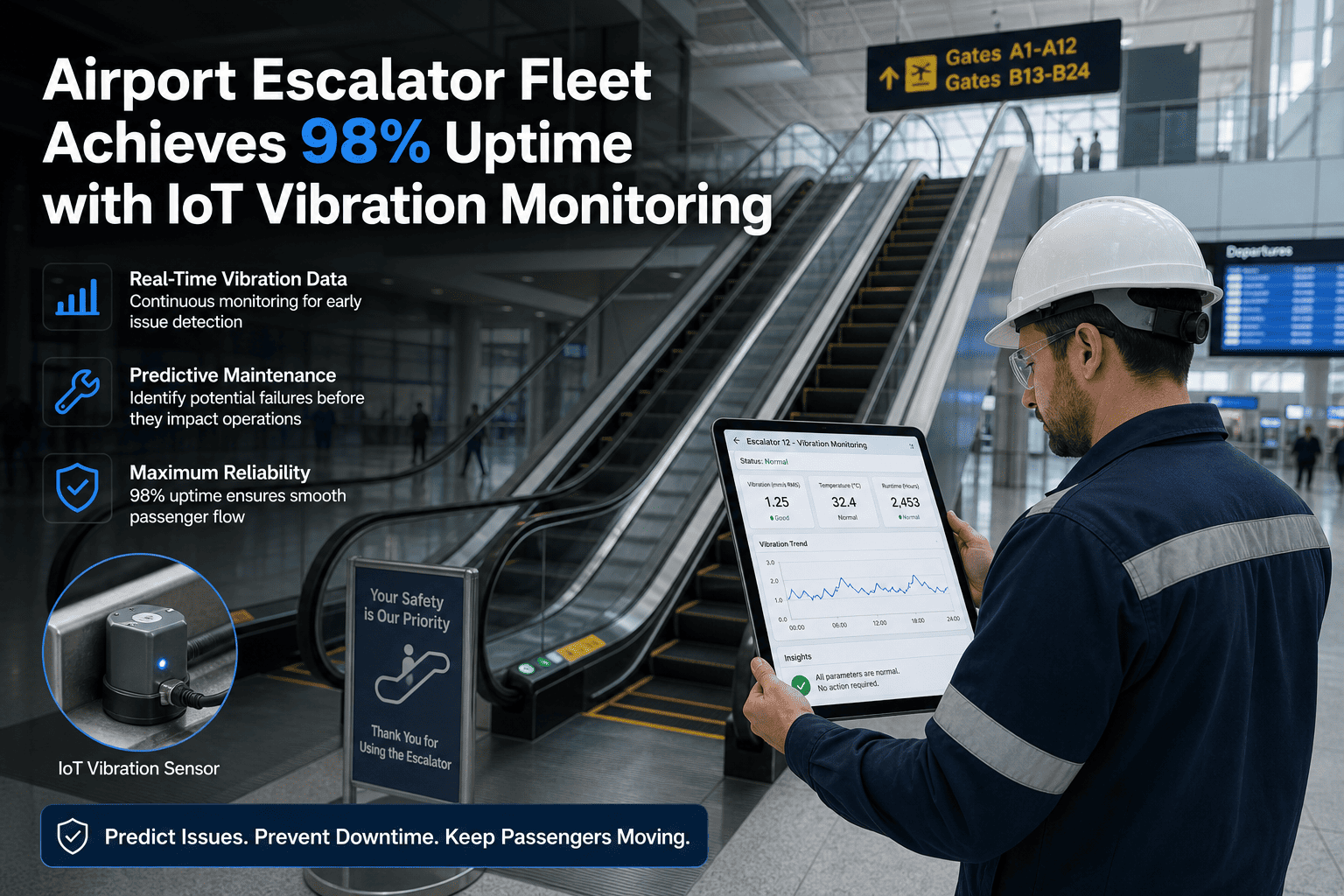
Operations teams rely on operator reports and visual inspections, missing early warnings like pump pressure loss, blade wear, and fluid contamination until breakdowns occur mid-storm.
Parts Inventory Gaps During Peak Demand
Critical spares like hydraulic hoses, plow cutting edges, and de-icing nozzles run out during storms because usage isn't tracked against stock levels in real time.
Crew Scheduling Chaos in 24-Hour Operations
When storms last multiple days, assigning qualified operators to specific vehicle types becomes manual guesswork, leading to equipment damage from undertrained crews.
How the Airport Achieved 100% Winter Readiness
The operations team implemented OxMaint four months before the first snowfall and built a complete winter fleet program around four core workflows: pre-season inspection checklists, condition-based PM triggers, parts usage tracking tied to vehicle ID, and crew qualification mapping. Every vehicle got a digital asset record with manufacturer specs, maintenance history, and seasonal readiness scores. By October 15th, all 85 vehicles had passed inspection and were marked green in the system.
01
Pre-Season Inspection Program
Digital checklists covering hydraulic systems, plow assemblies, de-icing pumps, lighting, and cold-start procedures completed on mobile devices with photo evidence and tech sign-off.
02
Automated PM Scheduling by Asset Type
Separate maintenance calendars for snowplows, runway sweepers, de-icing trucks, and loaders with tasks triggered by operating hours, duty cycles, and calendar intervals.
03
Parts Inventory Linked to Vehicle Records
Every hydraulic hose, plow blade, pump seal, and filter tracked by part number and cross-referenced to compatible vehicle models, with automatic reorder alerts when stock falls below winter minimums.
04
Crew Qualification & Assignment Tracking
Operator certifications for each equipment class stored in CMMS, enabling dispatch to assign only qualified personnel to specialized vehicles during multi-shift storm operations.
05
Real-Time Fleet Status Dashboard
Live view of which vehicles are operational, in maintenance, or down for repair, with estimated return-to-service times visible to operations managers during active weather events.
06
Post-Storm Damage Logging
Operators report plow blade impacts, hydraulic leaks, and component damage immediately after shifts via mobile app, creating work orders before the next storm arrives.
Reactive Winter Maintenance vs CMMS-Driven Readiness
Vehicles inspected once in November, issues found too late
PM schedules tracked on paper logs and operator memory
Parts ordered reactively when equipment breaks down mid-storm
Crew assignments made verbally with no qualification tracking
No visibility into fleet status during overnight operations
Equipment damage discovered only when next operator reports it
Rolling inspections from September through pre-season with digital records
PM tasks auto-generated by vehicle type and operating hours
Parts usage forecast from historical storm data, stocked in advance
Operator certifications mapped to equipment classes in system
Real-time dashboard shows operational vs down vehicles 24/7
Mobile damage logging creates instant work orders before next shift
Winter Fleet Results: Zero Failures Across 90 Days
19
Major Storms Handled
Including three multi-day events requiring continuous 24-hour operations
4,280
Operating Hours Logged
Across entire fleet during November through February period
$127K
Saved in Emergency Repairs
Compared to previous winter with reactive maintenance approach
18 min
Average Response Time
From snowfall detection to first plow deployment on active runways
Frequently Asked Questions
How does a CMMS prevent snow equipment breakdowns during storms?
By scheduling pre-season inspections, tracking component wear, monitoring fluid conditions, and generating PM work orders based on operating hours and duty cycles, the system catches failures before they happen. Every hydraulic pump, plow blade, and de-icing nozzle gets checked against manufacturer intervals and replaced proactively.
Start a free trial to build your winter readiness program.
Can OxMaint track parts inventory specific to snow removal equipment?
Yes. The system links parts by number to compatible vehicle models, tracks current stock levels, logs usage per storm event, and generates reorder alerts when inventory falls below winter minimums. You know exactly which plow blades fit which trucks and how many hydraulic hoses you burned through last season.
Does the system handle crew qualification tracking for specialized equipment?
Absolutely. Operator certifications are stored per equipment class, allowing dispatch to assign only qualified personnel to runway plows, liquid de-icers, or high-capacity sweepers during multi-shift operations.
Book a demo to see crew assignment workflows.
How quickly can an airport implement a winter fleet program in OxMaint?
Most airports complete setup in 4-6 weeks: asset registry build, inspection checklist configuration, PM schedule templates, and parts catalog import. The airport in this case study went live in September and had full fleet readiness by mid-October, two months before peak season.
Stop Gambling on Winter Fleet Readiness
OxMaint gives airport operations teams the tools to track every snowplow, de-icer, and sweeper from pre-season inspection through the last storm of winter. Build PM schedules, monitor parts inventory, assign qualified crews, and ensure 100% equipment availability when weather hits. No more breakdowns. No more scrambling. Just readiness.