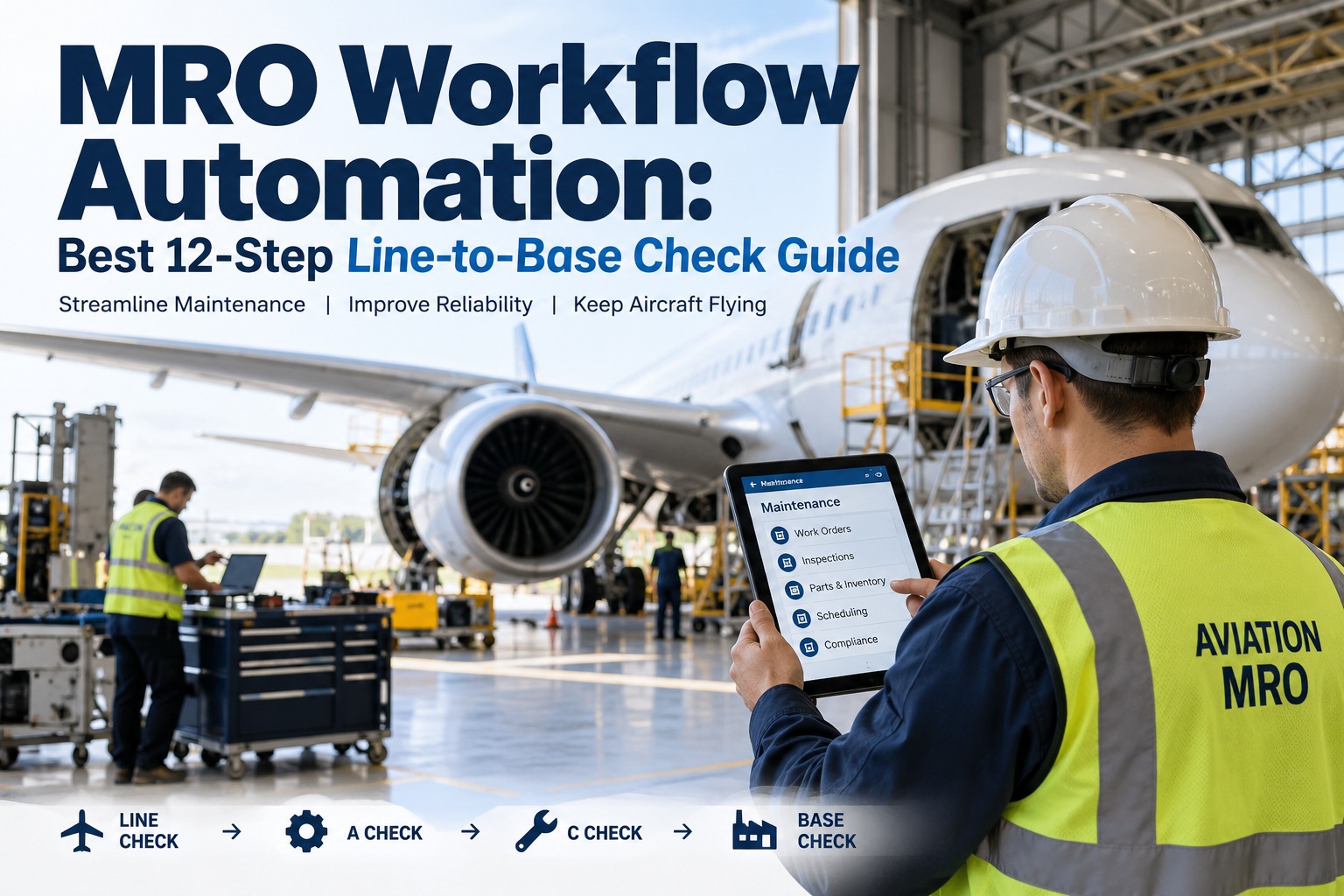
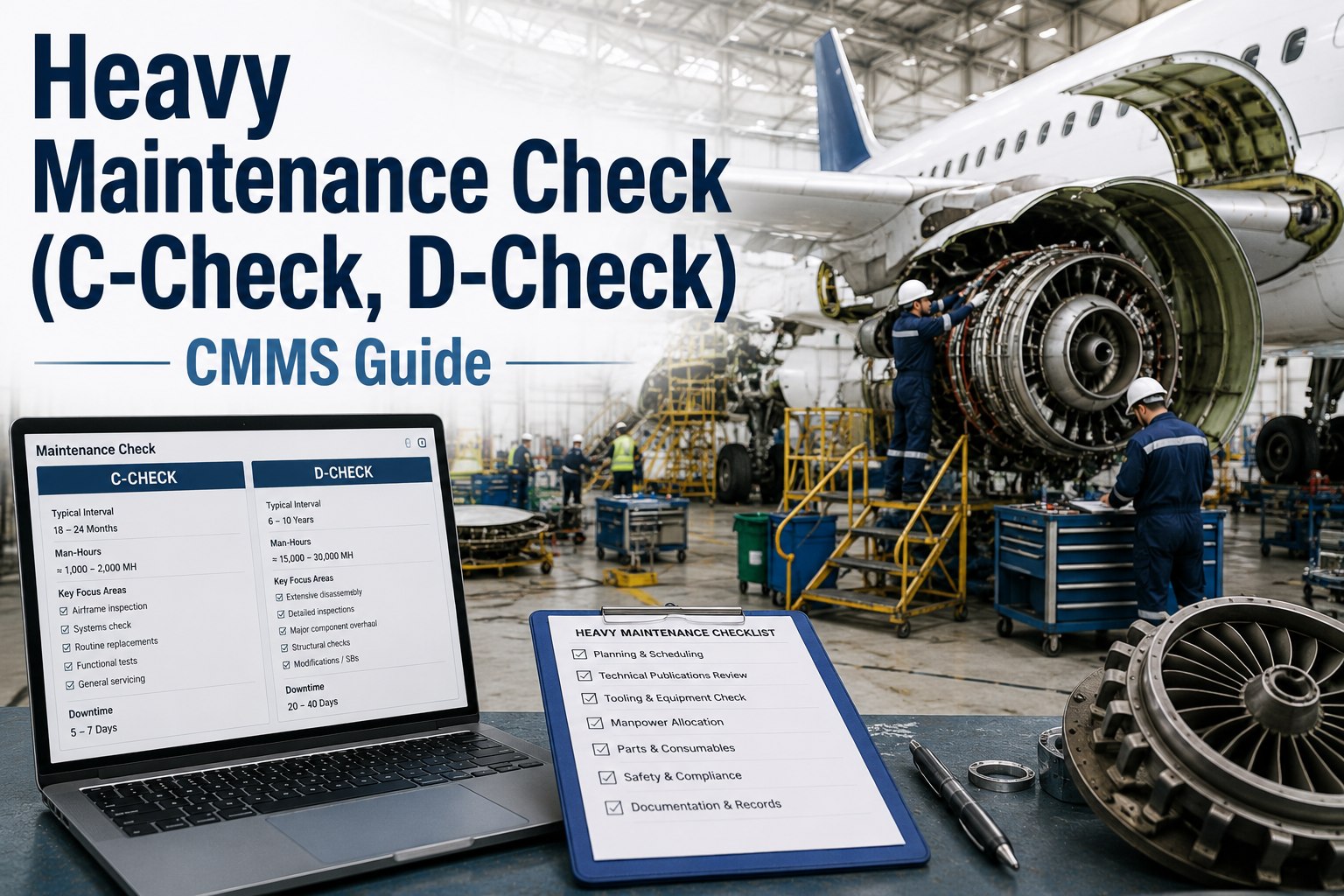
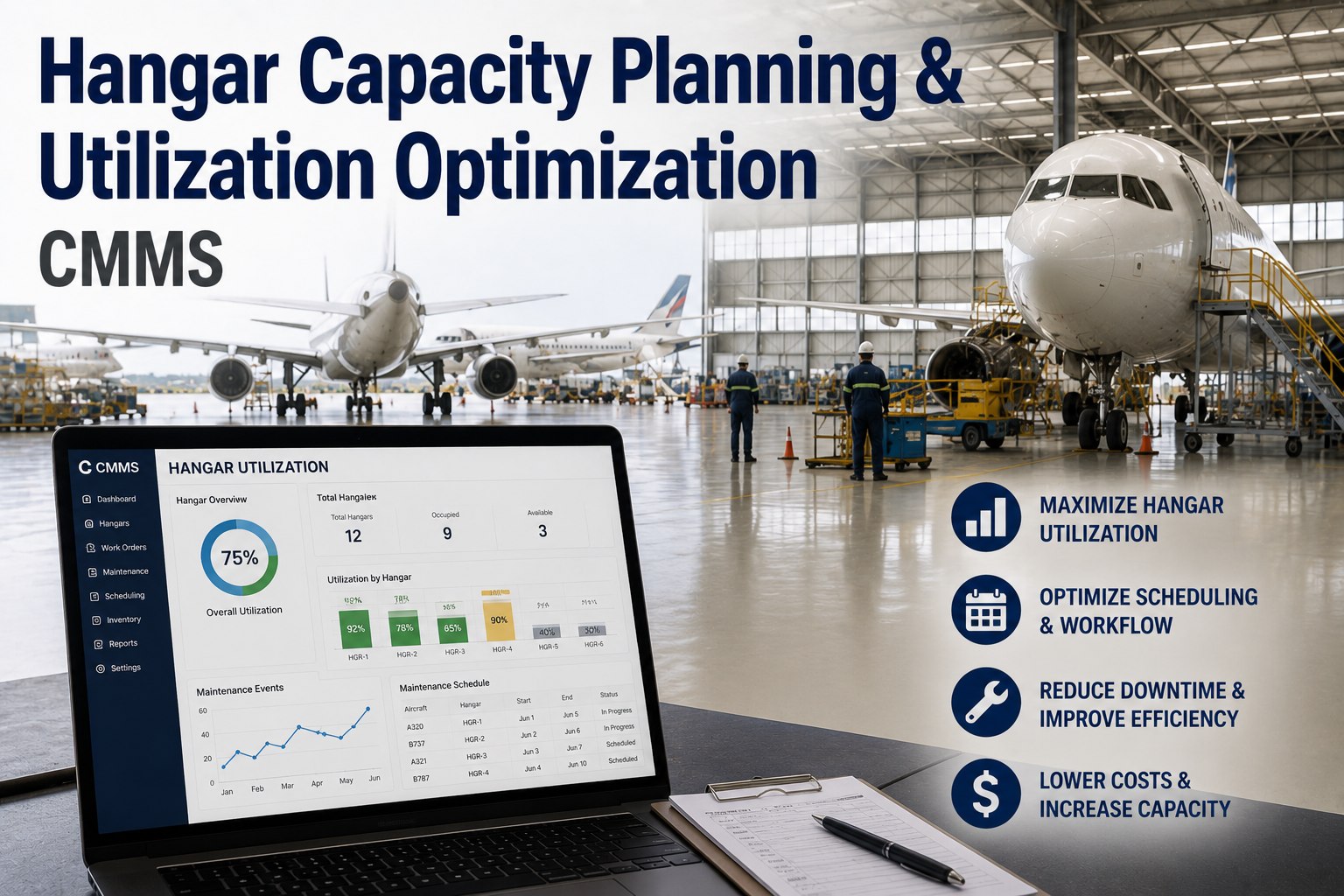
A D-Check is not just the most expensive maintenance event in commercial aviation — it is a stress test for your entire operation. Hundreds of tasks, dozens of trades, OEM hold items, concession requests, unplanned findings, shifting parts ETAs, and regulatory sign-offs all running in parallel while your aircraft sits on a hangar floor burning lease cost. When that check goes 12 days over TAT because a work package was issued two weeks late or a critical component was not pre-ordered in the right condition, the financial damage is not a line item — it is a number that appears in board presentations. The operators finishing checks on time and on budget are not doing it with better spreadsheets. They are doing it with structured planning systems that connect every task, part, resource, and record into a single controllable workflow from the moment the check is scheduled to the moment the release is signed.
$6M+
Average D-Check Cost
Widebody D-Check total cost including labor, parts, and facility — budget overruns average 18-22% industry-wide
35%
TAT Overrun Rate
Heavy maintenance visits that exceed planned turnaround time, driven by documentation gaps and unplanned findings
$150K
Cost Per Day AOG
Revenue and lease exposure per additional unplanned ground day during a heavy check on a narrowbody aircraft
28%
Cost Savings Potential
Reduction in total check cost achievable through structured pre-input planning, task card readiness, and parts pre-positioning
Plan Every Check From A to D — Without the Spreadsheet Chaos
Oxmaint gives MRO planners and airline maintenance teams a single platform to schedule checks, issue work packages, track task progress in real time, manage findings, and close every record audit-ready — across your entire fleet from one dashboard.
The Four Check Types: What Each Demands From Your Planning Team
Aviation maintenance checks are not interchangeable in scale or complexity — they differ by an order of magnitude in planning lead time, resource depth, and documentation burden. Treating A-Check scheduling the same way you approach a D-Check is one of the fastest routes to budget overruns and regulatory findings. Each check type requires a different planning model, different pre-input readiness gates, and a different level of coordination between maintenance control, planning, engineering, and the MRO facility.
If your team is managing A through D checks on spreadsheets and email chains, the overruns are not bad luck — they are a system problem. Start a free trial for 30 days and see what structured check planning looks like, or book a demo tailored to your fleet type.
A-Check
Every 400–600 FH
Line Maintenance Level
Duration: 6–10 hours
Tasks: 50–70
Routine inspection of accessible areas, lubrication, fluid checks, filter replacements, and minor servicing. Performed at line stations overnight or during short ground periods. Planning lead time 2–4 weeks. Work packages must be ready before the aircraft lands — any gap at input adds hours the operator cannot recover.
Planning Focus: Task card issuance, slot booking, parts kitting
B-Check
Every 6–8 months
Base Maintenance Entry
Duration: 1–3 days
Tasks: 150–250
Deeper inspection including more component removals, cabin interior checks, and system function tests. Requires hangar access and specialist trades. Planning lead time 8–12 weeks. Engineering orders and pre-input parts availability are the primary risk factors for TAT performance on B-Check events.
Planning Focus: Engineering orders, pre-input parts, hangar slot
C-Check
Every 18–24 months
Structural Inspection
Duration: 1–2 weeks
Tasks: 2,000–6,000
Full structural and systems inspection requiring aircraft in a dedicated hangar. Zonal inspections, multiple component removals, corrosion treatment, and systems deep-testing. Planning lead time 3–6 months. Findings management and concession control are the primary drivers of cost overrun — poor tracking compounds delays across every trade.
Planning Focus: Findings management, MRO coordination, trade sequencing
D-Check
Every 6–12 years
Heavy Overhaul
Duration: 2–6 weeks
Tasks: 15,000–30,000
Complete tear-down of the aircraft to bare metal. Every system, structure, and component is inspected, overhauled, or replaced. Planning lead time 12–18 months. Resource planning, OEM coordination, major structural repair assessment, and configuration management run simultaneously. A single late engineering decision can cascade into days of delay across multiple work packages.
Planning Focus: Configuration management, OEM hold items, critical path control
Where Heavy Check Planning Breaks Down Operationally
01
Late Work Package Issuance
Task cards issued after the aircraft enters the hangar force mechanics to wait while engineers generate paperwork. Industry benchmark: work packages must be 95% complete at input. Most operators with manual systems achieve 60–70%, creating idle hangar time that costs thousands of dollars per hour.
02
Parts Not Available at Input
Rotable and expendable parts not pre-positioned before the check begins are the single largest cause of TAT overrun in C and D checks. When a component removal reveals a condition beyond limits and the replacement part has a 10-day lead time, that lead time directly extends the check — regardless of how well everything else is planned.
03
Findings Managed by Email
Unplanned findings — structural damage, corrosion, system anomalies — require rapid engineering disposition. When findings are communicated by email and tracked on shared spreadsheets, dispositions are delayed, tasks pile up waiting for approval, and the critical path extends invisibly until the check is already over TAT.
04
No Real-Time Progress Visibility
Maintenance control cannot see the check status without calling the hangar. Planning managers do not know which tasks are behind until the daily report arrives. By the time the delay is visible, recovery options are already diminished. Every day of invisible slippage is a day of recovery options consumed without action.
05
Compliance Records Built Retrospectively
Paper-based task cards signed off in the hangar are transcribed into electronic records after the check closes. Errors introduced during transcription, missing signatures, and incomplete certifying statements are discovered during post-check audits — requiring rework of documentation that should have been created correctly at the time of task completion.
06
Scope Creep Without Cost Tracking
Additional work requests, engineering changes, and unplanned repairs accumulate during a heavy check without structured cost impact assessment. Budget holders are informed after the work is done, not before approval is required. The final check cost is always higher than forecast — and the gap is rarely explained with the specificity that finance and ownership groups require.
How Oxmaint Structures Check Planning From Pre-Input to Release
Oxmaint gives maintenance planners, MRO project managers, and airline engineering teams a structured workflow that begins 12 to 18 months before a heavy check input date and runs through to aircraft release and certificate filing. Every task, finding, part, resource, and record lives in one platform — connected to the aircraft's asset history, compliance status, and real-time workforce.
Operators using Oxmaint for check planning report measurable reductions in TAT overrun and documentation rework within the first check cycle. Start a free trial for 30 days with your own fleet data and planning team, or book a demo and we will walk through a live check planning workflow against a representative C or D check scenario.
01
Rolling Fleet Check Schedule
Visual timeline of all scheduled checks across every aircraft in your fleet. A-Checks through D-Checks plotted against flying hours, calendar intervals, and hangar slot availability. Planners see conflicts before they become commitments and manage the fleet schedule proactively instead of reactively.
02
Pre-Input Readiness Gates
Structured milestone tracking for work package completion, parts pre-positioning, engineering order issuance, and facility coordination — measured against a readiness target for each gate date. Planners see the readiness percentage in real time. Any gate below threshold triggers an automatic escalation path before the aircraft input date.
03
Digital Work Package Issuance
Task cards generated digitally with AMM references, zone assignments, trade requirements, and estimated man-hours. Issued to mechanics via the Oxmaint mobile app on the hangar floor. No paper packs, no transcription risk, no delay between task completion and record creation. Sign-off captured digitally at the point of task completion.
04
Findings and Concessions Management
Every unplanned finding opened during the check is logged, photographed, severity-scored, and assigned to an engineering disposition queue. Engineering responses are tracked against SLA targets. Concession requests link directly to the affected task cards. The entire findings lifecycle is visible to maintenance control, engineering, and quality assurance simultaneously.
05
Live Check Progress Dashboard
Real-time view of task completion percentage by zone, trade, and work package. Critical path tasks flagged when slippage is detected against the planned network. Maintenance control and airline representatives see the same live view — no separate reporting runs, no morning briefing with stale data prepared overnight.
06
Audit-Ready Release Documentation
Certificate of Release to Service documentation assembled automatically from completed task records, findings dispositions, component certifications, and inspector sign-offs captured during the check. EASA Form 1, FAA 8130-3, and operator release records generated with full traceability. No retrospective documentation construction after the aircraft exits the hangar.
Check Planning Maturity: Where Most Operations Stand vs Where They Should Be
| Planning Area |
Reactive Planning Model |
Structured Model via Oxmaint |
TAT Impact |
| Check Scheduling |
Scheduled 4–8 weeks before input on availability gaps |
Rolling 18-month fleet plan with conflict detection and slot pre-booking |
+2 to 4 days recovered |
| Work Package Readiness |
60–70% complete at input; remainder issued during the check |
95%+ readiness gate enforced 5 days before aircraft input |
+3 to 5 days recovered |
| Parts Pre-Positioning |
Ordered at task execution; AOG orders placed reactively mid-check |
Rotable and expendable requirements identified at pre-input planning stage |
+4 to 8 days recovered |
| Findings Disposition |
Email chain to engineering; average 48–72 hour response |
Digital findings queue with engineering SLA tracking and escalation triggers |
+2 to 3 days recovered |
| Progress Visibility |
Daily written report from hangar floor supervisor |
Real-time dashboard accessible to all stakeholders via browser or mobile |
Earlier intervention, 1-2 days recovered |
| Compliance Records |
Paper task cards transcribed to electronic records post-check |
Digital sign-off at point of task completion; release docs auto-assembled |
Rework eliminated, 1-2 days recovered |
| Budget Tracking |
Cost visible at check closure; overruns reported retrospectively |
Live cost tracking against approved scope; additional work approval workflow |
18-22% average cost reduction |
Industry benchmarks: IATA MRO Study 2024, Aviation Week MRO Survey, Oliver Wyman Fleet & MRO Forecast 2024-2034
The Numbers Behind Structured Check Planning
18%
Avg. Check Cost Overrun
Industry average across C and D checks without structured pre-input planning and scope control workflows
95%
Work Package Target
Minimum work package completion percentage at aircraft input required to achieve planned TAT performance
12 days
Average TAT Recovery
Recoverable days across a D-Check cycle through structured planning, pre-positioning, and real-time findings management
40%
Faster Findings Closure
Reduction in findings disposition time when engineering queues are digitally tracked with SLA enforcement versus email chains
Frequently Asked Questions
How far in advance should planning begin for a C-Check and D-Check?
C-Check planning should begin 3 to 6 months before the aircraft input date, covering work scope definition, MRO contract finalization, pre-input parts ordering, and engineering order issuance. D-Check planning requires 12 to 18 months lead time due to the volume of engineering decisions, OEM coordination requirements, major component removals, and structural repair assessment work that must be completed before the aircraft enters the facility. The single most costly mistake in heavy check planning is treating these as events rather than programs — a D-Check is a 12-to-18-month planning project with a 2-to-6-week execution phase at the end.
What is the difference between scheduled and unplanned findings, and how should they be managed?
Scheduled tasks are defined in the approved maintenance program — their scope and requirements are known before the aircraft enters the hangar. Unplanned findings are defects, damage, or conditions discovered during inspection that were not anticipated in the approved work scope. Findings require engineering disposition, which may take the form of a repair instruction, an acceptable deferred rectification, or an acceptable deferred task. The critical management requirement is that findings must not be worked without an approved disposition — and the disposition must be tracked against the task card that records the work. Operations managing findings through informal communication channels routinely experience disposition delays that add multiple days to the check TAT and create compliance gaps in the maintenance record.
Can Oxmaint integrate with existing MRO management systems and airline CAME software?
Yes. Oxmaint connects via API to existing MRO management systems, airline continuing airworthiness management environments, and parts management platforms. The integration model is designed for the reality of aviation operations — where airlines may use one CAME provider, their contracted MRO may use a different hangar management system, and engineering is on a separate document management platform. Oxmaint sits at the coordination and execution layer, pulling task and aircraft data from upstream systems and pushing completion records, findings, and compliance documentation back into the systems of record. Implementation typically takes days to weeks, not months, with no requirement for large-scale data migration before the first check cycle begins.
How does Oxmaint handle the compliance documentation requirements for EASA and FAA regulated operations?
Every task completed through Oxmaint generates a structured maintenance record with the certifying staff identification, license type and number, approval authority reference, date and location of work, AMM task reference, and aircraft registration and total time data required for regulatory compliance. Findings are linked to their engineering disposition reference. Component removals and installations capture part number, serial number, and certificate of conformity details at the time of work. Release to Service documentation assembles automatically from these records and is exportable in the format required by the operator's approved documentation procedures. Digital signatures applied within the platform meet the requirements of EASA and FAA electronic records guidance without requiring a separate electronic signature system.
Your Next Heavy Check Is Already Running Late. Get Ahead of It Now.
Every day of planning preparation before an aircraft input date is worth five times more than the same effort during the check. Oxmaint gives your planning team the structure, visibility, and real-time control to finish heavy checks on time, on budget, and with complete compliance documentation — from A-Check to D-Check across your entire fleet.