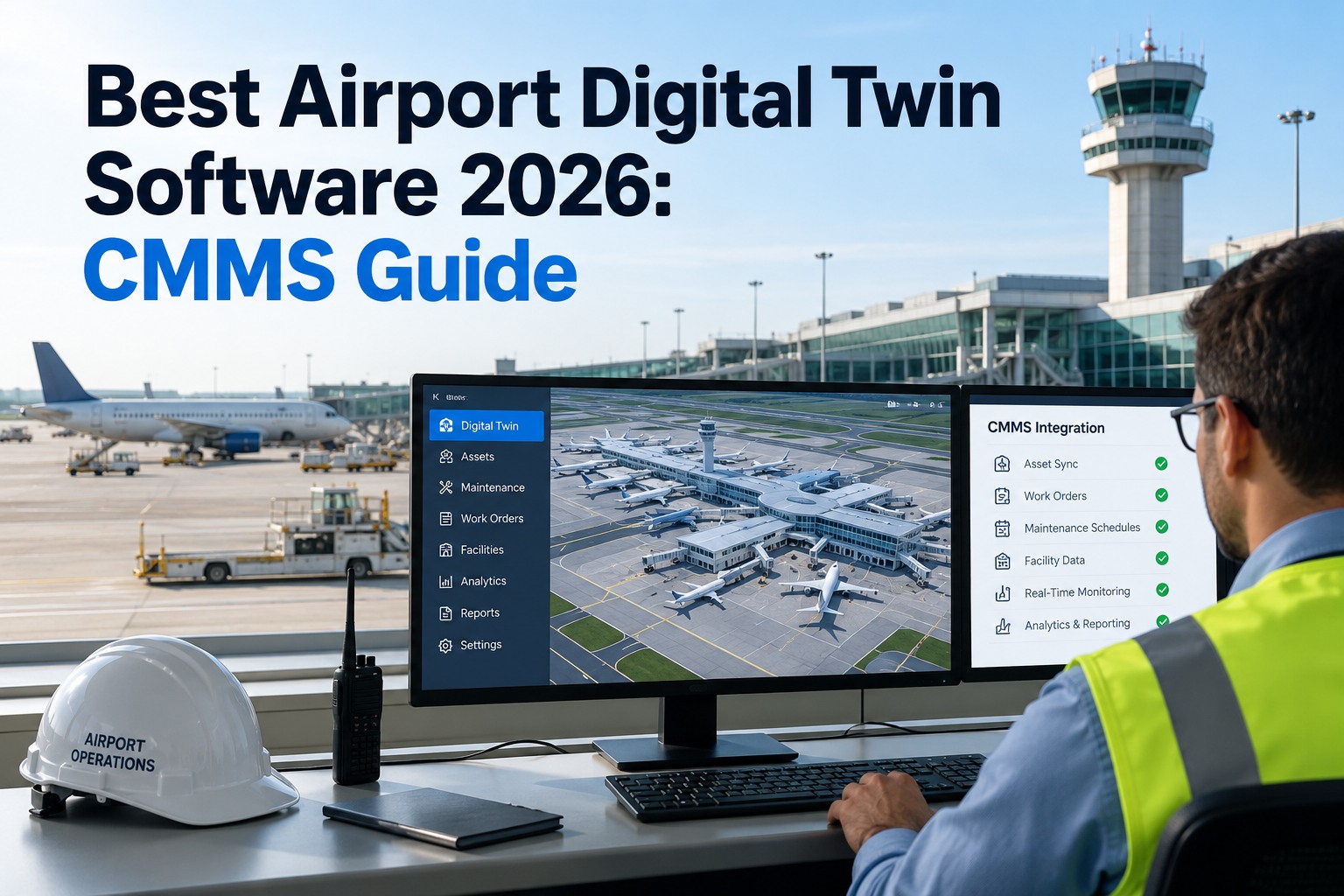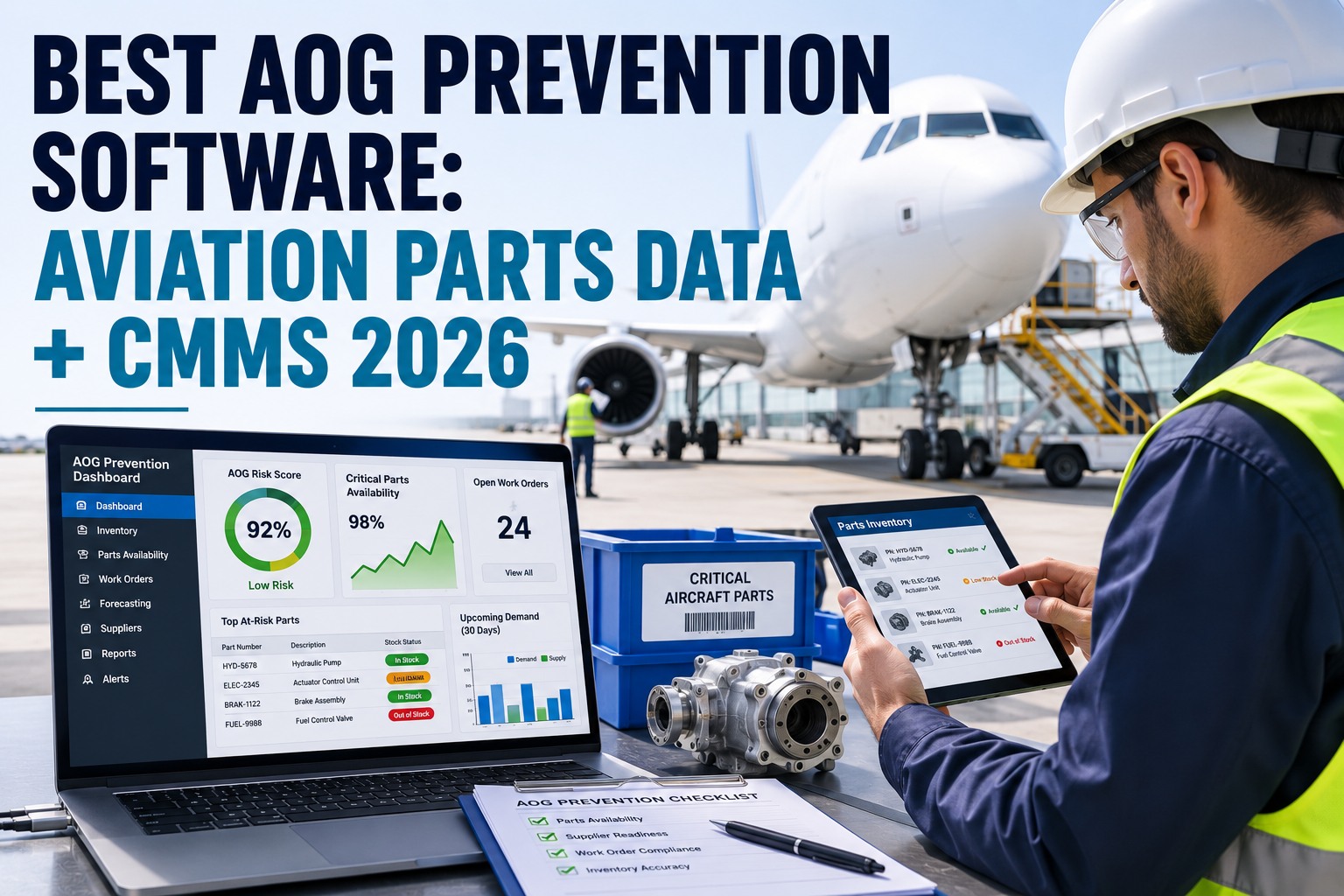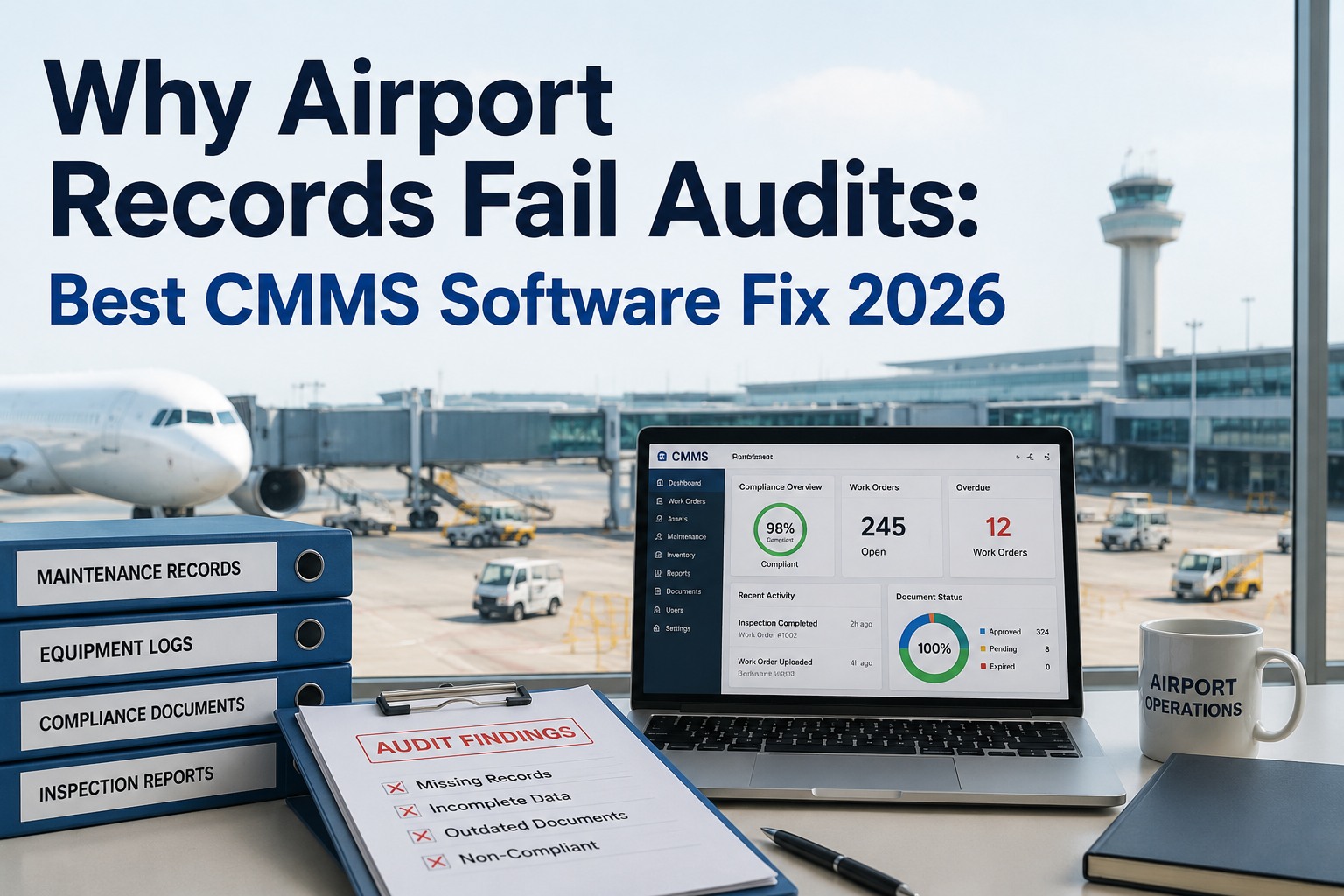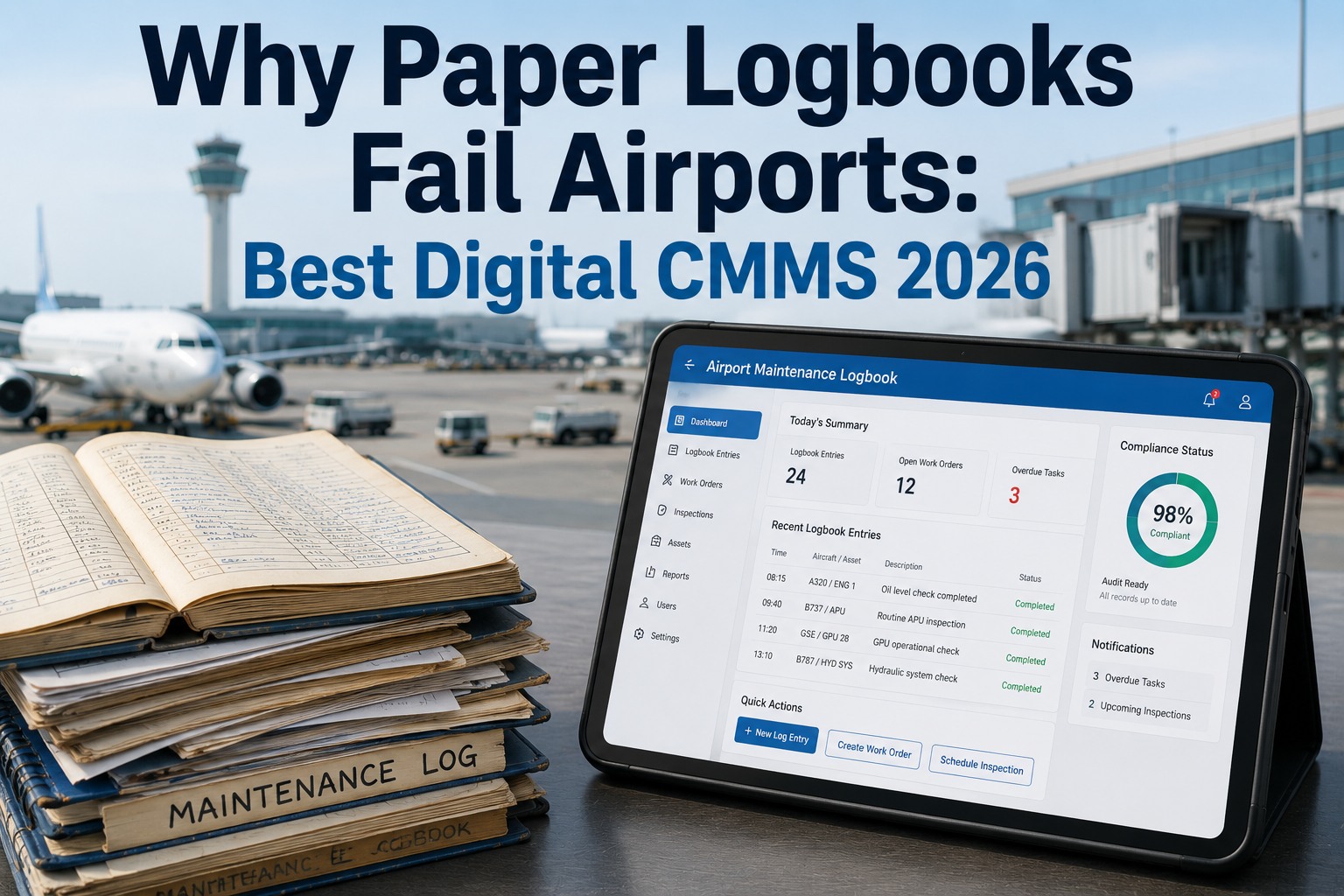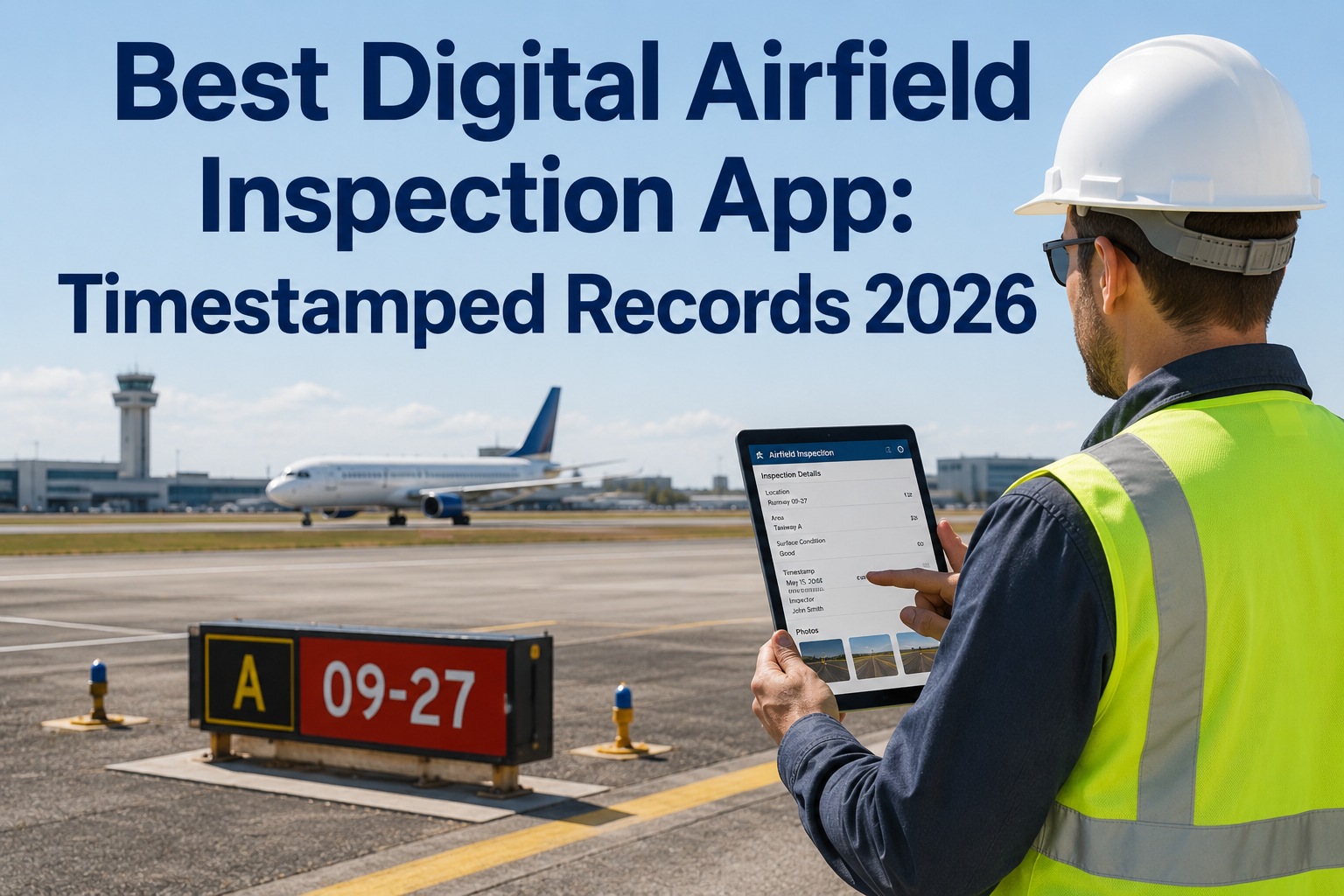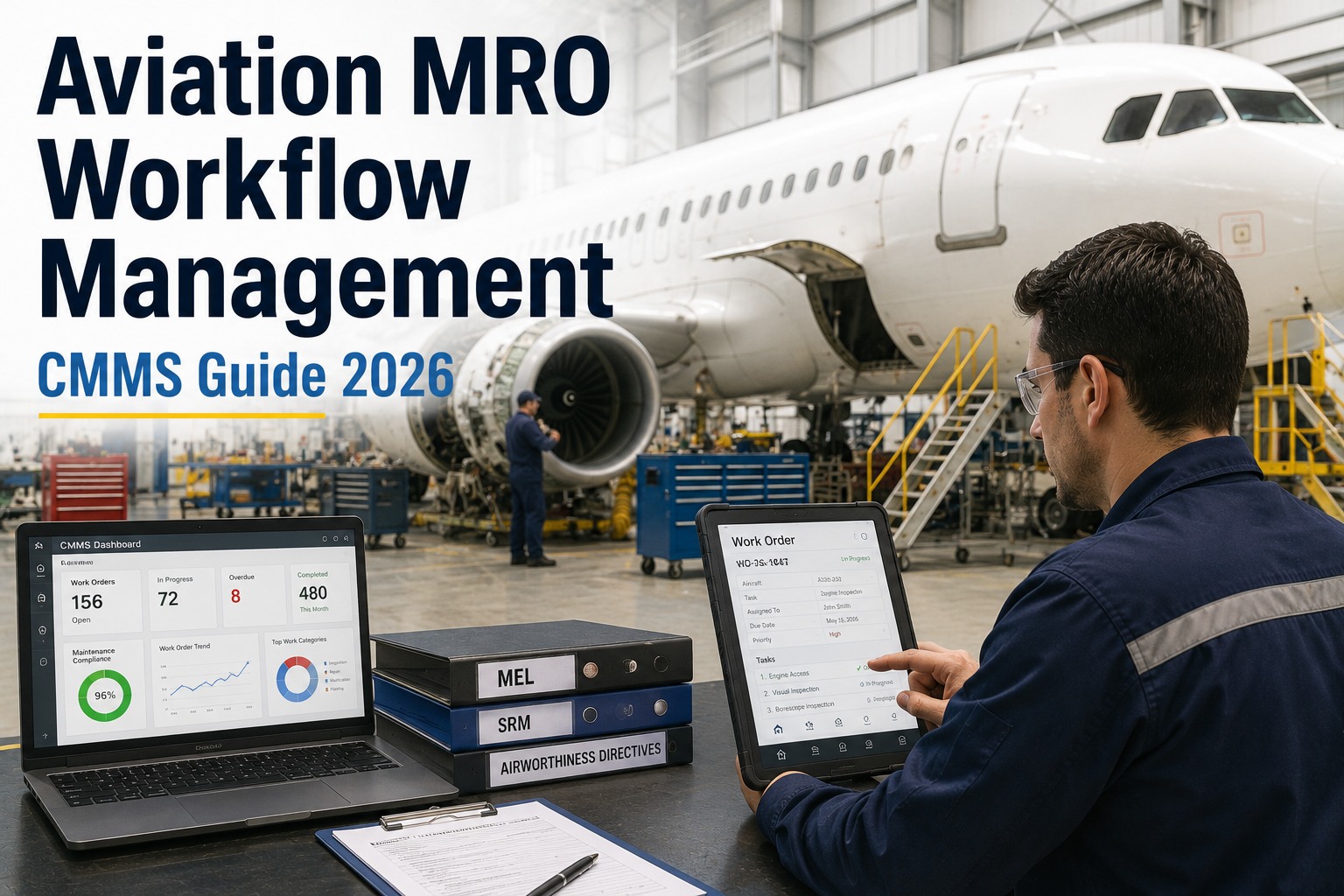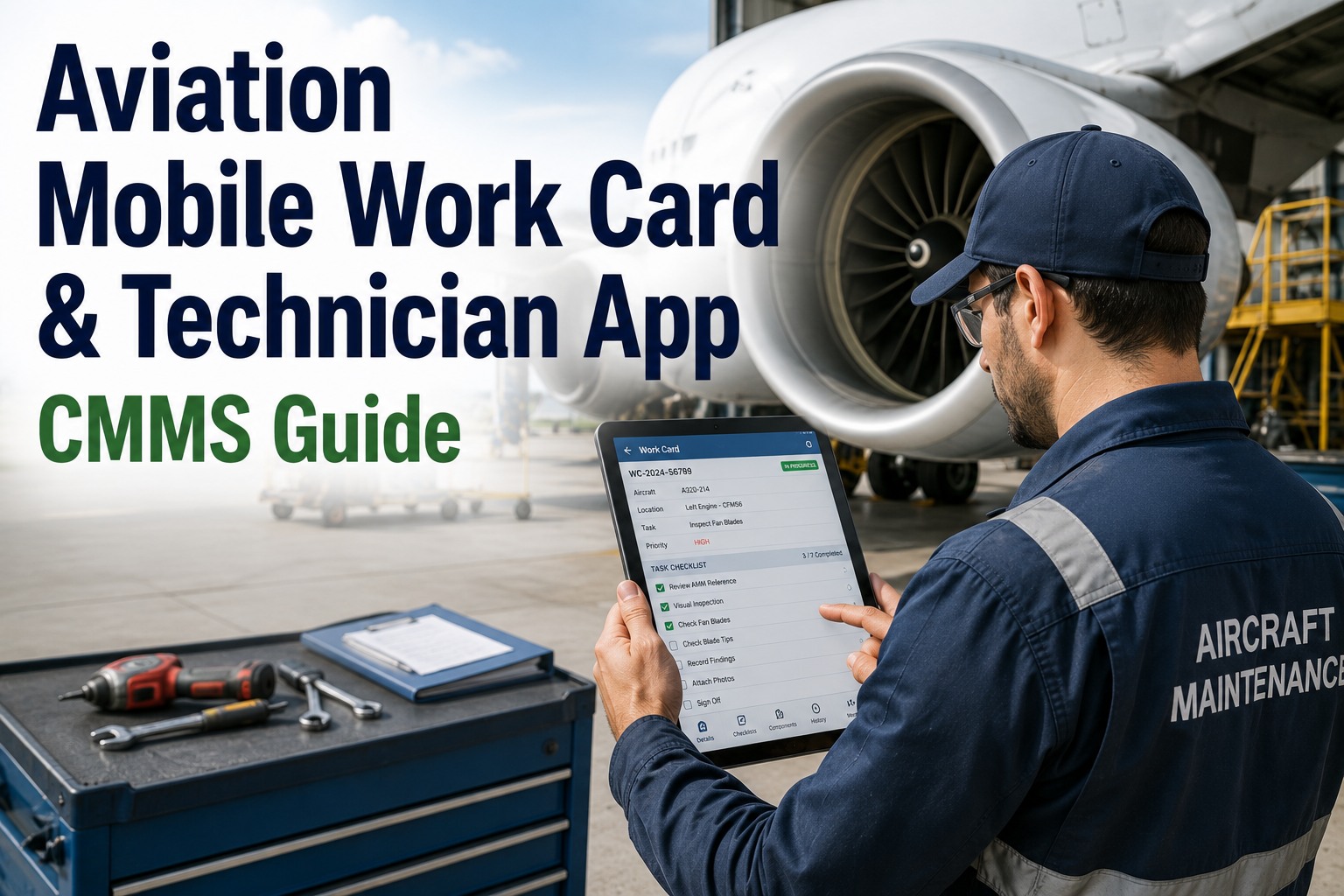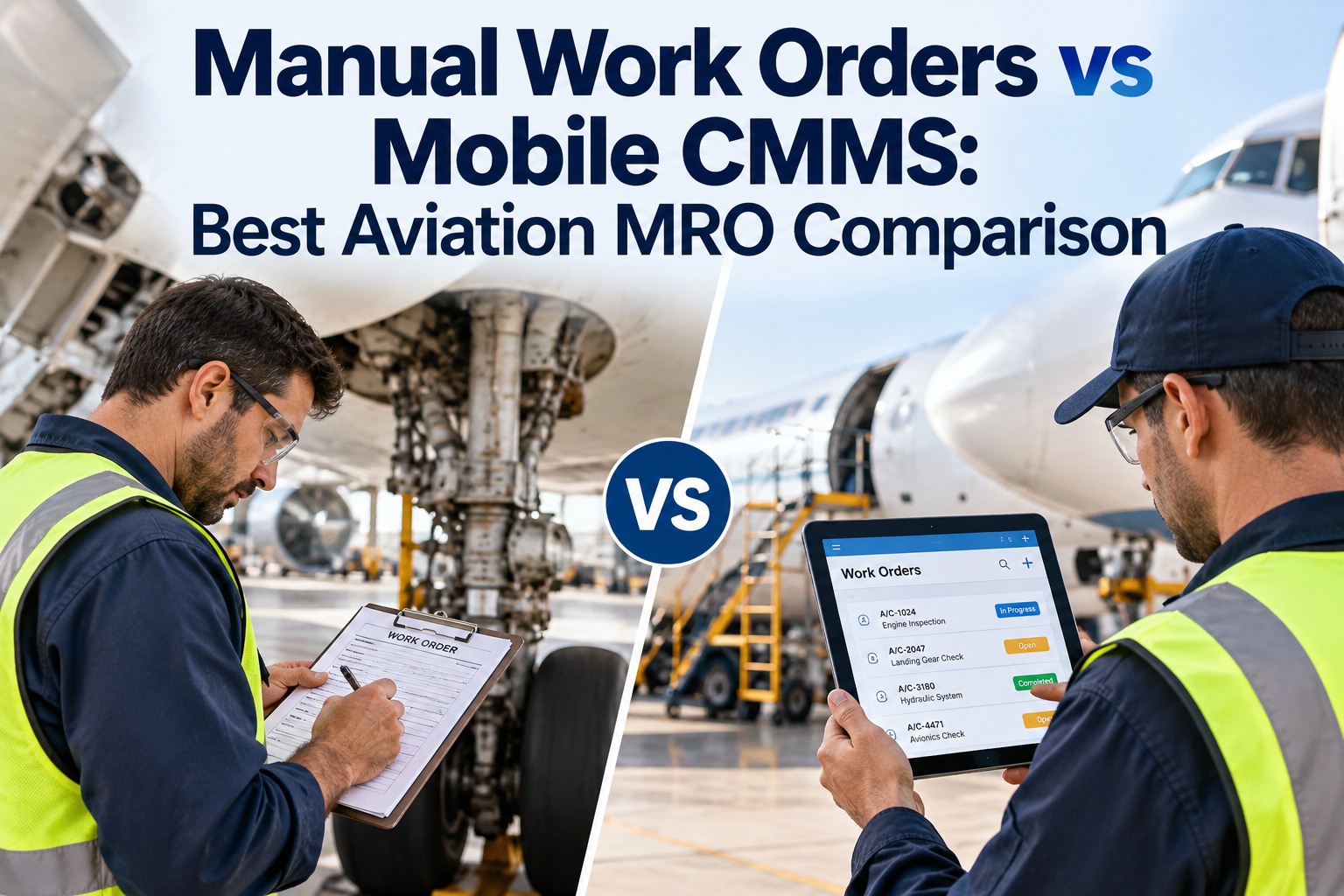
A wide-body sits on the ramp burning six figures an hour while a technician hunts for the one work card that proves the last task was signed off. The task was done — the paper just isn't. That's the real cost of manual work orders in aviation MRO: not the clipboard, but the delay, the re-keying, the failed audit line, the AOG that runs long because the record is two buildings away. This page puts paper and mobile side by side, and shows how OXMAINT AI, the AI-powered aviation CMMS, moves the whole work order onto the tech's tablet.
Manual Work Orders vs Mobile CMMS in Aviation MRO
Paper work cards that stall on the ramp, fail on the audit, and cost hours in re-entry. OXMAINT AI, the AI-powered CMMS and maintenance management software, runs the whole MRO chain on one platform: a finding or task becomes a digital work card on the tech's device, the card carries its own AMM references and parts, and sign-off is captured with a timestamped digital signature — so the aircraft returns to service on the work, not the paperwork.
The Real Cost of a Clipboard
Paper doesn't look expensive — it's the delays around it that are. A work card that has to be walked, re-keyed and filed turns a signed-off task into a bottleneck, and in aviation a bottleneck on the ramp has a per-hour price. The comparison below is where the difference actually shows up. OXMAINT AI closes those gaps by keeping the whole work order on one device. Start free and move your first work cards onto the tablet in OXMAINT AI.
| What you measure | Manual / paper | Mobile CMMS |
|---|---|---|
| Work-order cycle time | Unpredictable — days to weeks on complex tasks | Predictable TAT, within ~15% of plan; ~40% faster closure |
| Technician wrench time | ~65% productive; ~35% lost to non-wrench tasks | 85%+ — tasks, references & parts pre-loaded |
| Documentation errors | 6–8% error rate from manual re-entry | Re-entry removed; capture once at the point of work |
| Audit pass, first submission | ~76% pass rate | ~98% pass rate; ~60% less audit prep |
| Shift handover | ~2.3 hr delay in disconnected systems | Live status visible — handover reads the dashboard |
| AOG resolution | Slowed by records & parts in separate systems | ~35% faster when work orders & parts are connected |
Figures reflect published MRO benchmarks for digital vs paper-based work-order management, not a guarantee for any single operation — your own numbers depend on fleet, check type and starting point.
Four Gaps You Can See
Put the two side by side on the metrics that decide a check, and the gap isn't subtle. Each bar below is the same benchmark measured on paper and on a mobile CMMS. OXMAINT AI is built to sit on the mobile side of every one of them. Book a demo to see these gaps on your own operation in OXMAINT AI.
In MRO, the Aircraft Waits on the Slowest Record.
A task finished on time still holds the aircraft if its sign-off is stuck on a clipboard. OXMAINT AI captures the work, the references and the signature in one place on the tech's device — so the record is done when the task is, not hours later.
Where Paper Breaks — and What Replaces It
The case for mobile isn't abstract; it's five specific points where paper fails a check and a digital work card doesn't. OXMAINT AI is designed around exactly these breakpoints. Start free and close these gaps in OXMAINT AI.
What the Mobile Work Card Carries
A mobile CMMS earns the switch by putting everything the technician needs into the task itself. In OXMAINT AI the work card isn't a digital photocopy of paper — it's an active tool the tech works from and signs on the aircraft. Book a demo to see a live work card in OXMAINT AI.
One Work Order, Eight Clean Stages
Whether it's a line task or a heavy check, the same work-order lifecycle runs underneath. On paper the handoffs between these stages are where time and traceability leak; on a mobile CMMS each stage flows into the next on one record. Start free and run this lifecycle digitally in OXMAINT AI.
We didn't lose checks because the work was slow — we lost them because the paperwork was. A card would be signed off on the aircraft and still take half a day to make it back into the system, and every audit turned into an archaeology project. Moving the work cards onto tablets didn't just speed us up; it made the record match reality. The first audit after the switch, we passed on the first pass for the first time in years.
Frequently Asked Questions
Close the Check on the Work, Not the Paperwork.
Move aviation MRO off the clipboard with the OXMAINT AI maintenance management software — mobile work cards with embedded references and parts, timestamped digital sign-off, live status dashboards, and a record that's audit-ready the moment the task is done. Faster turnaround, cleaner audits, fewer surprises on the ramp.