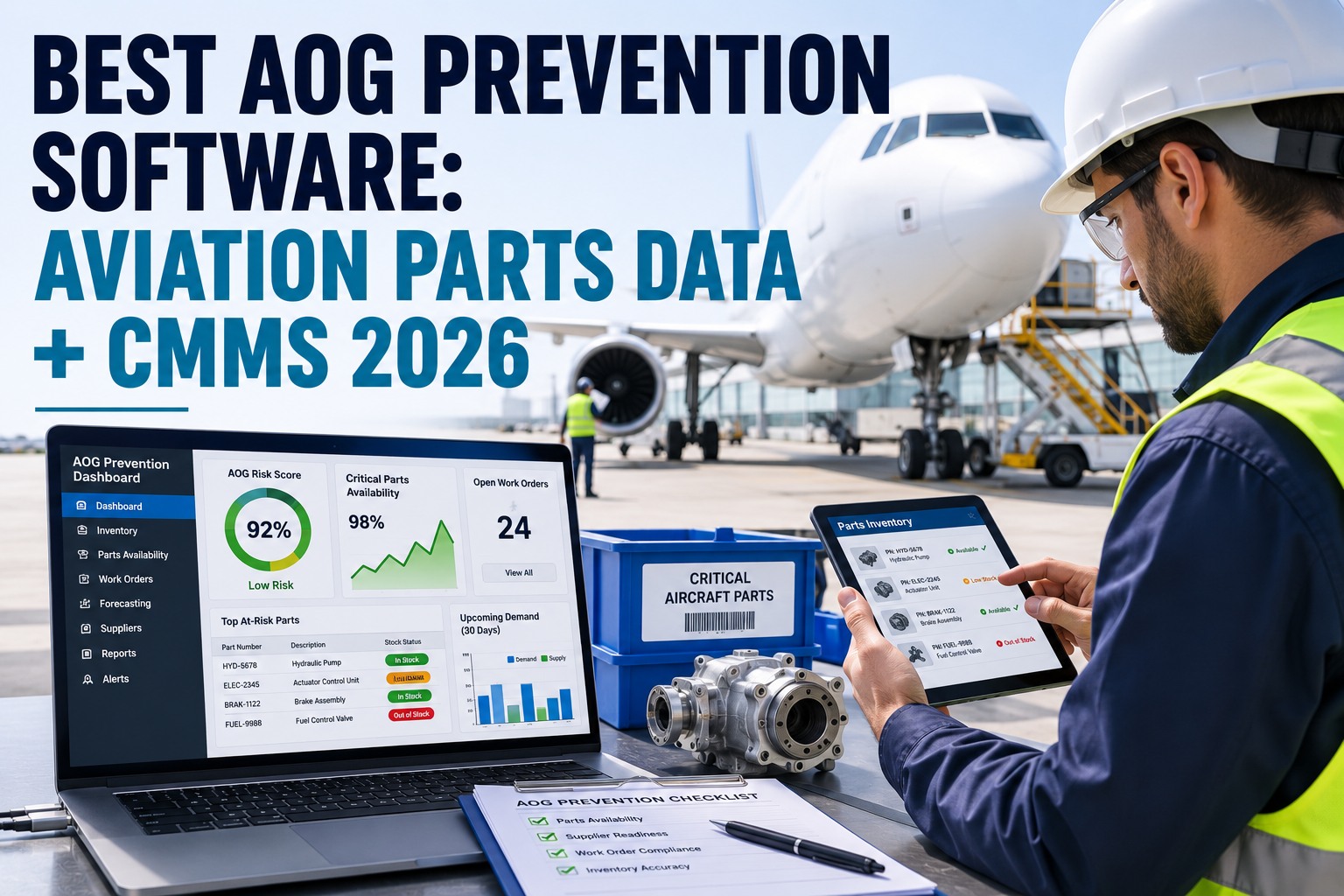
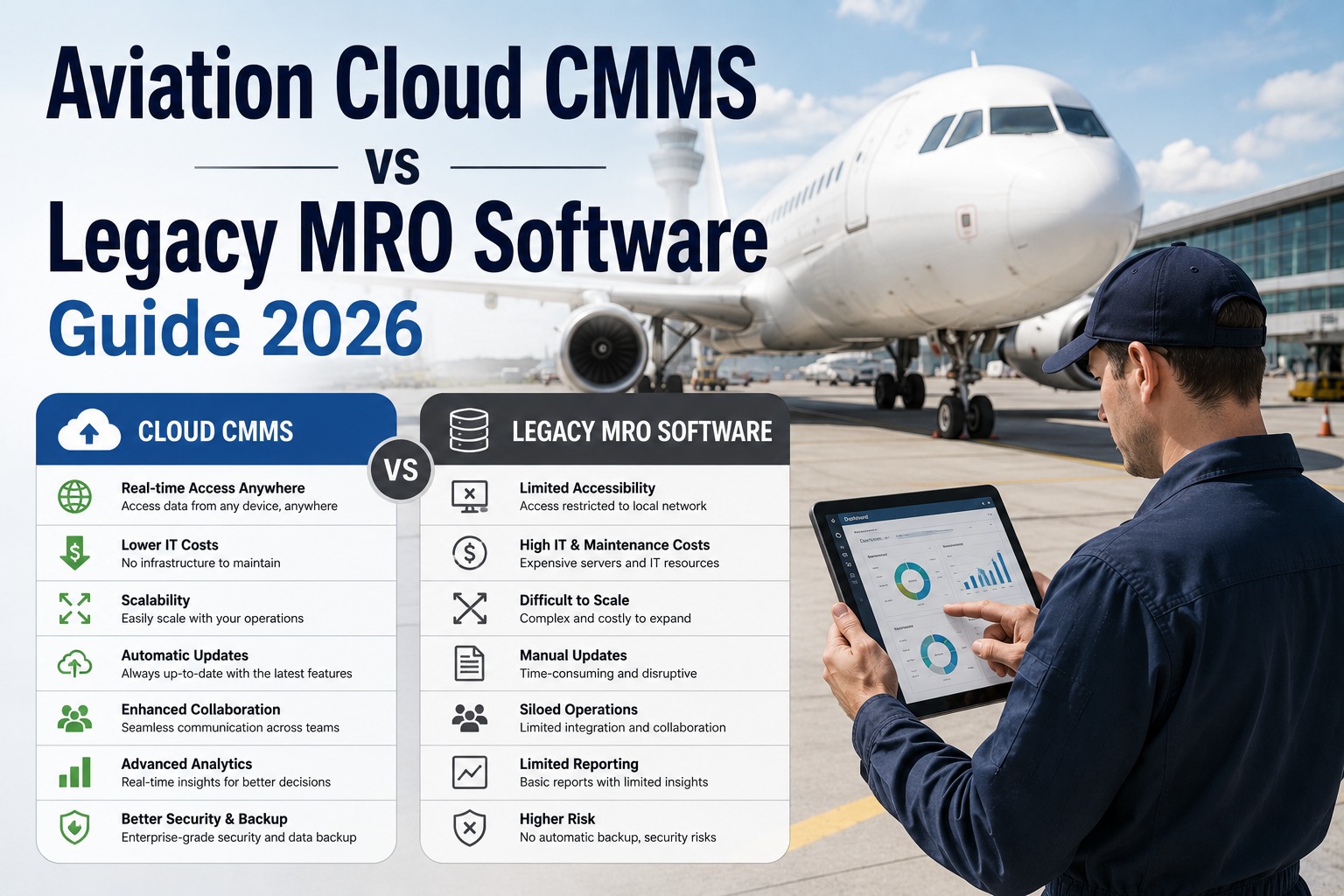
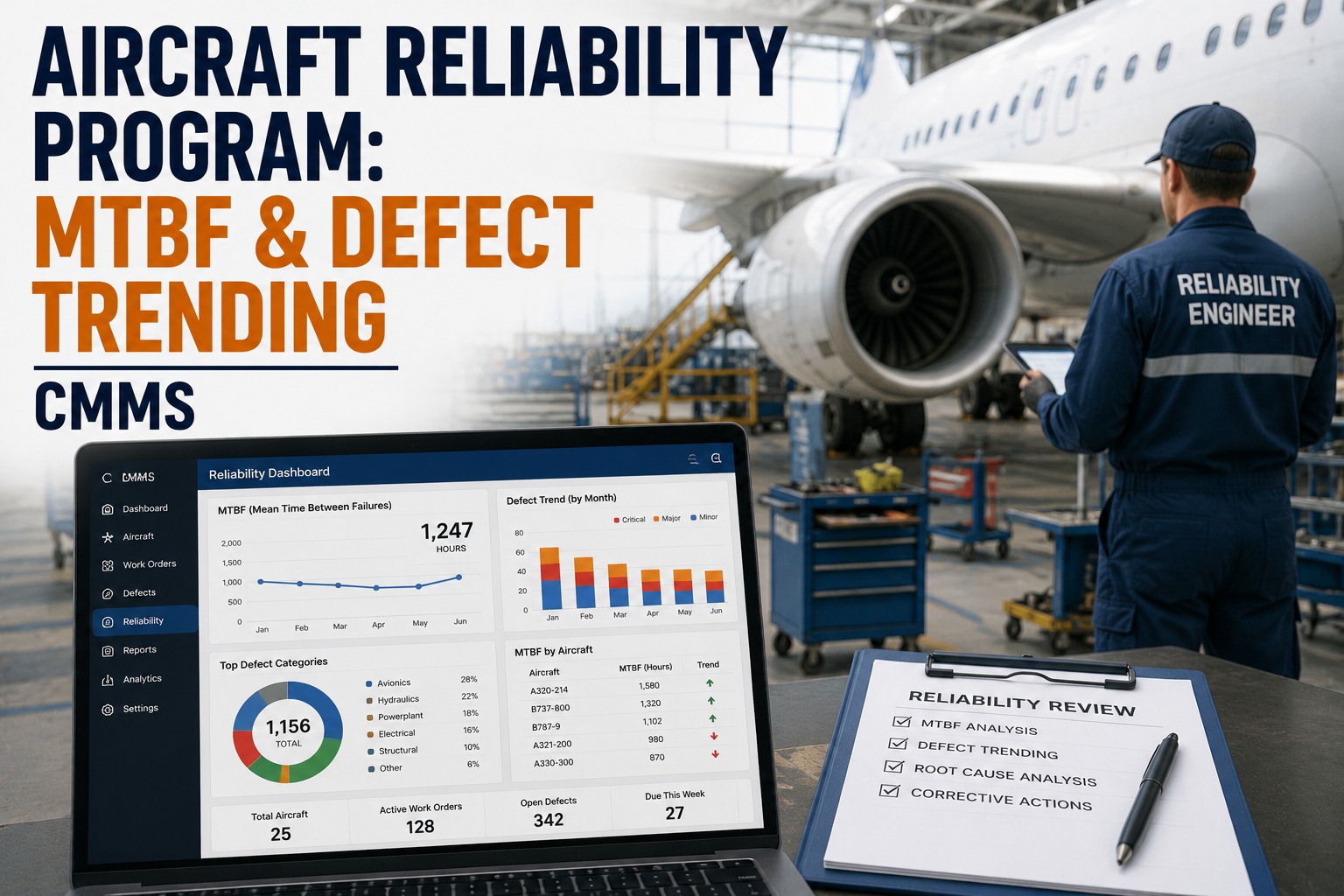
Aviation maintenance programs have never been more consequential — or more data-rich. MSG-3, the Maintenance Steering Group methodology adopted by every major aircraft manufacturer, airline, and airworthiness authority worldwide, defines which maintenance tasks are applicable, effective, and schedulable for every system, structure, and zone of a commercial aircraft. It is the regulatory backbone of every airline maintenance program in operation today. But MSG-3 was architected for a world of periodic engineering review cycles — not one where machine learning systems process billions of operational data points continuously across entire fleets. Artificial intelligence does not displace MSG-3 logic. It makes it faster, sharper, and continuously self-correcting across every tail, every cycle, and every flight hour in real time.
$113B
Global MRO Market by 2028
Up from $81B in 2023
35%
Reduction in Over-Maintenance
AI-optimized MSG-3 interval programs
4.8x
Cost Premium — Reactive vs Planned
Emergency repairs cost 4.8x more
28%
Fewer Unplanned Removals
With continuous interval optimization
AI-Powered Aviation Maintenance
Is Your MSG-3 Program Ready for Machine Learning?
Oxmaint connects fleet history, IoT sensor telemetry, and real-time asset condition data to a platform that continuously sharpens task intervals, detects emerging failure modes, and generates audit-ready documentation — all within your existing regulatory MSG-3 framework.
Methodology Foundation
What Is MSG-3 — And Where Does AI Fit In?
MSG-3 is the task-oriented analysis process used by aircraft manufacturers, airlines, and regulatory authorities to develop the initial scheduled maintenance program for commercial aircraft. It evaluates every system, structure, and zone using a disciplined decision logic to determine which maintenance tasks are applicable, effective, and at what intervals they should be performed. The documented outcome — the Maintenance Review Board Report (MRBR) — is the regulatory foundation every airline builds its maintenance program on.
The structural limitation of MSG-3 is that it was designed for periodic review cycles, typically every two to four years. Aircraft accumulate millions of cycles in between. New failure modes emerge. Operational profiles shift. Material degradation patterns diverge from original engineering assumptions. Machine learning closes this gap — continuously processing fleet sensor data, maintenance findings, and operational parameters to detect interval drift, task inefficiency, and emerging failure signatures in real time rather than years later during a formal revision. Want to see how Oxmaint brings AI into your MSG-3 framework? Start a free trial for 30 days and book a demo with our aviation maintenance specialists today.
01
Systems & Powerplant
Functional failure analysis for all aircraft systems and engines. AI enhances applicability scoring using real operational data streams from every tail.
02
Structural Analysis
Damage tolerance and fatigue analysis for airframe structures. ML models predict crack initiation patterns from load, cycle, and temperature data.
03
Zonal Inspection
General visual inspection of aircraft zones for condition degradation. AI flags zones with anomalous wear patterns before failures reach the inspection threshold.
04
L/HIRF Analysis
Lightning and high-intensity radiated fields protection. IoT-connected sensors provide continuous shielding integrity monitoring between scheduled checks.
The Intelligence Layer
Six Ways Machine Learning Enhances MSG-3 Analysis
01
Continuous Interval Optimization
ML models process fleet-wide usage data, sensor readings, and maintenance findings to recommend statistically justified interval adjustments between formal revision cycles — backed by confidence scores engineers can review and submit to authorities.
02
Predictive Failure Detection
Pattern recognition across millions of sensor data points identifies component degradation signatures weeks before they cross MSG-3 task trigger thresholds — converting potential AOG events into scheduled maintenance with 28% fewer unplanned removals.
03
Task Effectiveness Scoring
AI continuously measures whether each MSG-3 maintenance task is actually detecting and preventing the failure mode it was designed to address. Tasks falling below effectiveness thresholds are flagged for engineering review between formal revision cycles.
04
Fleet-Wide Learning Loops
Every maintenance finding, inspection result, and in-service failure event across the fleet continuously trains the model. A defect detected on one tail immediately improves predictive accuracy for every other tail operating the same type and route profile.
05
Regulatory Evidence Packages
AI-generated statistical evidence packages support interval extension and task revision proposals to airworthiness authorities — replacing conservative engineering assumptions made on limited data with defensible, fleet-backed submissions that accelerate approval timelines.
06
Real-Time Escalation Triggers
When sensor anomalies or inspection findings exceed AI-defined risk thresholds, the system automatically escalates to unscheduled maintenance — ensuring MSG-3 safety boundaries are never breached by data latency or manual monitoring gaps between intervals.
Operational Pain Points
Where Traditional MSG-3 Programs Break Down
Most maintenance programs are built on solid MSG-3 foundations — but operated with tools built before the data availability that MSG-3 was designed to leverage actually existed. The gap between the analytical intent of the methodology and the operational reality of most maintenance organizations creates predictable, preventable failures that compound in cost every revision cycle. If any of the following reflect your current program, start a free trial and see how Oxmaint addresses each one directly, or book a demo with our aviation team today.
!
Static Revision Cycles Miss Live Failure Modes
MSG-3 programs are formally revised every 2–4 years. New failure modes, material degradation patterns, and operational profile changes accumulate between cycles with no systematic mechanism to incorporate real-time fleet learning into the active program.
!
Conservative Intervals Drive Over-Maintenance
Without real-time data, intervals are set conservatively to cover worst-case operational scenarios. For most aircraft in average operations, this means performing maintenance 20–35% more often than actual condition requires — generating millions in avoidable labor costs annually.
!
Fragmented Data Ecosystems Slow Every Decision
Maintenance findings, sensor telemetry, operational data, and inspection records exist in separate systems with no unified analysis layer. Cross-referencing for MSG-3 revision preparation alone takes weeks of manual effort — and the data is already out of date when the revision is published.
!
Escalation Program Tracking Is Inconsistent
Escalation programs — designed to progressively extend intervals when tasks consistently produce no findings — require systematic fleet-wide tracking. Without digital tooling, escalation decisions are inconsistent across maintenance bases and poorly documented for regulatory review.
!
Compliance Documentation Creates Audit Exposure
MSG-3 compliance requires complete traceability from task requirement to maintenance execution. Paper-based and hybrid systems routinely produce documentation gaps that generate regulatory findings during authority visits — some resulting in aircraft grounding pending remediation.
!
No Cross-Fleet Learning Between Operators
Airlines operating the same type on different routes accumulate failure pattern data that could benefit the entire type fleet. Without AI aggregation, each operator learns the same lessons independently — and the MRO industry estimates $50 billion annually in inefficiencies that shared fleet intelligence could eliminate.
Platform Capability
How Oxmaint Brings AI Into Your MSG-3 Program
Oxmaint is the operational intelligence platform that connects MSG-3 program logic, fleet asset data, IoT sensor telemetry, and maintenance execution into a single, continuously improving data loop. It is not a replacement for your engineering processes — it is the data infrastructure that makes those processes faster, more accurate, and continuously audit-ready without implementation complexity or multi-month onboarding. See the full capability in action by starting a free trial or booking a demo with our aviation team.
Asset Intelligence
Full Asset Registry with Component History
Every airframe, engine, LRU, and rotable tracked with serial numbers, installation history, cycle counters, and live condition scores. The complete data foundation that MSG-3 AI analysis requires — always current, never siloed.
AI Analysis Engine
Continuous Interval Optimization
ML models process live fleet data against MSG-3 task logic to identify intervals ready for tightening or extension — with statistical confidence scores that support engineering review and authority submission packages.
IoT & SCADA Integration
Real-Time Sensor Data to Work Orders
Live sensor and SCADA connections stream telemetry directly into Oxmaint. Threshold breaches automatically generate condition-based work orders — without waiting for the next scheduled MSG-3 task interval to surface the issue.
Predictive Analytics
Failure Mode Pattern Recognition
Pattern recognition across fleet sensor and maintenance data identifies component degradation signatures before MSG-3 task thresholds are reached — turning reactive AOG removals into scheduled events with full parts staging.
Work Order Management
MSG-3 Task-Linked Work Orders
Every work order linked to its MSG-3 source task, interval requirement, and technician history. Full digital signature capture and timestamping at point of completion for complete regulatory traceability.
Digital Inspections
GMP-Compliant Structured Inspection Records
Structured digital inspection forms with photo capture, defect classification, and severity scoring. Every finding automatically creates a linked corrective work order — no paper, no transcription delay, no documentation gap.
CapEx Forecasting
Rolling 5–10 Year Asset Lifecycle Planning
Asset condition scores and lifecycle data drive automated CapEx forecasting models. Replace annual budget guesswork with investor-grade replacement planning tied directly to MSG-3 life limits and actual component condition.
Compliance Engine
Audit-Ready Documentation by Default
Every maintenance action, inspection, parts transaction, and sign-off captured with full timestamps and digital signatures. Regulatory audit reports — filtered by aircraft, date, work type, or technician — assembled in seconds, not days.
Side by Side
Traditional MSG-3 Program vs MSG-3 with Oxmaint AI
Measurable Impact
ROI From AI-Optimized MSG-3 Programs
35%
Reduction in Over-Maintenance
Condition-based triggers replace conservative fixed intervals, eliminating the unnecessary maintenance overhead built into programs designed for worst-case operational assumptions
4.8x
Cost Premium for Reactive Work
Emergency unplanned maintenance events cost 4.8 times more than scheduled events. AI-enhanced MSG-3 programs keep assets on the planned maintenance track instead of the AOG response track
28%
Fewer Unplanned Removals
Predictive analytics convert unscheduled component failures into planned maintenance events — reducing last-minute logistics costs and AOG time that traditional fixed-interval programs cannot prevent
60%
Faster Audit Documentation
Regulatory documentation requests that previously required 3–5 days of manual record assembly are fulfilled in minutes using Oxmaint's filtered export and digital signature tools
Common Questions
Frequently Asked Questions
What is MSG-3 and how does AI improve it without changing the regulatory methodology?
MSG-3 is the task-oriented analysis process used to develop the initial scheduled maintenance program for commercial aircraft — defining which tasks are applicable and effective for each system, structure, and zone at specific intervals. AI does not alter this regulatory logic. It improves the quality and timeliness of the data feeding into it. Machine learning identifies emerging failure patterns, measures task effectiveness continuously, and provides statistically defensible data packages for interval adjustments — all within the existing regulatory framework. The MSG-3 structure remains intact; the analysis that drives it becomes more accurate and more current between formal revision cycles. Want to see how this works in practice?
Start a free trial or
book a demo with our aviation maintenance team today.
How does Oxmaint integrate with an existing airline maintenance program and fleet data systems?
Oxmaint connects to existing fleet data systems, maintenance records, and IoT sensor networks via standard APIs and SCADA integration. Asset registries, maintenance histories, and existing task cards migrate into the platform during onboarding — typically completed in 2–4 weeks for initial deployment. IoT sensor threshold alerts automatically generate tracked work orders. Inspection findings feed directly into asset condition records. The platform is mobile-first and multi-site capable, operating across maintenance bases and line stations simultaneously. Teams are typically running fully digital work orders within the first week, with no heavy implementation fees or multi-month onboarding delays.
Can AI-generated interval change recommendations support regulatory submissions to airworthiness authorities?
Yes. One of Oxmaint's core capabilities is generating statistically defensible data packages for interval extension and task revision proposals. The platform captures complete maintenance findings, task effectiveness scores, and fleet utilization data — formatted for engineering review and authority submission. AI recommendations are presented as engineering intelligence for qualified maintenance professionals to evaluate — not automated changes to the approved program. All regulatory approvals remain with the appropriate authority, and Oxmaint's documentation tools ensure every step is fully traceable and audit-ready from first analysis to final approval.
Is Oxmaint suitable for both airline operators and MRO contractors running MSG-3-derived programs?
Yes. Oxmaint is built for both environments. For airline operators, the platform manages the full maintenance program — from MSG-3 task scheduling through work order execution, digital inspection, and compliance reporting — across single-base and multi-hub operations. For MRO contractors, the multi-site, multi-client architecture supports simultaneous management of aircraft from multiple airline customers, with role-based access that keeps each client's asset data fully segregated. Work order management, parts traceability, and audit exports are all segmented by operator — making Oxmaint deployable across the full MRO ecosystem in Part 145 and Part M operational environments.
The Time to Act Is Not the Next Revision Cycle
MSG-3 Was Built on Engineering Rigor. AI Keeps It Current.
Every year your maintenance program operates on static intervals, you are carrying the accumulated cost of over-maintenance on tasks your fleet has outgrown — and the accumulated risk of under-maintenance on failure modes your program has not yet seen. Oxmaint connects your MSG-3 logic to the continuous data streams that make it work the way it was designed: with real evidence, on every tail, every cycle, in real time across your entire operation.