Robotic aircraft inspection systems — crawlers, robotic arms, and mobile scanning robots — are transforming MRO by delivering repeatable, high-coverage inspections that humans simply can't match for consistency. These automated aircraft inspection robots scan fuselages, probe composites, and access confined engine spaces while capturing millimeter-accurate digital records. For QA managers and MRO operators, the question isn't whether robotic inspection works — it's how to pilot it without disrupting your existing inspection expertise. This guide covers real-world use cases, technology comparisons, integration with digital maintenance records, and a practical adoption roadmap. Whether you're evaluating your first robot aircraft scanning system or scaling an existing program, Start Free Trial to see how OxMaint centralizes robotic inspection data with your work orders and asset history.
Can Robots Inspect Aircraft Faster, Safer, and More Consistently Than Manual Methods?
Robotic MRO inspection is no longer experimental. Leading MROs now deploy crawlers and scanning robots that cut inspection time by 40–60%, eliminate human access risks in confined spaces, and generate audit-ready digital records automatically.
Where Robotic Aircraft Inspection Delivers the Biggest ROI
Robotic aviation inspection excels in three high-value scenarios where manual methods are slow, risky, or inconsistent. MROs report the fastest payback when they target these applications first.
Composite Structure Inspection
Robotic crawlers with ultrasonic and thermography sensors scan composite fuselages and wings for delamination, voids, and impact damage. A single robot can map a 787 fuselage section in 3–4 hours vs. 12+ hours manually, with 100% surface coverage and zero missed zones.
Fuselage & Wing Scanning
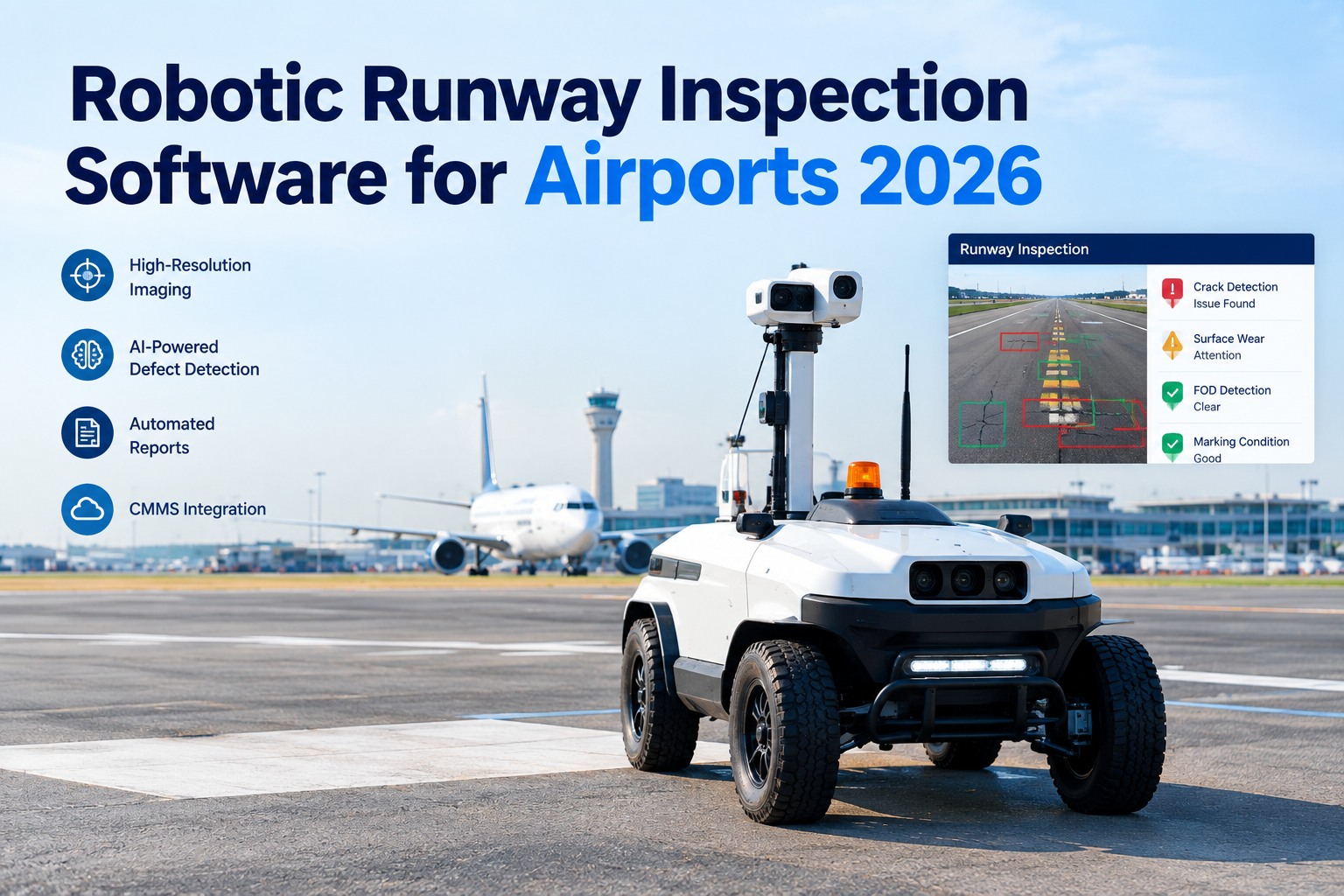
Mobile robots with LiDAR and high-res cameras perform exterior visual inspections, detecting dents, corrosion, paint defects, and fastener issues. Automated aircraft inspection robots generate georeferenced defect maps that feed directly into your CMMS for work order creation.
Confined Space & Engine Access
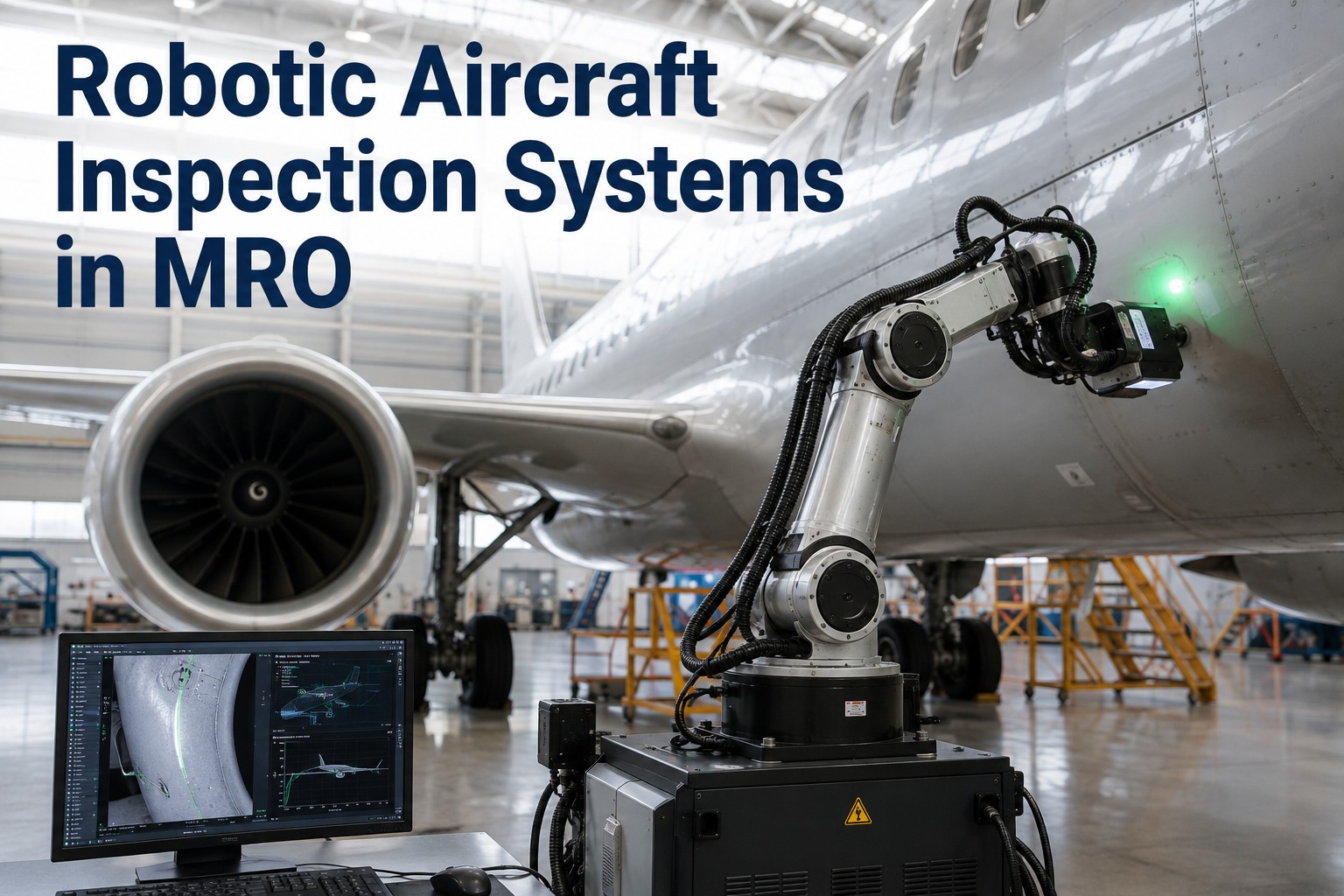
Small robotic arms and borescopes-on-rails inspect fuel tanks, engine cores, and APUs without human entry. This eliminates confined-space permits, reduces inspection time from days to hours, and removes ergonomic injury risk for technicians.
Crawlers vs. Arms vs. Mobile Robots: Which Aircraft Inspection Robot Fits Your MRO?
Not all robotic inspection systems are built the same. The right choice depends on your aircraft mix, inspection types, and facility layout. Here's how the three main categories compare.
| Robot Type | Best For | Typical Sensors | Deployment Time | Cost Range |
|---|---|---|---|---|
| Climbing Crawlers | Vertical fuselage & wing surfaces | Ultrasonic, eddy current, cameras | 2–4 hours setup | $80K–$250K |
| Robotic Arms (Fixed) | Engine components, landing gear | Borescope, 3D scanning, thermal | Permanent install | $150K–$500K |
| Mobile Ground Robots | Exterior visual, LiDAR mapping | LiDAR, HD cameras, AI defect detection | 30 min setup | $100K–$300K |
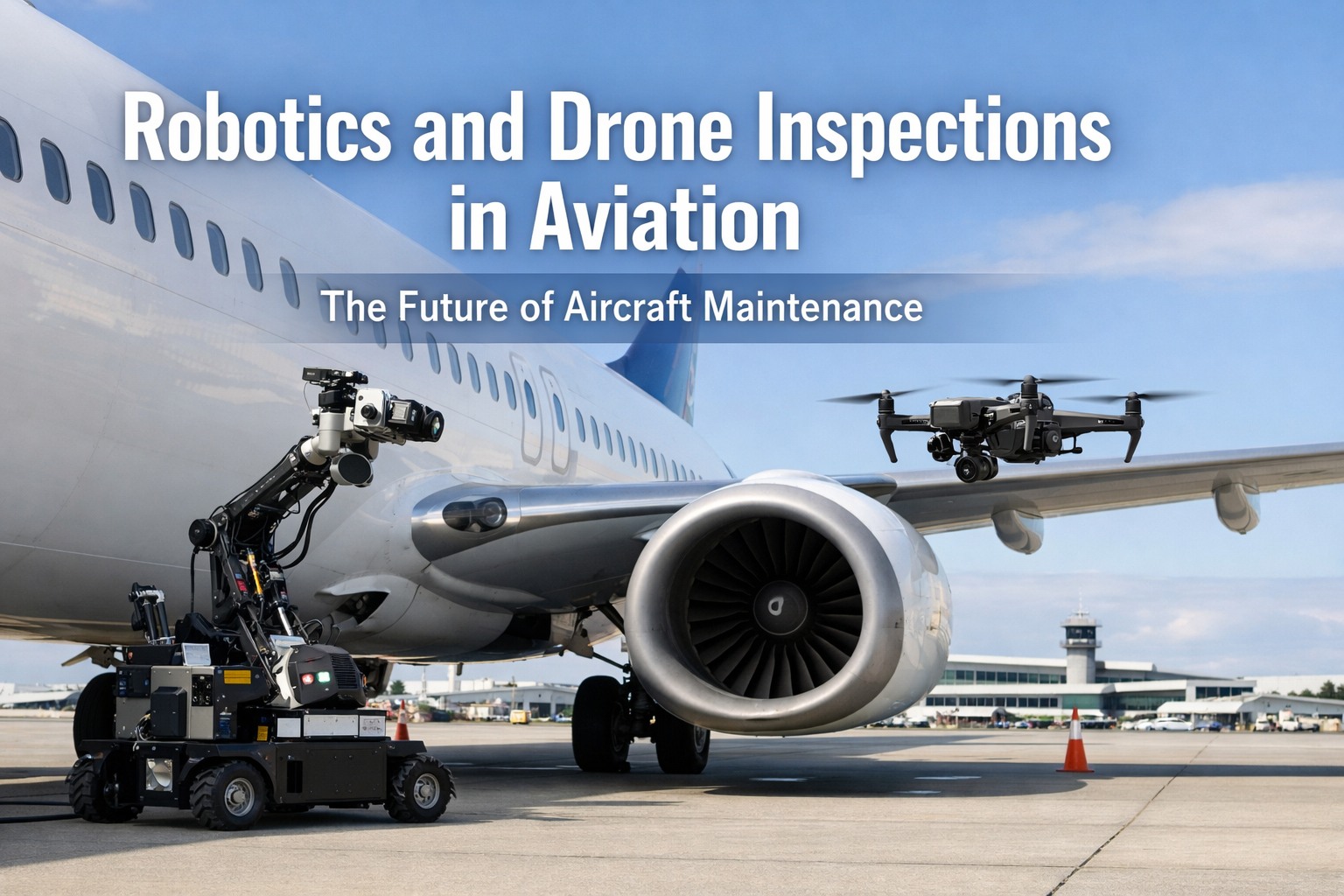
| Hybrid Drone-Crawlers | Hard-to-reach areas (tail, upper fuselage) | Visual, thermography, ultrasonic | 1–2 hours setup | $120K–$350K |
How to Connect Robotic Inspection Data to Your Maintenance Records
The biggest mistake MROs make is treating robotic inspection as a standalone tool. The real value comes when scan data flows directly into your CMMS, triggering work orders and updating asset history automatically.
Standardize Defect Taxonomy
Before deploying robots, align your defect classification (dent, crack, corrosion, delamination) with your CMMS failure codes. This ensures robotic findings map cleanly to work order types and priority levels.
Georeference Findings to Asset Hierarchy
Robotic scans should tag every defect with aircraft tail number, zone, and station coordinates. OxMaint's asset hierarchy lets you drill from fleet → aircraft → zone → specific finding in one click.
Automate Work Order Creation
Set threshold rules so critical defects (e.g., crack > 0.5mm) auto-generate high-priority work orders with attached scan images. Minor findings queue for next scheduled check.
Build Trend Dashboards
Track defect rates by aircraft, zone, and inspection type over time. Predictive analytics flag zones with accelerating damage so you can adjust inspection intervals proactively.
See How OxMaint Integrates Robotic Inspection Data
Book a 30-minute demo and we'll show you how leading MROs connect robot scans to work orders, asset history, and compliance reporting — all in one platform.
How to Pilot Robotic Aircraft Inspection Without Displacing Your Team
The most successful robotic MRO inspection programs augment human expertise rather than replace it. Follow this 6-month phased approach to build buy-in and prove ROI before scaling.
Baseline & Pilot Selection
Document current inspection time, labor cost, and defect detection rate for one aircraft type. Select a single high-value use case (e.g., composite fuselage scan) and one robot platform. Involve your senior inspectors in vendor evaluation.
Parallel Run & Validation
Run robotic and manual inspections side-by-side on 3–5 aircraft. Compare defect detection rates, time, and cost. Your inspectors validate robotic findings and train the AI on false positives. Expect 85–95% agreement by aircraft #3.
CMMS Integration & Workflow Design
Connect robot output to OxMaint. Configure auto-work-order rules, defect thresholds, and reporting dashboards. Train planners and QA on the new data flow.
Go-Live & ROI Measurement
Shift to robotic-primary inspection for your pilot use case. Track time savings, labor reallocation, and defect capture rate. Most MROs see 35–50% inspection cost reduction and 20–30% faster turnaround within 90 days.
Turn Robotic Inspection Data Into Actionable Maintenance Intelligence
OxMaint is the central nervous system for your robotic inspection program — ingesting scan data, automating work orders, and giving you fleet-wide visibility into aircraft condition.
Automated Work Order Generation
Robotic findings auto-create prioritized work orders with attached images, location data, and defect classification. Eliminate manual data entry and cut planning time by 60%.
Asset History & Trend Analysis
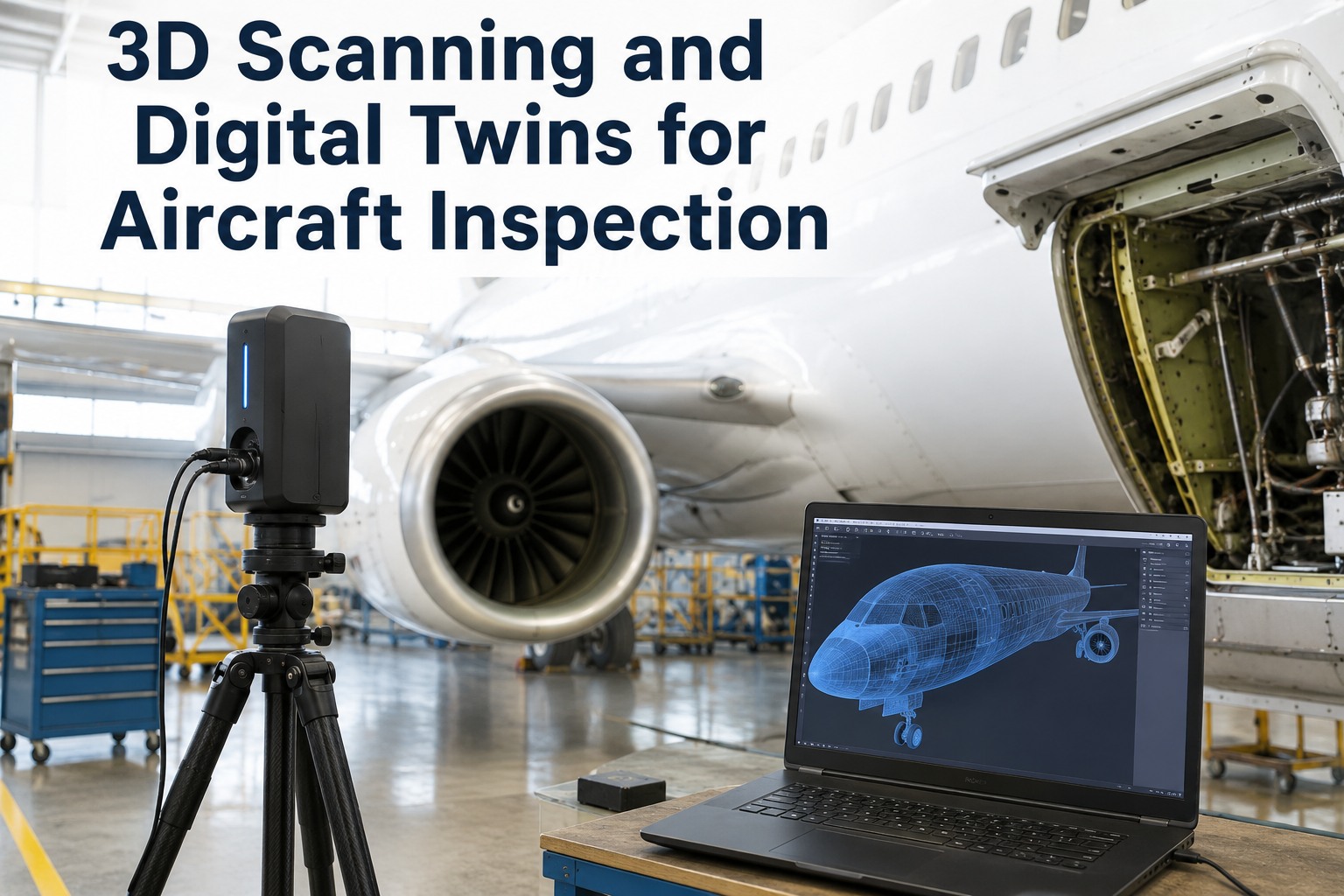
Every robotic scan updates the asset's digital twin. Track defect rates by zone, predict recurring issues, and optimize inspection intervals based on real condition data.
Compliance & Audit Trails
Generate FAA/EASA-ready inspection reports with complete traceability from robot scan → finding → work order → sign-off. Cut audit prep time from days to minutes.
Mobile Access for Inspectors
Inspectors review robotic findings on tablets at the aircraft, add notes, and approve work orders in real time. No more paper forms or double data entry.
Robotic Aircraft Inspection: Your Questions Answered
How much does a robotic aircraft inspection system cost?
Entry-level mobile robots start around $100K, while advanced climbing crawlers with ultrasonic sensors run $200K–$350K. Most MROs achieve payback in 12–18 months through labor savings and faster turnaround. Leasing and robot-as-a-service (RaaS) models are also emerging to lower upfront cost.
Do robots replace human inspectors in MRO?
No — robotic inspection augments human expertise. Robots handle repetitive scanning and data capture, while certified inspectors validate findings, make airworthiness decisions, and handle complex repairs. The best programs retrain inspectors as robot operators and data analysts, increasing their value.
What types of defects can robotic inspection detect?
Modern aircraft inspection robots detect cracks, corrosion, dents, delamination, paint defects, fastener issues, and lightning strike damage. Ultrasonic and thermography sensors find subsurface flaws invisible to the naked eye. AI-powered vision systems achieve 90–95% detection accuracy for common defects.
How do I integrate robotic inspection data with my CMMS?
Look for robots with open APIs or standard data export (JSON, XML, CSV). OxMaint accepts direct integration via API or batch upload, automatically mapping findings to your asset hierarchy and triggering work orders. Book a Demo to see the integration workflow live.
Are robotic inspections accepted by aviation regulators?
Yes, when properly validated. FAA and EASA accept robotic inspection data if the system is calibrated, operators are trained, and findings are verified by certified inspectors. Document your validation process and maintain traceability from robot scan to inspector sign-off — OxMaint automates this audit trail.
Ready to Modernize Your Aircraft Inspection Program?
Join leading MROs using OxMaint to centralize robotic inspection data, automate work orders, and cut inspection costs by 40%. Start your free trial or book a personalized demo today.