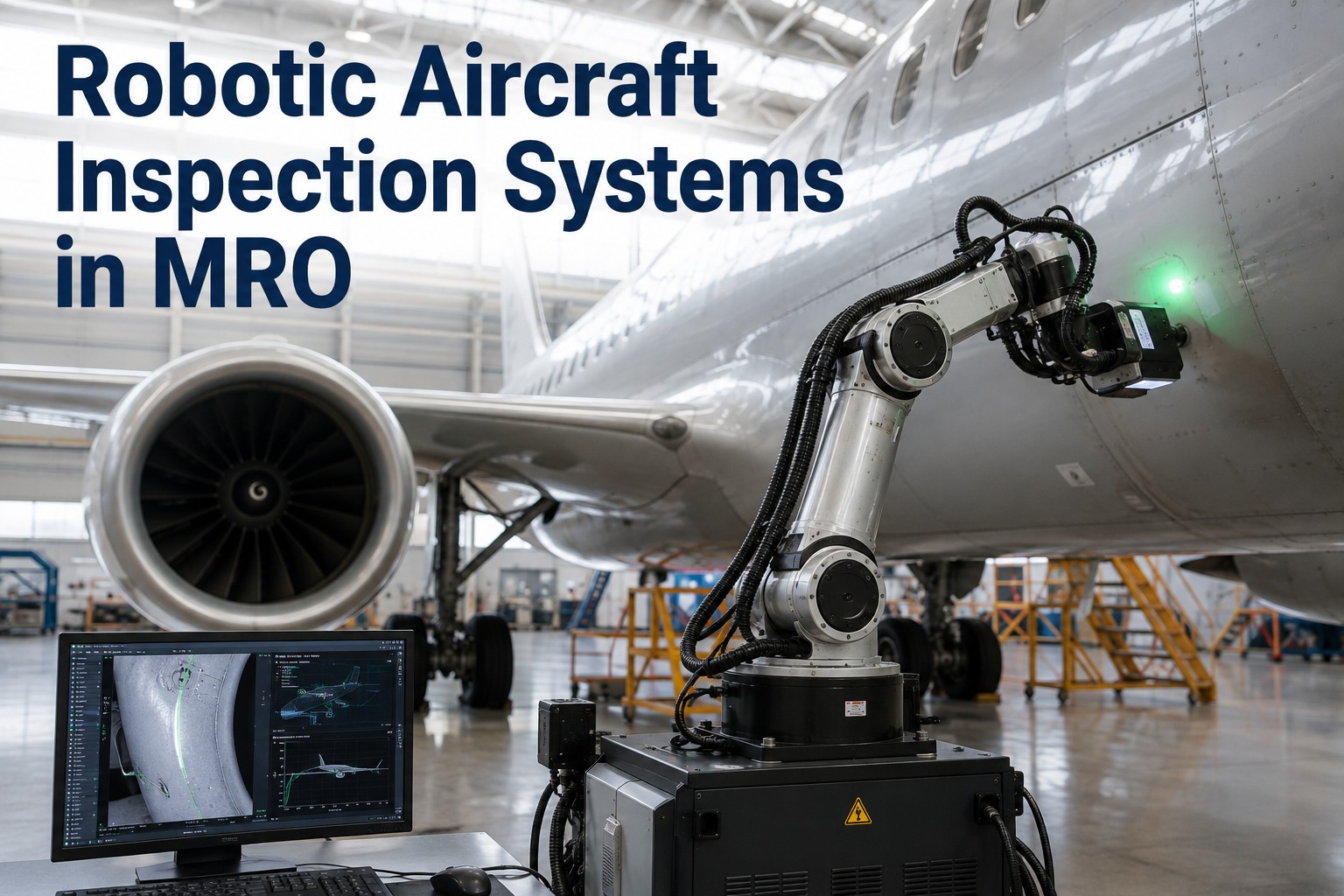
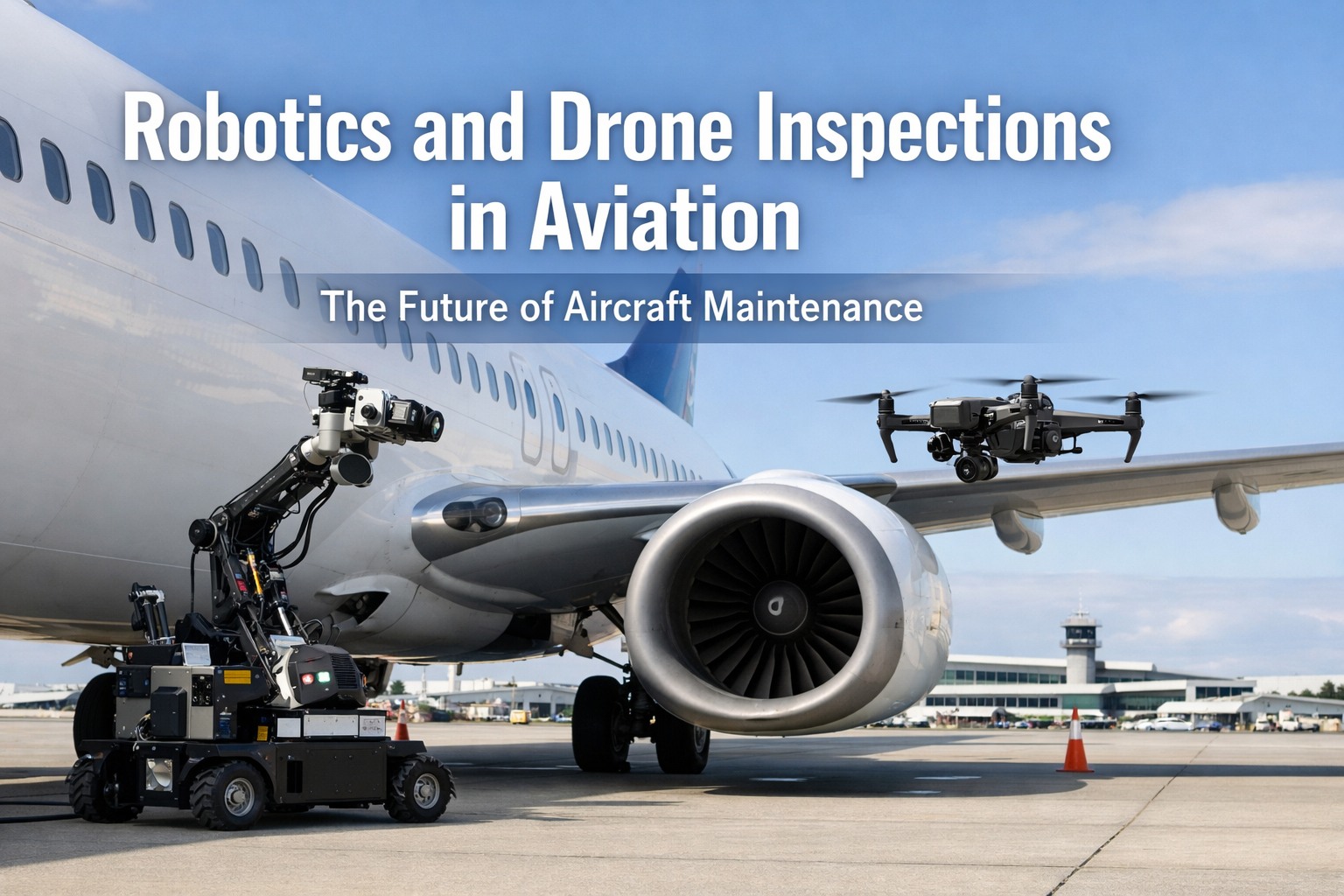
Aircraft repainting represents 6 to 9 percent of total heavy maintenance spend at large MRO facilities, and the process has remained largely unchanged for decades — manual spray crews, 40 to 60 percent overspray waste rates, and hangar bay occupancy times stretching to three weeks per aircraft. Robotic aircraft painting systems deployed across leading MRO operations in 2026 are cutting those figures sharply: automated multi-axis spray systems complete a full narrow-body repaint in 4 to 6 days, bring paint waste below 12 percent, and produce dry film thickness consistency within 2 microns of specification across the entire fuselage without manual touchup. This guide covers how robotic painting automation works in aviation MRO, what the 2026 performance benchmarks look like, and how a modern CMMS platform sustains the performance of robotic painting assets across multi-bay and multi-site operations — because a robot that misses its PM schedule fails exactly as fast as the crew it replaced.
Keep Robotic Painting Systems at Peak Performance — Track Every Asset, Schedule Every PM, Forecast Every Cost
Oxmaint gives MRO operations managers a complete CMMS built for high-value industrial assets like robotic painting systems. Register equipment, schedule preventive maintenance, manage work orders, and produce rolling CapEx forecasts — deployed in 18 days with no IT overhead and measurable throughput gains from the first month of go-live.
What Are Robotic Aircraft Painting Systems?
Automated multi-axis systems that apply primer, basecoat, topcoat, and livery paint to aircraft surfaces with programmed precision — replacing or augmenting manual spray crews in MRO hangar environments and delivering consistent, audit-ready results at every cycle.
A robotic aircraft painting system combines industrial multi-axis robotic arms, high-transfer-efficiency spray atomizers, and real-time dry film thickness sensors to apply aircraft coatings with sub-millimeter accuracy across the entire fuselage. Surface preparation robots handle depainting, sanding, and chemical cleaning in the same automated workflow. Modern systems timestamp and log every coating layer, application parameter, temperature and humidity condition, and DFT reading directly into the maintenance record — satisfying EASA Part-145 and FAA AC 43.13-1B documentation requirements without any manual entry. For MRO operators managing high-volume repainting cycles, robotic painting automation is the single largest lever available to cut bay occupancy time, reduce material waste, and improve first-pass quality. To see how Oxmaint tracks the full maintenance lifecycle of robotic painting assets in your facility, start a free trial and explore the asset registry module live with your own equipment inventory or book a 30-minute demo with our MRO asset management specialists.
How a Robotic Aircraft Painting System Operates: Four Critical Phases
Understanding the four production phases of robotic painting helps MRO managers identify where automation delivers the greatest throughput and quality gains — and where asset maintenance is most critical to sustaining performance over time.
Four Cost Drivers Draining MRO Painting Operations Every Cycle
These four structural problems cost aviation MRO operators real money on every aircraft that rolls into a painting bay. Each is documented, quantifiable, and eliminated by robotic automation — but only when the robotic systems themselves are actively maintained and managed.
Eight Capabilities That Keep Robotic Painting Systems Running at Full Performance
Robotic painting systems are high-value industrial assets with demanding maintenance schedules. Oxmaint gives MRO operations managers the complete CMMS toolkit to keep painting robots at specification — and to track the ROI of every maintenance dollar against actual throughput and quality data.
All eight modules activate from day one with no third-party integrations required for core functionality. The fastest way to see how Oxmaint maps to your painting facility's asset structure and maintenance schedule is a live session with your real equipment data — start a free trial and explore every module against your actual painting bay inventory, or book a 30-minute demo and our MRO team will build out your facility structure live on screen.
Manual Aircraft Painting vs Robotic Automation: The Full Operational Comparison
The financial and throughput gap between manual and robotic painting widens every year as labor costs rise and aircraft cycle time requirements tighten. Where does your current painting operation sit on this spectrum?
| Performance Dimension | Manual Painting — Legacy | Robotic Automation — 2026 |
|---|---|---|
| Narrow-body repaint cycle time | 14 to 21 days per aircraft | 4 to 6 days — 60% reduction |
| Paint material waste rate | 40 to 60% overspray waste | Below 12% with HVLP and electrostatic |
| Dry film thickness (DFT) consistency | 15 to 25% variation across fuselage | Within 2 microns of specification |
| First-pass quality and rework rate | 12 to 18% of surfaces require rework | Below 2% with AI vision inspection |
| Worker VOC and chemical exposure | 6 to 8 hours direct exposure per painter/shift | Near-zero — enclosed automated spray cells |
| Maintenance documentation | Manual records — audit prep takes 4 to 8 hours | Auto-generated — audit-ready in real time |
| Labor cost per full repaint | $28,000 to $55,000 per aircraft cycle | $9,000 to $18,000 per aircraft cycle |
| Annual bay throughput (20-bay facility) | 34 to 42 aircraft per year | 85 to 110 aircraft per year |
What MRO Painting Operations Achieve With Robotic Automation and Oxmaint Asset Management
Questions From MRO Painting Operations Managers
How long does it take to install a robotic painting system in an existing MRO hangar?
A full robotic painting system installation in an existing MRO hangar bay typically requires 6 to 14 months from contract to first production use, depending on bay geometry, overhead rail system design, and electrical infrastructure. Surface preparation robot retrofits can be completed in 3 to 5 months. The critical post-installation step is building the asset management and preventive maintenance framework for the new equipment — this is where most facilities lose the efficiency gains they purchased. Facilities that deploy Oxmaint alongside the robotic installation start tracking PM schedules, spare parts, and OEE from day one rather than discovering 6 months later that maintenance records are scattered across spreadsheets and email chains. To see how the onboarding process maps to a painting facility of your specific configuration, book a 30-minute demo and our MRO team will walk through your specific bay layout and equipment list live on screen.
What preventive maintenance does a robotic aircraft painting system require?
Robotic painting systems carry demanding maintenance schedules that most MRO facilities underestimate at procurement. Spray nozzles and atomizer heads require inspection and replacement every 200 to 400 spray hours. Robot joint seals and wrist assemblies need lubrication and condition inspection every 500 to 1,000 operating cycles. Rail system drives require alignment checks and bearing replacement every 12 to 18 months. Paint supply system filters, pressure regulators, and fluid lines need flushing and inspection on weekly and monthly cycles. Control system software updates and calibration routines must be scheduled against production blocks to avoid mid-cycle interruptions. Facilities managing robotic painting PM through spreadsheets and wall calendars see failure rates 3 to 5 times higher than those using a structured CMMS. Oxmaint builds all of these schedules from OEM service data on day one, with PM alerts tied to operating cycle counters, calendar intervals, and condition readings — no manual tracking required. Start a free trial and see how Oxmaint builds the PM schedule for your specific painting robot models at no cost during onboarding.
Can Oxmaint track both robotic and manual painting bay equipment on the same platform?
Yes — Oxmaint handles any industrial asset class within a single facility or multi-site portfolio hierarchy. A facility transitioning from manual to robotic painting can track both manual spray booth equipment (ventilation systems, compressor banks, mixing stations, lighting rigs) and robotic systems (arms, controllers, conveyors, inspection scanners) on one platform with separate PM schedules, work order queues, and cost tracking per asset class. As robotic systems are added and manual equipment is retired, the asset hierarchy updates in real time. CapEx forecasting models in Oxmaint automatically compare the maintenance cost trend of aging manual equipment against the projected ROI of robotic replacement — giving leadership the data to make the capital argument for automation with precision, backed by actual facility cost history rather than vendor estimates. Start your free trial and our onboarding team will set up the comparison model using your facility's own equipment data.
How do robotic painting systems meet EASA Part-145 and FAA AC 43.13 surface treatment specifications?
Modern robotic painting systems meet EASA Part-145 and FAA AC 43.13-1B requirements through three built-in mechanisms. Automated DFT measurement and logging produces a continuous, timestamped record of coating thickness at every fuselage section — eliminating the spot-check documentation gaps that create compliance exposure in manual records. Environmental condition logging captures temperature, humidity, and dew point throughout every coating application phase and attaches data directly to the work record. Digital sign-off workflows capture the certifying engineer's approval against the specific coating specification and aircraft tail number in a tamper-proof audit trail. Oxmaint integrates with robotic painting system data outputs to pull these records into the aircraft maintenance file automatically — no manual transcription, no data entry risk. Facilities audited under EASA Part-145 after deploying Oxmaint alongside robotic painting systems have reported zero documentation findings in subsequent regulatory audits. Book a demo and see how the compliance documentation workflow is configured for your regulatory environment.
Your Robotic Painting Systems Are Only as Good as the Maintenance Program Behind Them
A robotic painting system that misses its PM schedule fails at the worst possible time — mid-cycle, with an aircraft in the bay and an airline customer on a deadline. Oxmaint gives MRO operations managers the full CMMS toolkit to register every painting asset, schedule every PM interval, manage every work order, and forecast every capital cost — deployed in 18 days with no IT overhead, no implementation fees, and measurable throughput gains from the first month of go-live.
Trusted by MRO operations worldwide · GDPR Compliant · SOC 2 Certified · EASA and FAA Ready