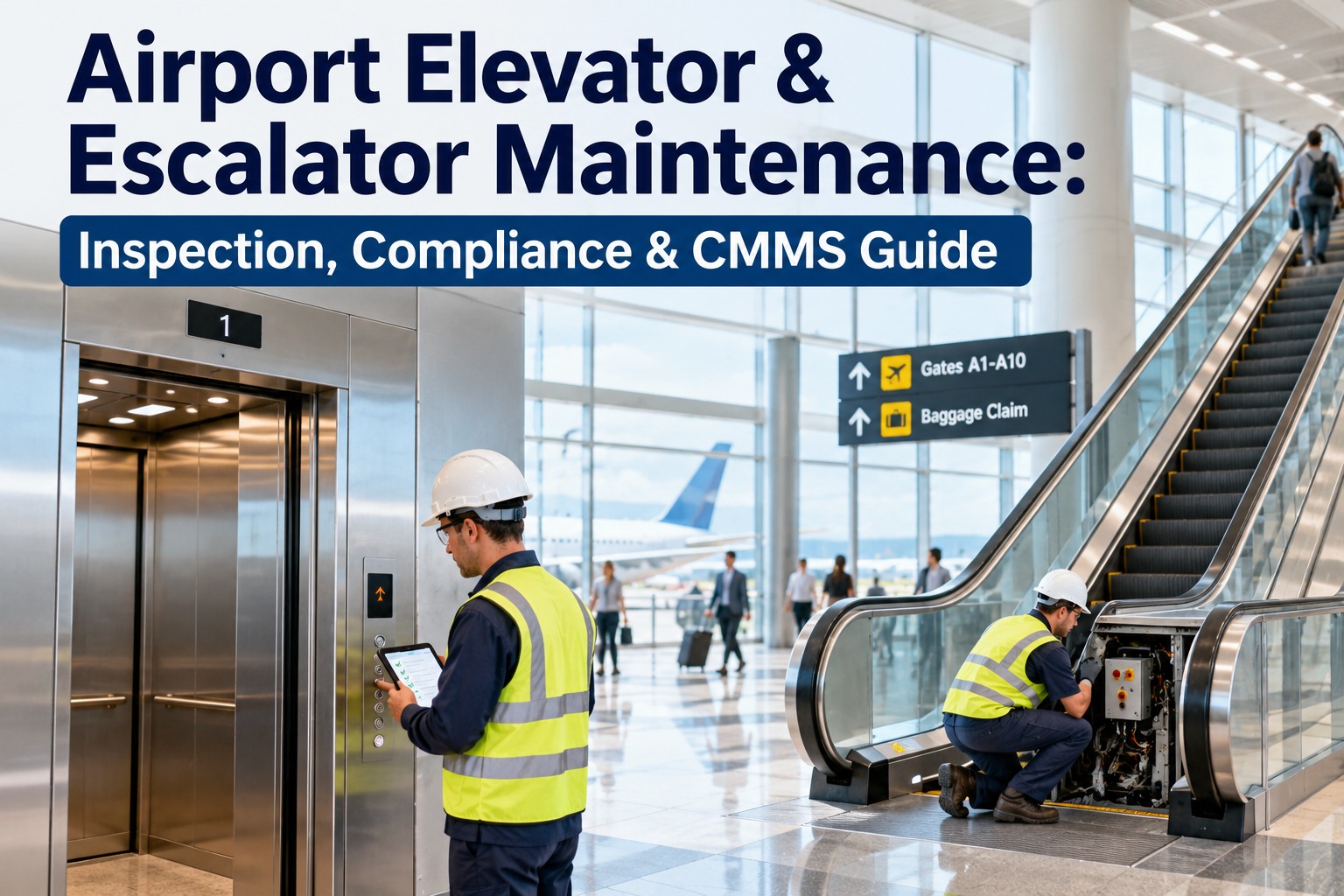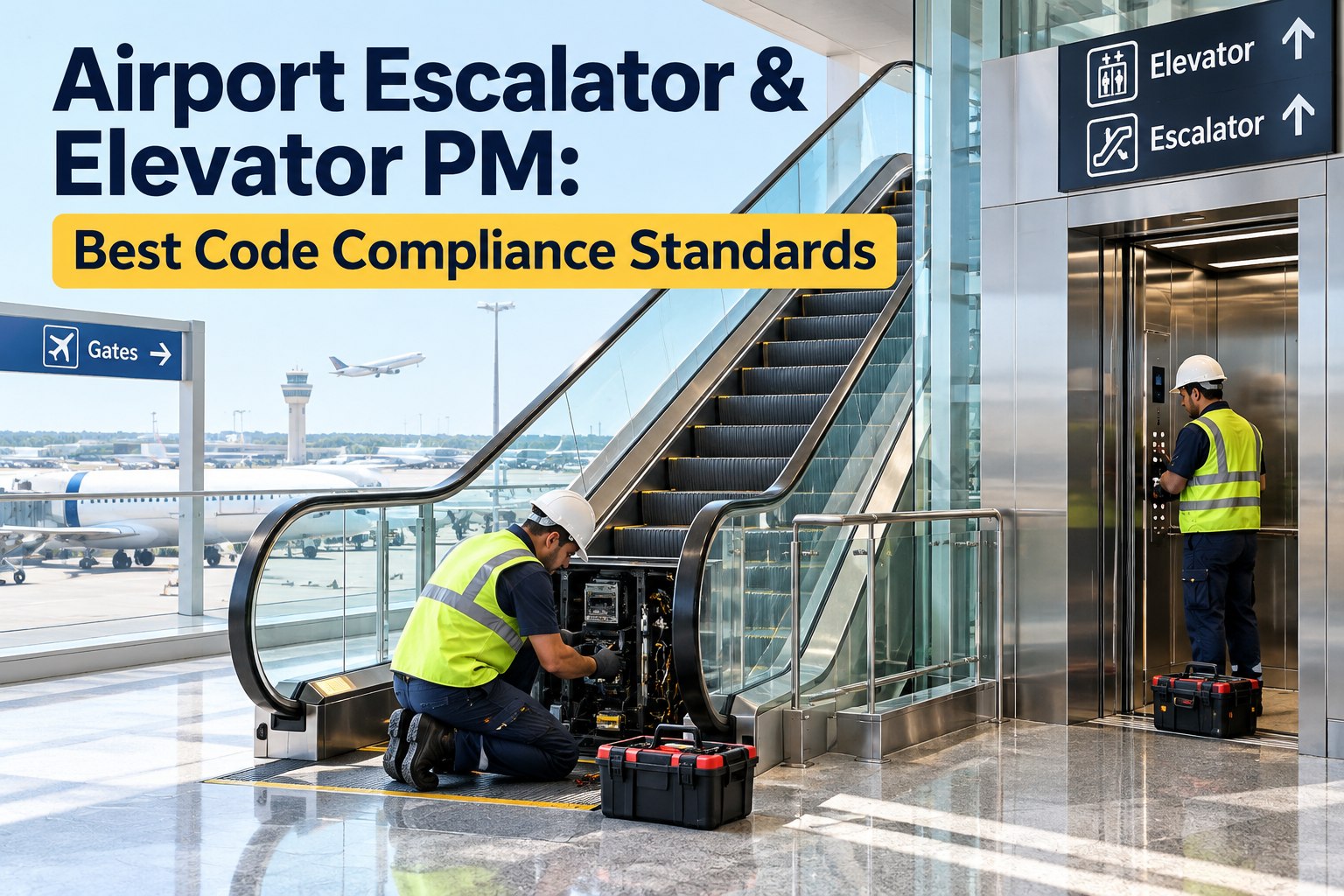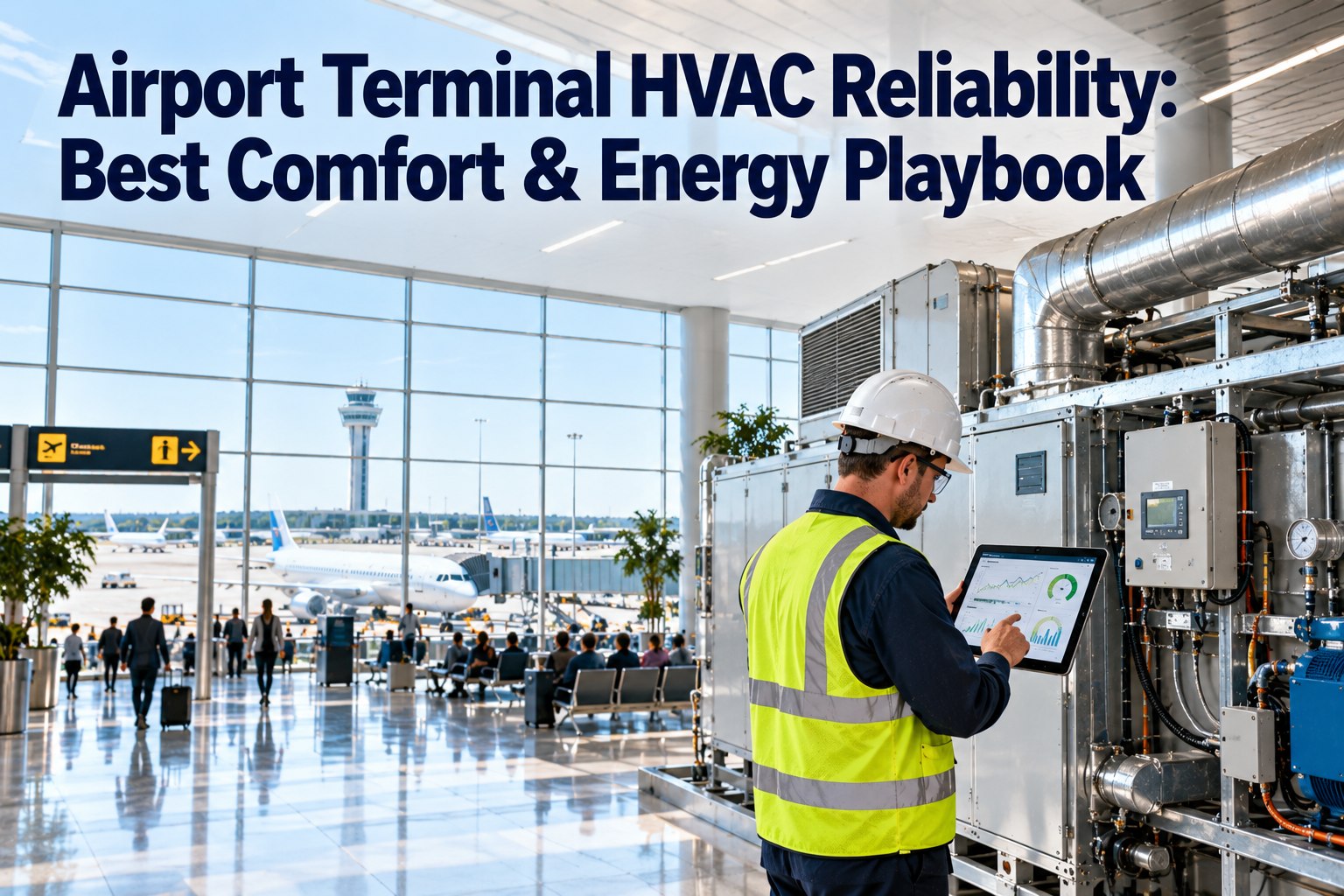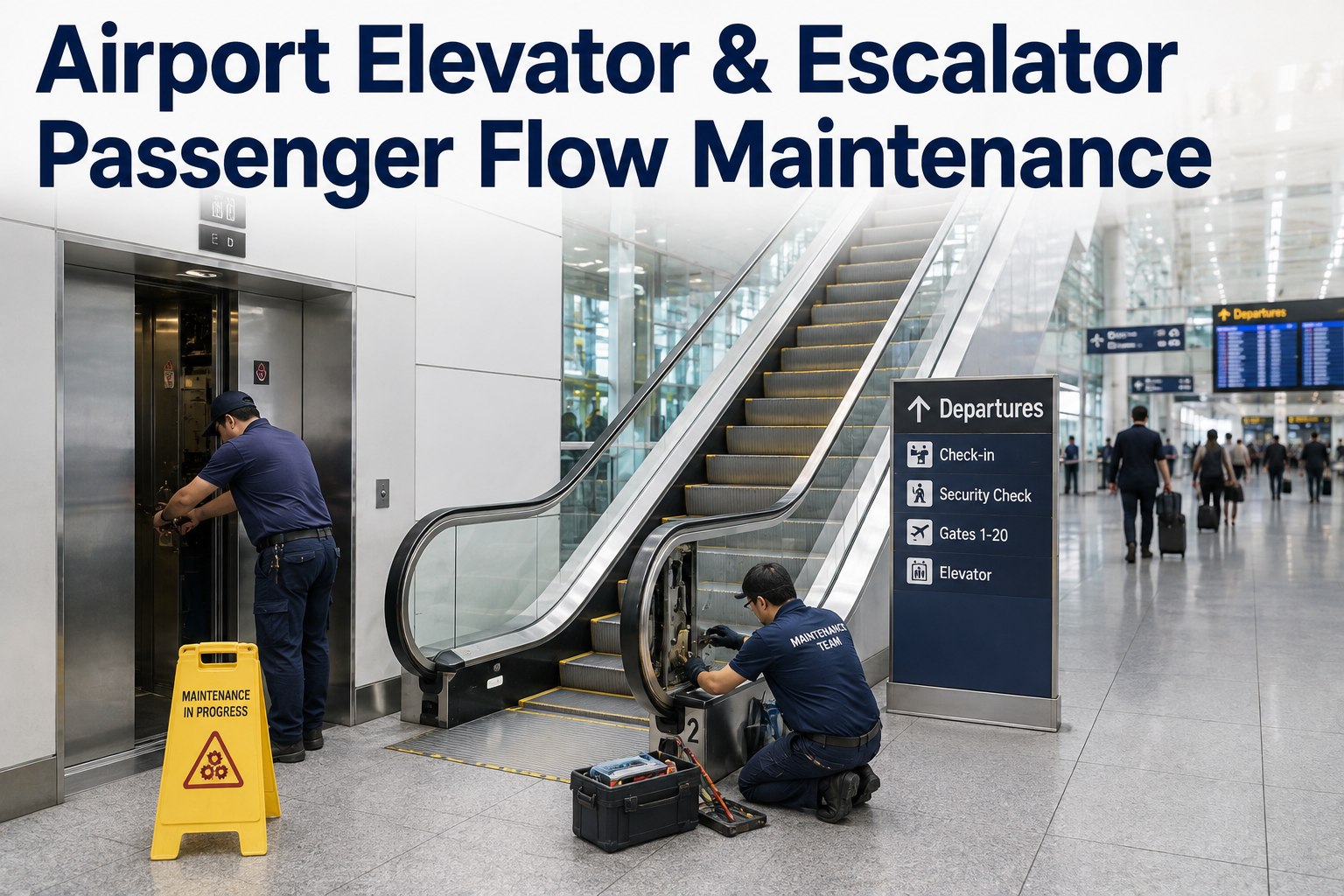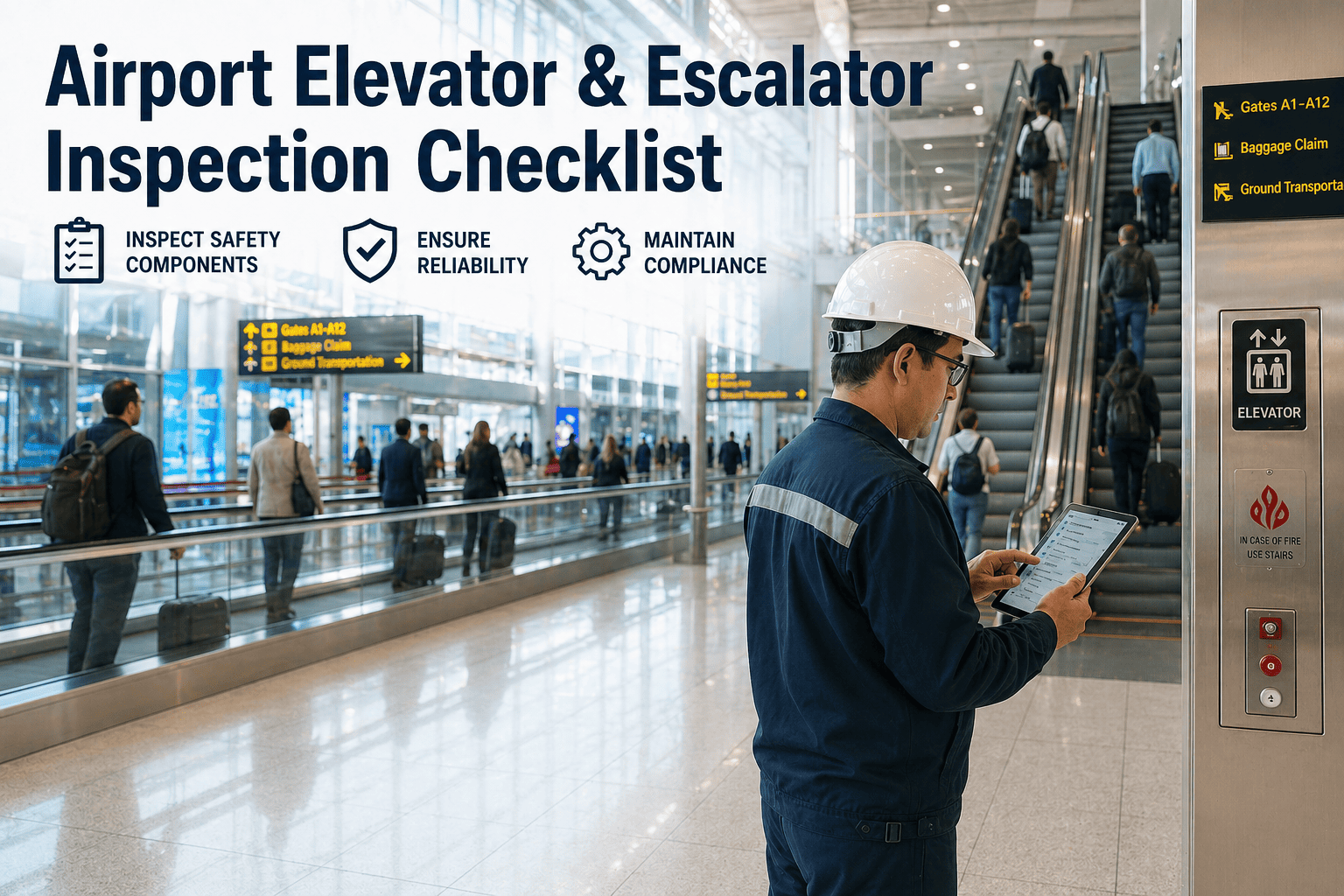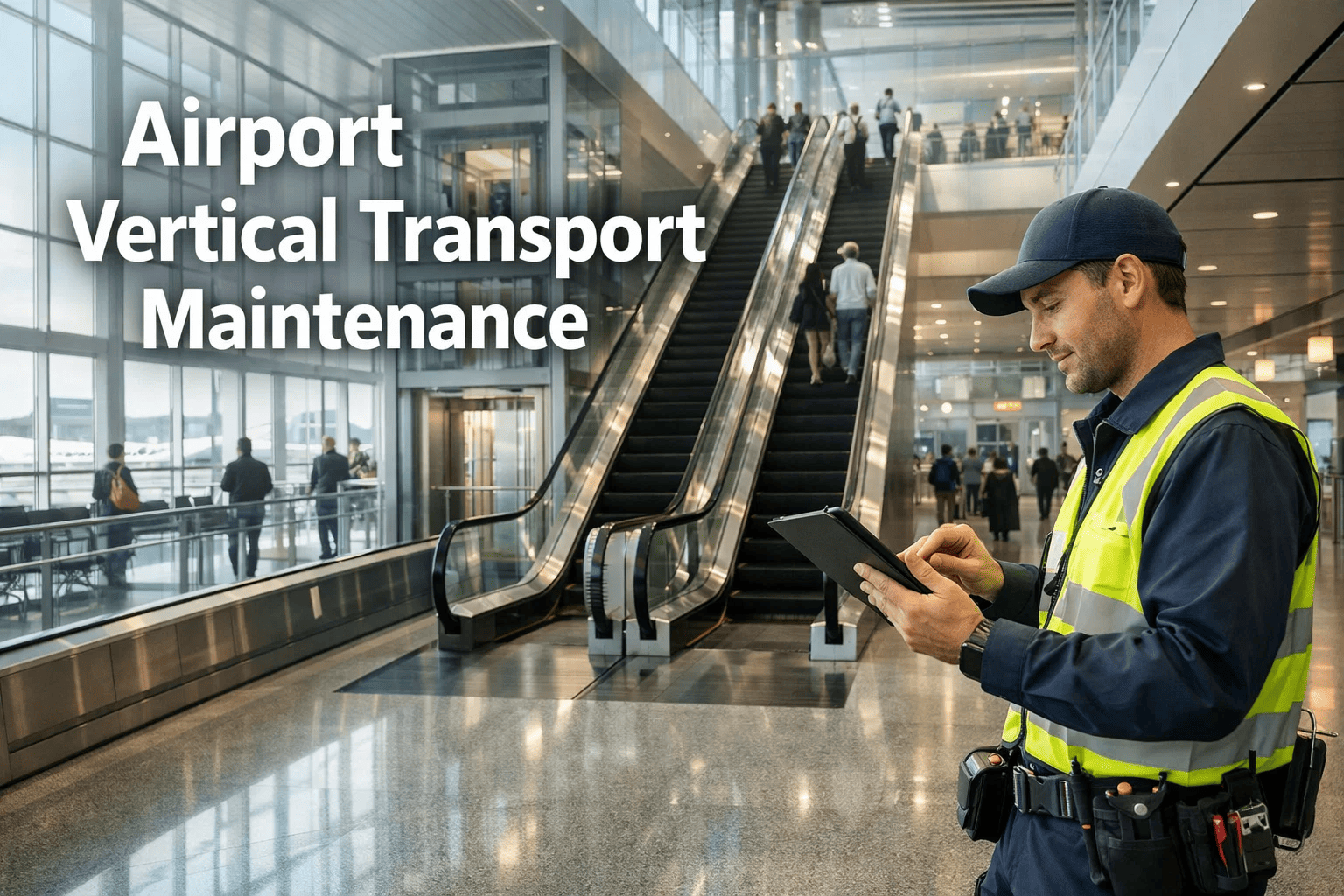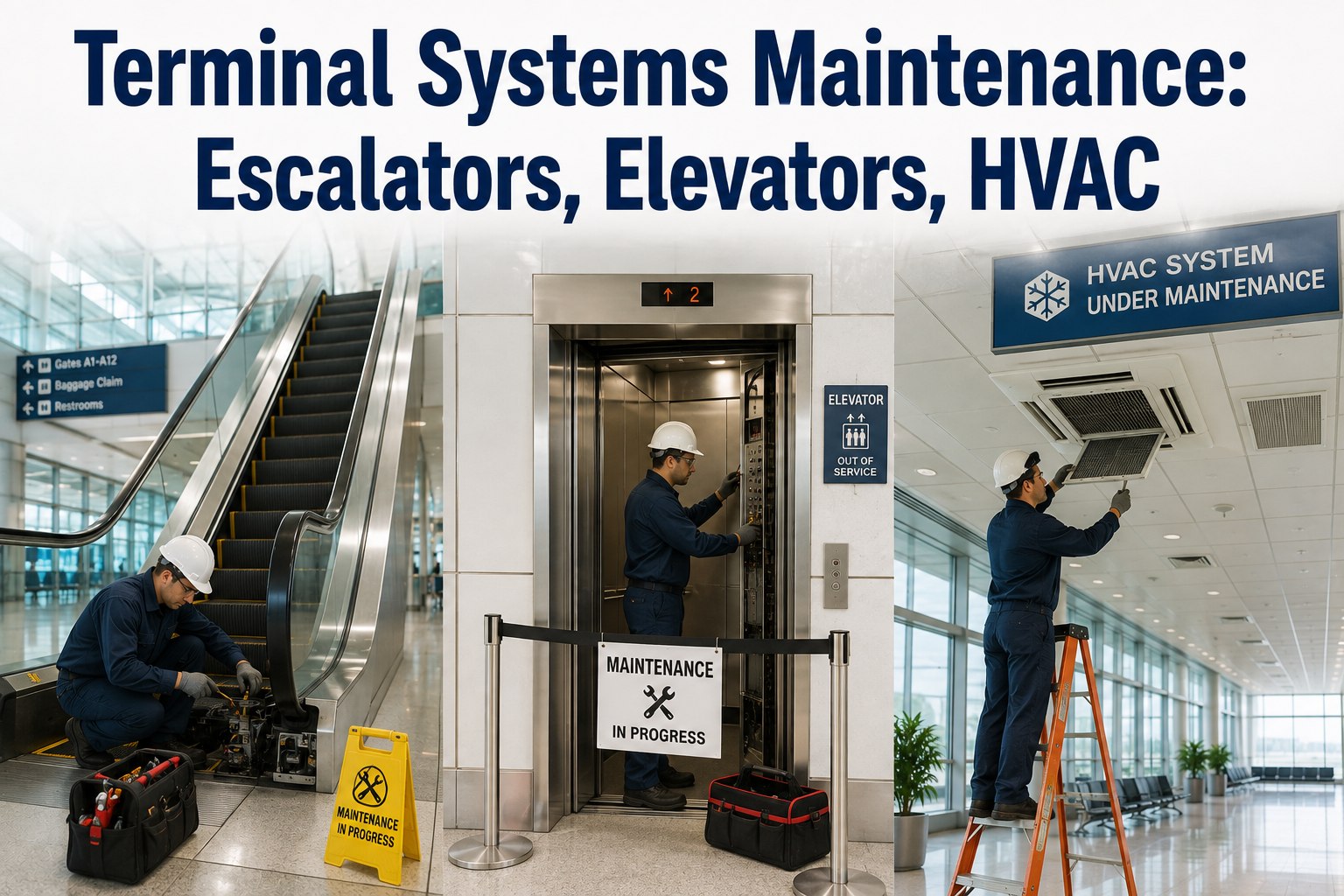
Terminal systems maintenance covers the preventive, predictive, and reactive upkeep of escalators, elevators, and HVAC central plant that keep passenger terminals operational. In airports and transit hubs, these mechanical systems are what passengers rate first and complain about fastest — a single offline escalator can choke a concourse in minutes, while an HVAC failure during peak summer travel can trigger immediate health and safety concerns. Facilities managers overseeing airport terminal equipment need rigorous PM schedules, code compliance tracking, and rapid entrapment response protocols to maintain terminal system reliability across every hour of operation. By digitizing these workflows with a centralized CMMS, maintenance teams can eliminate paper work orders, automate inspection triggers, and keep terminal building facilities passenger-ready. You can Start Free Trial to see how OxMaint centralizes terminal asset management today.
Terminal Systems Reliability
Are your terminal systems ready for 90,000 passengers a day?
Escalators, elevators, and HVAC central plant are the most visible, most heavily utilized assets in any airport terminal. When they fail, operations stall, complaints surge, and compliance penalties follow. OxMaint helps terminal facilities teams transition from reactive firefighting to predictive, code-compliant maintenance.
Terminal Equipment Maintenance
Why terminal system failures escalate fast
A medium-hub airport terminal averaging 20,000 daily passengers typically relies on 40-60 escalators, 30+ elevators, and a central HVAC plant pushing 5,000+ tons of cooling. The failure math is unforgiving.
Real-world scenario: A regional airport operating 42 terminal escalators and 28 elevators was spending $52K annually on emergency callouts and temporary passenger rerouting. After implementing a structured PM program through OxMaint, entrapment response times dropped by 63% and unplanned outages fell by 38% within the first year — saving an estimated $19K in reactive labor and passenger complaint remediation.
System-by-System PM Design
How to maintain escalators, elevators, and HVAC in airport terminals
Each terminal mechanical system demands a different preventive maintenance rhythm. Here is how leading airport facilities managers structure their PM workflows.
Terminal Escalator Maintenance
- Daily: Inspect step-skirt alignment, handrail speed differential (must be within 2%), and comb-plate teeth for wear.
- Weekly: Lubricate step chains, verify emergency stop button response, and check brake operation under load.
- Monthly: Measure motor amperage draw, inspect truss structure for debris, and validate controller fault logs.
- Quarterly: Full code compliance audit against ASME A17.1, including step replacement and sprocket alignment checks.
Airport Elevator Maintenance
- Daily: Test door sensors, cab lighting, and emergency communication systems — log all entrapment response times.
- Weekly: Inspect guide rails, verify brake redundancy, and check hydraulic fluid levels or traction sheave wear.
- Monthly: Perform full door reversal tests, inspect suspension ropes for broken wires, and test fire-service recall mode.
- Annually: Complete load testing, buffer engagement verification, and Category 5 code inspection documentation.
Terminal HVAC Maintenance
- Daily: Monitor chiller plant approach temperatures, verify AHU filter pressure drops, and log supply air temps.
- Weekly: Check cooling tower biocide levels, inspect VFD fault histories, and verify condensate drain flow.
- Monthly: Replace or clean pre-filters, test damper actuator response, and calibrate space temperature sensors.
- Seasonally: Perform chiller tube cleaning, condenser descaling, and full refrigerant charge verification.
Compliance & Cost Tracking
Terminal maintenance compliance tracking and downtime costs
Code compliance for terminal building facilities is not optional — ASME A17.1, ASHRAE 90.1, and local aviation authority regulations require documented evidence of every inspection. Manual logs do not survive audits.
| Terminal System | Code / Standard | Inspection Frequency | Cost of Non-Compliance | Reactive Labor Cost/Hr |
|---|---|---|---|---|
| Escalators | ASME A17.1 | Quarterly | $5K - $15K per violation | $320 |
| Elevators | ASME A17.1 / A18.1 | Monthly + Annual Cat 5 | $10K - $25K + shutdown order | $280 |
| HVAC Central Plant | ASHRAE 90.1 / 62.1 | Monthly + Seasonal | $8K - $40K per failed audit | $450 |
| BHS Integration | TSA / Local Aviation Auth. | Weekly | Operational delay penalties | $600 |
OxMaint Solution
How OxMaint transforms terminal systems maintenance
OxMaint is an AI-powered CMMS and Enterprise Asset Management platform built for maintenance and reliability teams managing high-traffic terminal operations. Here is exactly how it solves the challenges above.
Automated PM Scheduling
Auto-generate preventive maintenance work orders for escalators, elevators, and HVAC based on runtime hours, calendar triggers, or condition data. Outcome: Eliminate 95% of missed inspections and cut unplanned terminal downtime 30-50%.
Code Compliance Tracking
Attach digital checklists to every asset, capturing timestamped signatures, photos, and meter readings. Outcome: Pass ASME and ASHRAE audits instantly with zero paperwork, and trigger automatic re-inspection if a task fails.
Predictive Analytics
AI-driven vibration analysis on escalator trusses and chiller motor bearings predicts failures 7-21 days before catastrophic breakdown. Outcome: Shift from reactive callouts to planned interventions, reducing emergency labor spend by 40%.
Spare Parts Inventory
Track critical spares — step chains, hydraulic fluids, VFDs — with automatic reorder points tied to work order consumption. Outcome: Cut parts stockout-driven delays by 70% and reduce inventory carrying costs by 15-20%.
See OxMaint on your terminal assets — book a 30-min demo
Discover how airport facilities managers use OxMaint to keep escalators, elevators, and HVAC passenger-ready across every hour of operation.
Frequently Asked Questions
Terminal systems maintenance FAQ
What is terminal systems maintenance in an airport?
Terminal systems maintenance is the ongoing preventive and corrective care of mechanical assets inside passenger terminals — primarily escalators, elevators, and HVAC central plant. It involves scheduled inspections, code compliance documentation, rapid response to entrapments, and condition monitoring to ensure 24/7 operational readiness and passenger safety.
How often should airport terminal escalators be inspected?
Airport terminal escalators require daily visual inspections of steps, handrails, and comb plates, weekly lubrication and brake tests, and quarterly full code compliance audits under ASME A17.1. A CMMS like OxMaint automates these triggers so no inspection is missed — you can Start Free Trial to digitize your escalator PM schedule today.
How does a CMMS improve terminal HVAC maintenance?
A CMMS improves terminal HVAC maintenance by converting manual log readings into automated work orders triggered by runtime hours, pressure differentials, or temperature deviations. This prevents filter fouling, chiller tube scaling, and VFD failures before they impact terminal air quality, cutting unplanned cooling outages by 30-50% and ensuring ASHRAE 62.1 compliance.
What is the average cost of terminal equipment downtime?
The average cost of terminal equipment downtime ranges from $280 per hour for elevator reactive labor to over $18,000 per hour for central HVAC failures during peak travel when factoring in lost concession revenue, emergency repair premiums, and passenger remediation costs. Proactive maintenance through OxMaint typically reduces these costs by 35-45% in the first year.
How do you track entrapment response times in terminal elevators?
Entrapment response times are tracked by timestamping the emergency call receipt, technician dispatch, arrival, and passenger release. OxMaint captures these timestamps automatically within the work order, generates compliance reports for aviation authority audits, and flags response times exceeding your mandated SLA — usually 15 minutes for terminal elevators.
Stop reacting to terminal system failures
Join the airport facilities teams using OxMaint to predict failures, automate compliance, and keep passengers moving. Set up your terminal asset registry in minutes.
Free 14-day trial · No credit card