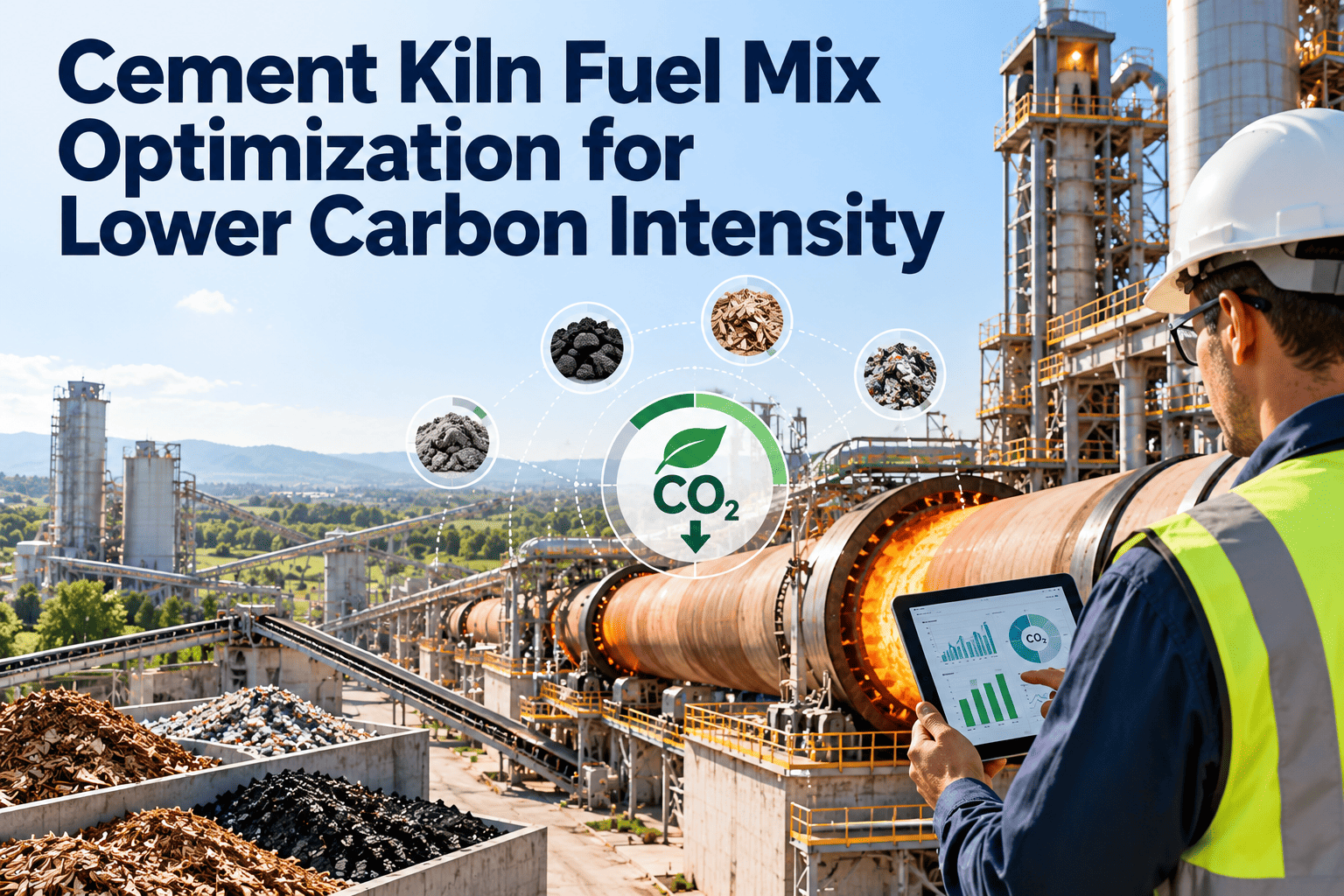
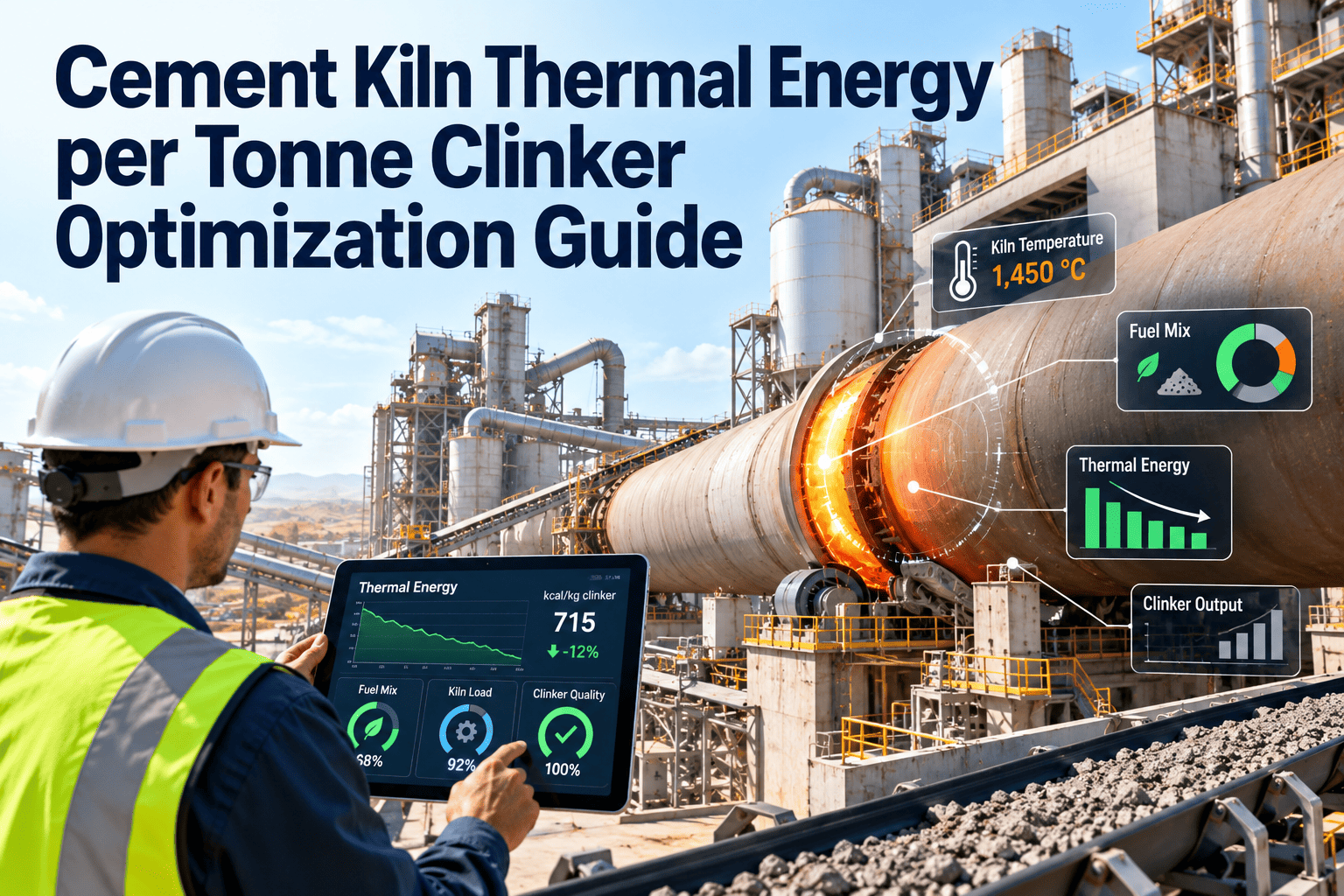
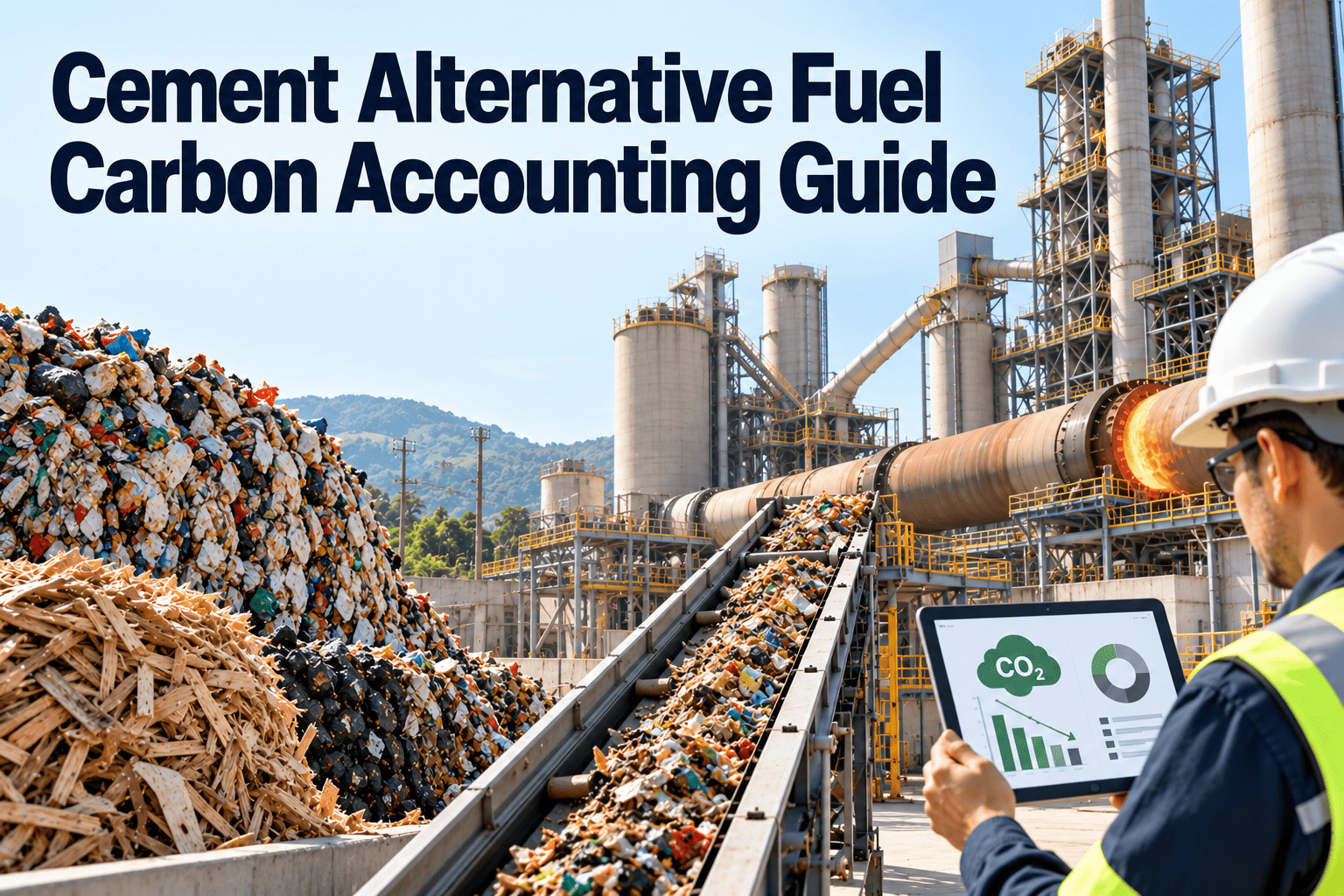
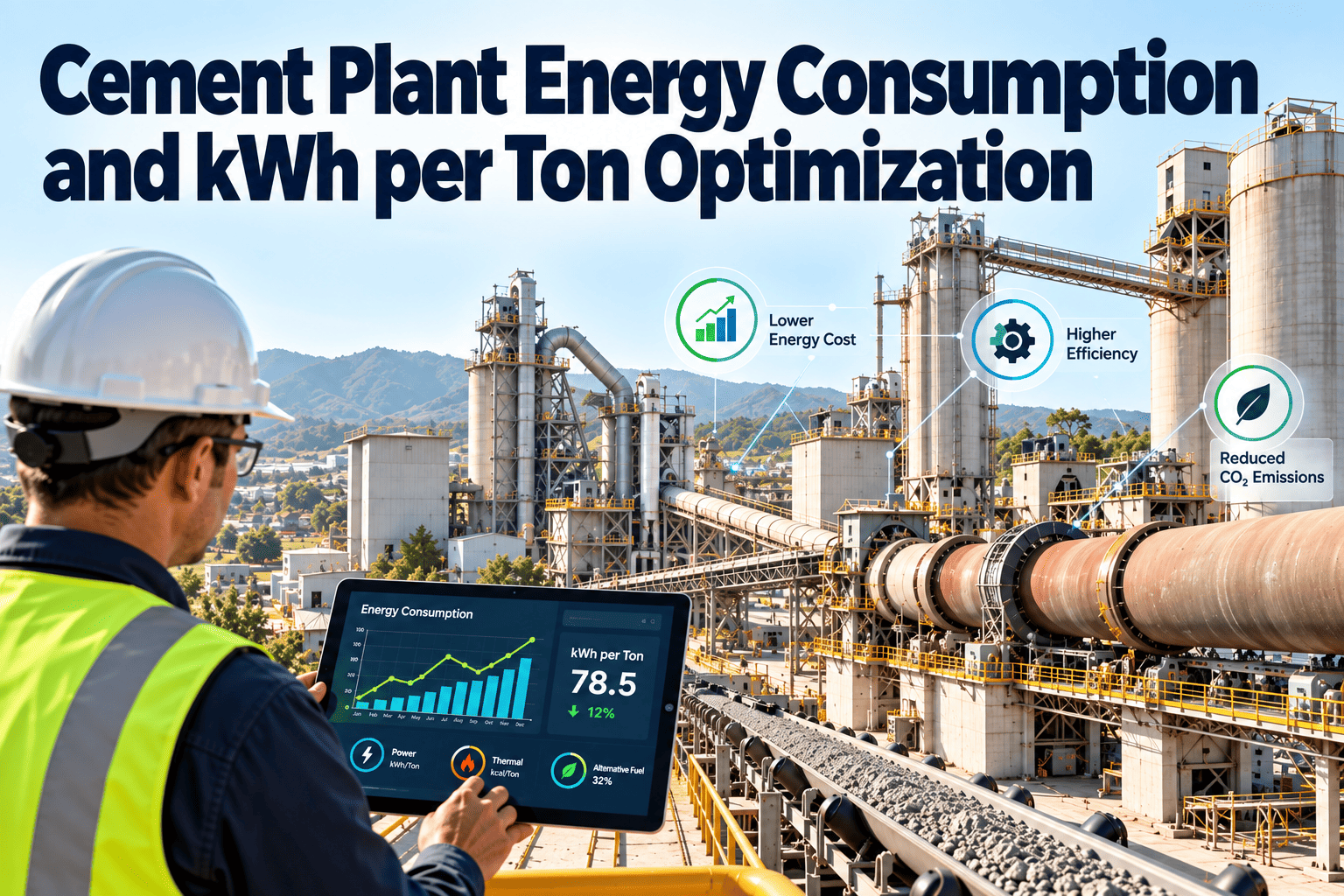
Cement manufacturing is one of the most energy-intensive industrial processes on Earth. Energy typically accounts for 30-40% of production costs, with the kiln alone consuming massive amounts of thermal energy to transform raw materials into clinker at 1,450°C. In an era of rising fuel costs and carbon regulations, energy optimization isn't just about cost savings—it's about competitive survival and environmental responsibility.
The good news: cement plants hold significant untapped potential for energy reduction. Most facilities can achieve 10-20% energy savings through systematic optimization without major capital investment. Smart energy management platforms identify these opportunities and help teams capture them consistently.
Where Cement Energy Goes
Understanding energy distribution is the first step to optimization
Kiln & Preheater
Thermal energy for clinkerization. Typically 3,000-3,500 MJ/ton clinker. The single largest energy consumer.
Grinding Operations
Electrical energy for raw mill, cement mill, and coal mill. Typically 30-40 kWh/ton cement. Second largest consumer.
Auxiliary Systems
Fans, conveyors, compressors, lighting, cooling. Often overlooked but collectively significant.
Thermal Energy Optimization
The kiln system offers the greatest opportunity for energy savings. Even small percentage improvements translate to substantial cost reductions.
Optimize Excess Air
Running with too much excess air wastes fuel heating unnecessary oxygen and nitrogen. Too little causes incomplete combustion and CO formation.
Improve Preheater Efficiency
Maximize heat transfer between hot gases and raw meal. Clean cyclones, optimize gas distribution, minimize false air infiltration.
Optimize Flame Shape & Position
Proper flame profile ensures efficient heat transfer to the material while protecting refractory. Adjust burner settings for fuel type and conditions.
Waste Heat Recovery
Capture heat from preheater exhaust and clinker cooler for power generation or raw material drying. WHR systems can recover 25-35% of waste heat.
Kiln Heat Balance
Understanding where heat goes reveals optimization opportunities
Identify Your Energy Savings
Oxmaint analyzes your plant data to pinpoint thermal inefficiencies and prioritize optimization opportunities by ROI.
Electrical Energy Optimization
Grinding consumes 60-70% of a cement plant's electrical energy. Talk to our energy specialists about optimizing your mill operations.
Mill Technology Comparison
Optimize Separator Efficiency
High-efficiency separators reduce over-grinding and recirculation. Upgrade from 2nd to 3rd generation separators can cut energy 15-20%.
Right-Size the Ball Charge
Ball size distribution affects grinding efficiency dramatically. Regular audits and optimization can improve throughput 5-10% at same energy.
Shift to Off-Peak Hours
Where electricity pricing varies by time, schedule grinding during low-rate periods. Silo capacity enables production decoupling from milling.
Install Variable Speed Drives
VFDs on fans, pumps, and conveyors match speed to load. Typical energy savings: 20-30% on driven equipment.
Alternative Fuels Strategy
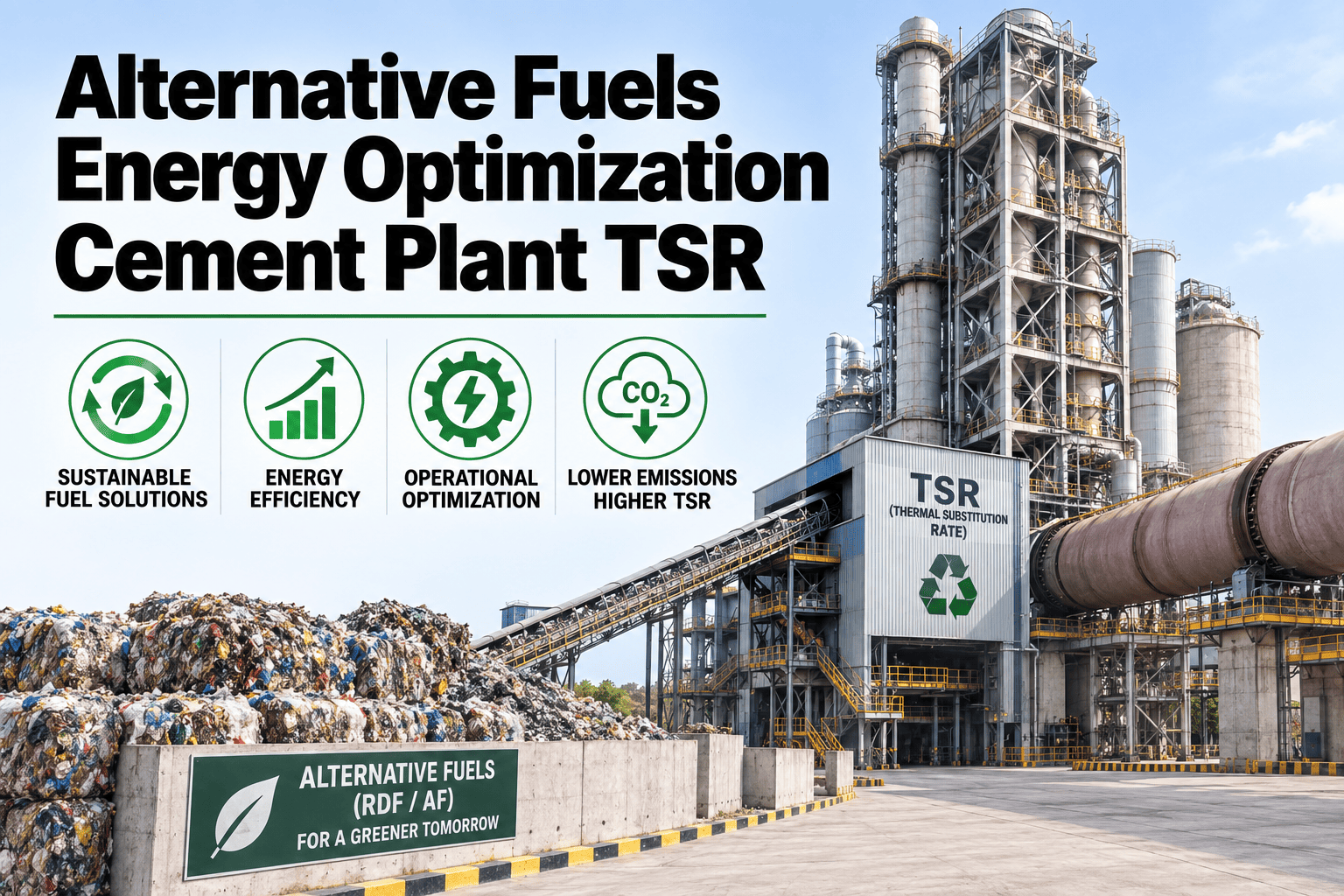
Alternative fuels (AF) reduce both energy costs and carbon footprint. Leading plants achieve 80%+ thermal substitution rates.
Solid Alternative Fuels
Liquid Alternative Fuels
Implementation Challenges
AF composition and moisture vary. Requires robust feeding systems and process control.
Regulatory approval for waste co-processing. Environmental monitoring requirements.
Storage, handling, and feeding systems. Quality control for incoming materials.
Chlorine, alkalis, and heavy metals need monitoring. May affect clinker and cement quality.
AI-Powered Energy Management
Modern cement plants generate massive amounts of data. AI transforms this data into actionable energy insights.
Predictive Kiln Control
AI models predict clinker quality from real-time process data, enabling proactive adjustments that maintain quality at minimum energy input. Reduces overcooking and fuel waste.
Mill Optimization
Continuously adjusts feed rate, separator speed, and grinding pressure to minimize specific energy consumption while maintaining product quality.
Anomaly Detection
Identifies equipment operating outside optimal ranges—inefficient fans, fouled heat exchangers, air leaks. Flags issues before they become major energy drains.
Production Scheduling
Optimizes when to run mills based on electricity prices, demand charges, and production requirements. Shifts load to lowest-cost periods.
Optimize Your Plant's Energy Performance
Oxmaint's AI platform identifies energy savings opportunities, tracks consumption in real-time, and provides actionable recommendations—helping cement plants reduce costs while maintaining quality.
Building an Energy Management Program
Establish Baseline
Measure current energy consumption by process area. Calculate specific energy (kWh/ton, MJ/ton clinker). Benchmark against industry standards and your own historical best.
Identify Opportunities
Conduct energy audits. Analyze data for inefficiencies. Prioritize opportunities by savings potential, implementation cost, and risk. Create ranked project list.
Implement & Measure
Execute projects starting with quick wins. Install metering where needed. Track savings rigorously—compare actual vs. baseline using normalization for production changes.
Sustain & Improve
Build energy awareness into daily operations. Set targets and track performance. Recognize achievements. Continuously identify new opportunities as technology and conditions evolve.