Clinker cooler selection is one of the most consequential decisions a cement plant makes, because the cooler drives fuel efficiency, secondary air temperature, clinker quality, and years of downstream maintenance cost. Older fixed inlet travelling grate coolers are still running at many integrated plants, but a growing number of operators are weighing a switch to modern cooler designs with staged grates and improved air distribution. This guide compares fixed inlet and modern clinker coolers side by side across heat recovery, maintenance burden, and reliability, drawing on how leading cement operators track and maintain both cooler types inside OxMaint. Explore the comparison, then see how your plant can manage either cooler type by visiting app.oxmaint.ai.
Why the Cooler Choice Matters More Than It Looks
The clinker cooler sits at the tail end of the pyroprocessing line, but its performance ripples backward through the entire kiln system. A cooler that recovers heat poorly forces the kiln to burn more fuel, a cooler with uneven grate wear creates red river hotspots that damage downstream conveyors, and a cooler with frequent grate plate failures becomes one of the top sources of unplanned downtime in the plant. Because coolers are replaced only once every fifteen to twenty-five years, the decision between sticking with a fixed inlet design or upgrading to a modern staged cooler has consequences that outlast most other capital decisions on the pyroprocessing line.
8-12%
fuel savings
Typical specific heat consumption improvement reported after switching to a modern staged cooler
30%
fewer grate failures
Reduction in grate plate replacement frequency seen in plants that upgraded from fixed inlet designs
15-25 yrs
typical service life
Expected operating life of a clinker cooler before a full replacement decision is made
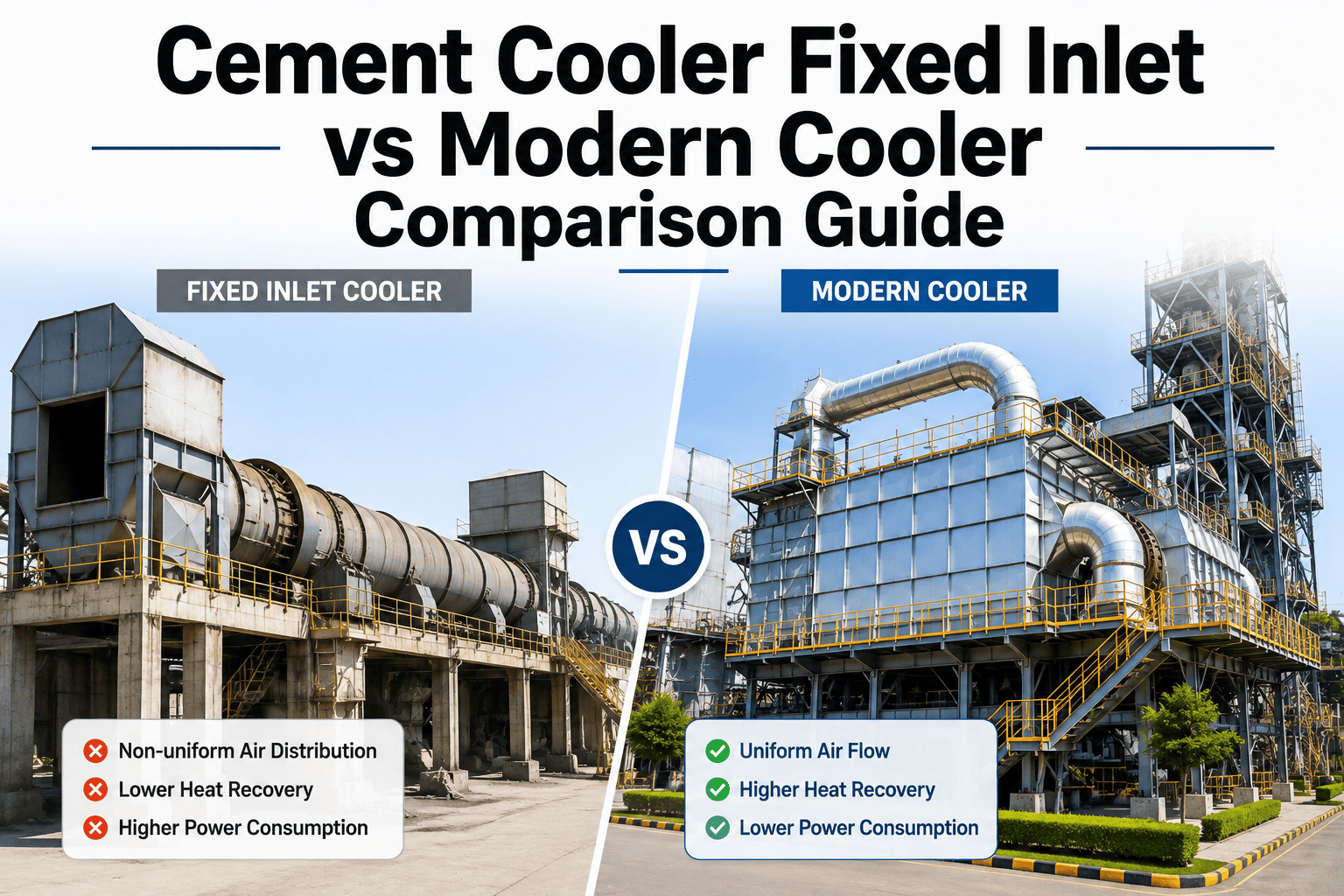
Fixed Inlet Cooler: What Still Works and Where It Struggles
Fixed inlet travelling grate coolers were the industry standard for decades and remain common at plants that have not undergone a major pyroprocessing upgrade. Their strength is mechanical simplicity: a single fixed grate section receives clinker directly from the kiln, and the design is well understood by maintenance teams who have serviced it for years. The tradeoff is that fixed inlet zones experience concentrated thermal and mechanical stress right where the hottest clinker falls, which accelerates grate plate wear, increases red river incidents, and limits how much combustion air can be recovered as preheated secondary and tertiary air for the kiln and calciner.
Modern Cooler: Staged Grates and Better Air Control
Modern clinker coolers replace the single fixed inlet zone with a static or hybrid inlet section followed by multiple independently controlled grate stages, each with its own under-grate air chamber. This staged approach spreads the thermal load across a wider grate area, reduces localized wear, and allows finer control of cooling air distribution so more heat is recovered as usable combustion air. The result is typically a meaningfully lower clinker outlet temperature, better secondary air temperature for the kiln, and fewer localized grate plate failures, though the upgrade carries a higher upfront capital cost and a more complex maintenance profile with more moving parts and control loops to manage.
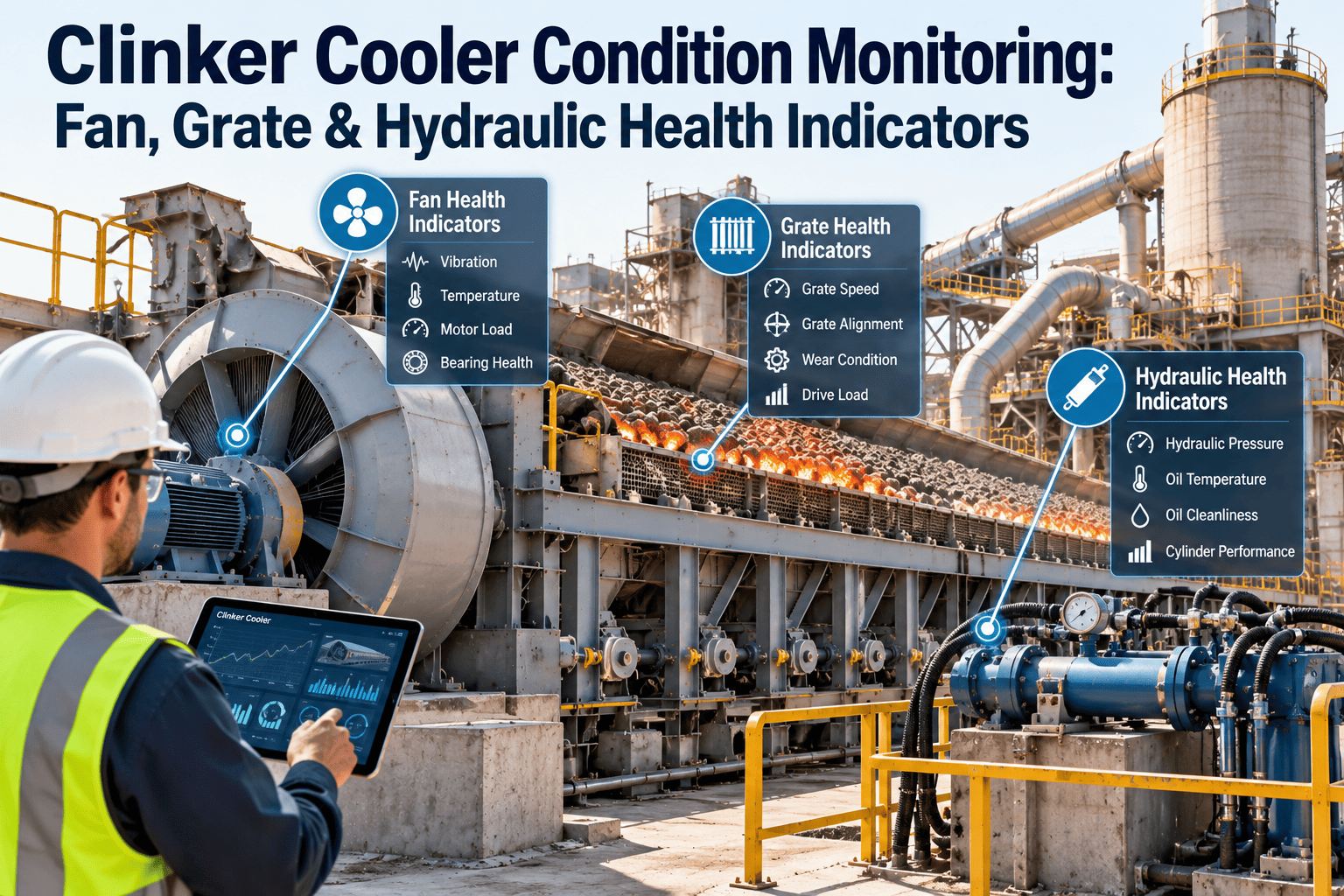
Whichever cooler design your plant runs, OxMaint tracks grate plate wear, under-grate air chambers, and cooling fan performance in one asset record so nothing falls through the cracks.
Head-to-Head: Fixed Inlet vs Modern Cooler
| Criteria |
Fixed Inlet Cooler |
Modern Staged Cooler |
| Heat recovery efficiency |
Moderate, limited air staging |
High, staged air control |
| Grate plate wear rate |
Higher at inlet zone |
Distributed, lower per stage |
| Red river incidents |
More frequent |
Reduced with better distribution |
| Clinker outlet temperature |
Higher, less consistent |
Lower, more consistent |
| Maintenance complexity |
Simple, well understood |
More components, more sensors |
| Upfront capital cost |
Lower if already installed |
Higher for new installation |
| Typical fuel impact |
Baseline |
8-12 percent improvement |
Maintenance Considerations for Each Cooler Type
The maintenance profile differs meaningfully between the two designs, and plants weighing an upgrade should plan for these operational differences before committing capital.
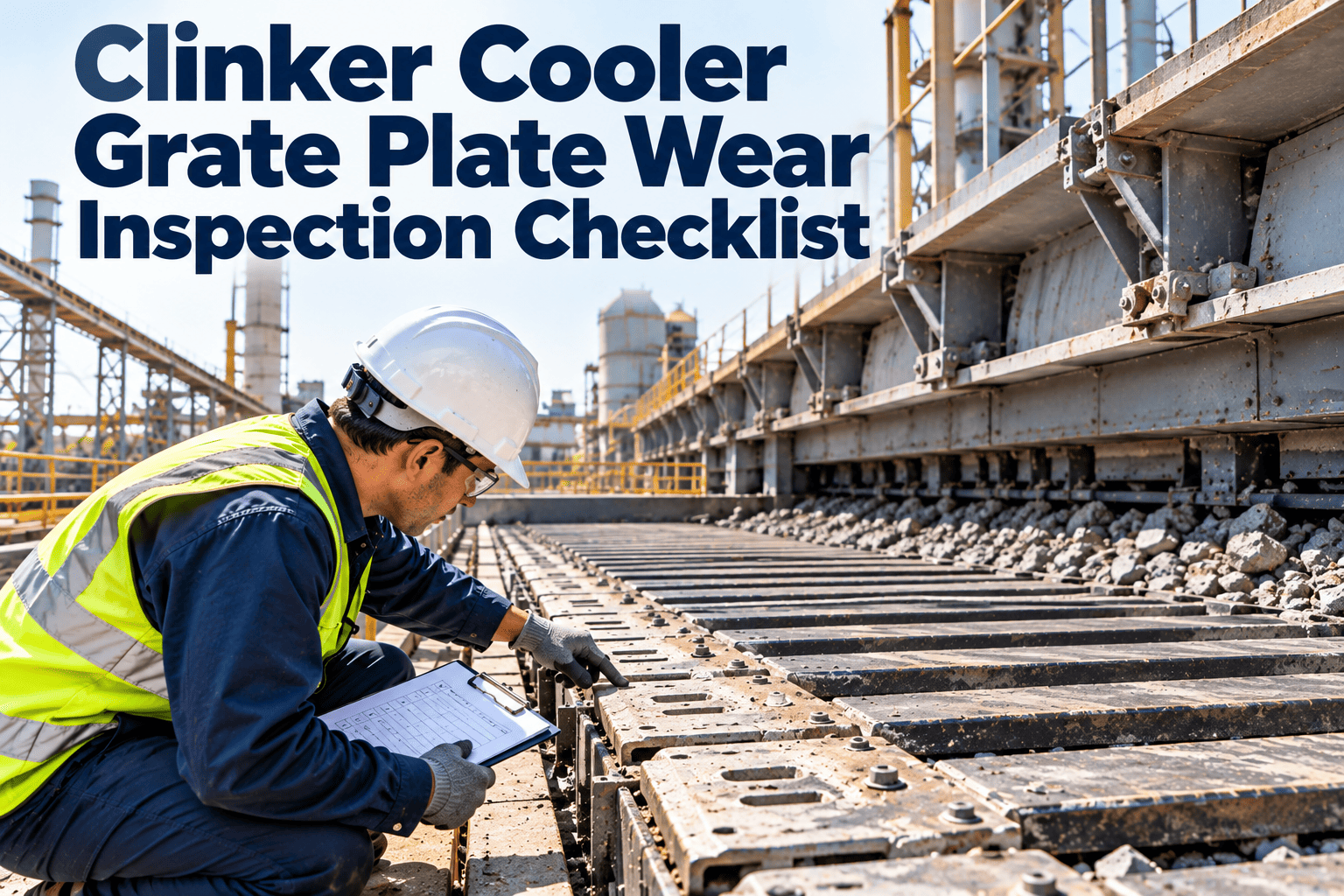
Grate Plate Inspection Frequency
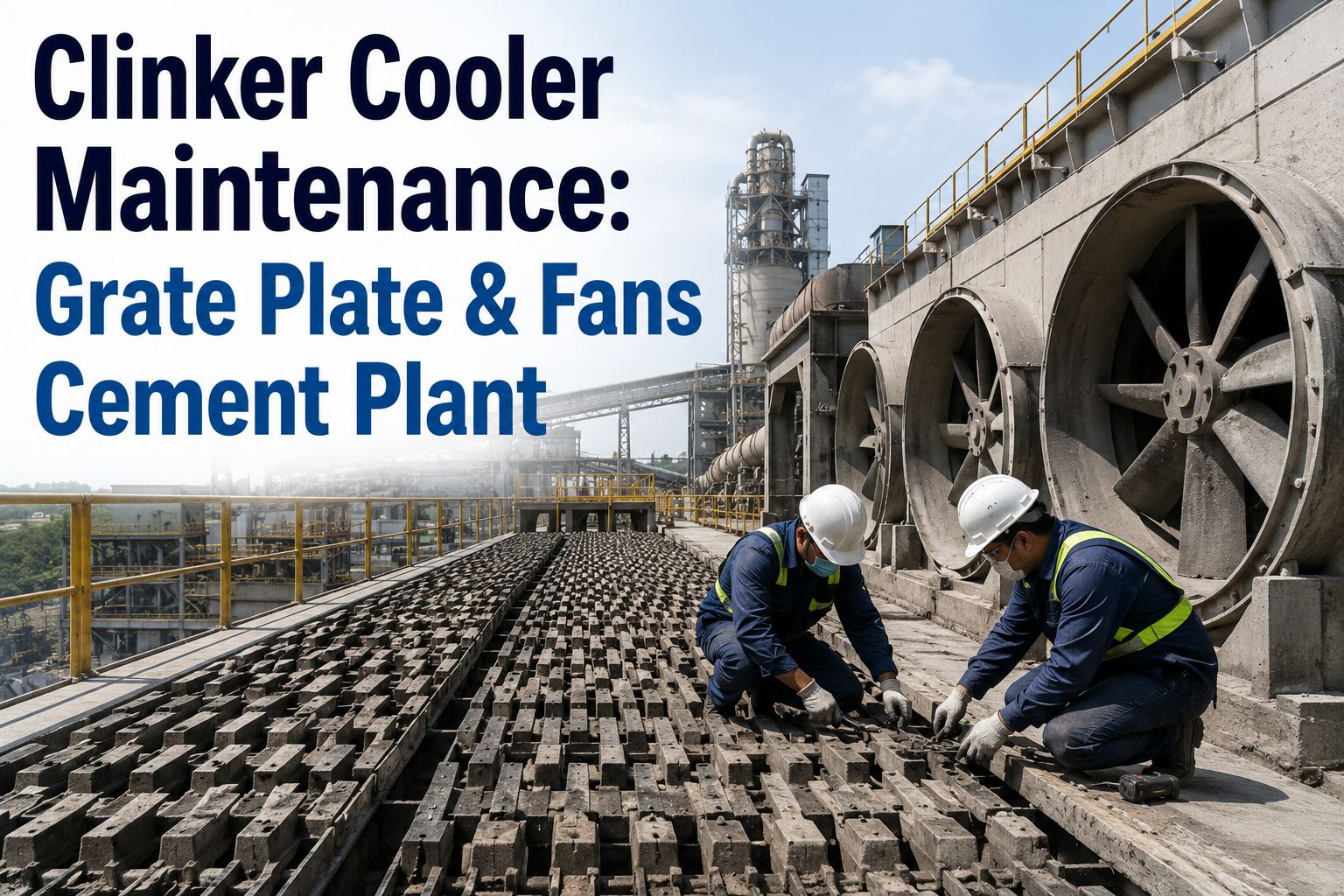
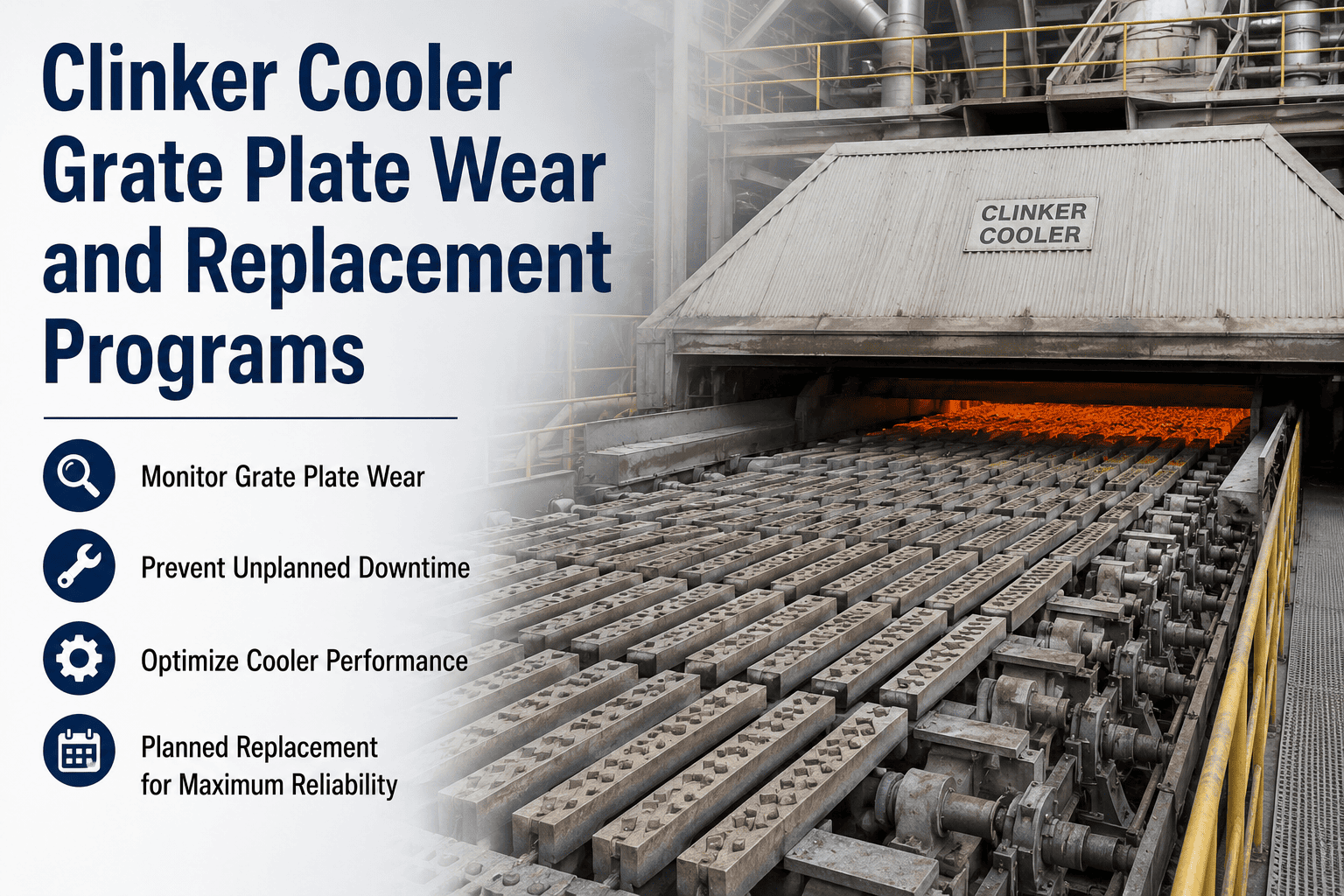
Fixed inlet coolers concentrate wear at the hottest zone, so inlet grate plates typically need more frequent inspection and replacement than the distributed wear pattern seen on staged modern coolers.
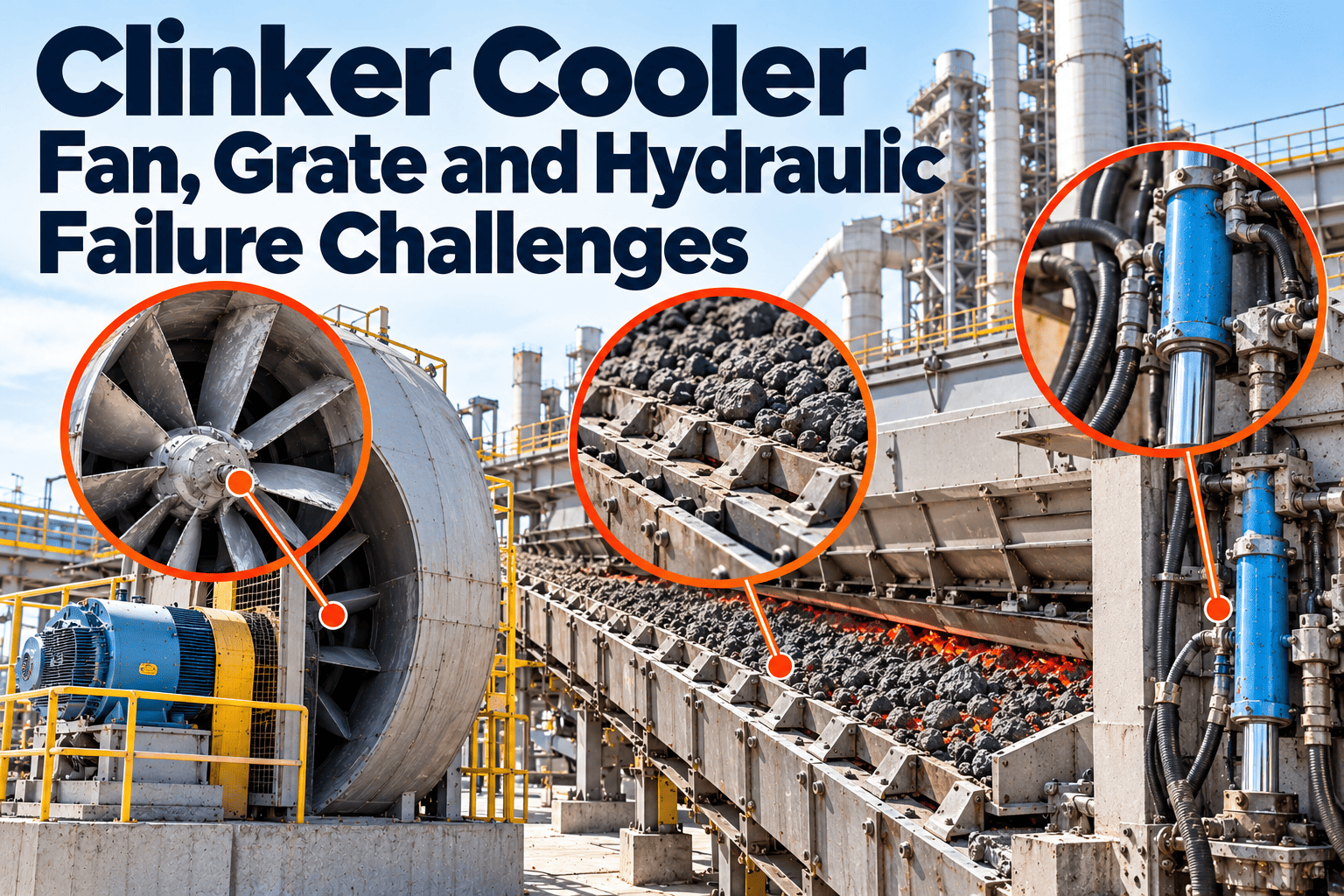
Under-Grate Air Chamber Management
Modern coolers add multiple independently controlled air chambers, each requiring its own fan performance tracking, damper checks, and airflow calibration compared to the simpler single-zone airflow on fixed inlet designs.
Hydraulic Drive Servicing
Both designs use hydraulic or crank drive systems to move grate plates, but staged coolers often run more drive sections, increasing the number of hydraulic components on the preventive maintenance schedule.
Refractory and Seal Wear
Static inlet sections on modern coolers reduce moving-part refractory wear at the hottest point, but the transition zones between static and moving grates introduce new seal points that need regular inspection.
Before and After: What Changes When Plants Upgrade
Running a Fixed Inlet Cooler
Frequent inlet grate plate replacement drives unplanned downtime
Red river incidents damage downstream conveyor components
Limited secondary air recovery increases specific fuel consumption
Simple single-zone airflow, easier for crews to troubleshoot
After Upgrading to a Modern Cooler
Wear distributed across staged grates reduces plate replacement frequency
Better air distribution lowers red river and hotspot incidents
Improved secondary air temperature cuts specific heat consumption
More air chambers and sensors require tighter asset tracking
Build the maintenance and downtime data you need to make the fixed inlet versus modern cooler decision with confidence.
How to Evaluate a Cooler Upgrade at Your Plant
Deciding whether to stay with a fixed inlet design or move to a modern staged cooler comes down to a structured evaluation rather than a single fuel-savings number. Use the steps below to build a defensible business case.
1
Baseline Current Cooler Performance
Pull historical clinker outlet temperature, secondary air temperature, and grate plate replacement records from your maintenance system to establish a true current-state baseline.
2
Quantify Downtime and Fuel Cost Impact
Calculate the annual downtime hours and fuel penalty attributable to inlet wear and heat recovery losses on the existing fixed inlet cooler.
3
Compare Total Cost of Ownership
Weigh the higher upfront capital and added maintenance complexity of a modern cooler against projected fuel savings and reduced grate plate spend over its service life.
4
Plan the Maintenance Transition
Set up asset records, PM schedules, and spare parts plans for the added air chambers and control components before the new cooler goes live.
We ran our fixed inlet cooler for eighteen years and knew every quirk, but the inlet grate replacements were eating our shutdown windows. Tracking wear patterns in OxMaint gave us the data we needed to build the case for the staged cooler upgrade.
Plant Engineer, Integrated Cement Facility
Frequently Asked Questions
Is a fixed inlet cooler always the wrong choice for a cement plant?
No, fixed inlet coolers remain a reasonable option for plants prioritizing mechanical simplicity and lower upfront cost, particularly when the existing unit still meets production and quality targets.
How much fuel savings can a modern cooler realistically deliver?
Plants commonly report an 8 to 12 percent improvement in specific heat consumption after switching to a staged modern cooler, though results vary with kiln configuration and prior cooler condition.
Does a modern cooler require more maintenance staff?
Not necessarily more staff, but it does require tracking more components such as additional air chambers and control sensors, which is easier with a structured system like
app.oxmaint.ai.
What is the biggest maintenance risk with fixed inlet coolers?
Concentrated wear at the inlet zone leads to frequent grate plate failures and red river incidents, both of which can cause unplanned downtime if not tracked closely.
How do I start evaluating a cooler upgrade for my plant?
Start by baselining your current cooler performance and downtime history, then book a walkthrough at
calendly.com/oxmaintapp/30min to see how OxMaint can support the evaluation.
Track Cooler Performance However You Cool Clinker
Whether you run a fixed inlet cooler or a modern staged design, OxMaint gives you the asset history and maintenance data to make the next capital decision with confidence.