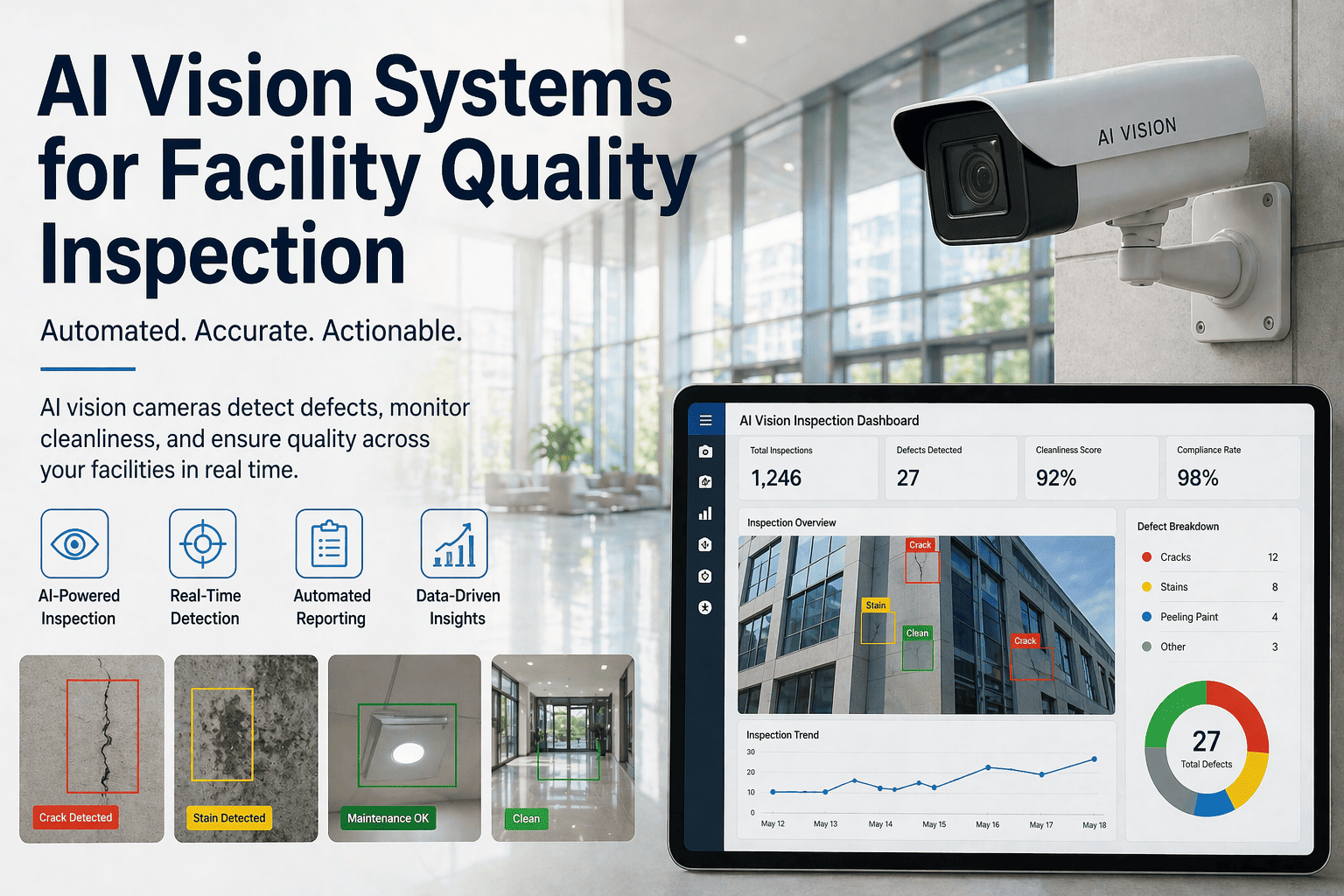
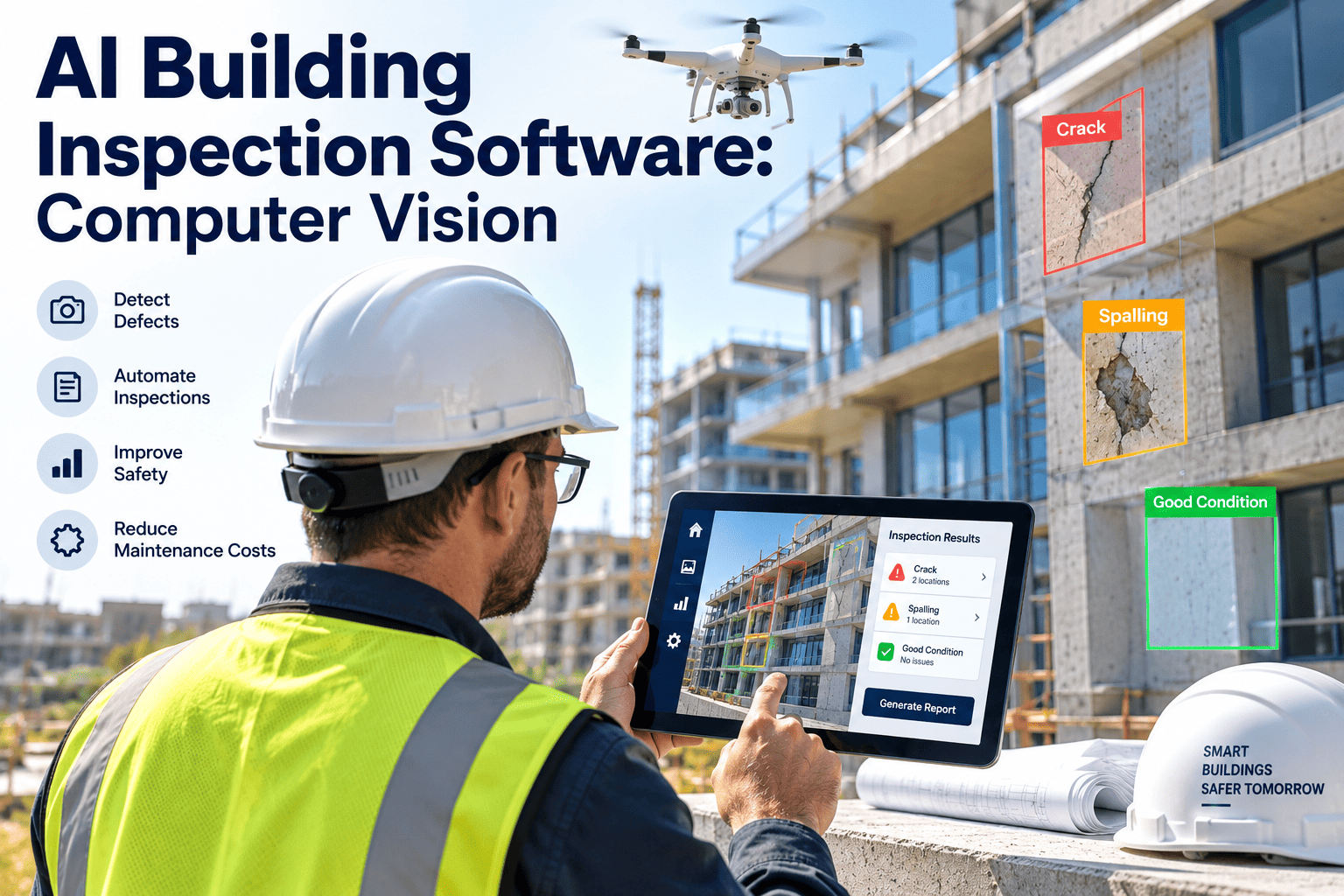
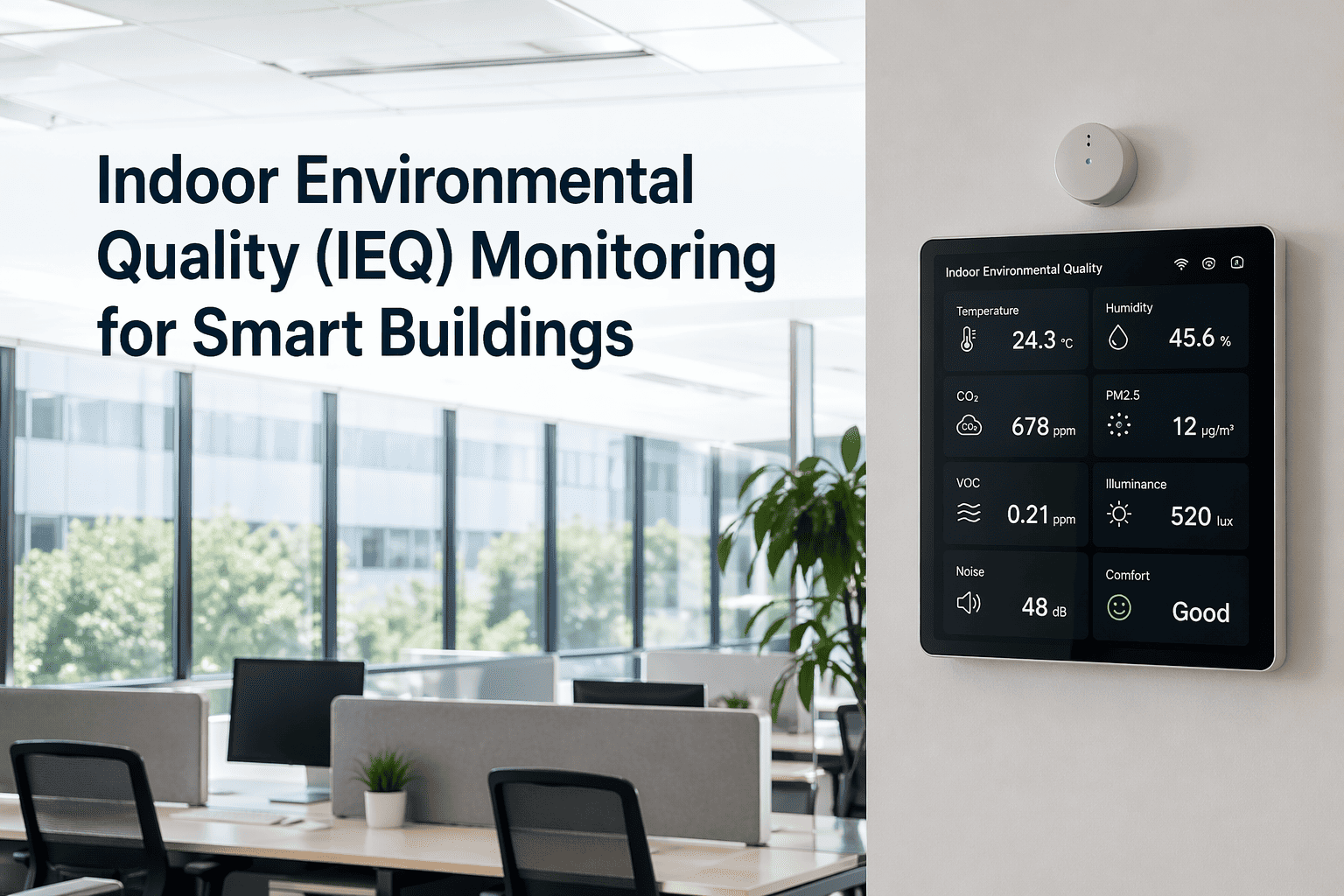
According to the computer vision market for building and facility inspection is projected to reach $8.2 billion by 2030, growing at a CAGR of 16.4% as facility managers adopt AI-powered visual inspection to replace manual walkthroughs. However, 83% of facility managers still rely on manual visual inspections — walkthroughs that capture only 37% of observable defects due to human attention fatigue, inconsistent lighting conditions, and undocumented observations. A single missed roof membrane tear, facade crack progression, or pest entry point costs an average of $4,200–$18,000 in remediation when discovered months later. Unlike manual inspections where detection is limited to what one person sees in one moment, AI vision systems inspect every square inch of every image, track defect progression over time, and convert visual anomalies into quantifiable maintenance work orders. OxMaint's AI Vision Inspection Module integrates with fixed cameras, drone surveys, and handheld devices — automatically detecting cracks, spalling, water stains, pest intrusion, cleanliness deficiencies, and equipment anomalies — with auto-generated work orders at configurable severity thresholds. Book a demo to see how facility teams are reducing inspection time by 74% while increasing defect detection by 3.4x.
01
AI Vision Systems for Facility Quality Inspection
Computer vision · Defect detection · Automated walkthroughs · Anomaly tracking · CMMS integration
83%Of facility managers rely on manual visual inspections — missing 63% of defects
74%Reduction in inspection time with AI vision systems
3.4xIncrease in defect detection vs. manual walkthroughs
AI Vision Inspection by the Numbers
$8.2B
Global computer vision inspection market by 2030
CAGR 16.4%
63%
Of observable defects missed in manual walkthroughs
Human attention fatigue + inconsistent conditions
$4,200–18,000
Average remediation cost for undetected defect discovered months later
Roof, facade, water intrusion, pest damage
Six Defect Categories AI Vision Detects Automatically
01
Structural Cracks & Spalling
AI models trained on concrete, masonry, and stucco detect cracks as narrow as 0.5mm at 10m distance, with crack width classification (<1mm, 1–3mm, >3mm) and progression tracking between inspection cycles. Spalling (surface delamination) is identified by texture analysis and shadow patterns — triggering work orders when spalling area exceeds configurable threshold (default 25 sq cm).
02
Water Stains & Moisture Indicators
Water stain detection uses color and edge detection to identify active (dark, defined edges) vs. old stains (light, diffuse). Stains mapped to ceiling grids, walls, and floors with XYZ coordinates. Multiple stains in same zone trigger water intrusion investigation work order before mold remediation required. Leak progression visualized across inspection cycles.
03
Pest Intrusion Signs
Rodent droppings, nesting material, gnaw marks, and insect frass detected via shape and texture classification. Dropping counts per image trigger pest control work order at configurable threshold (default: 5+ droppings per image). Temporal tracking identifies new pest activity between scheduled pest control visits. Detects pest entry points around conduits, gaps, and damaged screens.
04
Cleanliness & Housekeeping Deficiencies
Unclean surface detection (floors, counters, restroom fixtures) using texture and reflectance classification. Trash accumulation identified via object detection trained on debris types (paper, plastic, packaging). Detected spills trigger cleaning work order with location tag. Cleanliness scoring by zone generates dashboard metrics for housekeeping vendor scorecards.
05
Lighting & Signage Anomalies
Non-functional lights detected by comparing expected vs. actual luminance in ceiling and wall fixtures. Flickering lights identified across video frames. Signage damage (faded, torn, missing text) detected via optical character recognition and edge analysis — triggering signage work orders before wayfinding confusion affects tenant experience.
06
Equipment & Asset Condition
HVAC unit corrosion, fan belt wear, filter access door condition, and panel damage detected from camera feeds in mechanical rooms. Rust staining, oil leaks, and loose fasteners identified via color and edge detection. Early corrosion detection triggers preventive maintenance before equipment failure — lead time 3–8 months pre-failure.
AI Vision Inspection Deployment Checklist
01
Camera Infrastructure Assessment
Inventory existing security and surveillance cameras. Identify zones requiring new fixed cameras (rooftops, mechanical rooms, loading docks) and zones suitable for drone or handheld inspection (facades, parking structures, large warehouses).
Optimizes coverage
02
Defect Library Training
Upload 500–1,000 labeled images per defect type (cracks, water stains, pests, cleanliness) representative of facility conditions. AI model trains on building-specific lighting, angles, and surface materials.
Improves accuracy
03
Threshold Configuration by Zone
Set severity thresholds per zone and defect type. Production areas: lower thresholds (crack >1mm triggers work order). Storage areas: higher thresholds (crack >3mm). Calibrate false-positive tolerance.
Reduces false alerts
04
Inspection Route Programming
Program fixed camera sequences and drone/handheld inspection paths. Schedule automated inspections (daily for high-risk zones, weekly for moderate-risk, monthly for low-risk). Export routes to inspection devices.
Standardizes capture
05
Work Order Auto-Generation Rules
Configure defect-to-work order mapping: detected spalling >25 sq cm → masonry repair WO; water stain + location above electrical panel → urgent investigation WO; droppings >5 per image → pest control vendor WO.
Closes the loop
06
Validation & Continuous Training
Weekly validation of AI detections by facility team. False positives marked for model retraining. New defect images added quarterly. Model accuracy improves 5–8% per quarter.
Improves over time
AI Vision Inspection Technology Comparison
:
| Inspection Method | Defect Capture Rate | Inspection Speed | Documentation Quality | Trend Tracking | CMMS Integration |
|---|
| Manual Walkthrough | 37% | 1x baseline | Inconsistent — handwritten notes | Manual comparison | None — separate entry |
| Drone with Pilot | 52% | 12x faster for facades | High resolution images | Manual comparison | Manual upload |
| Fixed Security Cameras | 41% | Continuous | Variable depending on camera | Automated pixel comparison | Alert-only |
| AI Vision (OxMaint) | 87% | 74% faster total inspection time | Standardized + timestamped | Auto pixel mapping + severity trend | Auto work order generation |
Source: OxMaint AI vision deployment data. Defect capture rate vs. ground truth audit. Results vary by lighting, camera resolution, and defect type.
ROI Impact at a Glance — AI Vision Inspection
74%
Reduction in inspection labor hours
OxMaint customer data
3.4x
Increase in defect detection vs. manual walkthroughs
Side-by-side validation study
6–12 mo.
Payback period for AI vision deployment
Labor savings + avoided remediation
"The facility inspection problem isn't that maintenance teams aren't trying — it's that human visual attention degrades after 15 minutes. In a 90-minute facility walkthrough, the inspector captures the first 30 minutes at near-perfect accuracy, the next 30 minutes at 60% accuracy, and the final 30 minutes at 25% accuracy. Fatigue, lighting changes, and cognitive load from note-taking combine to miss two-thirds of observable defects. I've validated this across 500+ inspection hours. AI vision systems don't get tired. They inspect every pixel of every image with the same attention to the last frame as the first. They track crack progression across inspection cycles at a granularity impossible for manual comparison. And when integrated with a CMMS, every detected defect becomes a timestamped work order — creating the audit trail and accountability that manual systems can never provide. OxMaint's implementation of defect-to-work-order workflows is the closest I've seen to closing the facility inspection loop completely."
— Dr. Aisha Kone, PhD Computer Vision · Director of AI Solutions — Built Environment Intelligence · 14 Years Computer Vision for Infrastructure Inspection · Author, "Vision-Based Facility Condition Assessment"
Your facility defects are already visible. AI vision makes sure someone sees them — immediately — and creates a work order before the damage compounds.
Frequently Asked Questions
What hardware is required to deploy AI vision inspection in an existing facility?
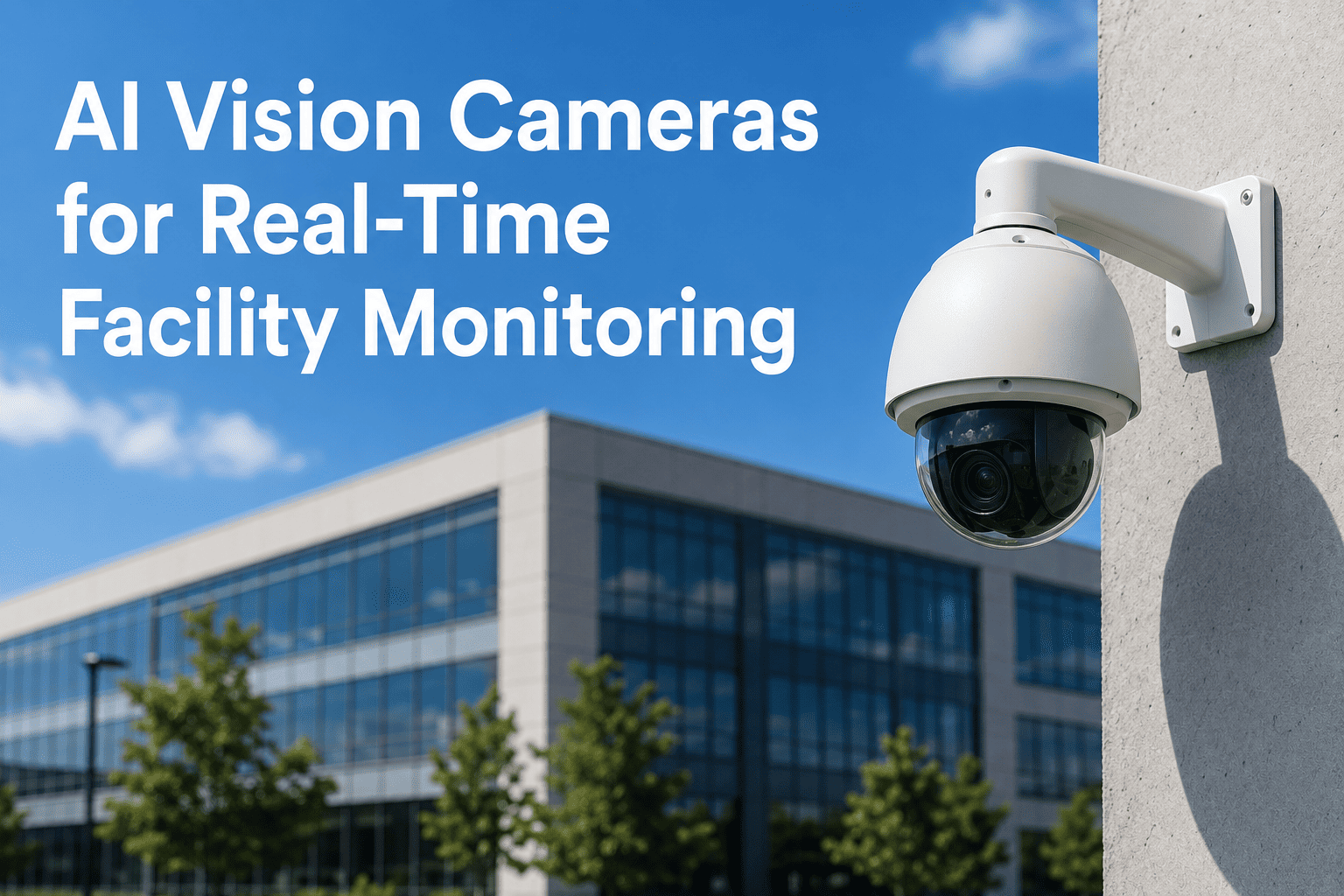
AI vision inspection can be deployed at three hardware tiers. Tier 1 (lowest cost) — use existing security cameras with OxMaint's AI processing at edge or cloud, requiring no new hardware for zones already covered by surveillance. Tier 2 (moderate investment) — add low-cost PTZ cameras ($200–500 each) to cover uncovered zones (mechanical rooms, loading docks, rooftops). Tier 3 (highest detail) — deploy drone or robotic inspection for facades, large warehouses, and parking structures. For handheld inspection, any smartphone with 12MP+ camera works. OxMaint's processing pipeline accepts standard RTSP streams from any ONVIF-compliant camera, plus batch uploads from drone surveys.
Sign in to assess your existing camera coverage.How accurate is AI defect detection compared to a trained facility inspector?
In controlled lighting conditions with high-resolution cameras (4K+), AI vision systems achieve 88–94% accuracy for trained defect types (cracks, water stains, rodent droppings, cleanliness) compared to ground truth by certified inspectors. In variable lighting (outdoor facades, warehouses with daylight changes), accuracy ranges 82–88%. The key difference is consistency: AI maintains this accuracy for every inspection cycle, every hour. Human inspectors start at 85–92% accuracy in the first 30 minutes of a walkthrough, dropping to 50–65% by the final 30 minutes. AI also detects at pixel-level granularity, identifying 0.5mm crack width changes imperceptible to the human eye. For high-risk assets (facades, roofs, electrical rooms), AI's combination of high accuracy, perfect consistency, and pixel-level trend detection outperforms human-only inspection.
Book a demo to see side-by-side AI vs. manual detection validation.How does AI vision track defect progression between inspection cycles?
AI vision systems use pixel-level image registration to align inspection images from different dates to the same coordinates. For crack detection, the system maps crack length, width, and branching pattern to a reference image from the prior inspection. Changes as small as 0.5mm width increase or 5mm length extension trigger progression alerts. For water stains, the system compares stain area (pixels) and density (color intensity) across dates — a 25% area increase triggers active leak investigation. Progression tracking is the single largest advantage of AI vision over manual inspection; humans cannot reliably compare crack widths across inspection cycles without measurement tools and precise photographic alignment. OxMaint's temporal viewer overlays current and prior inspection images with difference highlighting — making progression visible in seconds.
Start a free trial to test progression tracking on your building images.Can AI vision inspection integrate with existing work order and compliance systems?
Yes. OxMaint's AI vision module was designed for CMMS integration from the ground up. Every detected defect creates a timestamped record with: defect type classification, severity score, location coordinates (from camera orientation or geo-tagging), inspection date, and image link. Configurable auto-generation rules create work orders based on defect severity, location, and prior detection history. A first-time detection of rodent droppings (severity low) → creates inspection work order for pest control vendor. A repeat detection in same zone 14 days later (severity medium) → escalates to treatment work order. A leaking pipe detection above electrical panel (severity high) → creates emergency work order bypassing normal queue. Work order status (completed, deferred) feeds back into vision inspection history — marking defects as resolved or still open at next inspection cycle.
Book a demo to see defect-to-WO automation in action.
AI VISION INSPECTION — OXMAINT
Every Defect Visible Is Now Detectable. Every Detection Now Becomes a Work Order.
Crack progression · Water stains · Pest intrusion · Cleanliness · Equipment condition — AI vision on your existing cameras, drones, and handheld devices, with auto-generated work orders at configurable thresholds.