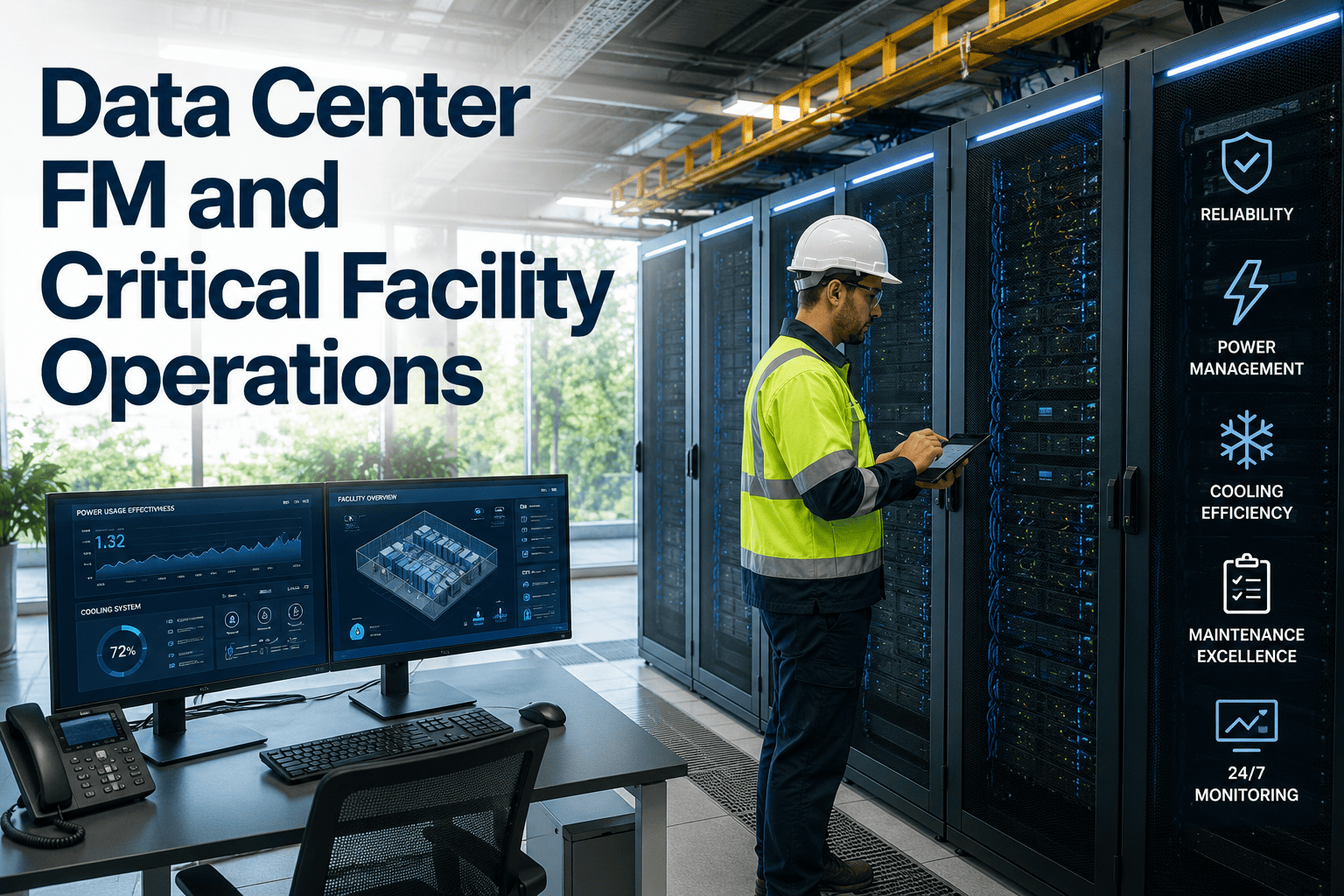
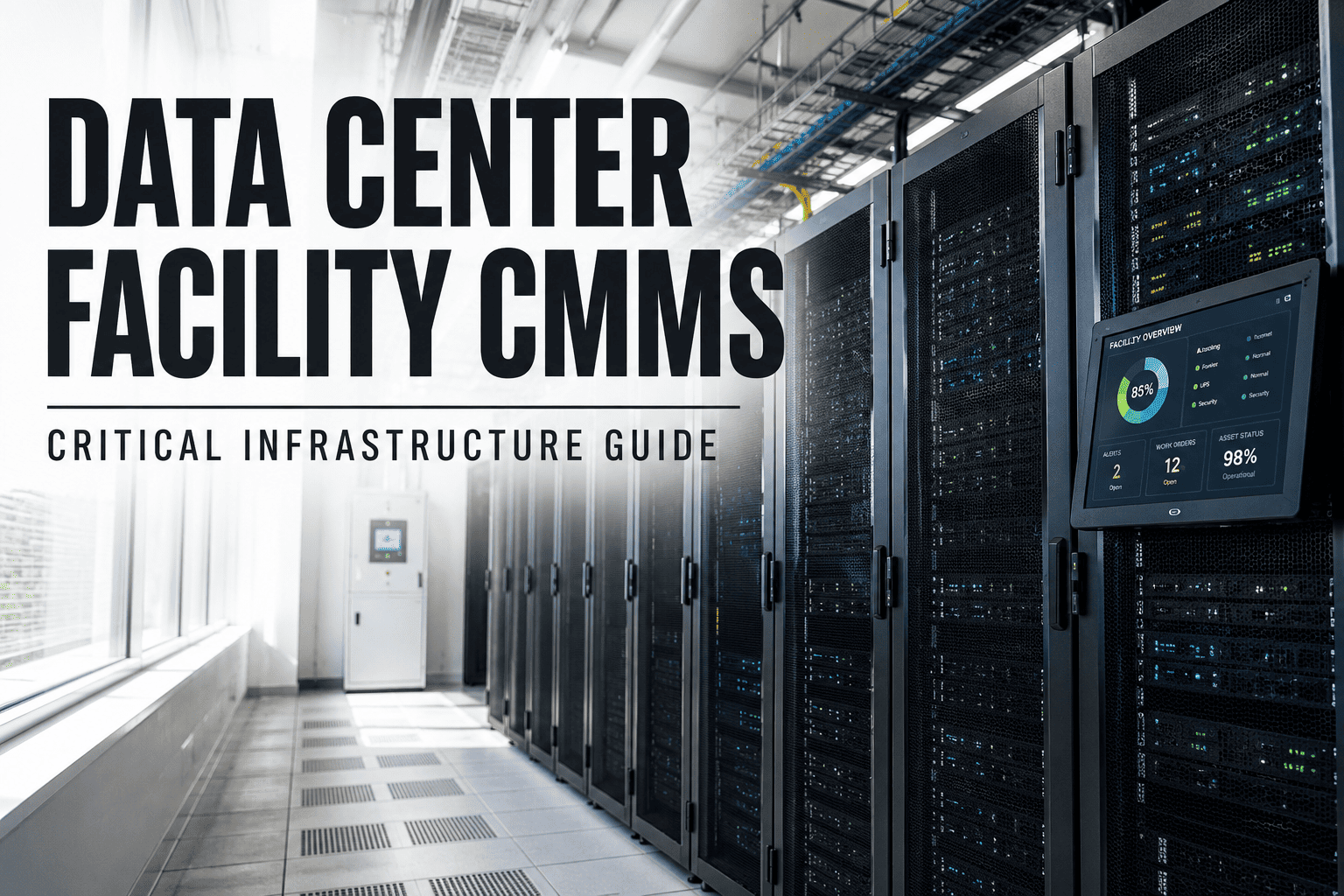
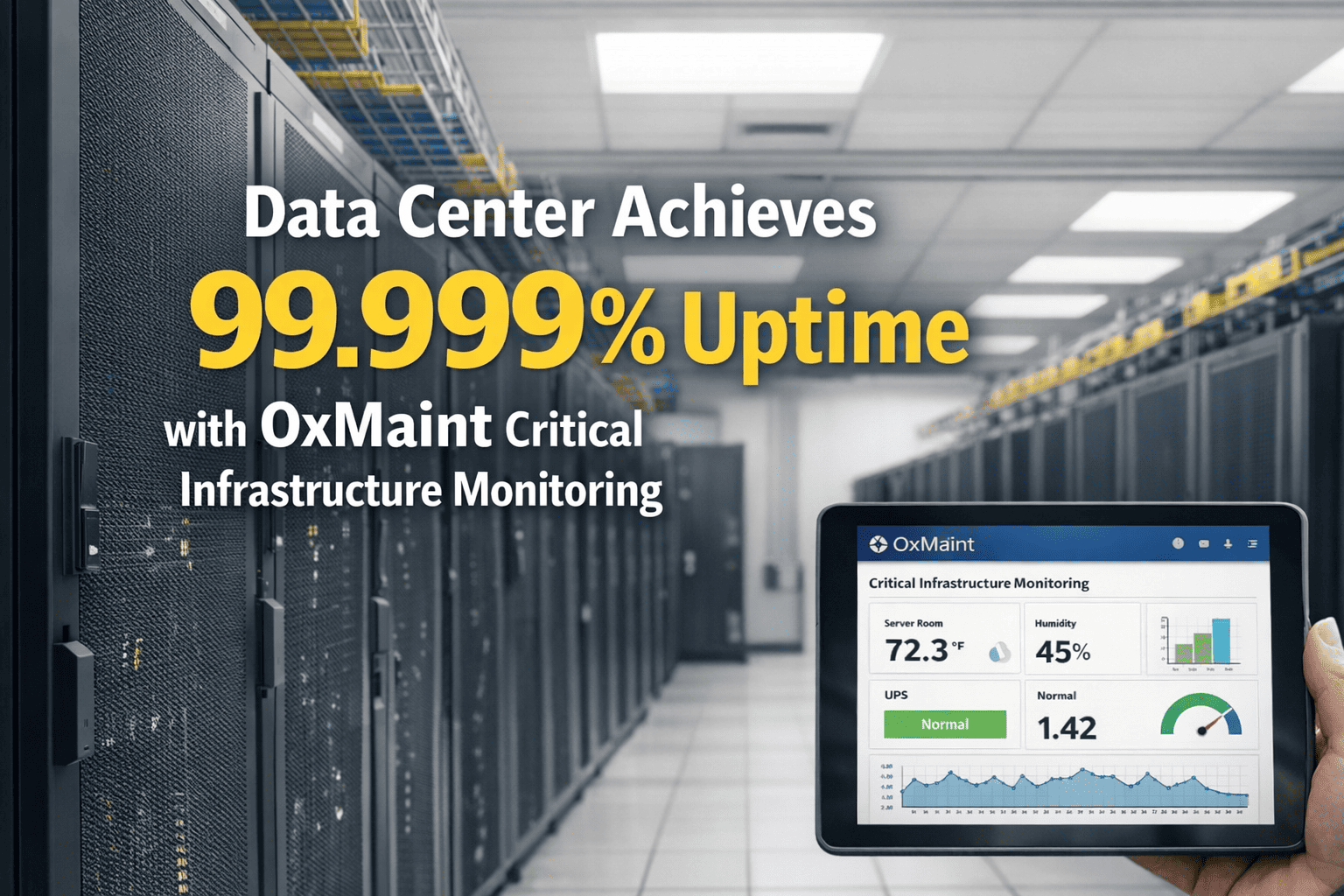
Data center facility management operates at a risk threshold no other built environment matches. A cooling failure can take a rack to thermal shutdown in under 4 minutes. A UPS maintenance gap discovered during a utility outage is not a compliance issue. It is a site outage. Tier III and IV redundancy is only as reliable as the maintenance programme that keeps each redundant component in verified operational condition. FM teams managing data center infrastructure without asset-level PM schedules and compliance documentation are managing a facility whose uptime guarantee is built on an assumption, not a verified record. Book a demo to see how Oxmaint structures data center FM for critical infrastructure.
Critical Infrastructure Asset Management, PM Scheduling, and Compliance Documentation in One Platform
Oxmaint gives data center FM teams an asset register with criticality scoring, PM schedules per redundancy level, work order management with outage risk flags, and Tier compliance documentation exportable on demand. Go live in under 14 days. Book a demo to see the critical infrastructure FM module configured for your facility type.
The Four Critical Infrastructure Systems in Data Center FM
Critical Data Center Assets and Maintenance Requirements
Asset-Level PM for Every Redundant Component. Path A and Path B Tracked Independently.
Oxmaint tracks each UPS, generator, CRAC unit, and PDU as a separate asset with independent PM schedule, test history, and compliance record. Path A and Path B are never confused. Every result is timestamped, technician-attributed, and exportable. Book a demo to see Oxmaint configured for your facility's redundancy architecture.
Data Center FM: Reactive vs Critical Infrastructure Approach
| FM Area | Critical Infrastructure Approach with Oxmaint | Reactive without CMMS |
|---|---|---|
| UPS and battery PM | Each UPS and battery string tracked as individual assets. Discharge test results stored per unit with capacity percentage and impedance values. Annual history exportable for Tier audits. | UPS maintenance tracked informally. Battery replacement driven by age estimate rather than tested capacity. Discharge test results in paper logs not linked to specific units. |
| Generator load testing | Monthly load test work orders auto-generated per generator with kilowatt, fuel consumption, and ATS transfer time pre-loaded. Annual full-load test linked to Tier documentation requirements. | Generator tests scheduled manually. Transfer time not consistently captured. Full-load test documentation assembled manually before each certification cycle. |
| Cooling PM compliance | Quarterly CRAC PM work orders generated per unit. Filter change, coil cleaning, and refrigerant check results stored per unit asset record. Airflow balance readings retained for trend analysis. | Cooling PM tracked by floor or zone rather than per unit. Deferred filters and coil cleaning increase PUE and create hot spots. No per-unit PM history for root cause analysis. |
| Tier compliance documentation | All maintenance records exportable by system category, date range, and Tier requirement. Uptime Institute and TIA-942 audit preparation completes in under 4 hours. Zero manual document assembly. | Tier audit preparation requires 3 to 6 weeks of manual record search across paper logs, spreadsheets, and contractor reports. Documentation gaps result in conditional certification. |
ROI: What Critical Infrastructure FM Delivers
Continue Reading: Industry-Specific FM
Frequently Asked Questions
QHow does Oxmaint track N+1 redundant systems so that Path A and Path B are maintained independently?
QCan Oxmaint generate the maintenance documentation required for Uptime Institute Tier certification audits?
QWhat PM frequency does Oxmaint recommend for CRAC and CRAH units in high-density data halls?
QHow does Oxmaint handle generator monthly load testing documentation for multiple generator sets?
Asset-Level PM. Redundancy Path Tracking. Tier Compliance Documentation Ready on Demand.
Oxmaint connects data center asset records, PM schedules per redundant component, work order management with outage risk flags, and Tier compliance documentation into one platform. Go live in under 14 days with no implementation project required.