In modern facility operations, power continuity is non-negotiable. It's the middle of a critical production run or a surgical procedure when the mains power fails. The Diesel Generator (DG) set is supposed to kick in immediately—but it doesn't. A silent battery failure or a clogged fuel filter has rendered the backup system useless. This scenario leads to operational disruptions, financial losses, and safety risks. However, with AI-powered predictive maintenance, this story changes. Instead of a failure, the facility manager received an alert weeks ago: "Battery voltage degradation detected. Predicted failure in 14 days." The battery was replaced during a scheduled window, and the power transition was seamless. Start your free OXmaint trial to modernize your facility's power resilience.
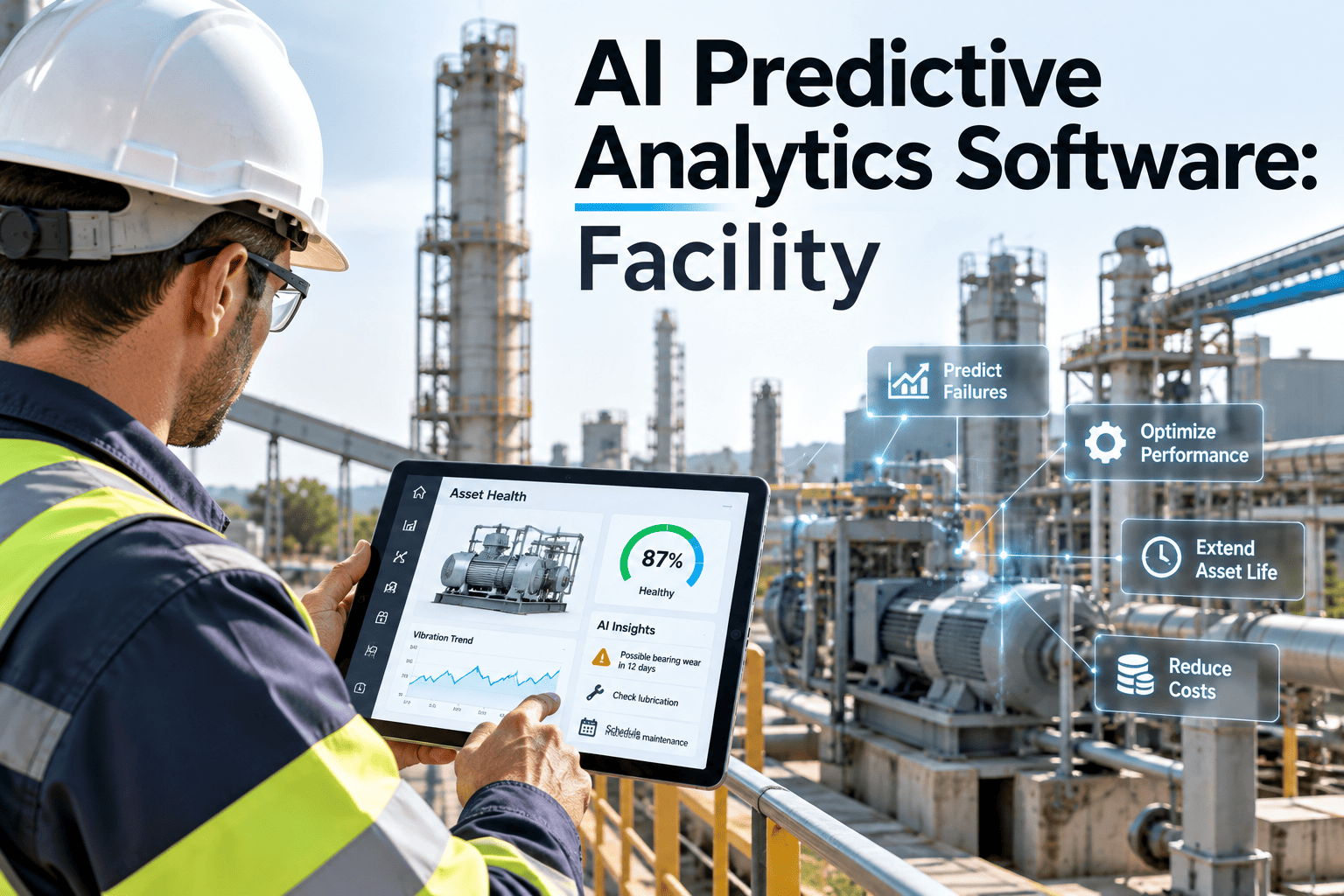
AI-powered predictive maintenance is revolutionizing DG set management by enabling facilities to anticipate failures before they occur. Through intelligent data analysis, machine learning models, and real-time monitoring, organizations can move from “fixing problems after failure” to “preventing failures before they happen.”
Oil pressure, oil quality, degradation patterns, particulate analysis, pressure drops
Coolant temperature, overheating patterns, radiator efficiency, exhaust gas temperature
Fuel consumption rates, efficiency trends, fuel levels, injection timing, emission levels
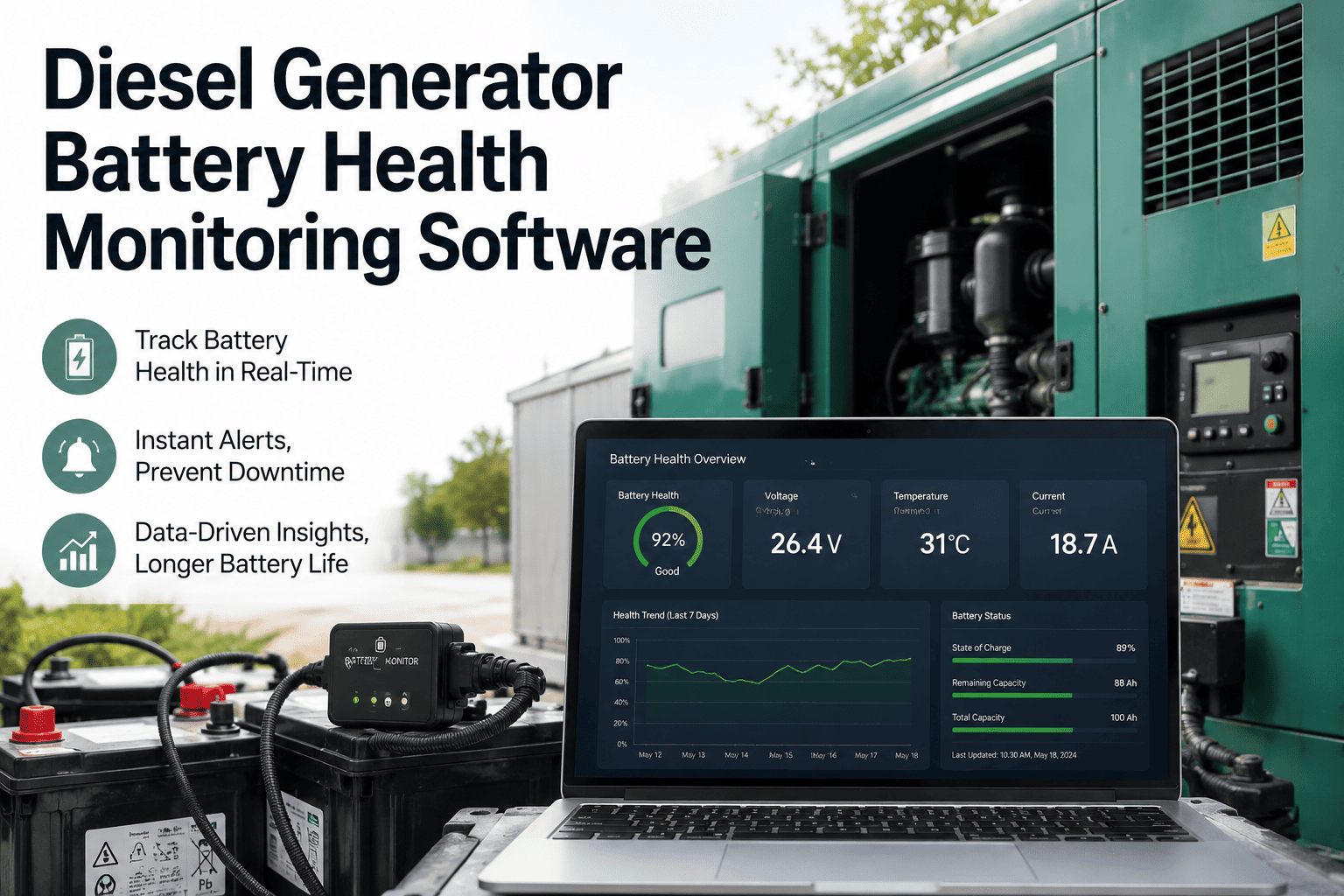
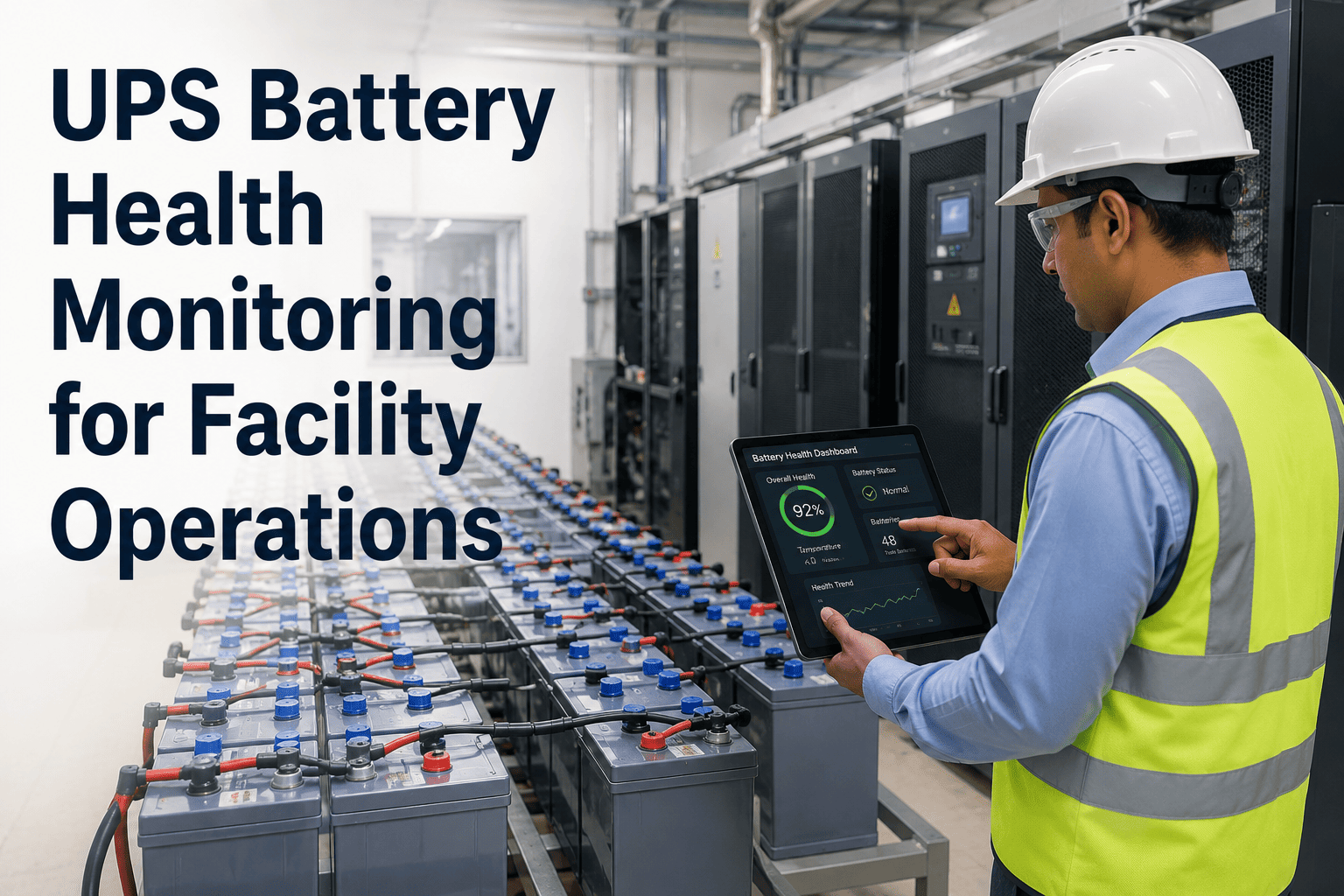
Battery voltage, charging cycles, cranking health, alternator output, load fluctuations
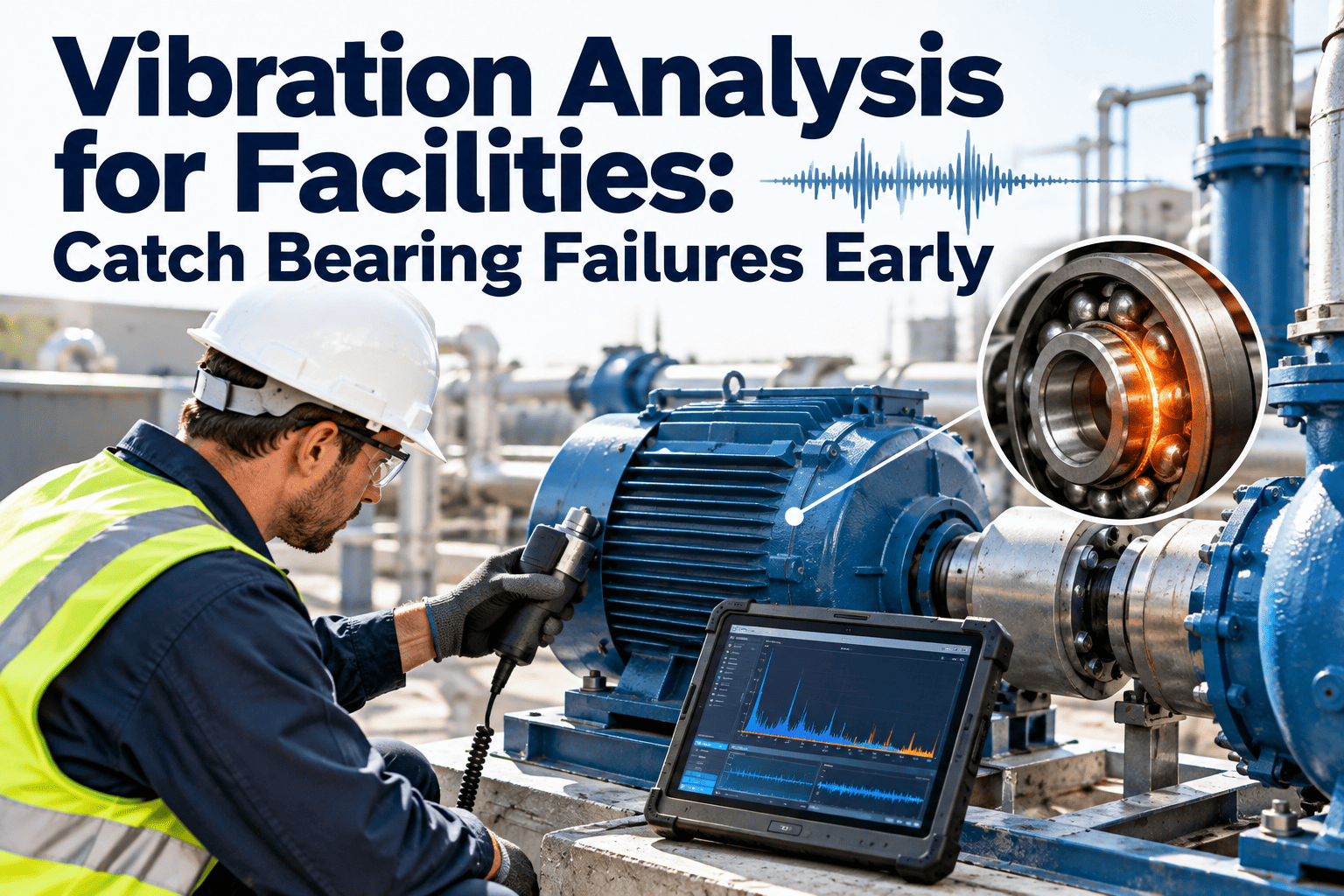
Vibration levels indicating imbalance, mounting issues, or bearing wear
Healthcare & Hospitals
Uninterrupted power is essential for life support systems. Zero tolerance for start-up failure.
Data Centers
Requires 99.999% uptime. Predictive maintenance ensures backup power handles load immediately.
Commercial Complexes
Protects IT infrastructure and ensures tenant comfort during grid outages.
Manufacturing Plants
Prevents production line stoppages and material waste due to sudden power loss.
Airports & Metro
Critical infrastructure requiring absolute reliability for safety and operations.
1. What is predictive maintenance for DG sets?
Predictive maintenance for DG sets is a data-driven maintenance approach that uses AI, machine learning, and real-time sensor data to predict potential equipment failures before they occur. Unlike reactive or time-based maintenance, it focuses on the actual health and operating condition of the DG set.
2. How does AI help in predicting DG set failures?
AI analyzes historical and real-time data such as temperature, vibration, oil pressure, fuel consumption, and load patterns. Machine learning algorithms identify abnormal trends and simulate failure scenarios, allowing maintenance teams to take corrective action before breakdowns happen.
3. What types of DG set failures can predictive maintenance detect?
AI-powered systems can detect and predict:
- Engine overheating issues
- Fuel system inefficiencies and blockages
- Battery degradation and charging failures
- Alternator and electrical faults
- Excessive vibration and mechanical wear
- Lubrication and oil quality degradation
4. Is predictive maintenance suitable for old or existing DG sets?
Yes. Predictive maintenance can be implemented on both new and existing DG sets. Retrofitting IoT sensors and integrating them with AI-based maintenance platforms enables condition monitoring even for legacy equipment.
5. How does predictive maintenance reduce DG set downtime?
By identifying early warning signs of failure, maintenance teams can schedule repairs during planned downtime rather than responding to emergency breakdowns. This proactive approach significantly reduces unplanned outages.
6. What data is required to implement AI-powered DG maintenance?
Key data inputs include:
- Runtime hours and load history
- Engine temperature and oil pressure
- Fuel usage and efficiency metrics
- Battery health data
- Vibration and acoustic signals
- Maintenance and failure history
The more data available, the more accurate AI predictions become.
7. How is predictive maintenance different from preventive maintenance?
Preventive maintenance follows fixed schedules regardless of equipment condition, which can lead to unnecessary servicing. Predictive maintenance uses AI insights to perform maintenance only when required, based on actual asset health.
8. Can predictive maintenance improve fuel efficiency in DG sets?
Yes. By identifying inefficient combustion, improper loading, and mechanical issues early, AI systems help optimize DG performance, resulting in reduced fuel consumption and lower emissions.
9. How does Oxmaint support predictive maintenance for DG sets?
Oxmaint provides an AI-enabled predictive maintenance platform that integrates real-time monitoring, failure prediction, automated work orders, and performance analytics—helping facility teams manage DG sets more efficiently.
10. What types of facilities benefit the most from AI-powered DG maintenance?
Facilities with critical power requirements benefit the most, including:
- Hospitals and healthcare centers
- Data centers
- Manufacturing plants
- Airports and transportation hubs
- Commercial and institutional buildings
11. Is AI-powered predictive maintenance expensive to implement?
While there is an initial investment in sensors and software, predictive maintenance delivers a high return on investment by reducing downtime, minimizing emergency repairs, extending asset life, and lowering overall maintenance costs.
12. How long does it take to see results after implementation?
Most facilities begin seeing measurable improvements—such as reduced breakdowns and better maintenance planning—within a few months of implementation, as AI models start learning from operational data.
13. Is predictive maintenance secure and compliant?
Yes. Enterprise-grade predictive maintenance platforms follow strict data security, access control, and compliance standards, ensuring safe handling of operational and maintenance data.