HVAC filter teams face a constant challenge: coordinating filter replacements across multiple units, tracking inventory, and maintaining compliance documentation—all while keeping building occupants comfortable and systems running efficiently. Integrated workflow solutions transform scattered tasks into streamlined operations, connecting field technicians with real-time data and automating the scheduling that once consumed hours of administrative time. Schedule a consultation to discover how workflow integration can revolutionize your filter maintenance operations.
Why Integration Matters for HVAC Filter Teams
Filter maintenance teams juggling paper checklists, spreadsheet tracking, and manual scheduling lose valuable time that could be spent on actual maintenance work. Disconnected systems lead to missed replacements, excess inventory costs, and compliance gaps that put building health at risk.
The Integration Advantage for Filter Teams
65%
Reduction in administrative time when filter schedules integrate directly with technician mobile devices
15-25%
Cost reduction achieved through automated workflows eliminating paper, overtime, and manual entry errors
15%
Energy savings from timely filter replacements—clogged filters force HVAC systems to work harder
Zero
Missed filter changes when automated scheduling and mobile alerts replace calendar reminders
Ready to streamline your filter maintenance workflow? Join HVAC teams already using integrated solutions to reduce costs and improve air quality outcomes.
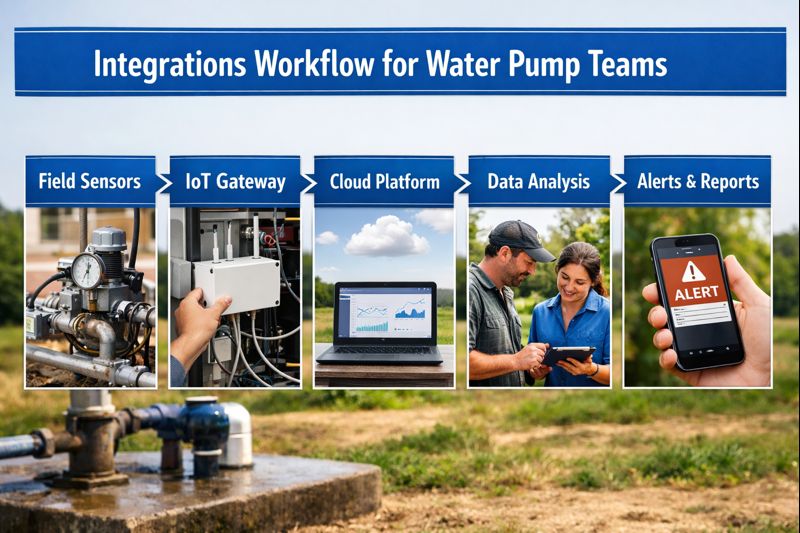
Modern HVAC filter management connects every touchpoint—from sensor readings and work order generation to parts inventory and compliance documentation—into a unified system that keeps teams informed and accountable.
Filter Team Workflow IntegrationFrom detection to completion
01
Smart Detection Triggers
Differential pressure sensors monitor filter loading in real-time. When pressure drop doubles from baseline—indicating filter saturation—the system automatically generates a replacement work order without manual intervention.
02
Intelligent Assignment
Work orders route to the nearest available technician based on skill level, current location, and workload balance. The system considers filter type requirements—HEPA versus standard pleated—when matching technicians to tasks.
03
Parts Verification
Before dispatch, the system confirms filter availability in inventory. If stock is low, automatic reorder triggers prevent technicians from arriving at sites without correct replacement filters—eliminating wasted trips.
04
Mobile Execution
Technicians receive complete job details on mobile devices—unit location, filter specifications, access instructions, and service history. Digital checklists guide consistent replacement procedures across all team members.
05
Documentation and Close-out
Photo verification, timestamp records, and digital signatures capture completion data automatically. Reports sync to compliance systems and building management dashboards in real-time. Sign up for Oxmaint to centralize filter documentation across all facilities.
Core Integration Capabilities
Effective filter team workflows require integration across multiple system types—from building automation to inventory management. Each connection point eliminates manual handoffs and creates opportunities for automation.
Workflow Integration Features
BMS Integration
Direct connection to Building Management Systems enables automatic work order creation when HVAC alerts trigger. High discharge temperatures generate jobs with correct filter parts pre-staged.
Mobile Synchronization
Field technicians access job details, customer history, and equipment specifications on phones and tablets. Real-time sync means office staff see updates instantly without phone calls or paperwork delays.
Inventory Connection
Filter usage automatically deducts from inventory counts. When stock reaches reorder points, purchase orders generate without manual intervention—ensuring parts availability for scheduled work.
Recurring Schedules
Set filter replacement intervals by unit, filter type, and seasonal requirements. The system builds out quarterly PM schedules automatically, assigning correct crews without manual booking each time.
Compliance Reporting
Indoor air quality audits pull data directly from service records. MERV rating compliance, replacement dates, and technician certifications compile into audit-ready documentation automatically.
Performance Analytics
Track filter life by location, identify units requiring more frequent changes, and benchmark technician productivity. Data-driven insights reveal optimization opportunities invisible to manual tracking.
See integrated filter workflows in action. Book a demo and we'll show you automated scheduling and mobile execution for your team.
Different filter types require different replacement intervals. Integrated workflow systems manage these variations automatically, ensuring each unit receives appropriate maintenance timing based on filter specifications and environmental conditions.
Automated Schedule Configuration
Filter Type
Standard Interval
Heavy-Use Adjustment
Workflow Trigger
Fiberglass (MERV 1-4)
30 days
Every 2-3 weeks
Calendar-based with pressure monitoring override
Pleated (MERV 8-11)
60-90 days
Every 30-45 days
Differential pressure threshold or scheduled date
High-Efficiency (MERV 13+)
30-60 days
Every 2-4 weeks
Pressure drop monitoring with compliance alerts
HEPA Filters
Based on pressure
Continuous monitoring
Pressure threshold only—not calendar intervals
Carbon/Specialty
Varies by application
Site-specific
Custom rules per installation requirements
Integrated systems adjust intervals automatically based on actual runtime hours, seasonal demand changes, and environmental factors specific to each building location.
Manual vs. Integrated Workflows
The difference between disconnected processes and integrated systems becomes clear when examining daily operations. Teams using connected workflows complete more jobs with fewer errors and less administrative overhead.
Filter Team Workflow Comparison
Disconnected Approach
X
Spreadsheet-based filter tracking across buildings
Manual calendar reminders for replacement schedules
Phone calls to coordinate technician assignments
Paper checklists with delayed data entry
Separate systems for inventory and work orders
40%of admin time spent on coordination
Integrated Workflow
✓
Centralized asset registry with filter specifications
Automated scheduling with intelligent assignment
Mobile work orders with real-time updates
Digital documentation synced instantly
Unified platform for all maintenance data
85%more jobs completed per technician
Connect Your Filter Team Workflows
Oxmaint unifies filter scheduling, technician dispatch, inventory tracking, and compliance documentation in one platform—giving your team the visibility and automation needed to maintain air quality standards across every building you serve.
Workflow integration benefits scale with team complexity. Small operations gain efficiency through mobile access and automated reminders. Larger organizations unlock value through multi-location coordination and advanced analytics.
Integration Benefits by Operation Scale
Team Size
Primary Integration Value
Key Features
1-5 Technicians
Eliminate paperwork and scheduling conflicts
Mobile work orders, automated reminders, basic reporting
HVAC teams implementing integrated workflow solutions report consistent improvements across operational efficiency, compliance rates, and cost management. The data demonstrates clear return on integration investments.
Documented Integration BenefitsBased on CMMS implementation data across service organizations
65%
Less admin time on scheduling
95%
PM completion rate achieved
25%
Reduction in operating costs
80%
Faster compliance reporting
Calculate your potential efficiency gains. Create a free Oxmaint account and our team will help model the ROI for your filter operations.
Successful workflow integration follows a structured approach—starting with asset documentation, progressing through system configuration, and scaling to full automation. Most filter teams achieve operational benefits within the first month.
Integration Deployment Timeline
Week 1
Asset Documentation
Catalog all HVAC units and filter specsDocument current replacement schedulesMap inventory locations and SKUs
Week 2
System Configuration
Set up user accounts and permissionsConfigure recurring PM schedulesBuild digital checklists and forms
Week 3
Team Training
Mobile app training for techniciansDispatch workflow for coordinatorsReporting basics for management
Week 4+
Optimization
Activate automated triggersConnect BMS and inventory systemsRefine workflows based on feedback
Filter maintenance seems simple until you're managing hundreds of units across dozens of buildings with a team that changes by the day. Integration transforms chaos into a system where nothing falls through the cracks—every filter gets changed on schedule, every technician knows exactly what's needed, and compliance documentation builds itself.
— Facilities Maintenance Director
System Connection Points
HVAC filter workflow platforms integrate with existing business systems to create seamless data flow. Each connection eliminates duplicate entry and ensures consistent information across all operational touchpoints.
Integration Capabilities
System Type
Integration Method
Data Exchange
Building Management
Real-time API connection
HVAC alerts trigger work orders; completion data returns to BMS dashboards
Inventory/Purchasing
Bidirectional sync
Parts usage updates stock levels; low inventory triggers purchase orders
Accounting/ERP
Scheduled batch transfer
Labor costs, parts usage, and job completion sync to financial systems
Customer Portals
Status feed
Building occupants see upcoming maintenance and completion confirmations
IoT Sensors
Event-driven triggers
Pressure differential data generates condition-based work orders
Transform Filter Team Operations with Integrated Workflows
Your spreadsheets can't coordinate technicians across buildings, track filter inventory in real-time, or generate compliance reports automatically. Oxmaint connects every aspect of filter maintenance—scheduling, dispatch, execution, and documentation—into a unified workflow that keeps your team efficient and your buildings healthy.
How quickly can filter teams start using integrated workflows?
Most teams complete initial setup within one to two weeks and see immediate benefits from mobile work orders and automated scheduling. Full integration with existing systems typically takes three to four weeks, depending on complexity. Schedule a consultation to discuss timeline for your specific operation.
Can the system handle different filter types and schedules across buildings?
Yes. Each HVAC unit maintains its own filter specifications, MERV ratings, and replacement intervals. The system automatically adjusts schedules based on filter type—30 days for fiberglass, 90 days for pleated, pressure-based for HEPA—and can incorporate seasonal adjustments for high-use periods.
What if technicians don't have reliable internet access in the field?
Mobile apps work offline, storing job information and allowing technicians to complete checklists, capture photos, and record notes without connectivity. Data syncs automatically when connection resumes—nothing is lost. Sign up for a free account to test mobile functionality.
How does integration help with compliance documentation?
Every filter replacement creates a timestamped record with technician identification, before/after photos, and completion verification. These records compile automatically for indoor air quality audits, building certifications, and regulatory reporting—eliminating manual documentation assembly.
Can the system connect to our existing Building Management System?
Modern CMMS platforms support standard protocols including Modbus, OPC-UA, and BACnet for BMS integration. When your BMS detects high pressure drop or HVAC performance issues, the maintenance system automatically generates work orders with relevant equipment data attached. Book a demo to discuss integration with your specific systems.