Managing Uninterruptible Power Supply (UPS) systems demands precision, coordination, and real-time visibility across maintenance teams. Traditional approaches involving spreadsheets, manual logs, and disconnected systems leave critical gaps that can result in costly downtime and equipment failures. Modern CMMS integrations transform how UPS teams operate by connecting monitoring systems, automating workflows, and centralizing maintenance data into a single actionable platform. Schedule a consultation to explore how integrated workflows can streamline your UPS maintenance operations.
Why Integration Matters for UPS Maintenance Teams
UPS systems protect critical infrastructure across data centers, hospitals, manufacturing facilities, and commercial buildings. When these systems fail, the consequences extend far beyond simple inconvenience—they can mean data loss, production shutdowns, or even safety hazards. Integrated workflows address the unique challenges that UPS maintenance teams face daily.
The Impact of Integrated UPS Maintenance Workflows
$740K
Average cost of a single data center outage—preventable with proactive UPS maintenance integration
67%
Of downtime events stem from preventable causes including insufficient maintenance and component aging
20%
Of UPS failures occur due to bad batteries alone—detectable through automated monitoring integration
10x
Improvement in maintenance ROI when predictive maintenance programs are properly integrated with CMMS
Ready to eliminate UPS maintenance blind spots? Join facilities using integrated workflows to maximize uptime and reduce emergency repairs.
Effective UPS maintenance integration connects multiple systems and data sources into unified workflows that enable proactive decision-making. From real-time monitoring to automated work order generation, each integration point strengthens your overall maintenance strategy.
Integrated UPS Maintenance Workflow ArchitectureFrom monitoring to action in real-time
01
Real-Time UPS Monitoring
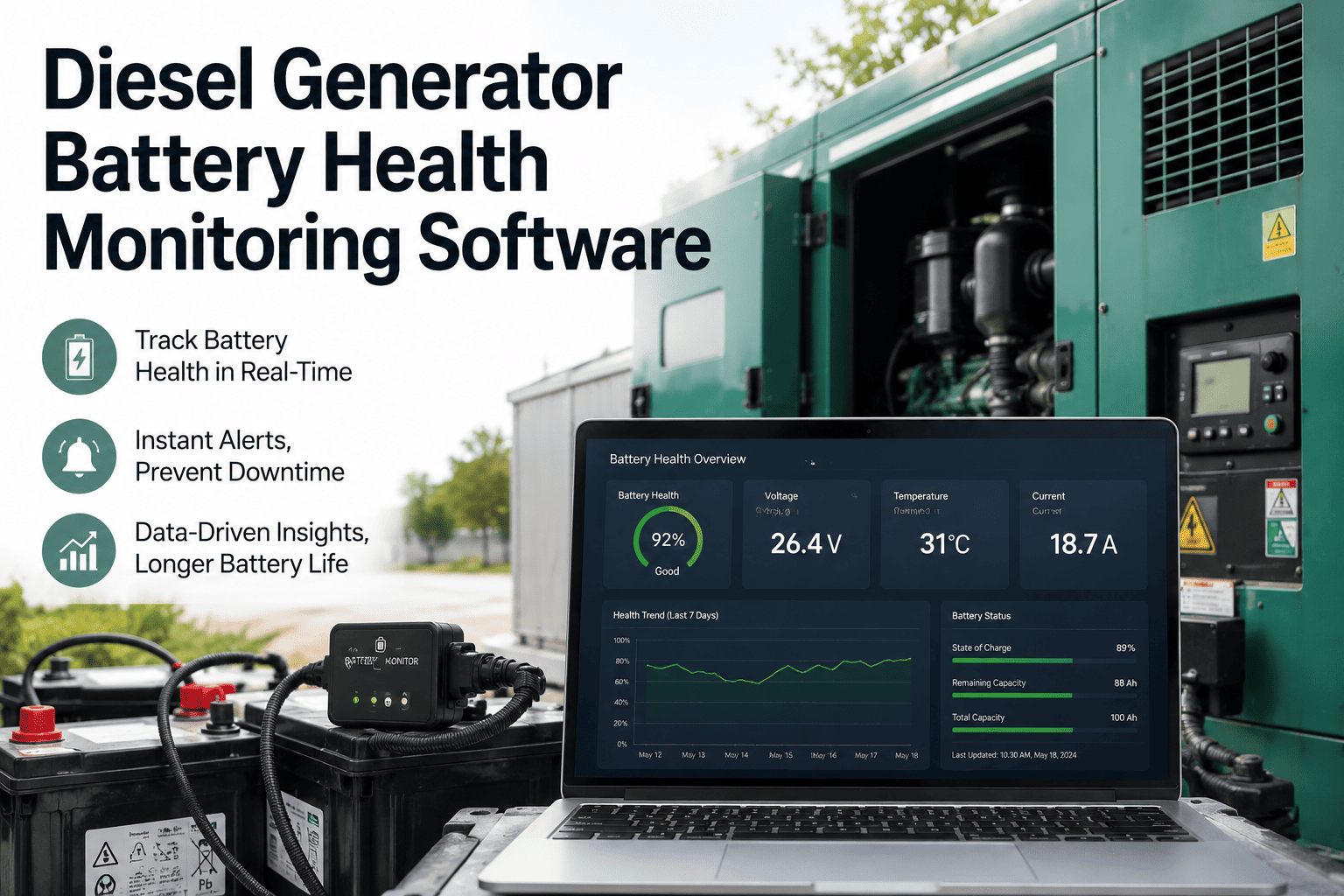
IoT sensors and SNMP protocols continuously track battery health, load levels, input/output voltage, temperature, and runtime metrics. Cloud-based platforms aggregate data from distributed UPS units across multiple sites into unified dashboards.
02
Automated Alert Processing
When monitoring detects anomalies—battery degradation, capacity issues, temperature spikes, or fault codes—the system automatically triggers notifications via email, SMS, and push alerts to designated team members based on severity levels.
03
CMMS Work Order Generation
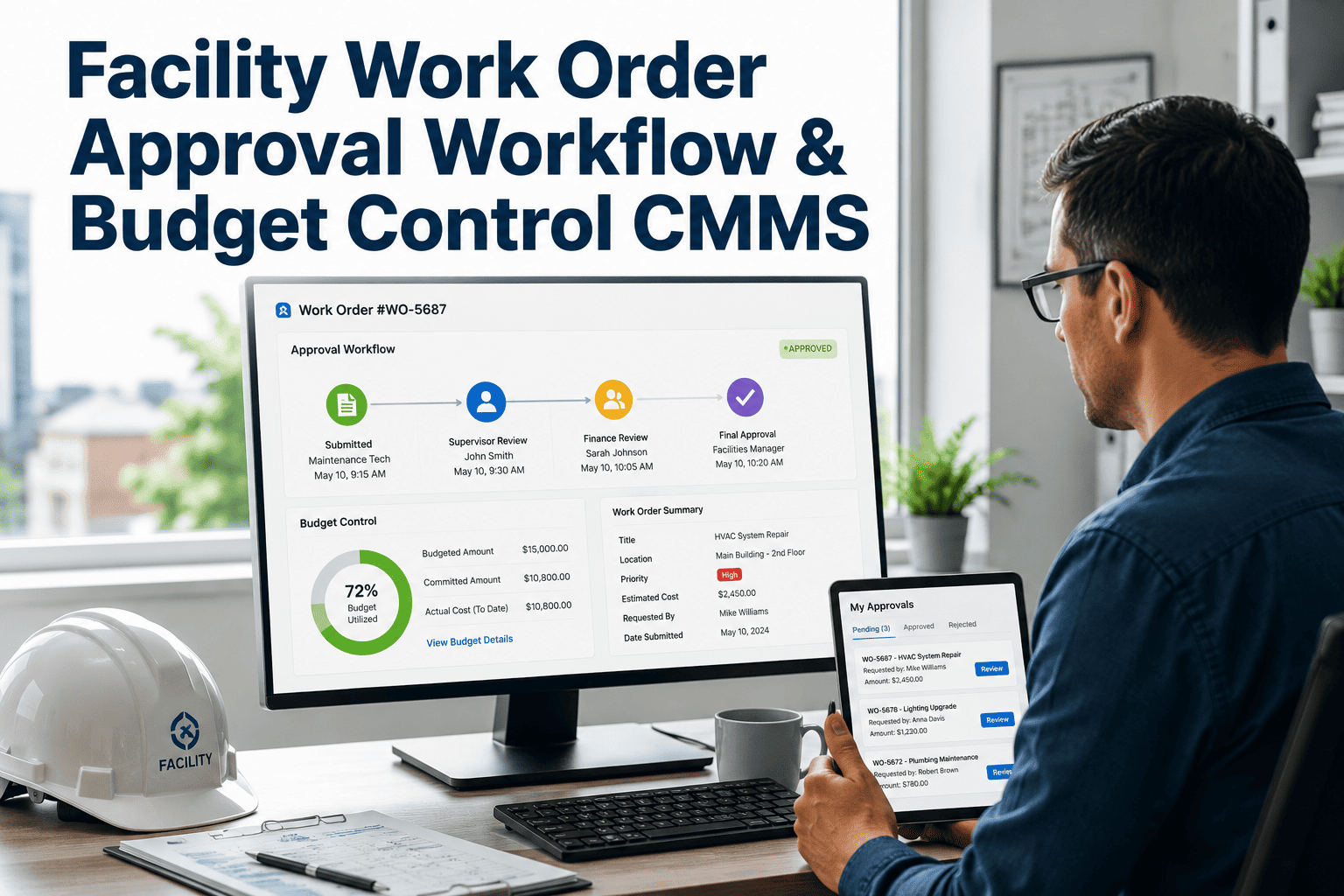
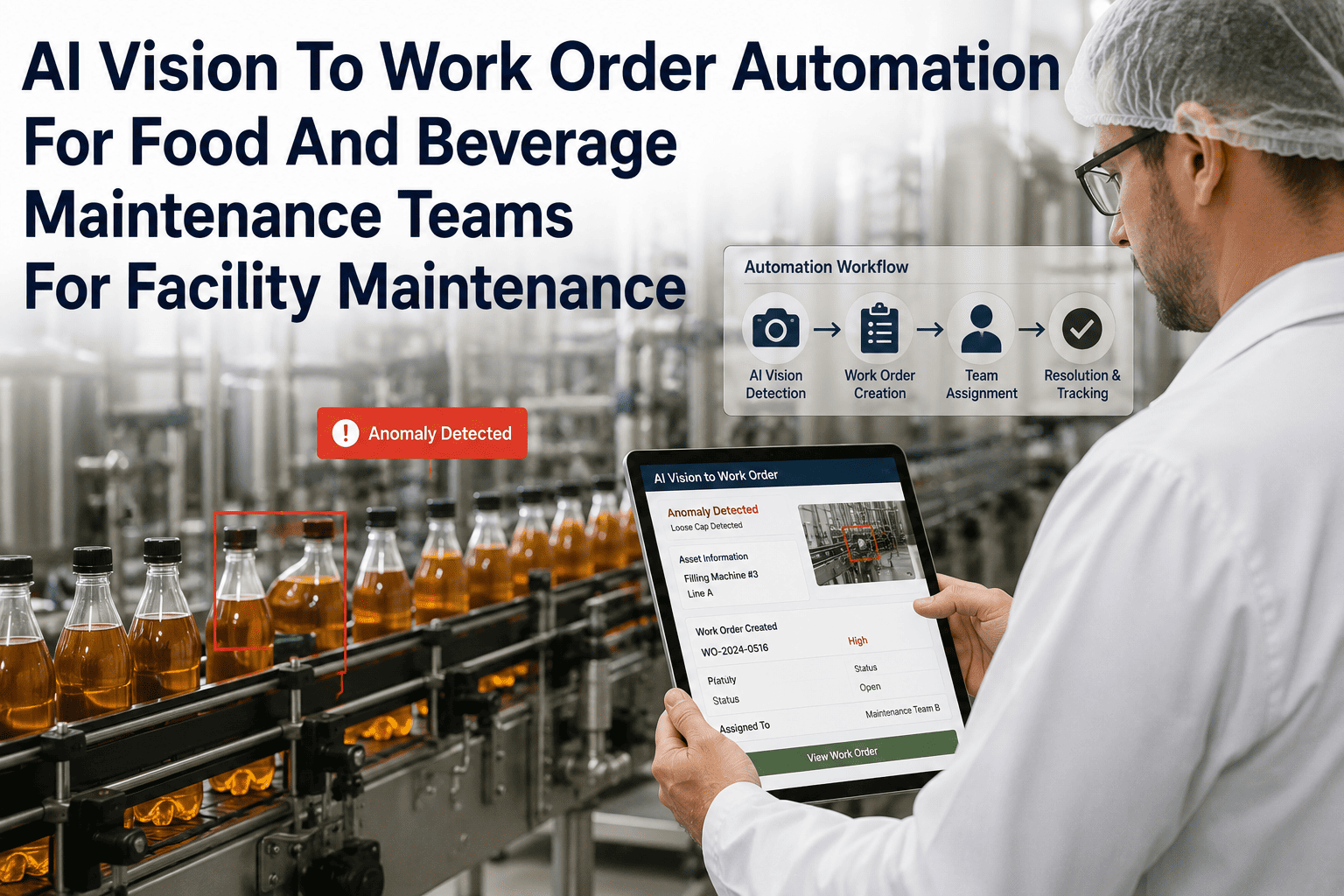
Critical alerts automatically create work orders in your CMMS with pre-populated asset information, failure codes, and recommended procedures. Technicians receive assignments instantly with complete context for faster response. Sign up for Oxmaint to automate your UPS work order workflows.
04
Parts and Inventory Sync
Work orders automatically check parts availability, reserve required components, and trigger reorder alerts when inventory drops below thresholds. Battery replacement schedules sync with procurement timelines to prevent stockouts.
05
Documentation and Compliance
Completed maintenance activities automatically update asset histories, generate compliance reports, and feed historical data back into predictive models. Every inspection, test result, and repair becomes part of a searchable audit trail.
Essential Integration Points for UPS Teams
Modern UPS maintenance requires seamless connections between monitoring platforms, maintenance management systems, and operational tools. Each integration point eliminates manual data entry, reduces errors, and accelerates response times.
Key System Integrations
Power Monitoring Systems
Connect SNMP-enabled UPS units, PDUs, and power monitoring software to receive real-time status updates on battery health, load capacity, and environmental conditions across your entire fleet.
Building Management Systems
Integrate with BMS and DCIM platforms to correlate UPS performance with facility-wide power distribution, cooling systems, and environmental controls for holistic infrastructure management.
ERP and Financial Systems
Sync maintenance costs, parts purchases, and labor hours with accounting systems for accurate budgeting, cost tracking, and financial reporting on critical power infrastructure.
Mobile Field Service
Enable technicians to access work orders, asset histories, and documentation from any device. Capture inspection photos, update status, and record test results in real-time from the field.
Vendor Management
Track service contracts, warranty information, and third-party maintenance schedules. Automatically notify vendors when specialized support is required for complex repairs or certifications.
Calendar and Scheduling
Sync preventive maintenance schedules with team calendars, shift planning systems, and resource allocation tools. Ensure the right technicians are available for critical maintenance windows.
See integrated UPS workflows in action. Book a demo to explore how Oxmaint connects your monitoring systems with maintenance operations.
Understanding the operational differences between disconnected and integrated approaches reveals why leading facilities are transitioning to unified maintenance platforms for their critical power infrastructure.
UPS Maintenance Approach Comparison
Disconnected Systems
X
Manual inspection logs and paper-based tracking
Reactive response to failures after they occur
Siloed data between monitoring and maintenance teams
Delayed communication across shifts and locations
Limited visibility into fleet-wide UPS health
Hoursto detect and respond to critical issues
Integrated Workflows
✓
Automated data capture and digital documentation
Proactive alerts before failures occur
Unified platform for all maintenance activities
Real-time communication and status updates
Complete visibility across all UPS assets
Minutesfor automated detection and response
UPS Maintenance Task Categories
Comprehensive UPS maintenance programs include multiple task categories, each benefiting from workflow integration. Automated scheduling and tracking ensure nothing falls through the cracks while maintaining complete audit trails.
Integrated Maintenance Task Framework
Task Category
Frequency
Integration Benefits
Automation Opportunity
Visual Inspections
Weekly/Monthly
Mobile checklists, photo documentation, instant reporting
Scheduled reminders, pre-populated forms, automatic history logging
Battery Health Checks
Monthly/Quarterly
Impedance testing data sync, trend analysis, degradation alerts
Auto-generate replacement work orders when thresholds exceeded
Load Bank Testing
Annually
Test results logged to asset records, performance trending
Schedule coordination with operations, equipment booking
Predictive replacement based on age and condition data
Firmware Updates
As Released
Vendor notification integration, version tracking
Automated alerts for available updates, change management workflow
Environmental Monitoring
Continuous
Temperature/humidity sensors, alarm correlation
HVAC system coordination, automatic escalation procedures
Integrated workflows ensure each task type follows standardized procedures while capturing data for continuous improvement and compliance documentation.
Transform Your UPS Maintenance Operations
Oxmaint connects your UPS monitoring systems, maintenance workflows, and team communications into a unified platform—enabling proactive maintenance, faster response times, and complete visibility across your critical power infrastructure.
Successful integration deployment follows a structured approach that minimizes disruption while maximizing adoption. Starting with high-impact workflows and expanding systematically ensures sustainable results.
Integration Deployment Timeline
Week 1-2
Assessment
Audit existing UPS assets and systemsMap current maintenance workflowsIdentify integration priorities
Week 3-4
Configuration
CMMS platform setup and asset importMonitoring system connectionsAlert and escalation rules
Week 5-6
Training
Team onboarding and mobile app setupWorkflow testing and refinementDocumentation and procedures
Week 7+
Optimization
Performance monitoring and KPI trackingAdditional integrations rolloutContinuous improvement cycles
Measuring Integration Success
Integrated UPS maintenance workflows deliver measurable improvements across multiple performance dimensions. Tracking these metrics demonstrates ROI and identifies opportunities for further optimization.
Key Performance ImprovementsBased on integrated maintenance program implementations
80%
Faster issue detection vs. manual monitoring
55%
Reduction in administrative time
60%
Decrease in unplanned downtime
45%
Improvement in first-time fix rates
Calculate your potential savings. Create a free Oxmaint account and our team will help model the ROI for your UPS maintenance integration.
UPS maintenance integration requirements vary by industry, with each sector facing unique challenges and compliance requirements. Understanding these differences helps tailor integration strategies for maximum impact.
Integration Focus by Industry
Industry
Critical Requirements
Key Integrations
Data Centers
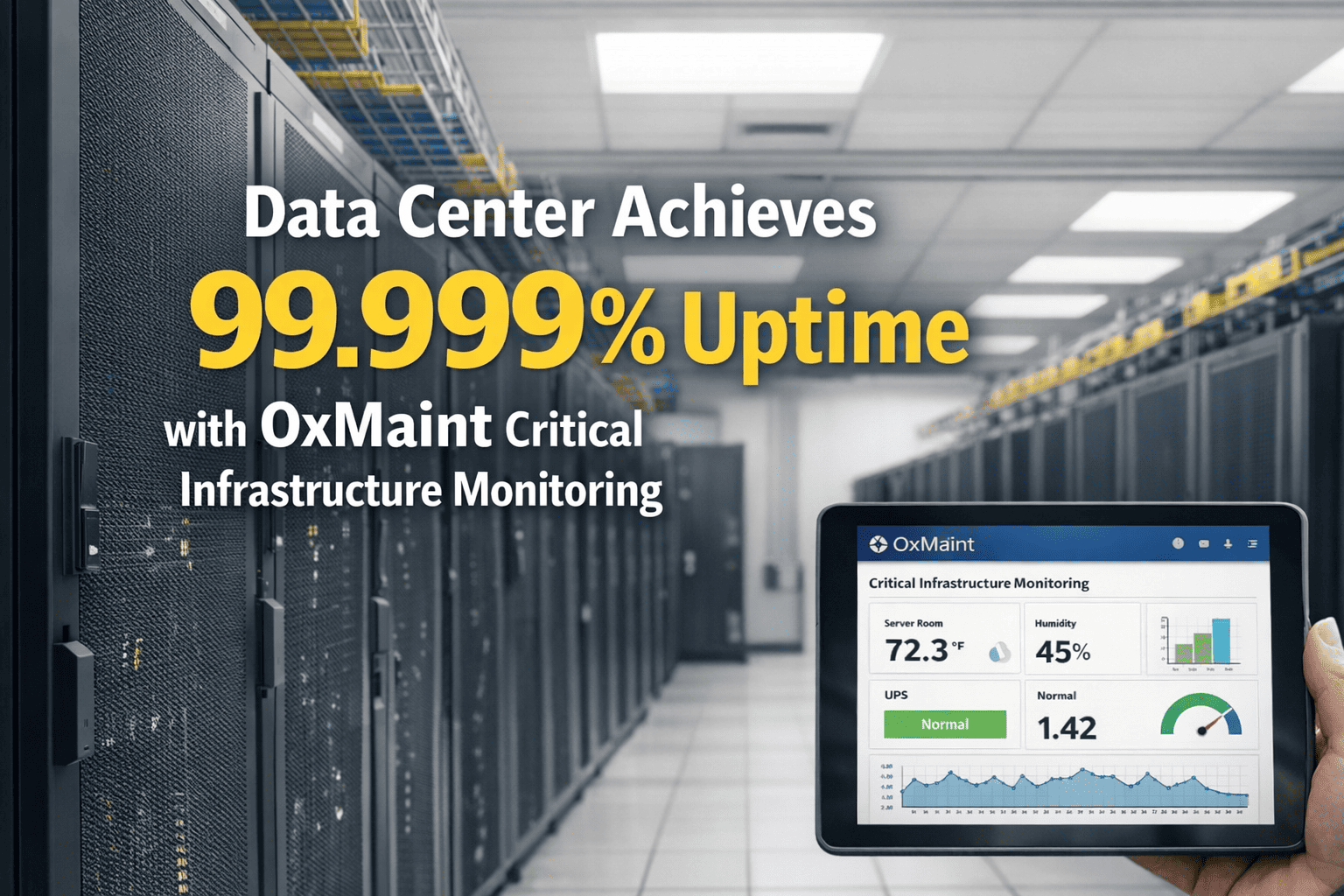
99.999% uptime, rapid failover, load balancing
DCIM, BMS, capacity planning, thermal monitoring
Healthcare
Life safety systems, regulatory compliance, emergency power
Building automation, emergency management, compliance tracking
UPS systems are often treated like a one-time install when they should be part of a facility's ongoing preventive maintenance strategy. Integrated workflows ensure these critical assets receive the attention they deserve before problems become emergencies.
— Critical Power Infrastructure Director
Integrate Your UPS Maintenance Workflows Today
Your UPS systems protect your most critical operations—they deserve maintenance workflows that match their importance. Oxmaint helps you connect monitoring systems, automate work orders, and coordinate maintenance teams across locations, transforming reactive repairs into proactive protection for your critical power infrastructure.
How quickly can we see results from UPS workflow integration?
Most facilities see immediate improvements in visibility and communication within the first week of deployment. Measurable reductions in response times and administrative overhead typically appear within 30 days, with full ROI realization within 6-9 months as predictive capabilities mature. Schedule a consultation to discuss expected timelines for your specific environment.
What UPS monitoring systems does Oxmaint integrate with?
Oxmaint integrates with all major UPS manufacturers and monitoring platforms including SNMP-enabled devices, dedicated power monitoring software, and building management systems. Our API-first architecture supports custom integrations for specialized monitoring requirements.
Can we integrate UPS maintenance with our existing DCIM or BMS?
Yes. Oxmaint is designed to complement existing infrastructure management systems, not replace them. Integration options include direct API connections, webhook triggers, and data export capabilities that enable bi-directional data flow between platforms. Sign up for a free account to explore integration capabilities.
How does automated work order generation work?
When monitoring systems detect conditions that exceed defined thresholds—such as battery impedance changes, temperature variations, or fault codes—Oxmaint automatically creates work orders with pre-populated asset information, recommended procedures, and parts requirements. Technicians receive instant notifications with full context.
What compliance and audit trail capabilities are included?
Every maintenance activity, inspection result, and system change is automatically documented with timestamps, user attribution, and supporting data. Generate compliance reports for regulatory requirements, insurance documentation, or internal audits with a few clicks. Book a demo to see the compliance features in action.