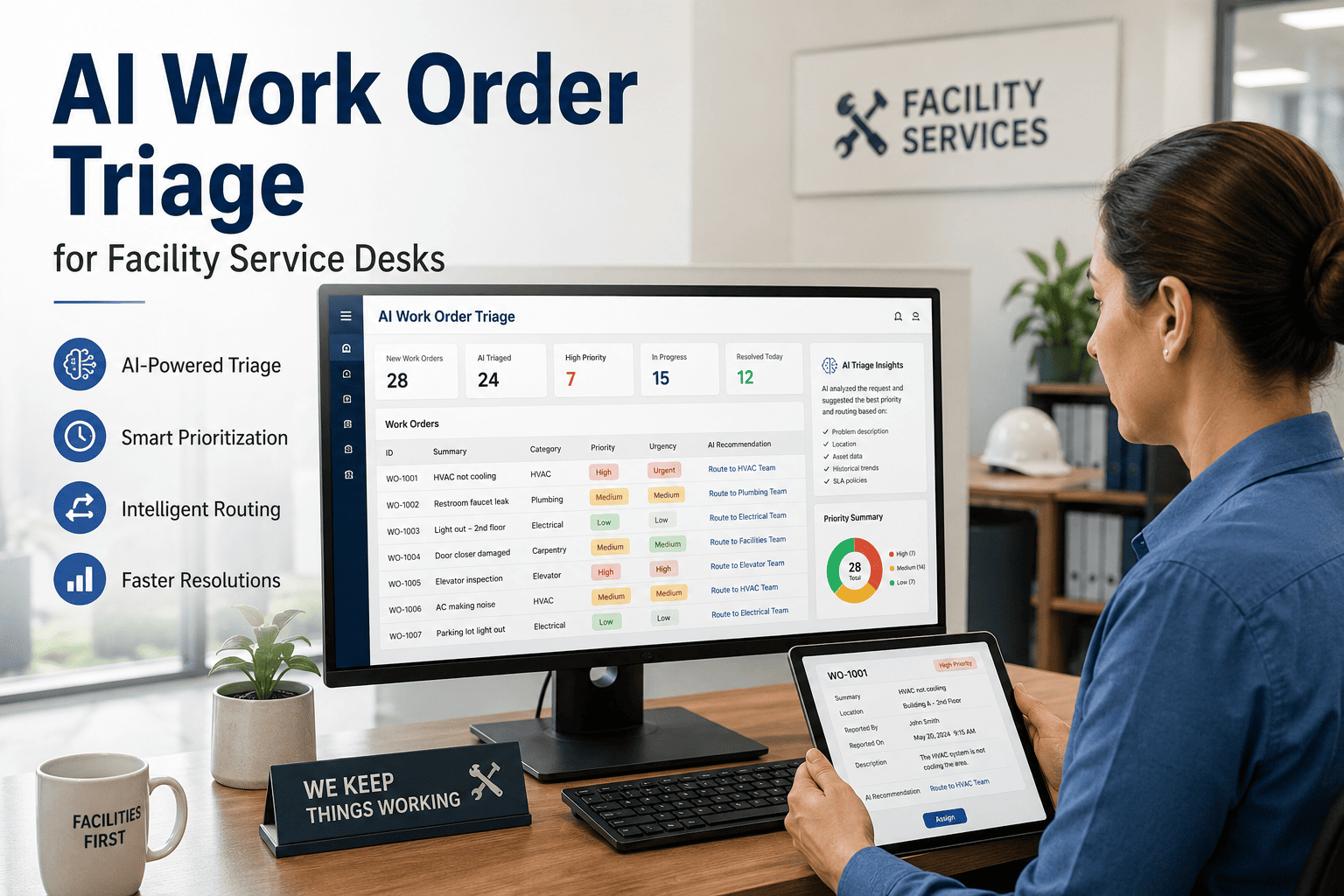
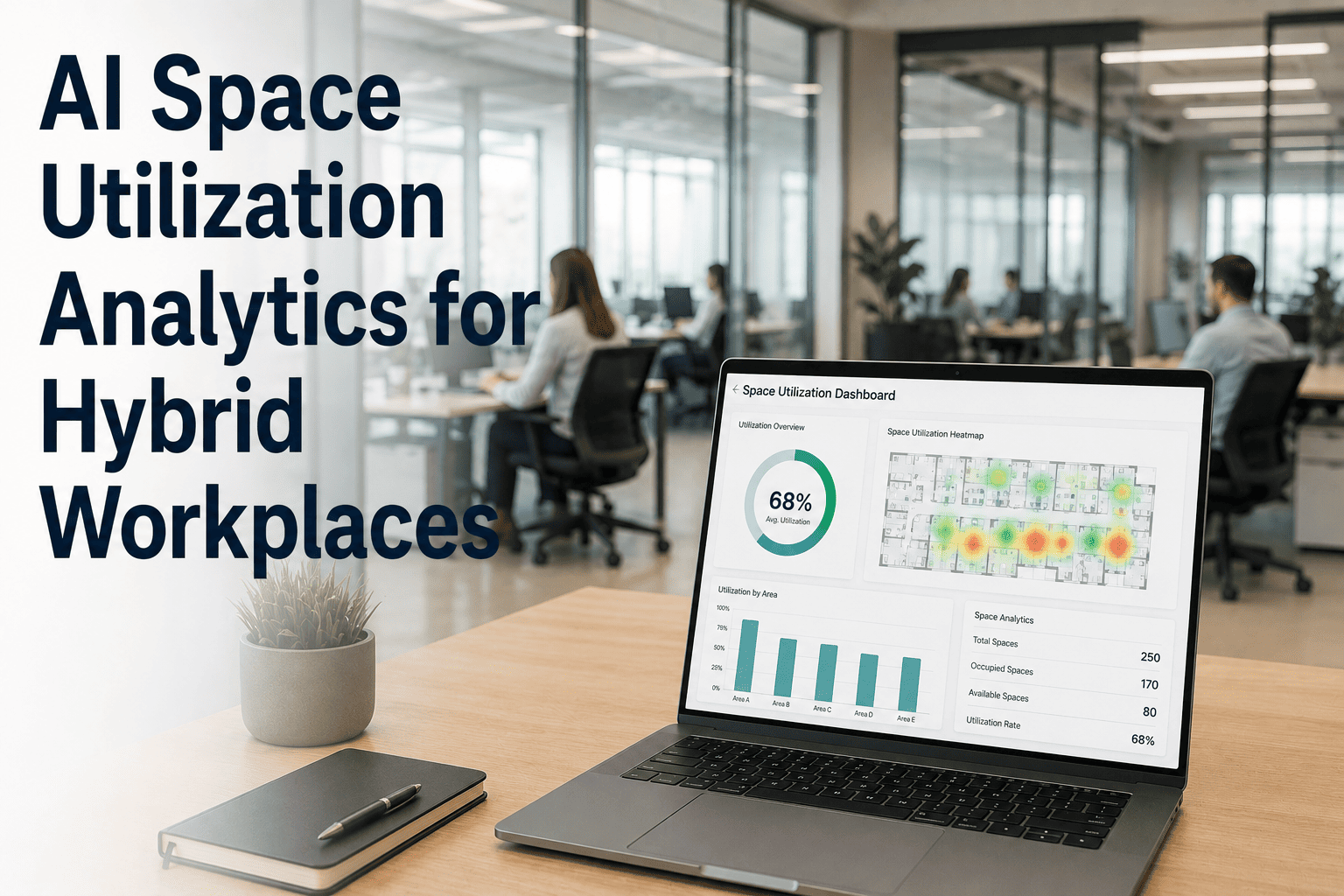
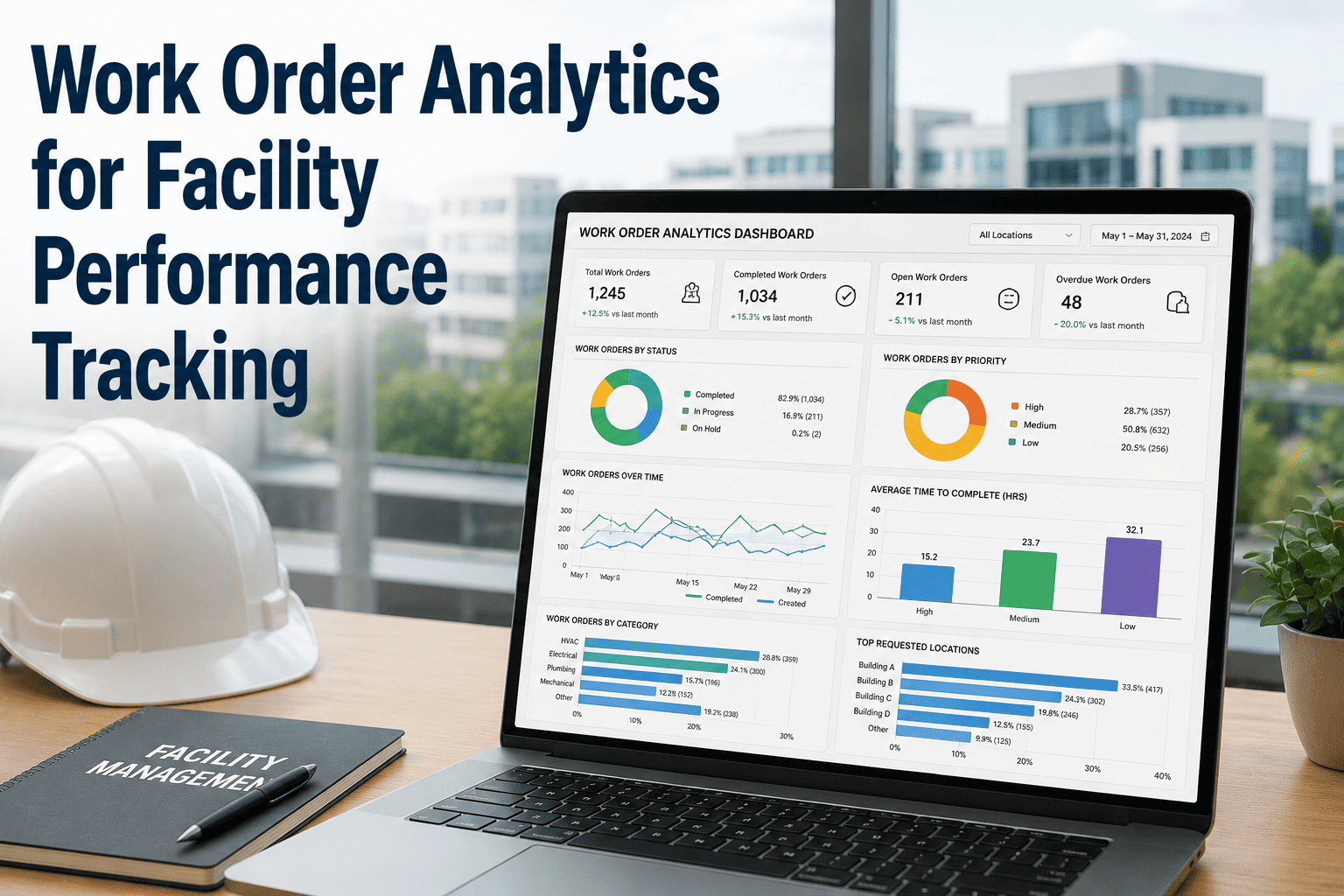
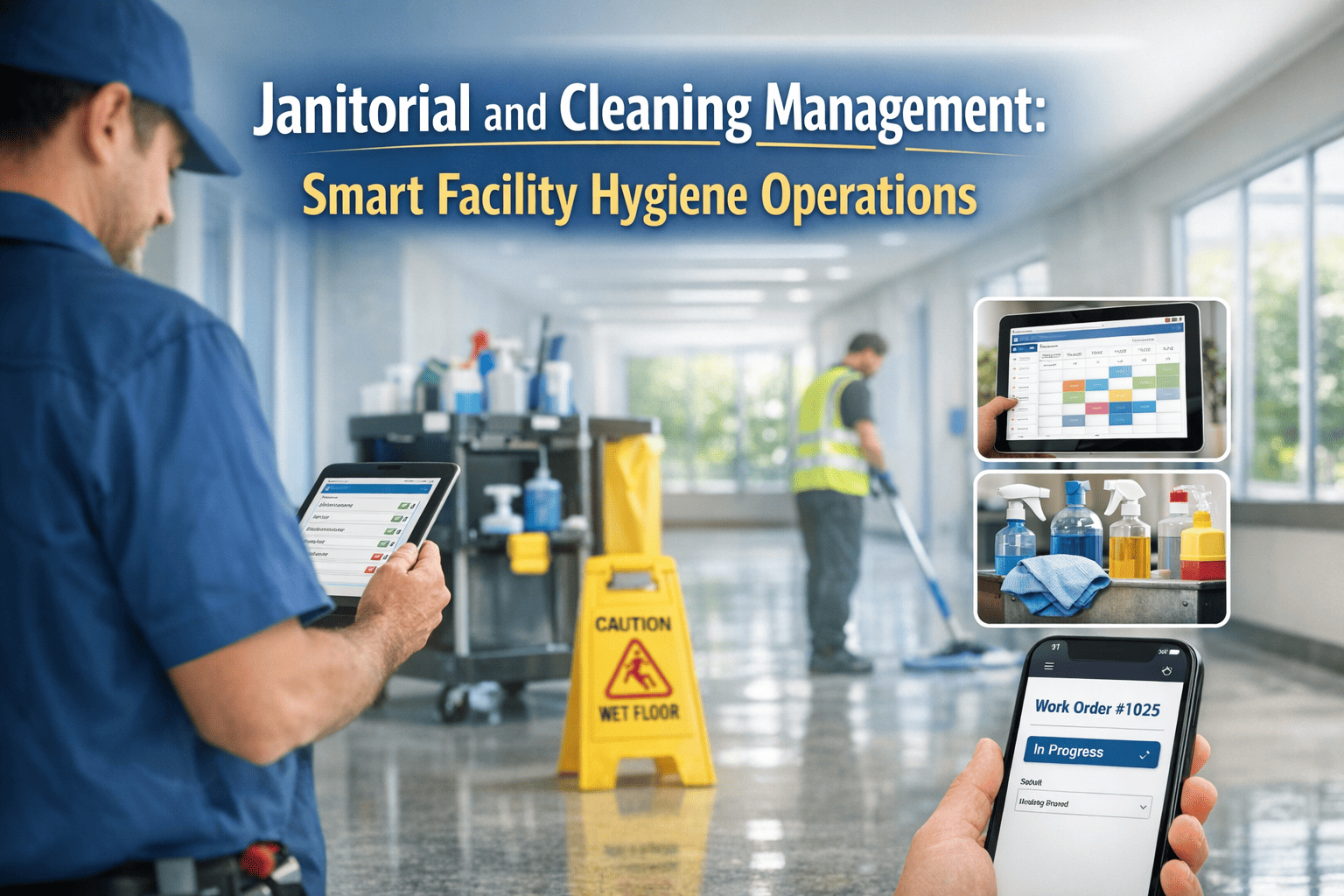
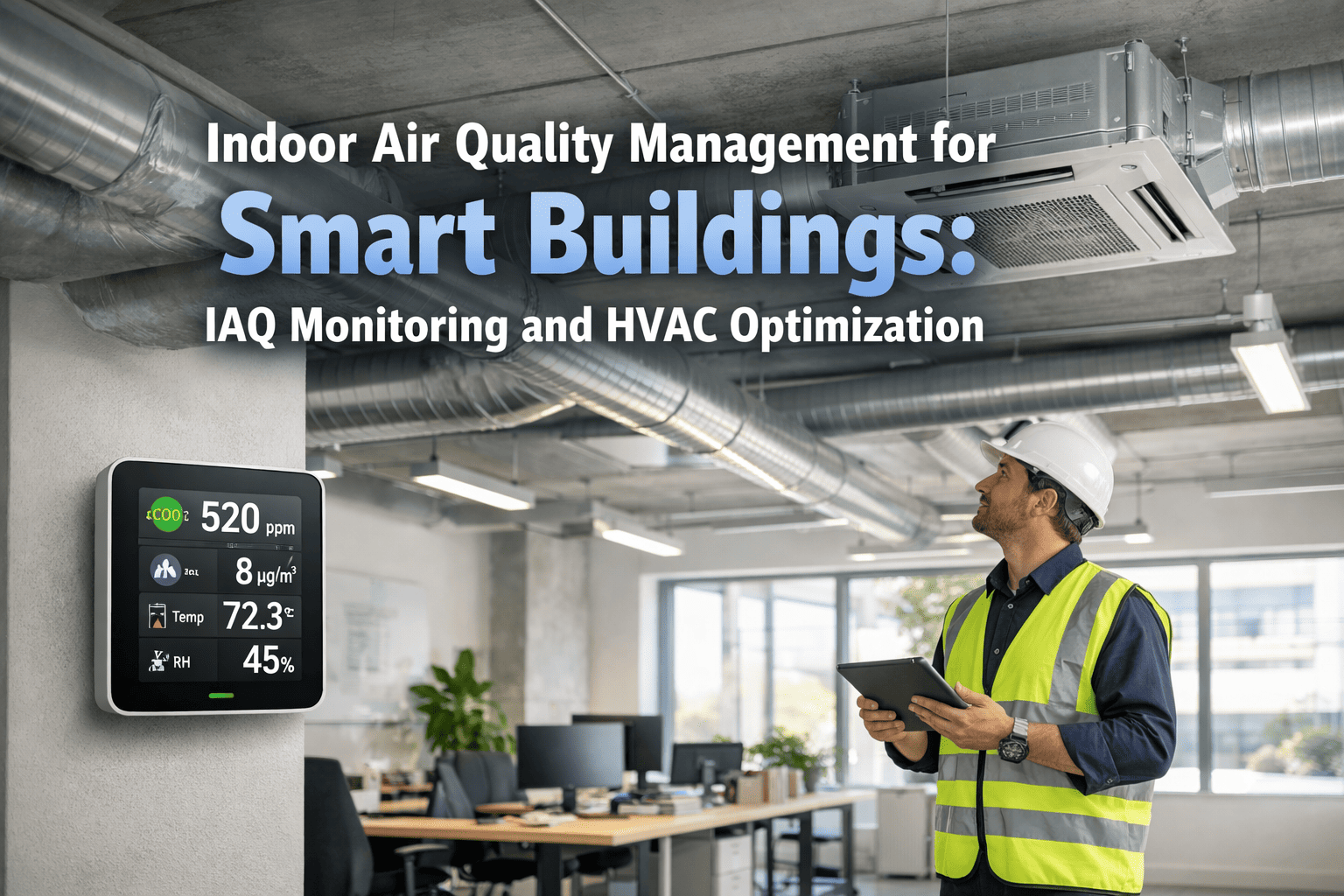
Biotech incubators are among the most operationally demanding built environments in the world. A single floor can host a dozen startups running PCR machines, cell culture hoods, -80°C freezers, and high-pressure gas lines — all sharing the same HVAC zones, electrical circuits, and utility infrastructure. When a shared air handler fails at 2 AM or a CO2 line drops pressure mid-experiment, the cost is not just a repair ticket — it is lost samples, delayed milestones, and frustrated tenants who may not renew. Traditional work order systems and spreadsheet-based PM schedules were not built for this environment. Oxmaint AI gives biotech incubator facility teams a CMMS that tracks clean spaces, monitors lab utilities, manages tenant service requests, and keeps HVAC compliance records — all in one platform. Start your free trial and configure your incubator maintenance program today.
73%
of biotech incubator tenant complaints trace back to HVAC or utility issues, not equipment failure
4x
higher maintenance complexity per sq ft vs standard commercial office space
48 hrs
average response time without a structured CMMS — vs under 4 hrs with automated work order routing
ISO 14644
cleanroom classification standard requiring continuous particle and pressure differential records
Why Biotech Incubators Break Standard Facility Management
01
Multi-Tenant Complexity
Each startup tenant has different equipment loads, utility demands, and maintenance schedules. A CMMS that cannot segment work orders and asset records by tenant zone becomes a compliance liability when one tenant's spill damages another's shared infrastructure.
02
Shared Critical Infrastructure
Autoclave stations, BSL-2 exhaust systems, liquid nitrogen dewars, and DI water lines are shared assets. A single PM miss on a shared autoclave can halt lab operations for multiple tenants simultaneously — and expose the facility to biosafety audit findings.
03
Compliance Documentation Gaps
Investors, NIH grant reviewers, and biosafety committees all request maintenance records during due diligence. Paper logs and disconnected spreadsheets create gaps that delay funding rounds and slow tenant move-ins at exactly the wrong moment.
04
24/7 Operational Sensitivity
Cell cultures, live organisms, and temperature-sensitive reagents do not pause for business hours. An after-hours HVAC failure that goes undetected for six hours can destroy weeks of research — a loss no facility manager wants to explain to a founding team.
The Five Systems Driving Incubator Maintenance Complexity
1
HVAC and Pressure Differential Control
BSL-2 and clean lab spaces require negative or positive pressure differentials maintained within tight tolerances. Monthly filter changes, quarterly coil inspections, and continuous BAS data logging must feed into CMMS records — not stay siloed in a building automation system no one reviews.
PM Trigger: Monthly filter check + BAS pressure log deviation alert
2
Clean Space and Biosafety Cabinet Certification
Biosafety cabinets require NSF 49-certified annual recertification, and cleanroom ISO classifications require particle count records at defined intervals. Every certification event is a work order in the CMMS — scheduled in advance, recorded with technician sign-off, and stored for immediate retrieval during audits.
PM Trigger: Annual BSC certification calendar + quarterly particle count schedule
3
Ultra-Low Temperature and Cold Chain Equipment
-80°C freezers, liquid nitrogen storage, and cold rooms are often the highest-value assets in an incubator by sample replacement cost. Temperature alarm events must auto-create CMMS work orders — not just send an email. Compressor PM intervals and refrigerant records complete the asset lifecycle picture.
PM Trigger: Temperature deviation alarm auto-creates work order + annual compressor PM
4
Lab Gas and DI Water Infrastructure
Compressed gas manifolds, CO2 incubator supply lines, and DI water systems require quarterly inspection and pressure testing. A CO2 supply failure that goes undetected overnight destroys cell culture experiments. DI water conductivity trending detects resin bed degradation before purity drops below research grade.
PM Trigger: Quarterly pressure test + monthly DI water conductivity log
5
Tenant Service Request Workflow
Startup founders and lab managers are not facilities professionals. They need a simple way to submit requests — and the facility team needs those requests routed to the right technician with SLA tracking. An unresolved service request that sits in someone's email inbox for three days is a lease renewal risk.
PM Trigger: SLA clock starts on submission — escalation at 4 hrs unassigned
Built for Biotech Incubators
One Platform for Clean Spaces, Utilities, and Tenant Requests
Oxmaint AI configures CMMS workflows for HVAC compliance, BSC certification, cold chain monitoring, lab gas PM, and tenant service request routing — with audit-ready records across your entire incubator facility.
CMMS Modules Built for Incubator Operations
01
Tenant Zone Asset Registry
Every asset tagged to a tenant zone with equipment type, last PM date, next scheduled service, and compliance status. Shared infrastructure assets flagged across multiple tenant zones so a single PM work order updates all relevant records.
02
Compliance Calendar and Audit Export
BSC certifications, HVAC compliance dates, fire suppression tests, and environmental monitoring schedules all visible in one calendar view. Export audit-ready PDF packages for biosafety committee reviews, investor due diligence, or accreditation inspections in minutes.
03
Condition-Based PM Triggers
Temperature deviation, pressure differential drift, and DI water quality threshold breaches automatically generate work orders without manual intervention. Condition-based triggers catch degradation before tenants notice — protecting both experiments and lease relationships.
04
Tenant Service Request Portal
Mobile-accessible request submission with automatic routing, SLA tracking, and status notifications back to the tenant. Every request logged as a CMMS record — giving facility managers visibility into recurring issues before they become building-wide problems.
05
Preventive Maintenance Scheduler
Calendar-based and condition-based PM tasks scheduled across all equipment classes with technician assignment, parts reservation, and completion sign-off. PM completion rates tracked by zone and equipment type — with overdue alerts before compliance windows close.
06
Spare Parts and Chemical Inventory
HEPA filter stock, refrigerant supplies, calibration gas cylinders, and cleaning consumables tracked with minimum stock levels tied to PM schedules. Reorder triggered automatically when safety stock is breached — before a technician arrives at a job without parts.
PM Interval Reference — Biotech Incubator Equipment
| Equipment |
PM Interval |
Primary Failure Mode |
CMMS Trigger Type |
| Biosafety Cabinet |
Annual NSF 49 recertification |
HEPA filter integrity, airflow velocity drift |
Calendar |
| HVAC Air Handler |
Monthly filter + quarterly coil |
Filter loading, coil fouling, pressure loss |
Calendar + BAS alert |
| -80°C Freezer |
Annual compressor PM |
Compressor wear, door seal failure, temp drift |
Temp alarm + Calendar |
| DI Water System |
Monthly conductivity + annual resin |
Resin bed exhaustion, membrane degradation |
Conductivity threshold |
| Autoclave |
Monthly spore test + annual inspection |
Sterilization cycle failure, door seal wear |
Calendar + Cycle log |
| Lab Gas Manifold |
Quarterly pressure test |
Regulator failure, line leak, valve corrosion |
Calendar |
| Fire Suppression (Clean Agent) |
Semi-annual inspection |
Cylinder pressure loss, nozzle blockage |
Calendar |
Frequently Asked Questions
What makes biotech incubator facility maintenance different from standard commercial buildings?
Biotech incubators combine multi-tenant complexity with BSL-2 biosafety requirements, shared critical lab infrastructure, and 24/7 temperature-sensitive operations. A standard commercial CMMS tracks mechanical assets on calendar intervals — it cannot manage clean space certifications, cold chain alarm response, or tenant-segmented compliance records.
Oxmaint configures workflows for every incubator-specific failure mode.
How should biosafety cabinet recertification be tracked in a CMMS?
Each BSC should be registered as an individual asset with its NSF 49 certification date, certifying contractor, and next due date. The CMMS auto-generates the work order 60 days in advance, routes to the approved vendor, and stores the certification report with technician sign-off. This keeps the compliance record continuous without manual tracking.
Book a demo to see how Oxmaint structures BSC compliance records.
Can Oxmaint manage tenant service requests alongside preventive maintenance?
Yes. Oxmaint runs both reactive tenant service requests and scheduled PM work orders on the same platform. Requests are routed by zone and equipment type, tracked with SLA timers, and stored as CMMS records — giving facility managers a complete view of workload across both reactive and planned maintenance activities.
What compliance records do biotech incubator investors typically request during due diligence?
Investors and biosafety committees commonly request BSC certification history, HVAC filter and coil PM records, cold storage temperature alarm logs, and autoclave validation records. Oxmaint stores all records with timestamps and technician sign-off, and exports audit-ready packages on demand — eliminating the scramble to assemble paper records before a review.
Oxmaint AI for Biotech Incubators
Your Tenants' Science Depends on Your Facility Running Right
Clean space certifications, HVAC compliance, cold chain monitoring, lab gas PM, and tenant service request routing — all inside one CMMS built for the real demands of biotech incubator operations. Live in your facility in weeks, not months.