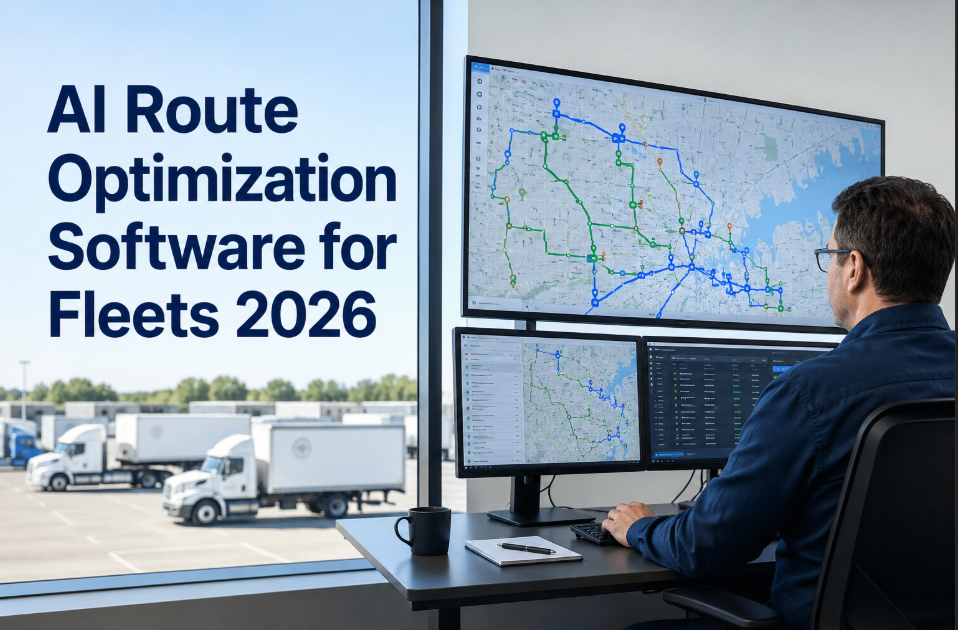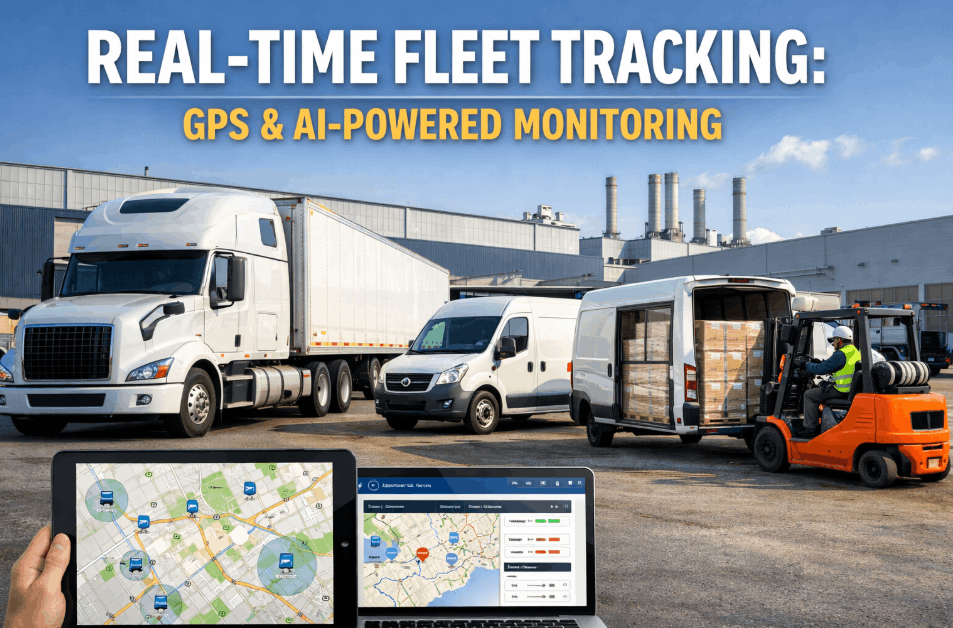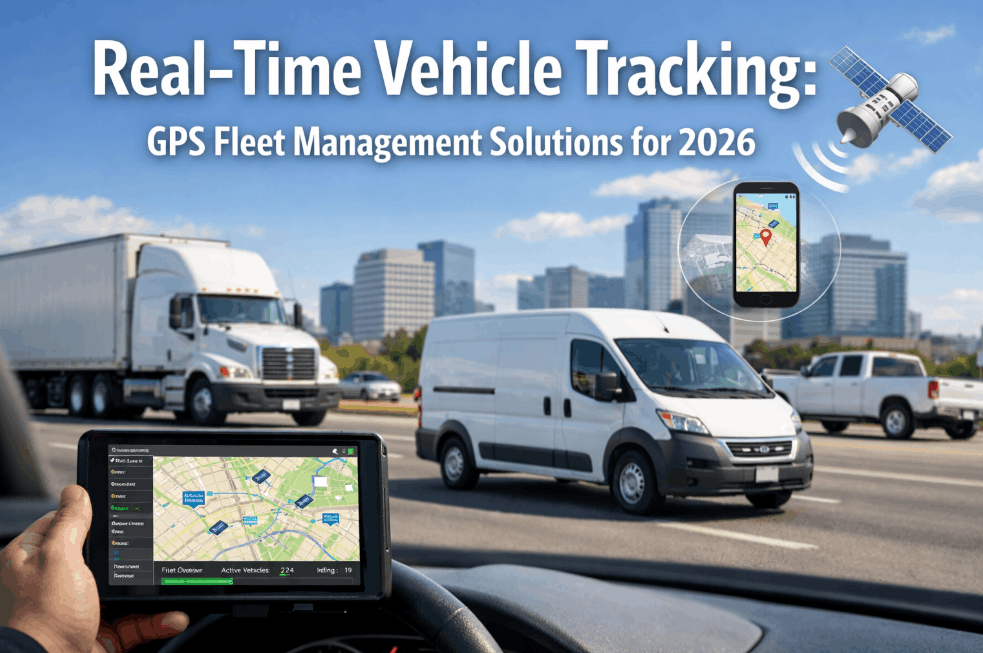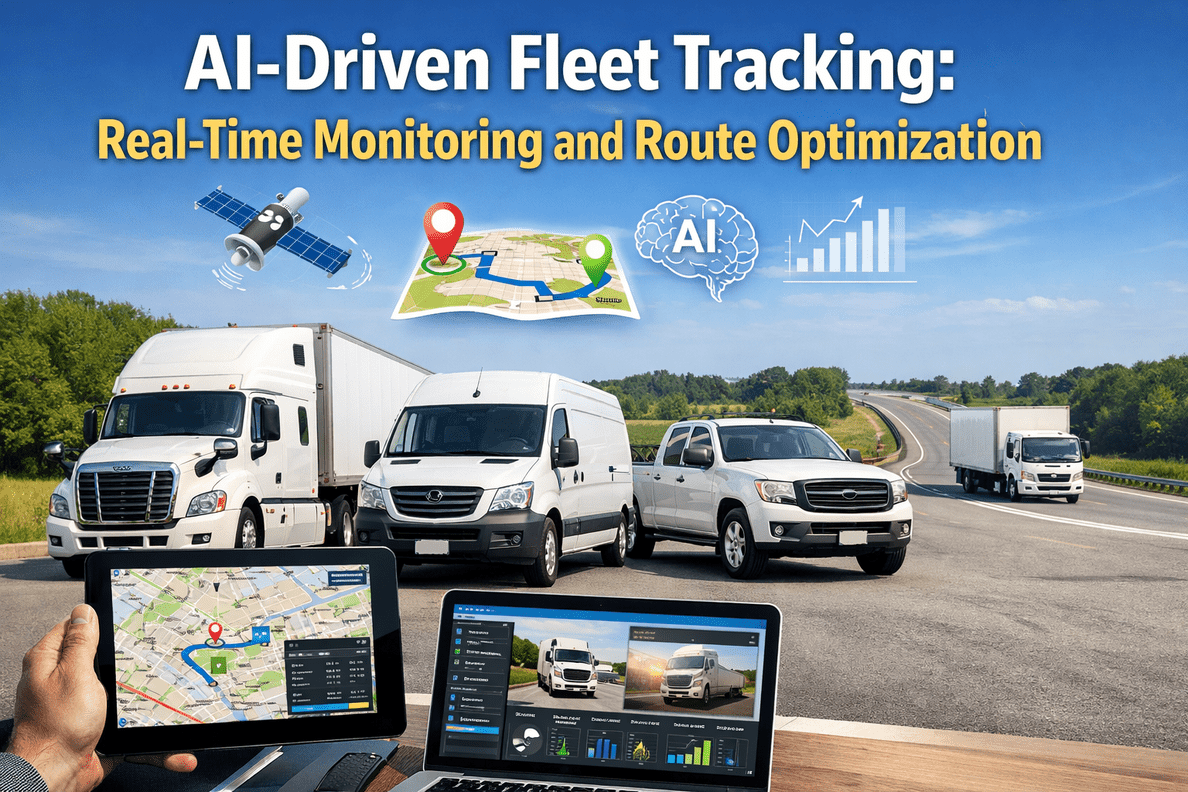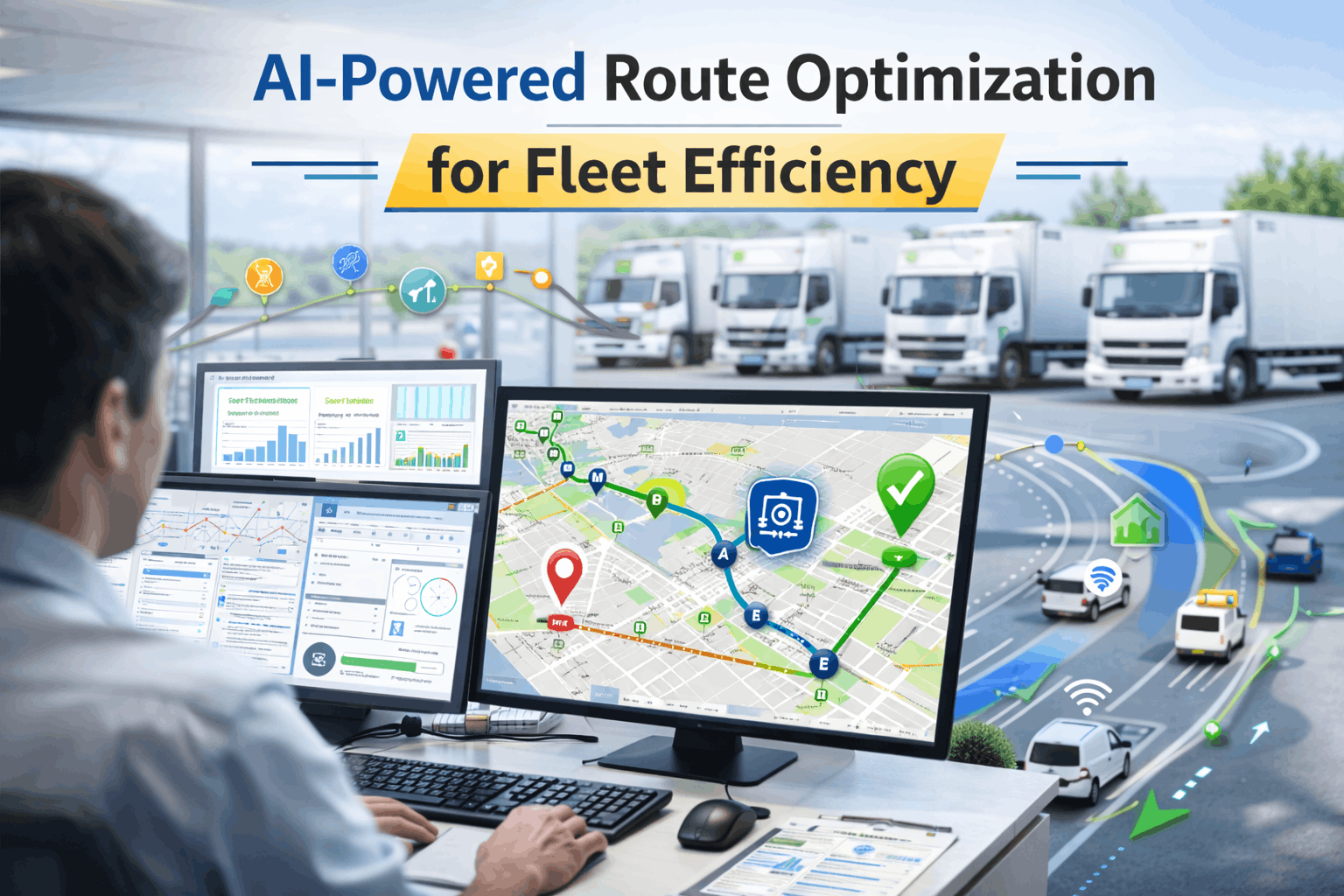
The average fleet in 2026 drives 12 to 20 percent more miles than necessary. On a 50-vehicle fleet, a 15 percent mileage reduction eliminates 450,000 miles annually — saving over $247,000 in fuel, tires, and maintenance. AI-powered route optimization makes this possible by analyzing traffic, weather, delivery windows, and vehicle constraints simultaneously, solving complex routing problems in seconds. Sign up for OxMaint to connect optimized route data directly to your maintenance scheduling and cost-per-mile tracking.
Why Traditional Route Planning Fails Modern Fleets
Manual route planning was sufficient when fleets were smaller, delivery windows were wider, and fuel was cheaper. In 2026, the reality is different. Customer expectations demand tighter delivery windows, fuel prices fluctuate unpredictably, driver shortages require maximum utilization of every shift hour, and sustainability regulations push fleets to minimize emissions. Static routes built on driver familiarity rather than data consistently underperform.
How AI Route Optimization Actually Works
AI route optimization is not simply a faster version of manual planning. It uses machine learning algorithms that continuously learn from historical trip data, real-time conditions, and operational outcomes to produce routes that improve over time. According to Penske's 2025 Transportation Leaders Survey, 70% of logistics leaders have already adopted AI solutions — up from 53% in 2024. Facilities managing fleets can book a demo with OxMaint to see how route efficiency data connects to maintenance workflows.
The system ingests stop addresses, delivery windows, service times, priority levels, vehicle profiles (capacity, fuel type, start/end locations), and driver shift constraints. Historical trip data, seasonal patterns, and customer behavior are analyzed to build predictive models.
Every delivery is geocoded and mapped against constraints: time windows, vehicle capacity limits, driver hours-of-service regulations, road restrictions (weight limits, low bridges), customer access requirements, and priority classifications. The algorithm builds a multi-dimensional constraint matrix.
Machine learning algorithms evaluate millions of possible stop sequences to find the combination that minimizes total distance, drive time, or cost while respecting every constraint. Advanced solvers use combinatorial optimization, genetic algorithms, and reinforcement learning to produce near-optimal solutions in seconds.
Once routes are dispatched, the system monitors live traffic, weather changes, and unexpected delays. When conditions shift — an accident blocks a highway, a customer reschedules, or a vehicle breaks down — the AI recalculates and reroutes affected drivers instantly without disrupting the rest of the plan.
After each day, the system compares planned versus actual performance — actual drive times, fuel consumption, delivery accuracy, and idle time. These outcomes feed back into the machine learning model, making tomorrow's routes smarter than today's. Over weeks and months, route quality continuously improves.
Connect Route Optimization to Maintenance Scheduling
Every mile your fleet eliminates through AI routing is a mile of saved fuel, deferred maintenance, and recovered driver time. OxMaint connects the dots between optimized routes and reduced operating costs.
Measurable Impact of AI Routing on Fleet Operations
The business case for AI route optimization is built on measurable, documented outcomes. Penske's 2025 survey found that 40% of companies adopting AI reported at least 50% improvements in fuel savings, operational expenditure, and distance traveled. Here is how AI routing impacts the key metrics fleet managers track daily.
Route Optimization Meets Fleet Maintenance
The most overlooked benefit of AI route optimization is its direct impact on vehicle maintenance costs and scheduling. Every mile eliminated through smarter routing reduces cumulative wear on engines, transmissions, brakes, tires, and suspension components. When route data feeds into a CMMS platform, maintenance schedules automatically adapt to actual vehicle usage rather than arbitrary calendar intervals.
Fewer Miles. Lower Costs. Smarter Maintenance.
OxMaint connects AI route optimization data to your fleet maintenance program — auto-adjusting PM schedules, tracking cost-per-mile, and reducing total cost of ownership. Join 1,000+ facilities managing smarter operations.
Frequently Asked Questions
How much can AI route optimization save my fleet
Most fleets achieve a 12–20% reduction in total miles driven within the first 90 days. On variable costs of $0.45–$0.65 per mile covering fuel, tires, and maintenance, a 50-vehicle fleet typically saves $150,000–$300,000 annually. Additional savings come from reduced driver overtime, improved vehicle utilization, fewer maintenance events, and lower unplanned breakdown frequency. Forty percent of companies adopting AI in logistics report at least 50% improvement in fuel savings and operational costs.
What data does AI route optimization use
AI routing engines analyze multiple data streams simultaneously: historical trip data, real-time traffic conditions, weather forecasts, road restrictions (weight limits, bridge heights, construction zones), delivery time windows, vehicle capacity and fuel type, driver hours-of-service limits, customer access requirements, and seasonal demand patterns. The more data the system processes, the more accurate its route recommendations become over time through machine learning.
Can AI routing adjust in real time during the day
Yes. Modern AI routing platforms continuously monitor live traffic, weather changes, and operational disruptions. When conditions change — a traffic accident, a customer cancellation, a vehicle breakdown, or a last-minute stop addition — the system recalculates affected routes instantly and provides updated instructions to drivers. The rest of the fleet plan is rebalanced automatically without requiring manual dispatcher intervention.
How does route optimization reduce maintenance costs
Every mile eliminated through optimized routing reduces cumulative wear on engines, brakes, tires, and suspension. Fewer miles mean fewer oil changes, extended tire life, reduced brake replacements, and less transmission stress. When route data feeds into a CMMS like OxMaint, preventive maintenance schedules automatically adjust to actual vehicle mileage — eliminating premature servicing while preventing overdue maintenance that leads to breakdowns.
Is AI route optimization only for large fleets
Not at all. Scalable AI solutions serve businesses of any size, from regional couriers with 10 vehicles to national fleets with thousands. Cloud-based platforms and APIs let small operations access real-time AI-driven optimization without heavy infrastructure investment. The percentage-based savings (12–20% mileage reduction, up to 20% fuel cost reduction) apply proportionally regardless of fleet size — making ROI achievable even for smaller operations.
How does OxMaint connect to route optimization
OxMaint integrates route mileage data directly into fleet maintenance workflows. Optimized route data feeds into PM scheduling, automatically adjusting service intervals based on actual miles driven rather than calendar estimates. Cost-per-mile dashboards combine fuel, maintenance, and tire costs against real mileage to provide true operating cost visibility. Fleet managers can track how route optimization impacts total cost of ownership across every vehicle in the fleet.
What ROI timeline should I expect from AI routing
Most fleets see measurable results within the first 90 days: 15% average mileage reduction and 23% improvement in on-time delivery rates are typical early outcomes. Full ROI is typically achieved within 6–12 months as the machine learning model accumulates operational data and route quality continuously improves. Long-term benefits compound as reduced vehicle wear translates to lower maintenance costs and extended asset life.