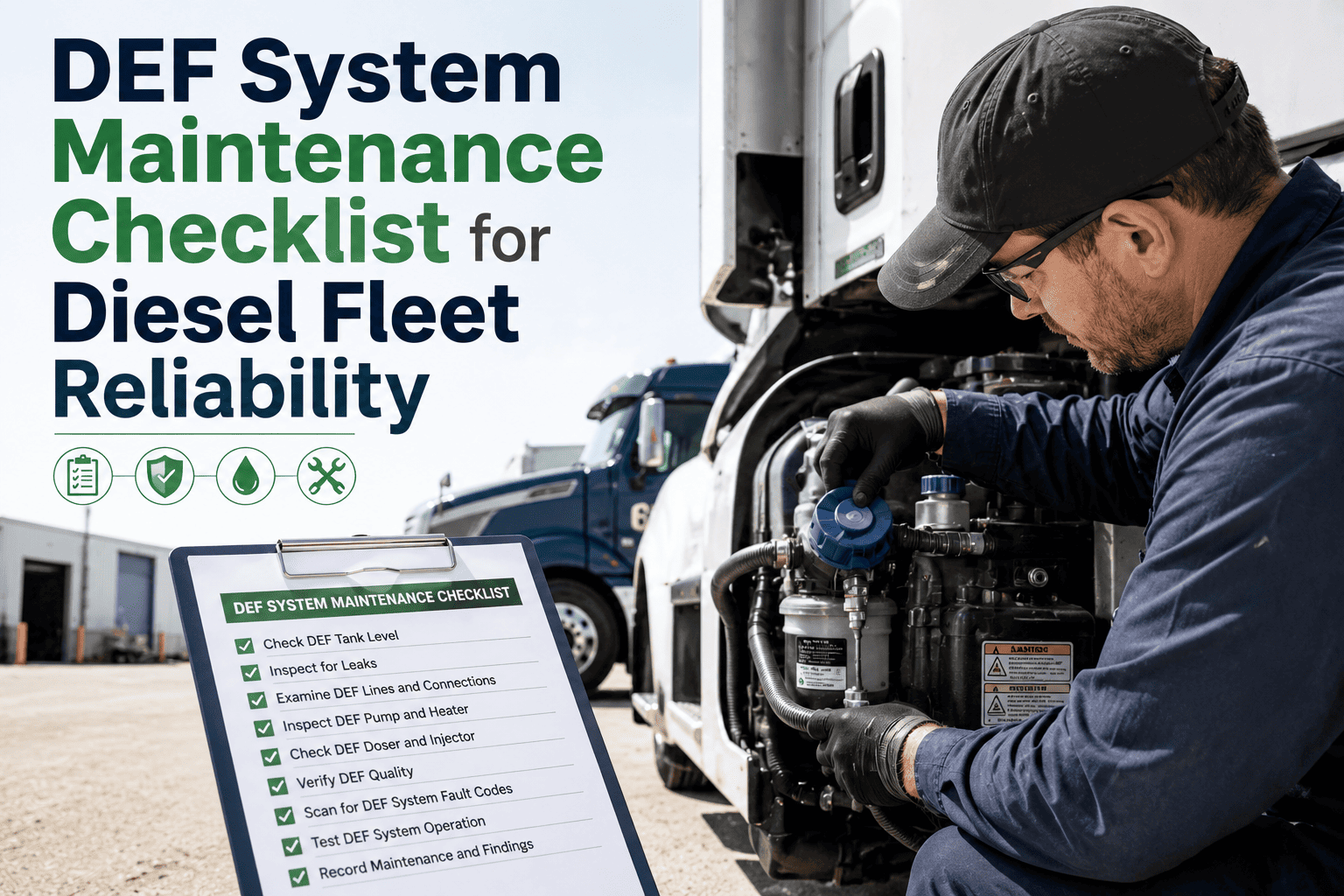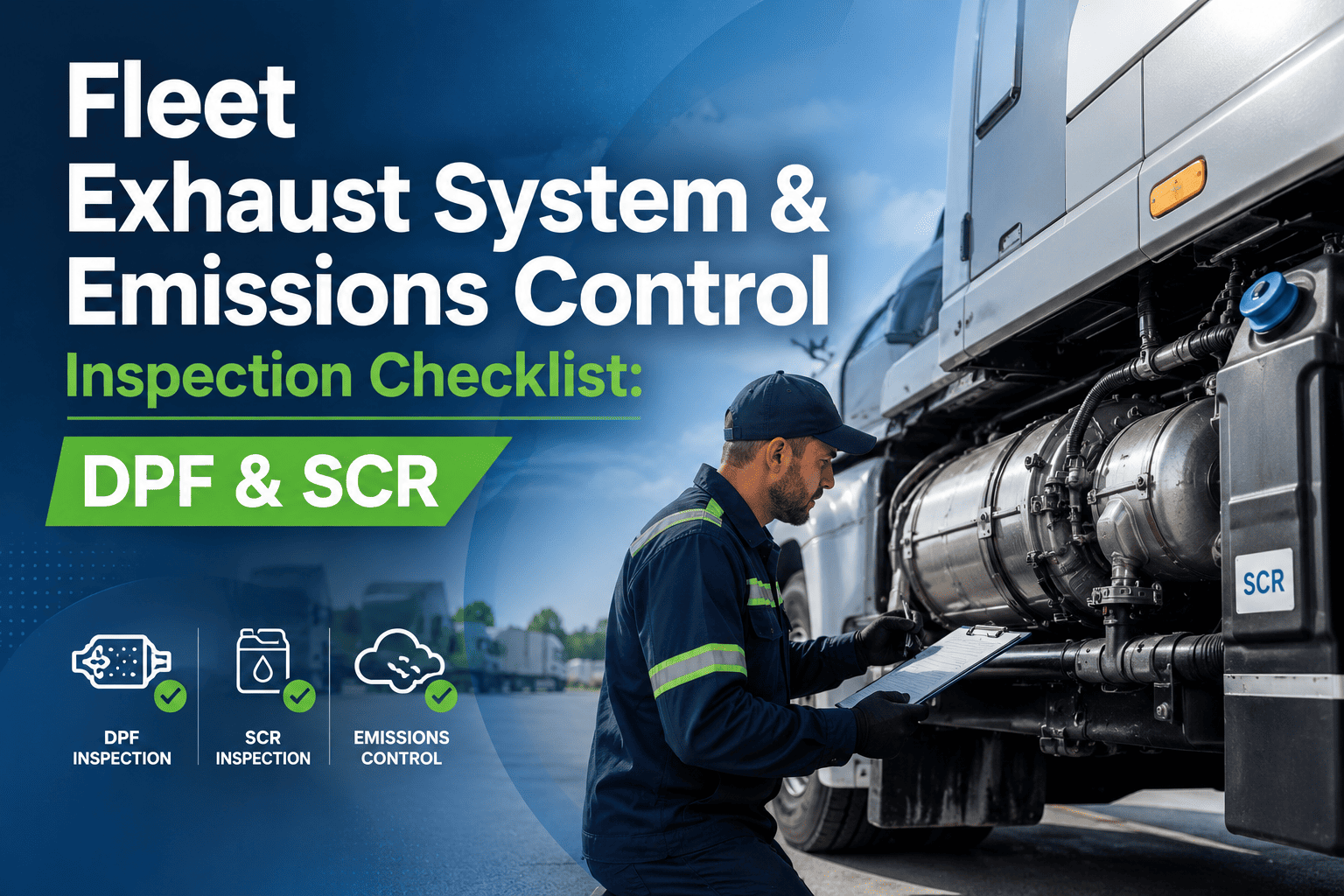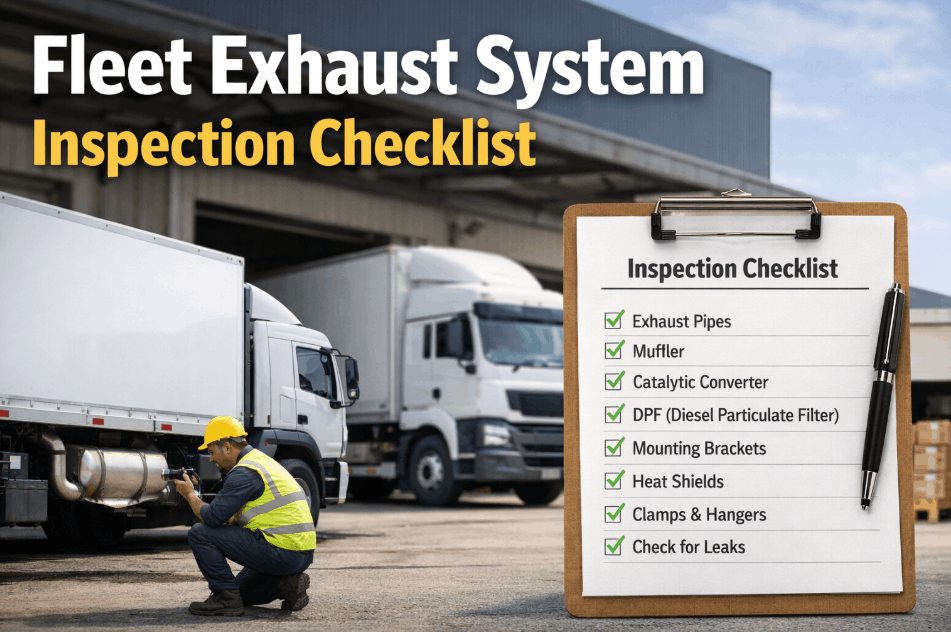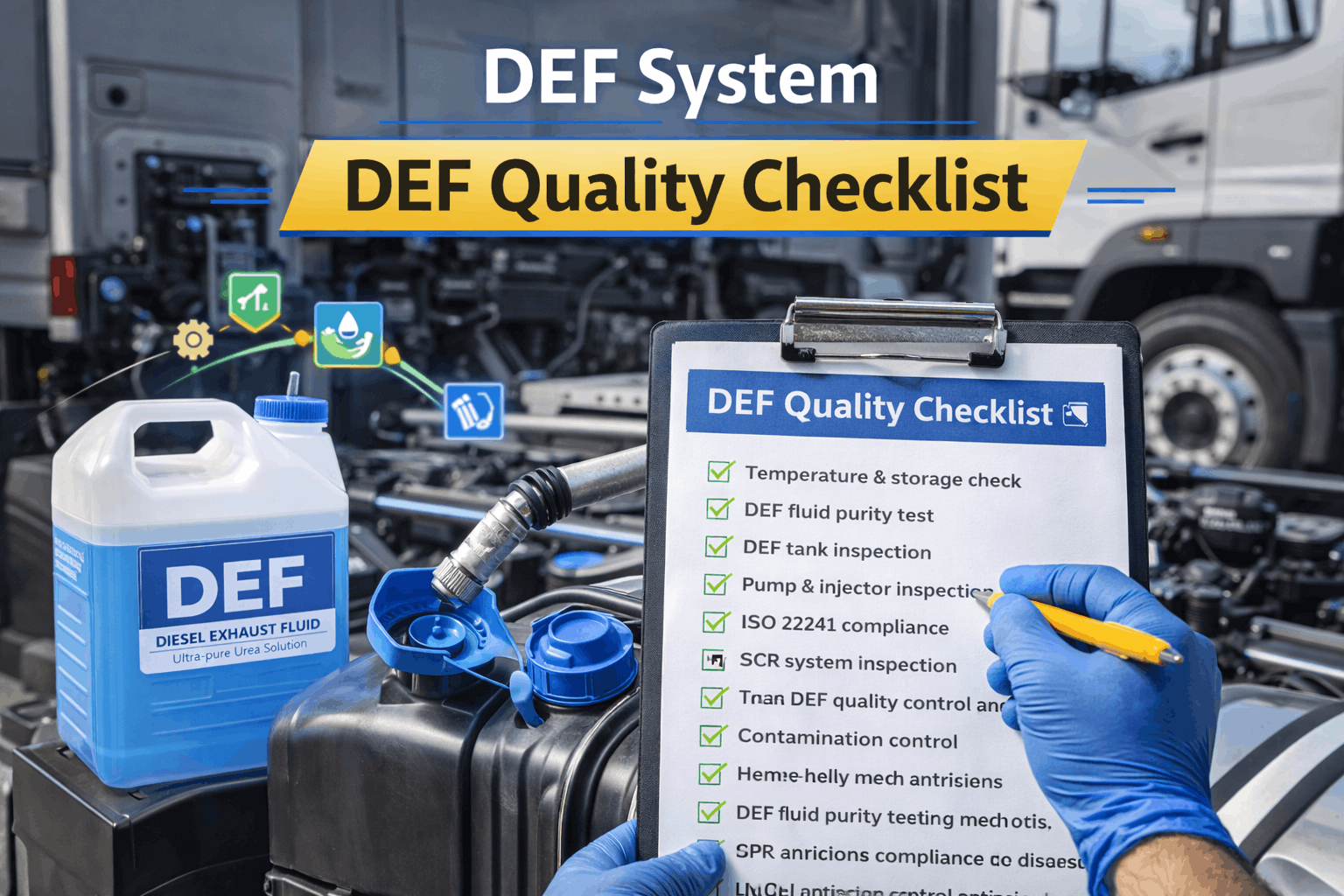
Diesel Exhaust Fluid system failures are now under direct EPA investigation — with the agency demanding warranty and failure data from the top 14 engine manufacturers in February 2026. For fleet operators, proactive DEF system inspections are the most effective way to prevent engine derates, DOT violations, and costly SCR catalyst damage. DEF is a precise 32.5% urea and 67.5% deionized water solution (ISO 22241) that must remain uncontaminated, properly stored, and correctly dosed to keep your SCR emissions system functioning. This interactive checklist covers every critical inspection point across seven categories — use it before every trip, during scheduled PM, and at seasonal intervals to keep your fleet compliant and running. Sign up for OxMaint to digitize this checklist with automated scheduling and audit-ready documentation.
How to Use This Checklist
Click each checkbox as you complete the inspection item. This checklist is organized into seven categories covering the full DEF system — from fluid quality verification through SCR catalyst health. Use it as a field reference for technicians or as a training tool for drivers performing pre-trip DEF checks. For automated, trackable digital checklists with photo capture and compliance reporting, book a demo with OxMaint.
Tracking these inspections on paper is inefficient and leaves your fleet exposed during DOT audits. Sign up for OxMaint to convert every checklist item into a digital, mobile-accessible work order with photo capture and technician sign-off.
Digitize Your DEF System Checklist Today
OxMaint converts this entire checklist into automated, trackable work orders with pass/fail documentation, photo evidence, and audit-ready compliance reports across your full fleet.
A complete DEF system inspection across all seven categories protects your fleet from the cascading failures that the EPA is now actively investigating. Facilities managing multiple vehicles need automated scheduling to ensure no checklist item falls through the cracks. Book a demo with OxMaint to see how digital checklists drive fleet-wide DEF compliance.
Recommended Inspection Frequencies
Automate DEF Inspections Across Your Entire Fleet
From daily pre-trip checks to quarterly NOx sensor calibrations, OxMaint schedules every inspection, assigns technicians, captures results, and generates compliance documentation — all from one platform trusted by 1,000+ fleets.
Frequently Asked Questions
What is a DEF system quality checklist
A structured inspection protocol covering DEF fluid purity, tank and sensor condition, injector health, supply lines, heating elements, SCR catalyst performance, and dispensing equipment — designed to prevent engine derates, DOT violations, and SCR damage.
How often should DEF systems be inspected
Tank level and visual checks every pre-trip. Urea concentration and supply lines monthly. NOx sensor calibration and diagnostics quarterly. Heating systems pre-winter. Injector cleaning and SCR inspection at every scheduled PM service.
What is the correct DEF urea concentration
ISO 22241 specifies exactly 32.5% urea in deionized water. Even small deviations cause deposit formation, catalyst blockage, and injector clogging. Test with a digital refractometer on every shipment and monthly on vehicle tanks.
What causes DEF injector crystallization
Improper shutdown procedures, contaminated fluid, dosing valve leaks, or low-quality DEF cause crystallized buildup that disrupts the spray pattern, triggers fault codes, and can force the vehicle into derate mode.
Why is the EPA investigating DEF system failures
In February 2026, the EPA demanded failure data from the top 14 manufacturers (80% of DEF-equipped vehicles) to identify systemic component problems. This follows August 2025 guidance eliminating immediate limp mode and new MY 2027 engineering requirements.
How does OxMaint digitize DEF checklists
Each checklist item becomes a scheduled work order with pass/fail fields, photo capture, technician sign-off, and timestamps. Fleet dashboards show real-time compliance status and generate audit-ready DOT/FMCSA reports.