.png)
Fleet accidents cost American businesses over 25 billion dollars annually, with 90% of crashes attributed to driver behavior rather than mechanical failure. Yet most fleet managers only discover unsafe driving habits after an incident report lands on their desk—when the damage is already done, insurance premiums have spiked, and a vehicle sits in the repair shop for weeks. The traditional approach of quarterly safety meetings and annual reviews creates a dangerous blind spot where risky behaviors like harsh braking, aggressive acceleration, and distracted driving go undetected until they result in collisions. Modern driver behavior monitoring systems eliminate this reactive approach by capturing every steering input, braking event, and speed variation in real-time. Oxmaint's Driver Behavior and Coaching module transforms raw telematics data into actionable safety insights, automatically flagging high-risk drivers and triggering personalized coaching interventions before accidents occur. This shift from punishment after incidents to prevention through continuous monitoring has enabled forward-thinking fleets to reduce collision rates by 35% while simultaneously improving driver retention and job satisfaction.
Stop waiting for accidents to reveal unsafe drivers. Sign up for Oxmaint to monitor behavior and coach drivers proactively.
The Real-Time Driver Safety Dashboard
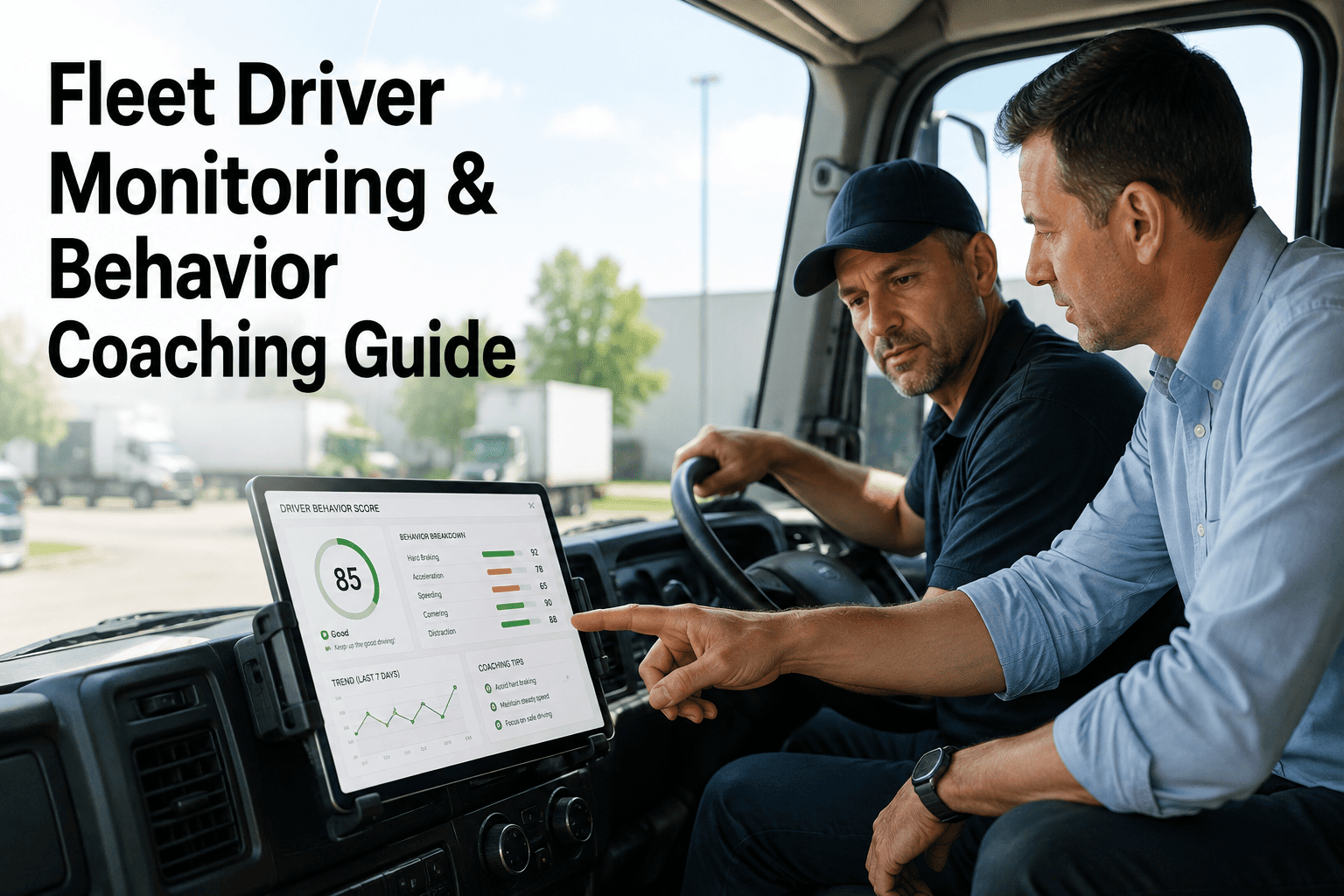
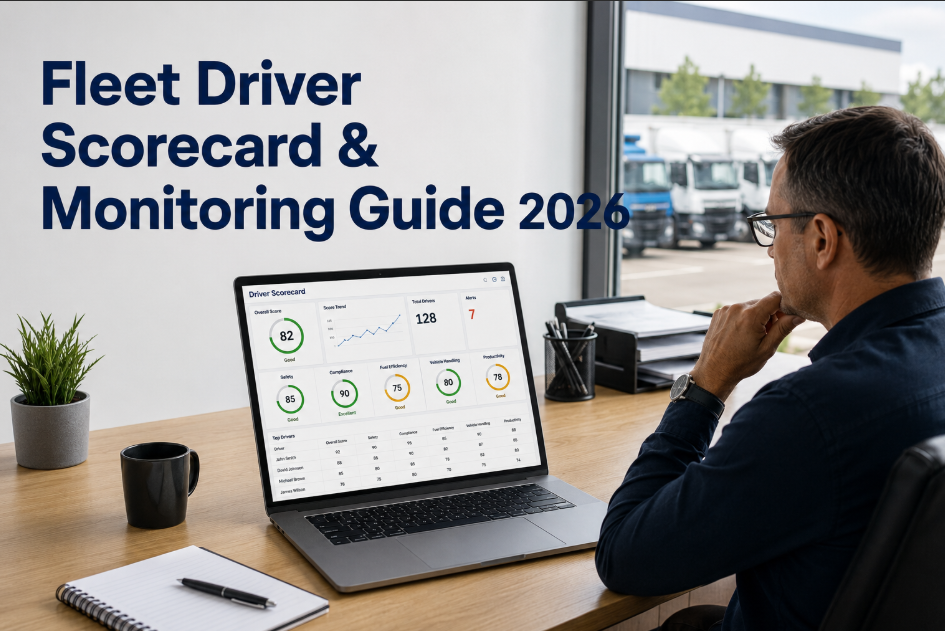
Imagine watching your entire fleet's driving quality unfold in real-time, with every harsh brake, speeding event, and aggressive turn captured and scored instantly. The Driver Behavior Dashboard provides a live feed of driver safety metrics, comparing each operator against fleet-wide benchmarks and historical performance trends. This digital oversight transforms safety management from a monthly report review into a dynamic, continuous improvement process. When a driver exceeds safe speed thresholds three times in one shift, the system immediately alerts both the driver and fleet manager, enabling corrective action before a pattern solidifies into a habit. The dashboard assigns each driver a composite safety score based on acceleration smoothness, braking gentleness, cornering stability, speeding frequency, and idle time management. Managers can drill down into individual trips to see exactly where and when unsafe behaviors occurred, overlaying GPS data with driving events to identify high-risk road segments or times of day. To experience this level of visibility with your own fleet data, book a personalized demo with our safety specialists.
How AI Detects Risky Driving Patterns
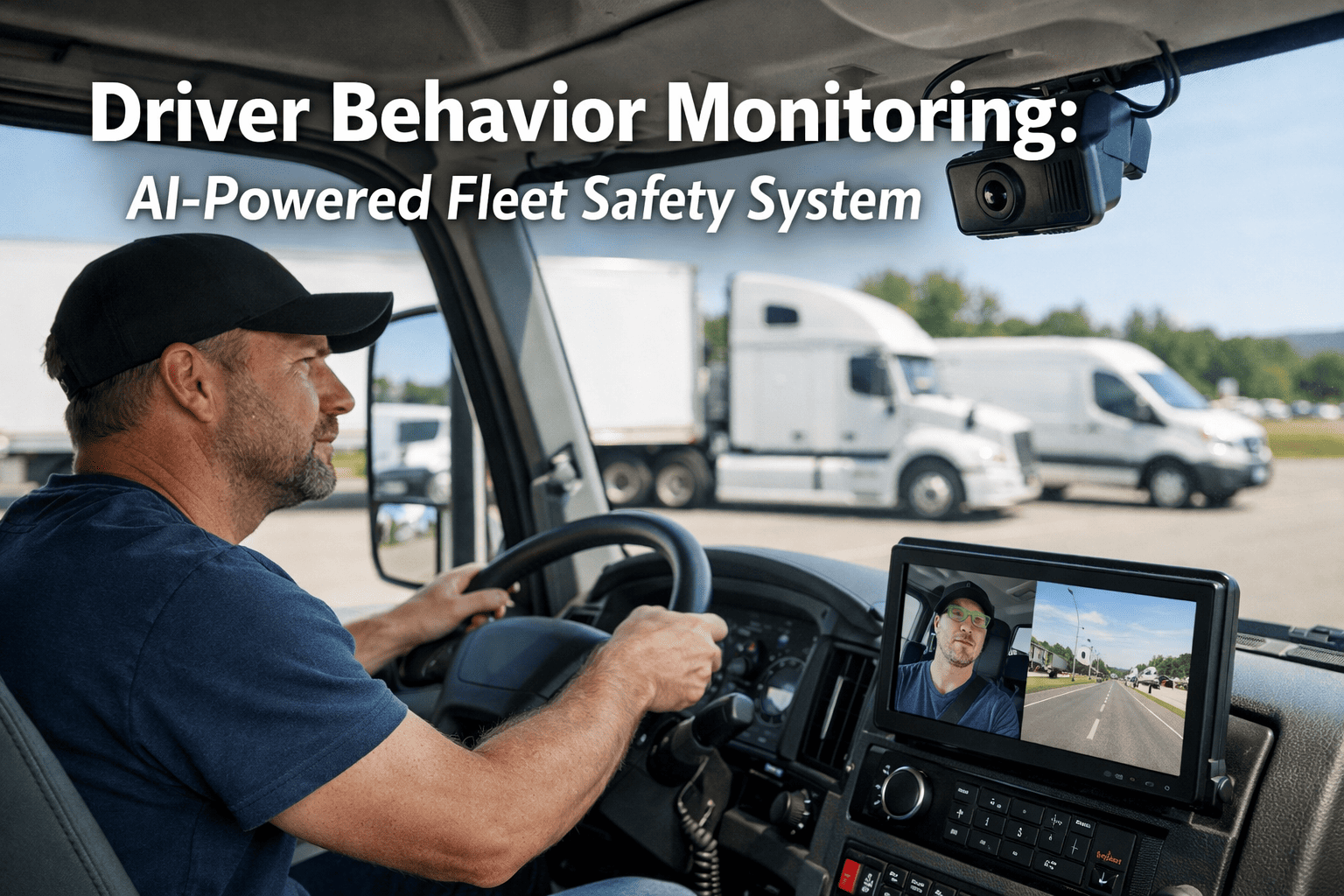
Human observation cannot scale to monitor hundreds of drivers across thousands of miles daily. Even the most attentive fleet manager cannot detect the subtle degradation in driving quality that occurs gradually over months—the driver who starts taking corners 5% faster each week, or the operator whose following distance slowly shrinks from four seconds to two. AI-powered behavior analysis solves this by establishing individualized baselines for each driver, then continuously comparing real-time performance against those norms. The system learns that Driver A naturally accelerates more gently while Driver B tends to be more aggressive, adjusting expectations accordingly rather than applying a one-size-fits-all standard. This personalized approach reduces false positives while catching genuine deterioration in driving quality. When a typically cautious driver suddenly exhibits three harsh braking events in one morning, the AI recognizes this as an anomaly requiring immediate investigation—perhaps the driver is ill, distracted, or experiencing equipment problems. This nuanced analysis prevents good drivers from being unfairly penalized while ensuring genuinely risky behaviors receive prompt attention.
Ready to Transform Driver Safety?
Stop reacting to accidents and start preventing them. Oxmaint gives you the visibility and coaching tools to build a culture of safe driving across your entire fleet.
Building a Data-Driven Coaching Program
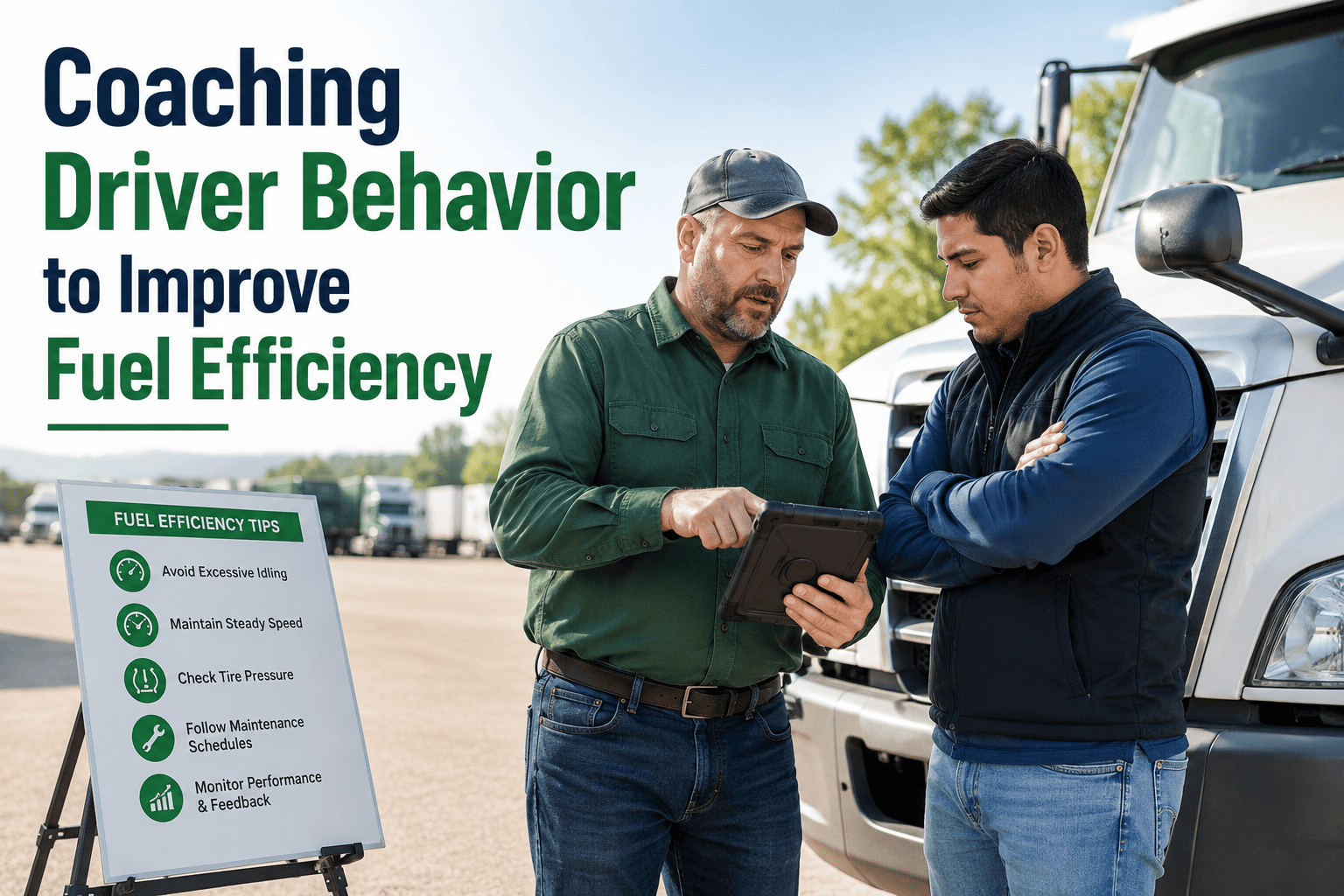
The difference between monitoring and coaching determines whether your program creates lasting behavioral change or just generates resentment. Data without context becomes accusatory surveillance, but data paired with constructive coaching transforms into career development. Effective behavior monitoring systems do not just tell drivers they are doing something wrong; they show drivers exactly what happened, why it matters, and how to improve. When a harsh braking alert triggers, the coaching interface displays video footage of the event alongside telemetry graphs showing brake force, vehicle speed, and following distance. This evidence-based feedback eliminates the he-said-she-said disputes that plague traditional safety programs, replacing subjective accusations with objective facts. The best programs implement tiered coaching responses proportional to risk severity and frequency. A first-time speeding event might trigger an automated in-app reminder about speed limits, while a pattern of aggressive driving escalates to manager involvement and formal training requirements. This graduated approach reserves human intervention for situations that truly need it, preventing manager burnout while ensuring high-risk behaviors receive appropriate attention. Positive reinforcement matters equally—systems should celebrate safe driving streaks, reward consistent improvement, and publicly recognize top safety performers. Drivers respond better to recognition than punishment, making positive feedback loops essential for cultural transformation.
Expert Safety Insight
Privacy, Trust, and Driver Acceptance
The most sophisticated monitoring system in the world fails if drivers refuse to accept it. Privacy concerns represent the primary barrier to successful behavior monitoring implementation, particularly when programs are introduced without proper communication and transparency. Drivers fear constant surveillance, unfair discipline based on incomplete data, and loss of autonomy in their work environment. Addressing these concerns requires clear policies about what data is collected, how it is used, who has access to it, and what triggers disciplinary action versus coaching. The most successful programs establish explicit thresholds that define unacceptable behavior, ensuring drivers know exactly where the line sits rather than wondering if every minor event will be scrutinized. Transparency builds trust—share aggregate safety data with the entire team so everyone understands fleet-wide performance trends and sees that monitoring applies equally to all drivers. Many fleets implement driver advisory councils where operators provide input on safety policies and alert thresholds, giving drivers ownership over the program rather than feeling subjected to it. Consider privacy-by-design features like requiring manager authorization before viewing individual trip details, or implementing data retention policies that automatically delete old driving events unless they are involved in incidents. Technology enables visibility, but policy determines whether that visibility feels supportive or oppressive.
Build Safer Driving Habits Today
Join innovative fleets that have reduced accidents by 35% using Oxmaint's Driver Behavior Monitoring and Coaching tools. Start your free trial or schedule a demo to see the safety transformation in action.
No credit card • 14-day trial • Full Driver Coaching Suite Included