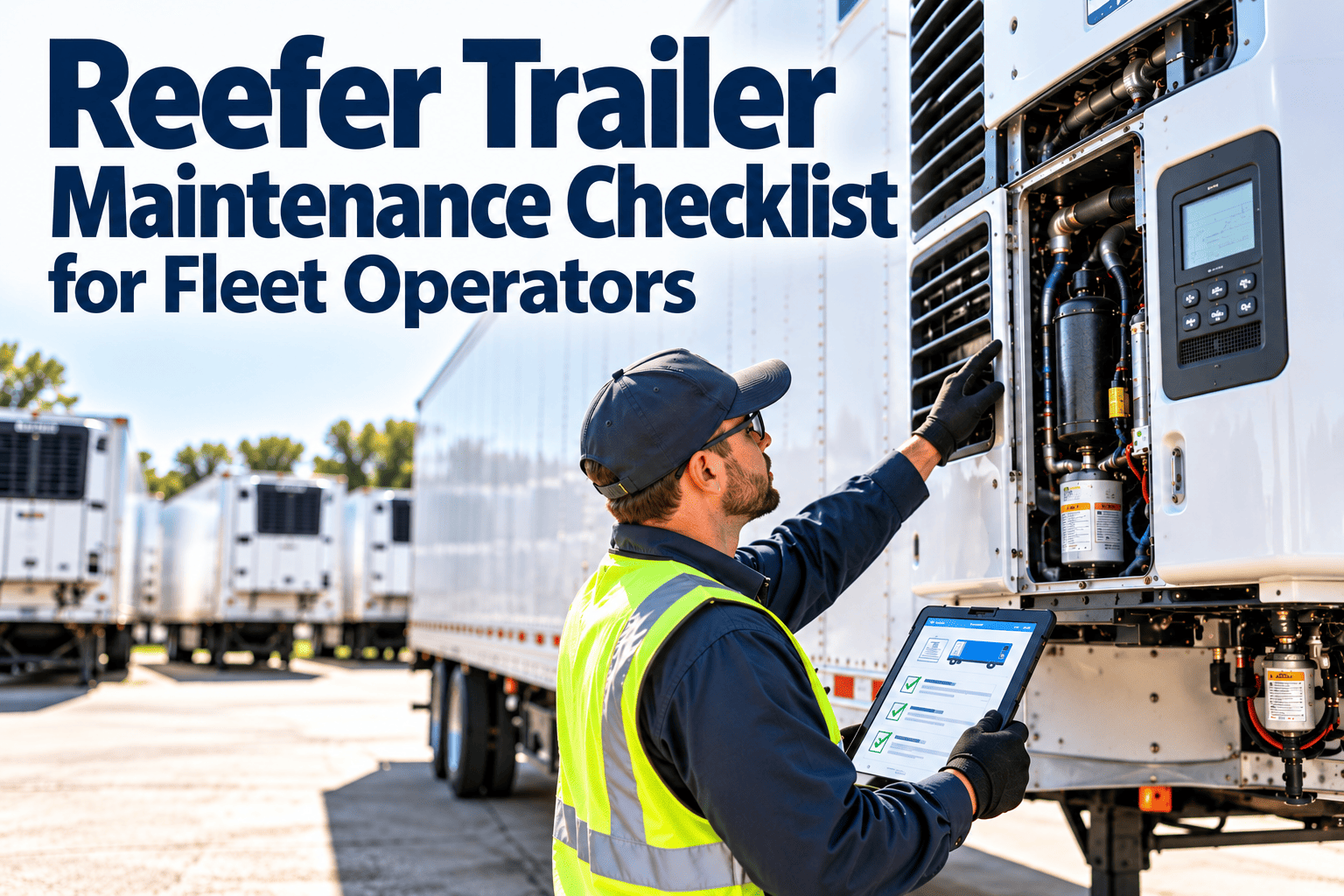
A reefer trailer has two jobs: roll safely and hold temperature. A brake defect or a failing refrigeration unit can end a trip, and a unit that drifts a few degrees can ruin the load without any warning light in the cab. Fleet operators need a maintenance routine that covers both the trailer and the refrigeration system. This checklist organizes that work by interval and system, and shows how to track it in reefer maintenance software.
Refrigerated Fleet Maintenance
Reefer Trailer Maintenance Checklist for Fleet Operators
A practical interval-based checklist for refrigeration units, airflow, insulation, doors, and running gear, written for fleets that cannot afford a failed load or an unplanned breakdown.
The air path your maintenance must protect
A blocked chute, damaged floor channel, or dirty coil breaks this loop even when the unit is running.
Refrigeration unit
Discharge air
Air chute and cargo space
Return air
Evaporator coil
Why Reefer Maintenance Needs Its Own Checklist
What a dry van program covers
- Brakes, tires, and wheel ends
- Lighting and electrical connections
- Suspension and landing gear
- Doors, floor, and body condition
- Annual and periodic inspections
What a reefer adds
- Engine and fuel system on the refrigeration unit
- Compressor, condenser, evaporator, and controls
- Defrost cycles and drain lines
- Temperature sensors, probes, and data records
- Insulation, door seals, floor grooves, and air chutes
- Food safety and cleanliness requirements
Maintenance intervals for the refrigeration unit, such as service hours, oil, filters, and belts, differ by manufacturer and model. Use the service manual as the controlling reference.
Interval-Based Maintenance Map
Before every load
- Trailer interior clean, dry, odor-free, and free of debris
- Floor channels and air chute clear and undamaged
- Door seals intact, doors close and latch tightly
- Refrigeration unit fuel level adequate for the trip
- Unit starts with no active alarms
- Pre-cool to set point before loading and confirm the set point matches the load requirement
- Brake, tire, light, and coupling checks completed
Weekly or at high-use intervals
- Evaporator coil visually checked for ice, debris, and damage
- Condenser coil cleared of dirt, insects, and road debris
- Belts inspected for wear, cracks, and correct tension
- Fan blades and guards checked for damage or looseness
- Drain tubes and drain hose checked for blockage
- Battery terminals, cables, and charge level checked
- Fuel water separator checked and drained if needed
Per manufacturer service interval
- Engine oil and filter changed on the hours schedule
- Fuel filters and air filter replaced
- Coolant condition and level checked
- Refrigerant system checked for leaks by a qualified technician
- Defrost operation and temperature control tested
- Sensors and probes verified against a reference thermometer
- Electrical connections and wiring inspected
Annual and structural
- Annual periodic inspection of brakes, frame, and running gear
- Insulation and trailer skin inspected for punctures and water intrusion
- Roof, side walls, and door frame checked for delamination
- Floor checked for damage, soaking, and gaps
- Refrigeration unit mounting and wiring harnesses checked
- Calibration records for temperature devices updated
- Registration and compliance paperwork verified
Track Unit Hours, Trailer Miles, and Inspections Together
Schedule reefer service by hours, calendar, and mileage, and keep every work order, alarm, and inspection linked to the right trailer.
Pre-Trip Inspection Sequence for Reefers
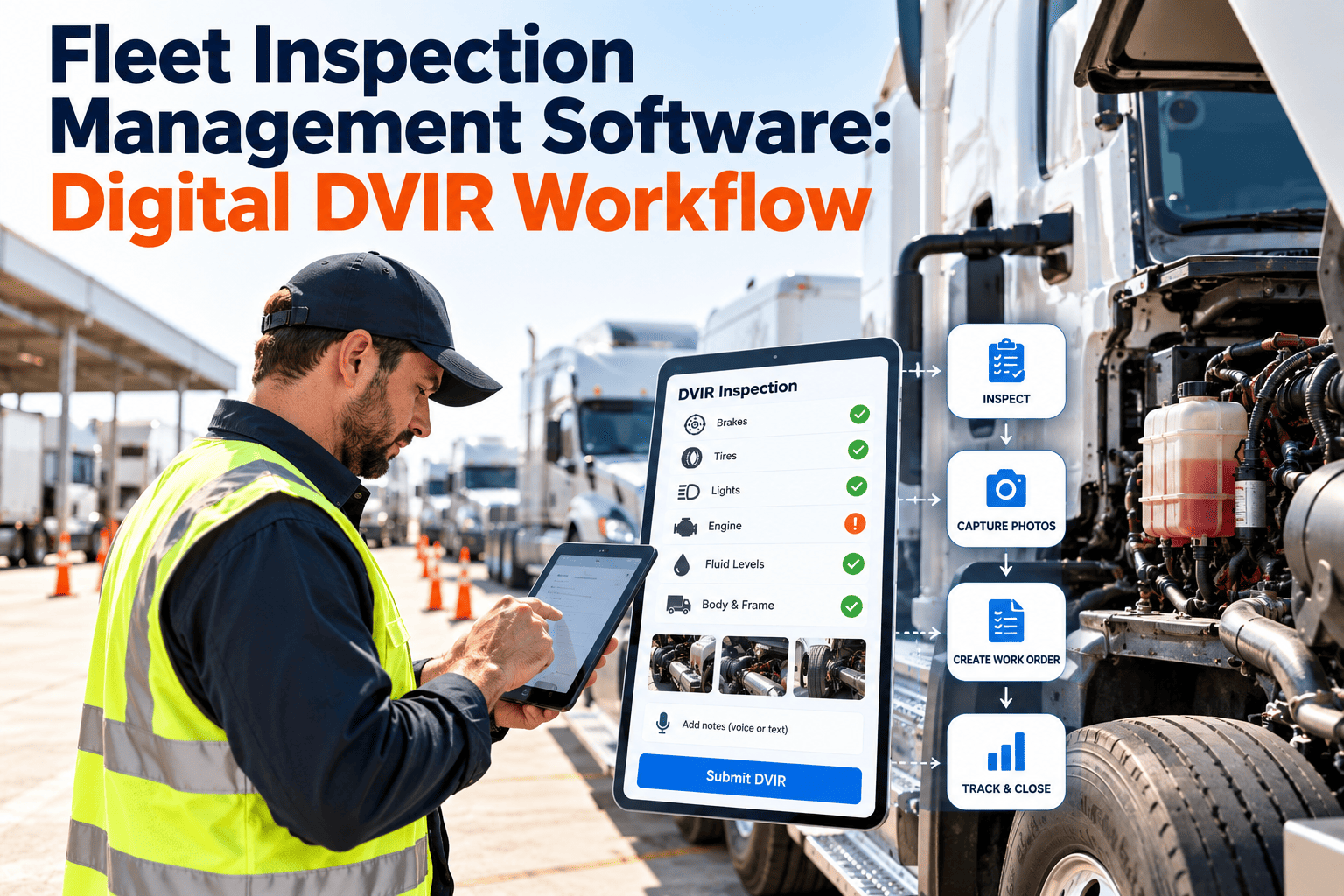
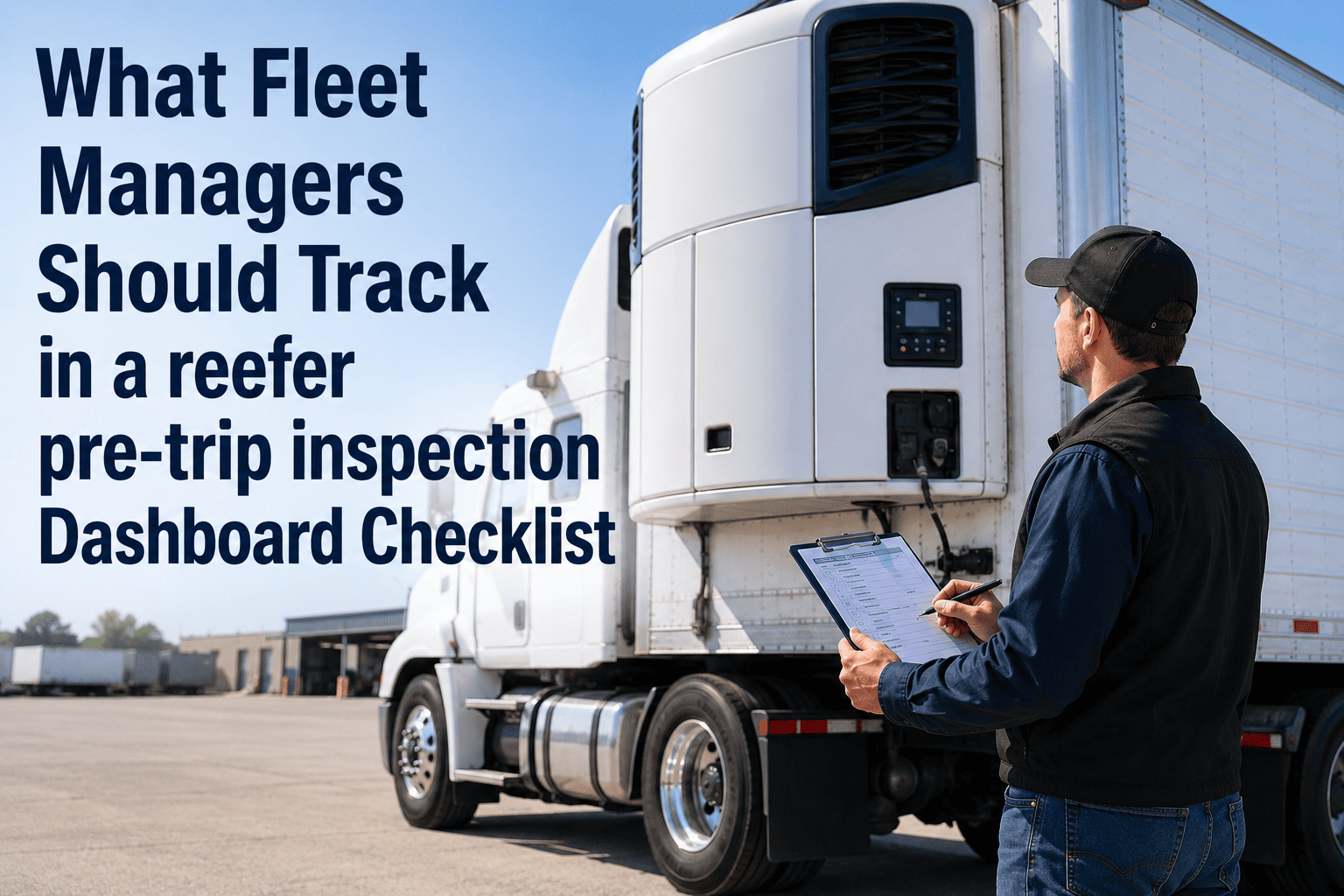
- Inspect the trailer firstWalk the exterior, check tires, brakes, lights, and landing gear, and check the interior for damage that affects airflow.
- Check the unit before startingLook at fuel, oil, belts, coolant, and visible leaks. Note any alarm history on the controller.
- Start and run a function testStart the unit, let it stabilize, and run the manufacturer's pre-trip test where the controller offers one.
- Verify cooling and heating responseConfirm the unit moves toward set point in both cool and heat modes and the fans turn freely.
- Pre-cool the empty trailerBring the box to the required temperature before loading, since the unit is built to hold temperature, not to pull down warm product.
- Record and releaseRecord set point, return air reading, alarms, and fuel, then sign the inspection and report defects.
Symptom to Likely Cause Guide
| Symptom | Common causes to check | Maintenance action |
|---|---|---|
| Unit runs but box will not reach set point | Dirty condenser or evaporator coil, blocked air chute, door seal leaks, low refrigerant, failed sensor | Clean coils, inspect airflow path and seals, schedule a technician for refrigerant and sensor checks |
| Frequent or long defrost cycles | Door left open, damaged seals, drain blockage, defrost sensor fault | Inspect drains and seals, test defrost operation |
| Temperature varies across the load | Overloaded pallets, blocked return air, damaged floor channels, missing air chute | Repair or replace chute and floor sections, train loaders on load height |
| Unit shuts down on alarm | Low oil pressure, high coolant temperature, fuel problems, battery or wiring faults | Review alarm codes, check fluids and fuel system, inspect electrical connections |
| Hard starts or no start | Weak battery, fuel contamination, clogged filters, glow plug or starter issues | Test battery and charging, replace fuel and air filters, inspect starting system |
| Water on trailer floor | Blocked drains, condensation from seal leaks, roof or wall leaks | Clear drains, inspect seals and body panels, dry and test the floor |
| Excessive vibration or noise at the unit | Worn belts, loose fan, failing bearing, loose mounts | Inspect belts, fan assembly, and mounting hardware |
Trailer Structure and Cargo Area Checklist
Doors and seals
- Gasket continuous, soft, and sealing on all sides
- Latches and hinges lubricated and not binding
- Door frame square, with no gaps at corners
Floor and channels
- Floor panels free of cracks, soft spots, and swelling
- Channels open so air can return under the load
- Threshold plate secure and sealed
Walls and roof
- Interior liner free of punctures and cracks
- No signs of water behind panels or at seams
- Exterior skin patched where damaged
Air chute and bulkhead
- Chute attached and undamaged along its length
- Bulkhead openings not blocked by cargo or debris
- Drain flaps and tubes open and functional
Running Gear Still Drives Safety and Compliance
- Brakes need regular measurement and adjustment, because reefer trailers often run heavy and long. Record brake stroke, lining condition, and any chamber or air line damage.
- Tires on reefers can carry heavy loads for hours at highway speed. Check inflation with a gauge, including inner duals, and replace tires before they reach legal tread limits.
- Lighting circuits are worth checking at every pre-trip because intermittent faults often appear only when the cable moves.
- Suspension, axle alignment, and slider pins should be inspected on a set schedule, and slider position should match the load plan.
- Annual inspection records and driver reports should be stored with the refrigeration service history so one record shows the whole trailer.
Cleanliness, Food Safety, and Records
| Area | What to keep in order | Why it matters |
|---|---|---|
| Sanitation | Wash-out records, interior condition checks, and odor or residue notes | Food carriers are expected to maintain vehicles in sanitary condition under the FDA sanitary transportation rule |
| Temperature records | Set point, pre-cool results, and in-transit data from unit controllers or loggers | Shippers and receivers may require proof of temperature control |
| Sensor calibration | Reference checks and replacement records | Inaccurate probes can hide a problem or create false alarms |
| Refrigerant handling | Technician qualifications and service records | Refrigerant work is regulated, so confirm current EPA and local requirements |
| Emissions rules | Unit engine records and compliance status where regional rules apply | Some regions regulate refrigeration unit engines, so verify requirements for your routes |
Regulations and customer requirements vary by cargo and region. Confirm current rules with the regulator and your customer contracts.
Seasonal Adjustments
Summer and high heat
- Clean the condenser more often to keep heat rejection strong
- Check coolant and belts before long runs
- Verify door seals so warm air does not leak in
- Watch for tire heat on long, loaded trips
Winter and freezing conditions
- Test batteries and starting systems before cold snaps
- Use fuel suited to low temperatures and check filters
- Confirm heat mode and defrost operation
- Check drains and door seals for freezing and ice buildup
Loading Practices That Protect the Equipment and the Cargo
Before loading
- Trailer pre-cooled and temperature confirmed
- Dock door seal used to limit warm air entry
- Product temperature checked against requirements
During loading
- Cargo kept below the load line and clear of the air chute
- Space left at walls and rear for airflow
- Doors kept open only as long as necessary
After loading
- Doors latched and seals checked
- Set point and mode verified on the controller
- Load and unit readings recorded on the inspection
At delivery
- Return air and product temperature recorded
- Damage, leaks, or alarms reported to maintenance
- Interior cleaned or flagged for wash-out
Poor loading is one of the most common reasons a healthy unit appears to fail. Feeding loader findings back to maintenance prevents repeat service calls for problems that are not mechanical.
Common Failure Drivers and Preventive Actions
| Failure driver | How it develops | Preventive action |
|---|---|---|
| Coil fouling | Dirt, debris, and residue build up and reduce heat transfer, so the unit works harder and runs hotter | Scheduled coil cleaning and a visual check at each weekly inspection |
| Belt and fan wear | Heat and age degrade belts, which slip, squeal, or break | Replace belts on schedule and check tension and alignment |
| Fuel contamination | Water and sediment clog filters and starve the engine | Drain separators, replace filters on time, and fuel from reliable sources |
| Weak batteries | Vibration, heat, and cold shorten life and cause no-start events | Test and replace on a set cycle, clean terminals, and verify charging |
| Seal and gasket damage | Dock impacts, pallet strikes, and weather tear or flatten seals | Inspect at every pre-trip and replace damaged sections promptly |
| Drain blockage | Debris and ice block drain lines, causing water to collect | Clear drains during routine service and check after winter operation |
| Floor and chute damage | Forklift traffic and heavy loads crush channels and tear chutes | Inspect after rough loading events and repair before the next trip |
Repair, Rebuild, or Replace: A Decision Checklist
- Total repair spend on the unit and the trailer over the last 12 months is compared with the cost of the next major repair
- The number of roadside failures and temperature excursion events linked to this trailer is reviewed against other units
- Unit engine hours are compared with the manufacturer's major service guidance, and the cost of that service is estimated
- Insulation and structural condition are assessed, since poor insulation makes the unit work harder regardless of repairs
- Parts availability and technician familiarity with the model are confirmed
- Customer requirements and any regional emissions rules are checked to see if the unit still meets them
- Resale or trade-in value is estimated and compared with the cost of continued service
Who Does What in a Reefer Maintenance Program
Drivers and loaders
- Complete pre-trip and post-trip checks
- Pre-cool, set, and verify temperature
- Load below the line and keep airflow clear
- Report alarms, leaks, and damage right away
Technicians and managers
- Perform hours-based service and repairs
- Record alarm codes, parts, and findings
- Review repeat faults and adjust intervals
- Decide when to repair or replace a unit
Responding to Unit Alarms on the Road
- Record the alarm codeNote the code, time, location, and current temperatures before clearing anything on the controller.
- Check the basicsLook at fuel level, visible leaks, door position, and whether the box temperature is holding.
- Call dispatch and maintenanceShare the code and conditions so the shop can decide whether to continue, stop, or arrange roadside service.
- Protect the loadFollow customer instructions on product checks and notifications while the unit is being repaired.
- Close the loopCreate a work order for the repair, record the cause, and review whether the same fault is recurring.
What to Track in a Maintenance System
- Trailer asset records should link the trailer, refrigeration unit, and any data logger, so service history is not split across paper files.
- Preventive maintenance schedules can run on unit hours, calendar dates, and trailer mileage, with different tasks tied to each trigger.
- Inspection forms for pre-trip, post-trip, and annual checks can include refrigeration items, photos, and required fields.
- Work orders can capture alarm codes, parts used, labor, and technician notes, which makes recurring faults visible.
- Inventory records help keep belts, filters, sensors, and door seals on hand for quick turnaround.
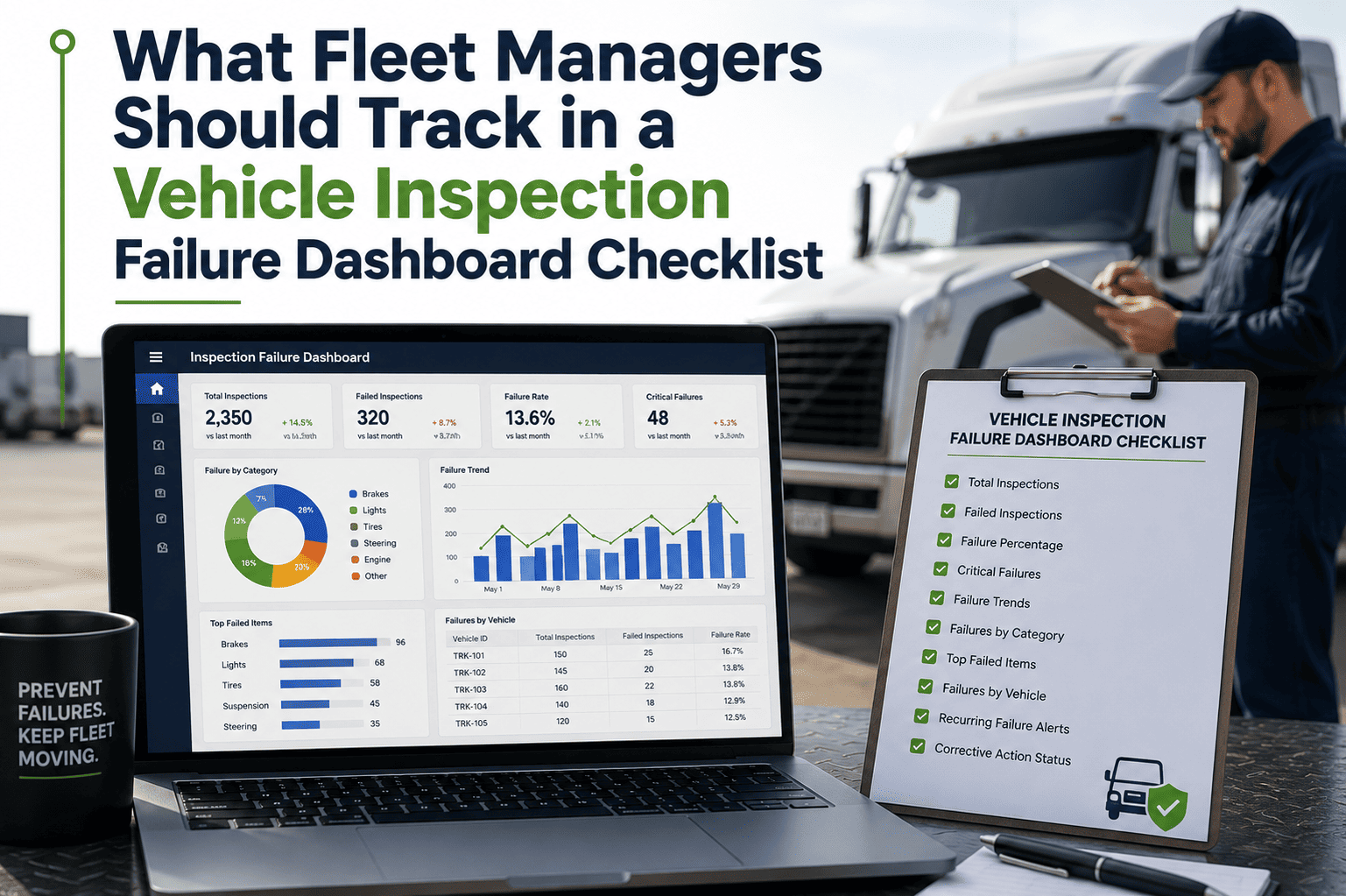
- Reports can show repeat alarms, cost per trailer, overdue service, and downtime, so managers can decide where to repair or replace.
Reefer Maintenance Metrics
| Metric | What it tells you |
|---|---|
| Unit PM on-time rate | Whether hours-based service is completed before the due point |
| Alarms per 1,000 unit hours | Reliability trend by unit and by model |
| Temperature excursion events | How often loads left the required range, and why |
| Roadside breakdowns | Failures that happened away from the shop |
| Repeat repairs on the same fault | Root cause problems that need a different fix |
| Maintenance cost per trailer | Which units cost more to keep running than they are worth |
Reefer Maintenance FAQs
How often should a reefer unit be serviced?
Follow the manufacturer's service hours and calendar limits, then adjust for duty cycle and operating conditions.
Why pre-cool the trailer before loading?
The unit is designed to hold product temperature, not to cool warm cargo quickly, so pre-cooling protects the load.
Can one system track the unit and the trailer?
Yes. A fleet CMMS can hold both on one asset record with separate PM schedules.
What is the most common preventable cause of failure?
Skipped basics, such as dirty coils, worn belts, blocked drains, and missed fuel or filter service.
Can we set up reefer templates quickly?
Yes. You can book a demo to see inspection and PM templates for refrigerated trailers.
Keep Every Reefer Trailer Ready for the Next Load
Schedule unit service, capture inspections, and track repairs in one place so temperature-controlled freight keeps moving.