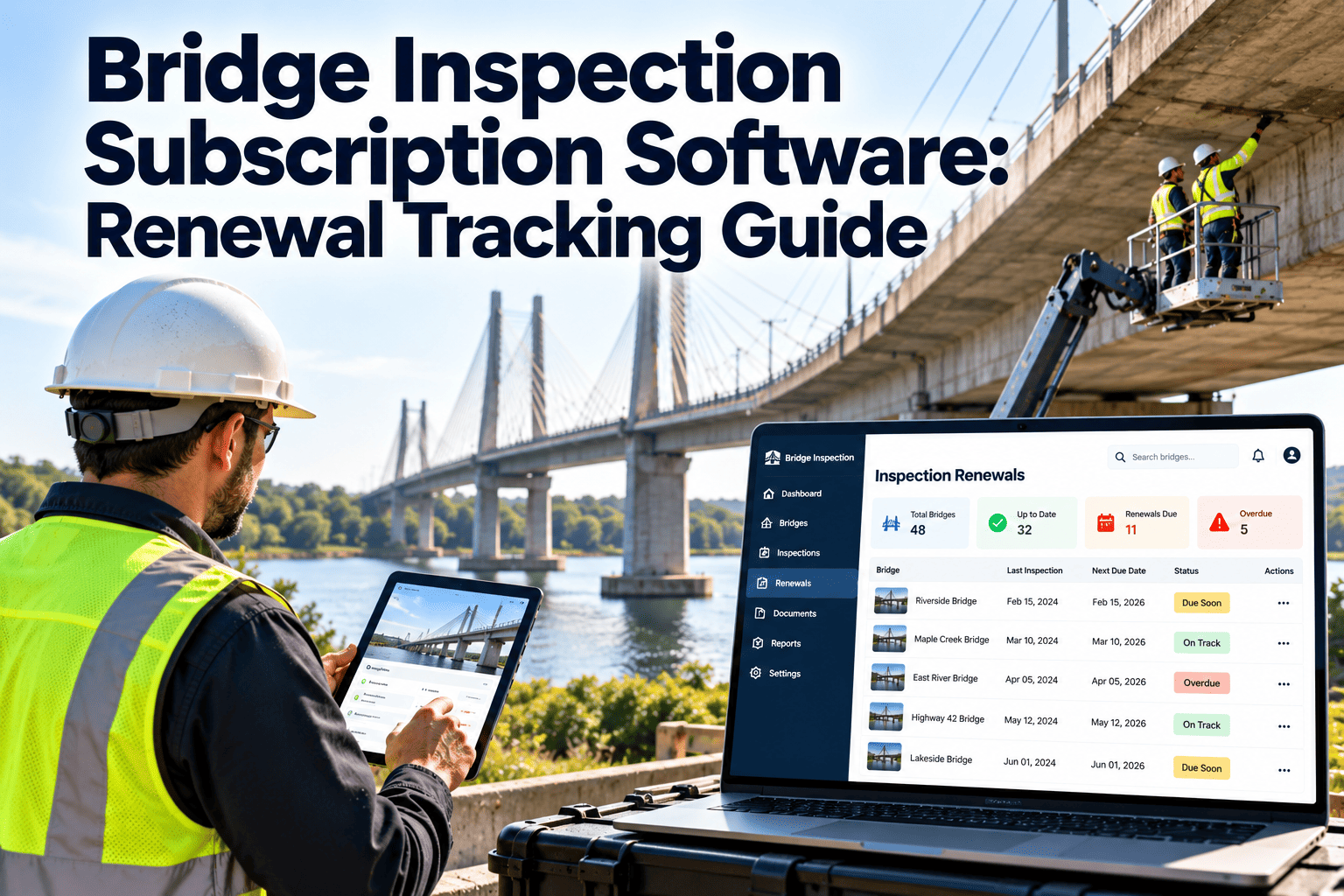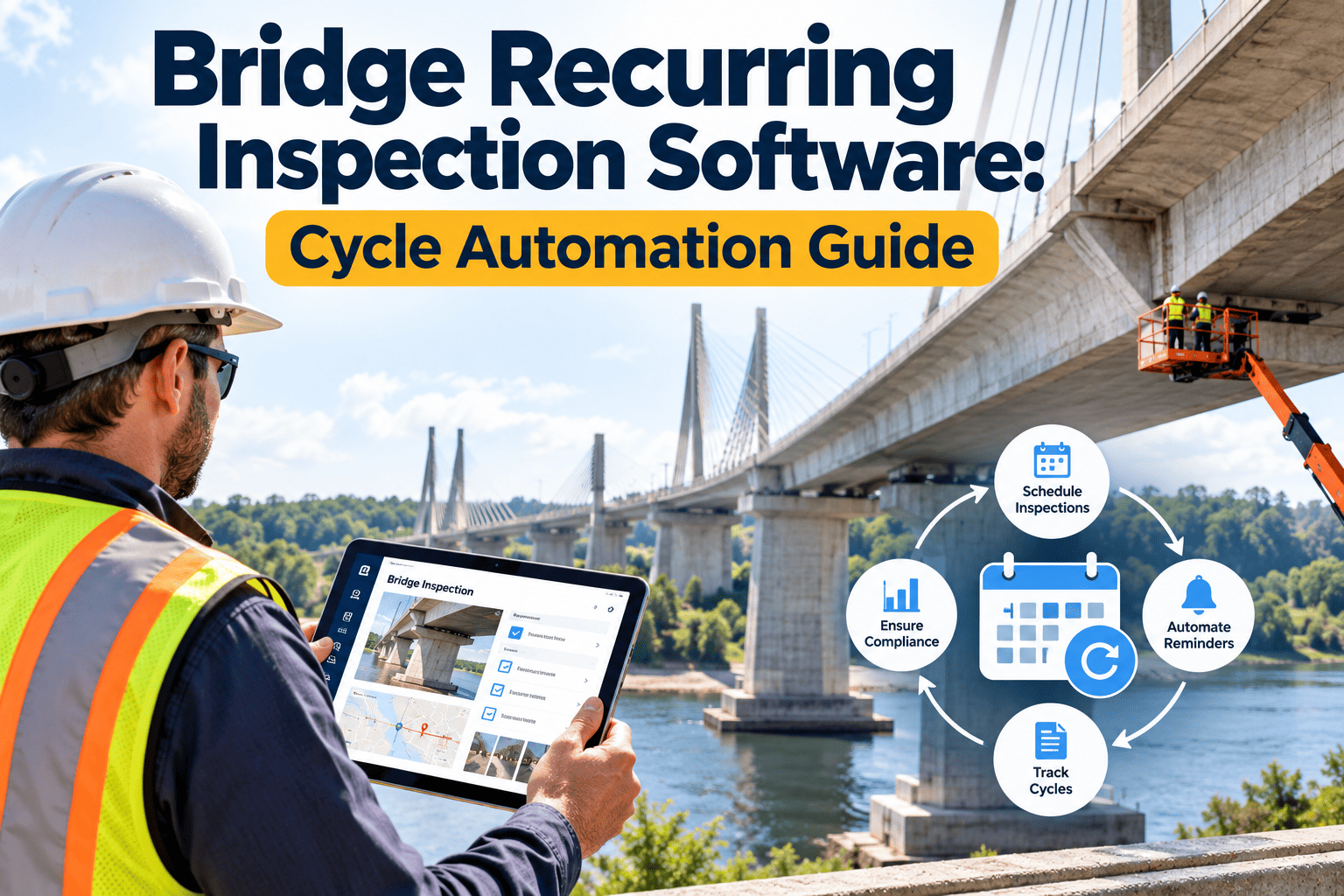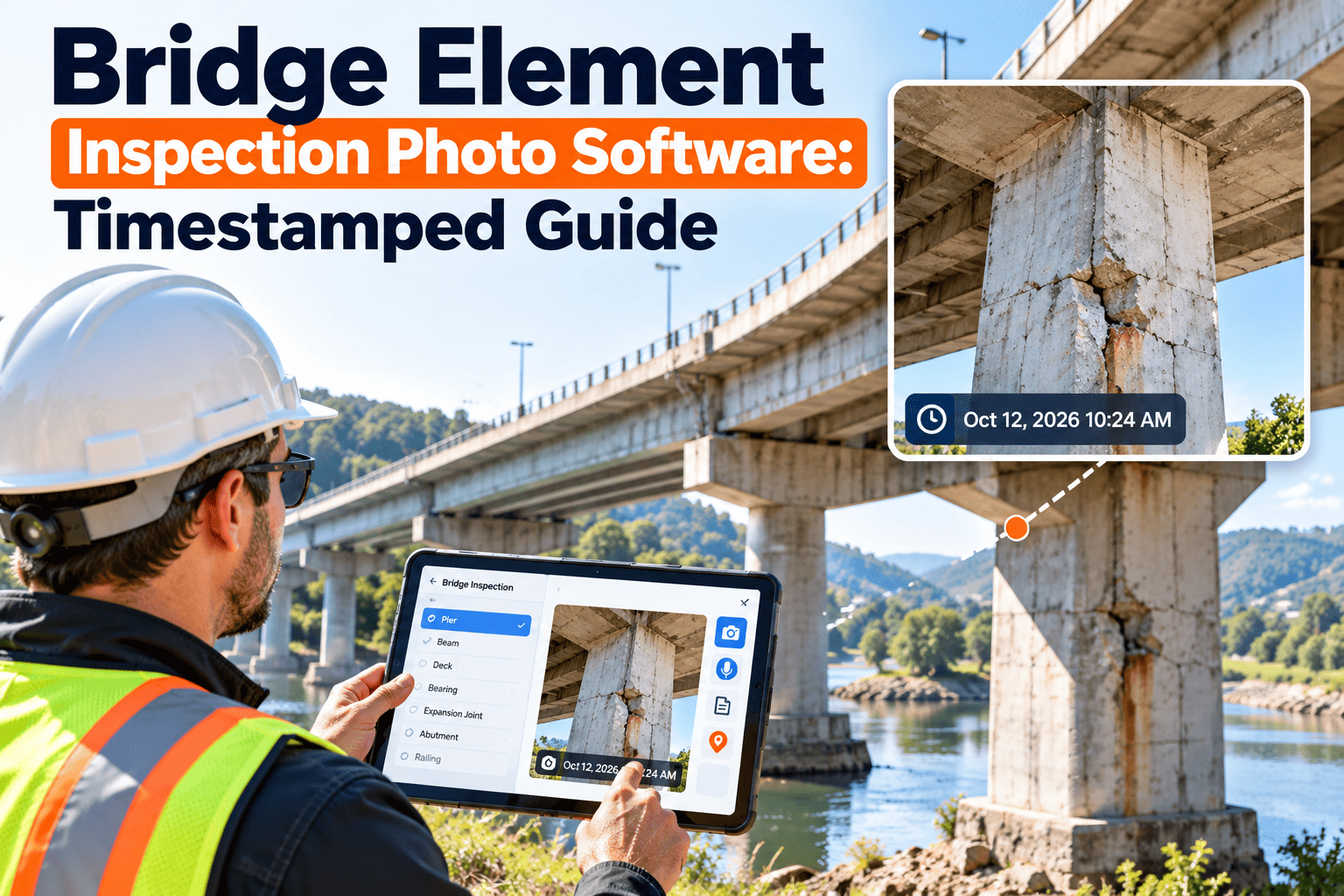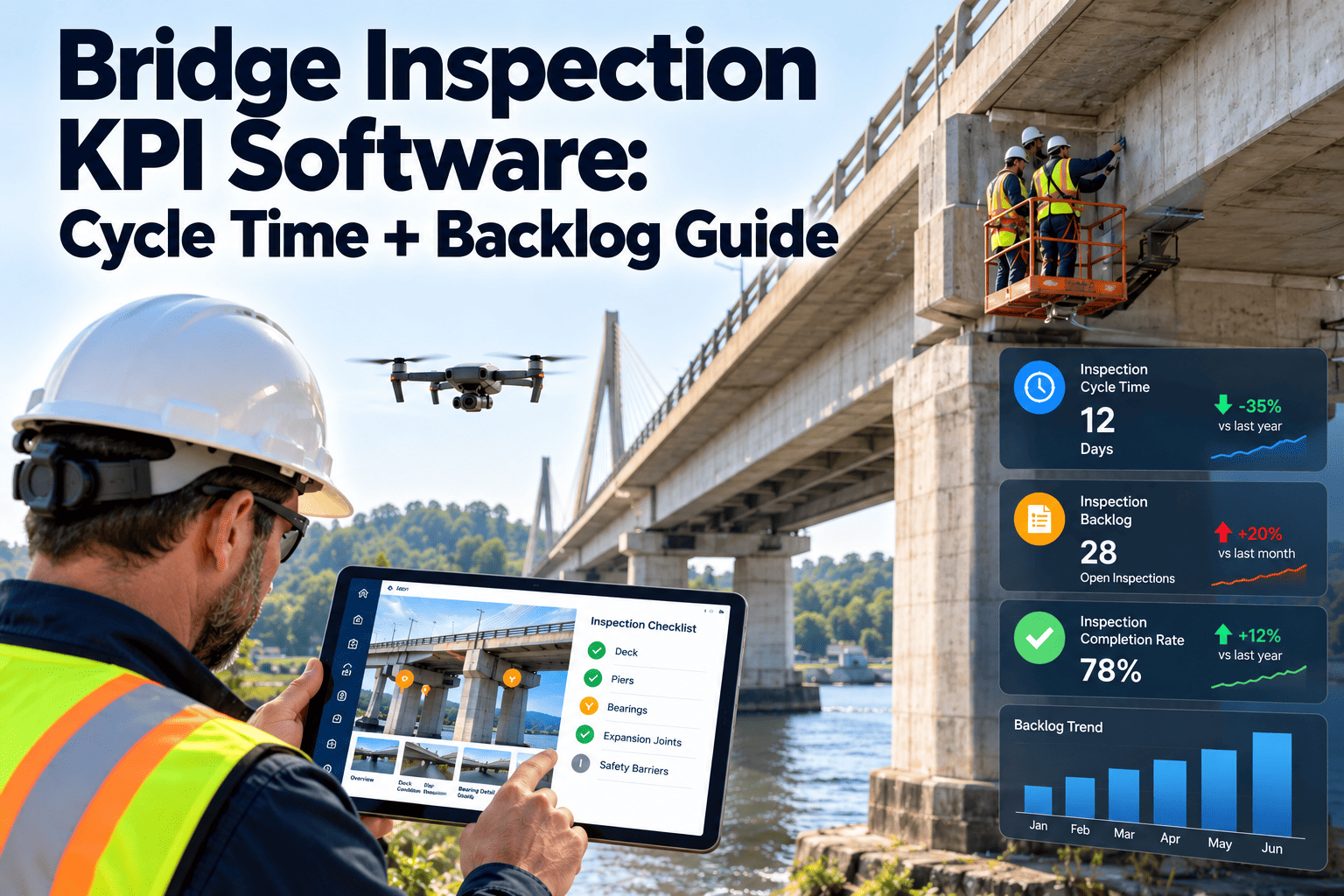
A state or county bridge program rarely relies on a single inspection firm. Most portfolios are split across three, five, sometimes eight engineering consultancies, each holding a task order for a different district, span type, or inspection cycle. When a bridge owner needs a single portfolio-wide answer — how many structurally deficient spans are overdue for re-inspection — that answer has to be assembled by hand from firms that do not share a system. OxMaint gives bridge asset owners a shared coordination layer that keeps every vendor's inspection output, task order status, and deficiency record in one place without requiring the firms themselves to change how they work.
Coordinating Multiple Bridge Inspection Firms Without Losing the Portfolio View
A guide to managing multi-firm bridge inspection contracts, issuing and tracking task orders, and consolidating cross-vendor deficiency reporting into one defensible record.
The Coordination Gap Behind Every Multi-Firm Bridge Program
Federal requirements under the National Bridge Inspection Standards set the inspection interval, but they say nothing about how a state DOT should manage five consulting firms working the same portfolio on staggered schedules. Each firm typically delivers reports in its own format, on its own timeline, into its own file structure.
Four Recurring Failure Points in Multi-Firm Bridge Contracts
Bridge owners managing multiple firms on staggered task orders tend to hit the same operational friction regardless of state or portfolio size. Recognizing the pattern is the first step toward designing a coordination process that closes it.
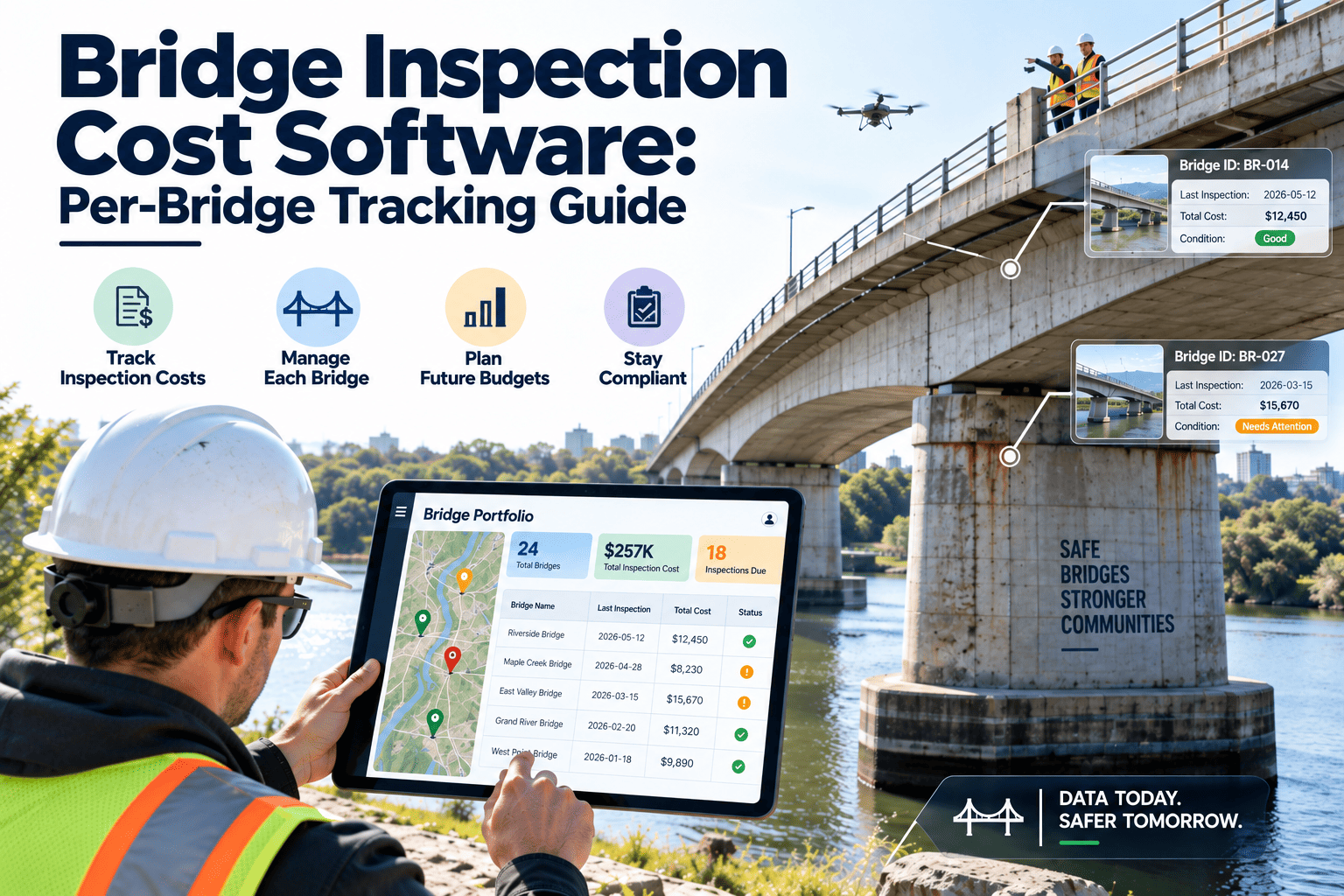
OxMaint keeps inspection history, deficiency ratings, and task order status attached to the bridge itself — not to whichever vendor happened to hold the contract that year.
Task Order Lifecycle Across a Multi-Firm Contract Portfolio
A structured task order lifecycle gives the owner agency visibility at every handoff point between issuance and acceptance of the final report, rather than only at the beginning and end of the contract term.
Cross-Vendor Deficiency Reporting: What Owners Need to See
Bridge owners answering to a state legislature or federal reporting requirement need one consolidated view, not five vendor-specific ones. The table below outlines what a cross-vendor deficiency report should contain to satisfy both operational planning and compliance review.
| Report Element | Purpose | Sourced From |
|---|---|---|
| Portfolio condition summary | Council/legislative reporting on overall bridge health | Aggregated across all active firm contracts |
| Structurally deficient count by district | Capital prioritization by geography | Standardized deficiency ratings, regardless of inspecting firm |
| Task order completion rate | Vendor performance evaluation for contract renewal | Task order lifecycle timestamps |
| Overdue re-inspection list | NBIS compliance exposure | Inspection interval vs. last completed date per bridge |
Why OxMaint Fits Multi-Firm Bridge Inspection Programs
OxMaint was not built to replace an engineering firm's inspection methodology — it was built to give the owner agency a coordination layer above it, so the portfolio stays visible no matter how many firms are under contract in a given year.
How Procurement Structure Shapes Coordination Risk
Most state and county bridge programs procure inspection services through indefinite-delivery, indefinite-quantity contracts spread across multiple prequalified firms rather than a single master vendor. The structure exists for good reasons — it prevents overreliance on one firm's capacity and creates competitive pricing pressure across renewal cycles — but it also means the owner agency, not any individual vendor, becomes the only party with visibility across the whole portfolio.
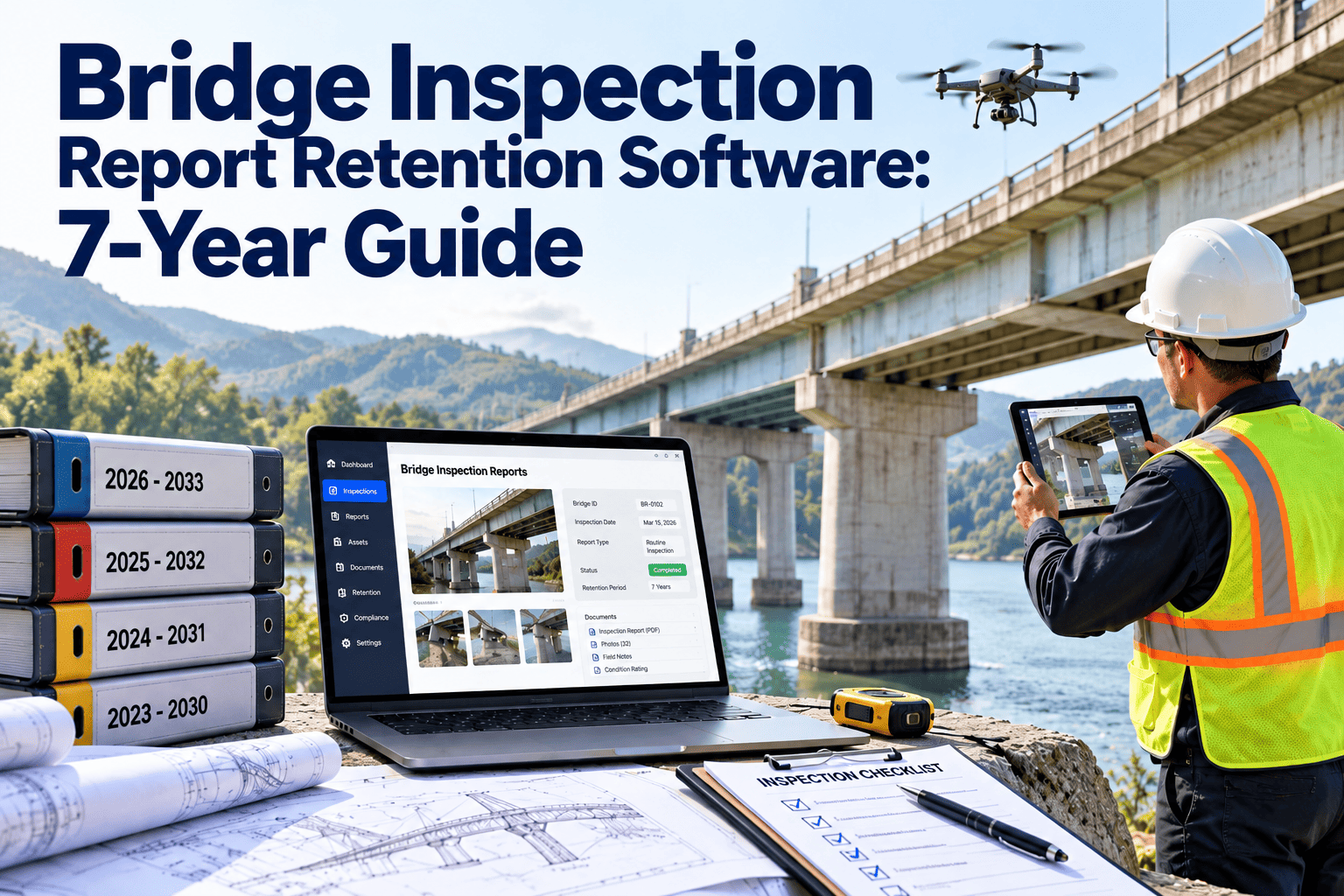
That visibility gap widens further when contracts are awarded on staggered terms. Each transition carries a real risk of inspection history, photo documentation, and repair notes staying with the departing firm's internal systems instead of transferring cleanly to the bridge's permanent record. The agency inherits the burden of reconstructing continuity that the outgoing firm was never contractually required to preserve in a portable format.
Districts that manage this well tend to build the data transfer requirement directly into the procurement language itself — requiring, as a contract deliverable, that all inspection data be submitted into the owner agency's shared system rather than delivered only as a final PDF report. This shifts data coordination from a goodwill request made at contract closeout to a binding requirement built into the task order from day one, and it gives contract managers a clear, enforceable clause to point to if a firm's final deliverable falls short of the expected data structure.
Building a Shared Deficiency Rating Scale Across Firms
The National Bridge Inspection Standards establish condition rating scales for deck, superstructure, and substructure, but individual firms still exercise engineering judgment in how they apply those scales to specific findings, and internal shorthand for flagging urgency varies firm to firm. One firm's "monitor at next cycle" note and another firm's "priority repair" flag may describe comparably serious conditions without either notation mapping cleanly to the other.
A shared deficiency rating framework solves this by requiring every firm under contract to score findings against the same defined severity tiers before a report is accepted — not by asking firms to change their inspection methodology, but by requiring a translation layer at the point of data submission. This is the step that makes a true portfolio-wide backlog possible, and it is typically far easier to negotiate into a new task order than to retrofit into an existing one, which is why owner agencies that plan for it during the next procurement cycle tend to see faster adoption across their vendor pool.
Reporting Cadence for Multi-Firm Contract Renewals
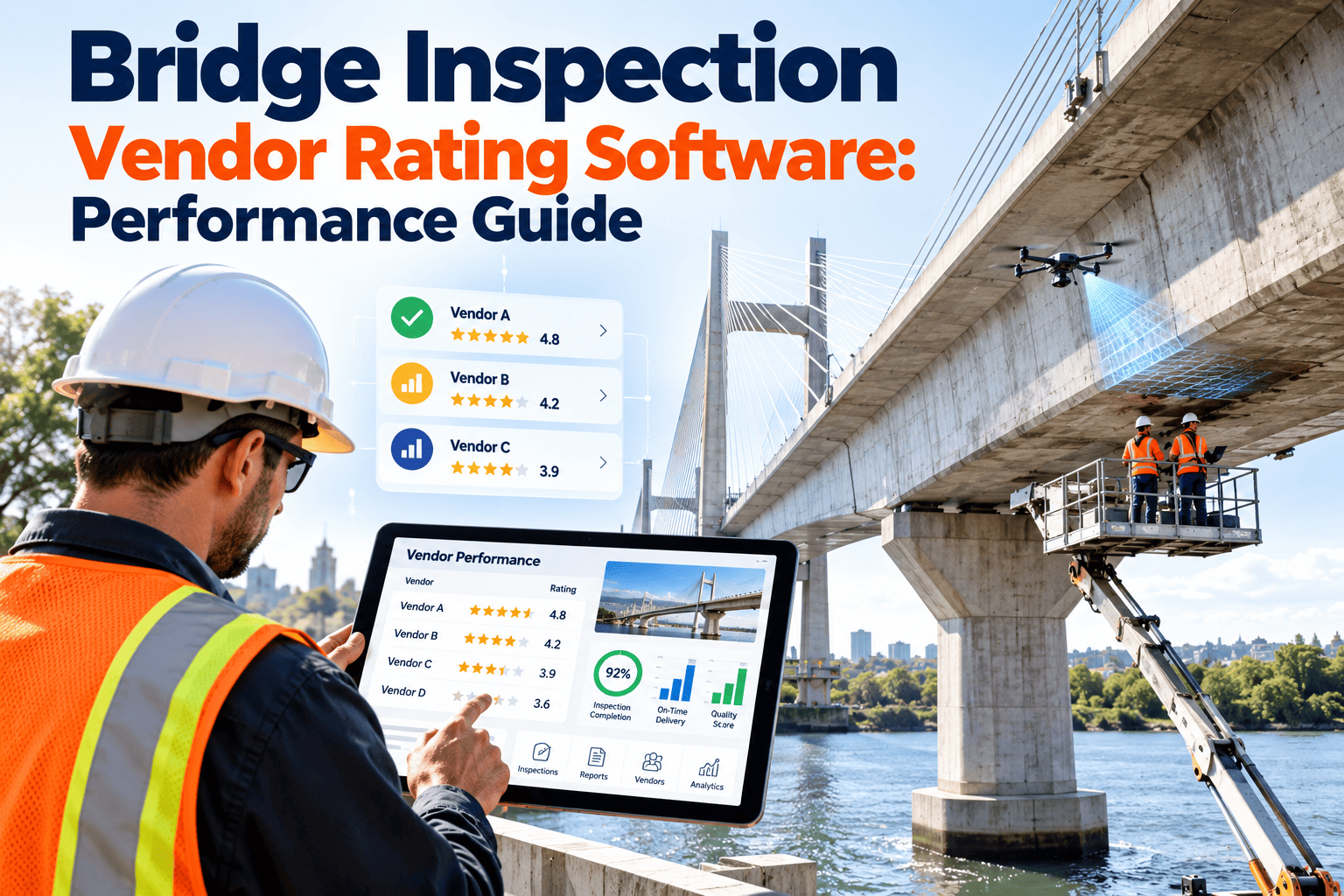
Contract renewal decisions are one of the few moments when a bridge owner has real leverage to improve vendor performance, but that leverage only matters if the owner walks into the renewal conversation with objective performance data rather than a general impression of how the relationship felt over the contract term. Task order completion rate, average time from issuance to report acceptance, and rework rate on submitted findings are the three metrics that tend to carry the most weight in a renewal decision.
Building this reporting cadence requires the same task order lifecycle data described earlier, tracked consistently across every firm under contract rather than reconstructed from memory or email search at renewal time. Owner agencies that review these metrics quarterly, rather than only at the end of a multi-year term, catch underperformance early enough to address it through contract management rather than being surprised by it during a renewal cycle when options are more limited.
Expert Perspective
Frequently Asked Questions
OxMaint gives bridge owners the task order tracking, standardized deficiency reporting, and shared asset record that keeps multi-firm contracts coordinated and audit-ready.