Every municipality has more road miles than budget — and the gap is widening. The ASCE's 2025 Report Card gave U.S. roads a D+ grade, with 39% of major roads in poor or mediocre condition and a $684 billion funding gap projected over the next decade for roadway systems alone. When a public works department has to decide between sealing cracks on a road that still has structural life and reconstructing a road that has already failed, that decision determines whether limited dollars protect pavement value or chase pavement that is already lost. The difference between a city whose road network holds steady and one whose network deteriorates faster than it can be repaired is not the size of the budget — it is the prioritization system behind it. OxMaint gives public works engineers the condition data, prioritization scoring, and work order management to make every road maintenance dollar count across the entire network.
Roads, Bridges and Pavement · Public Works Engineering
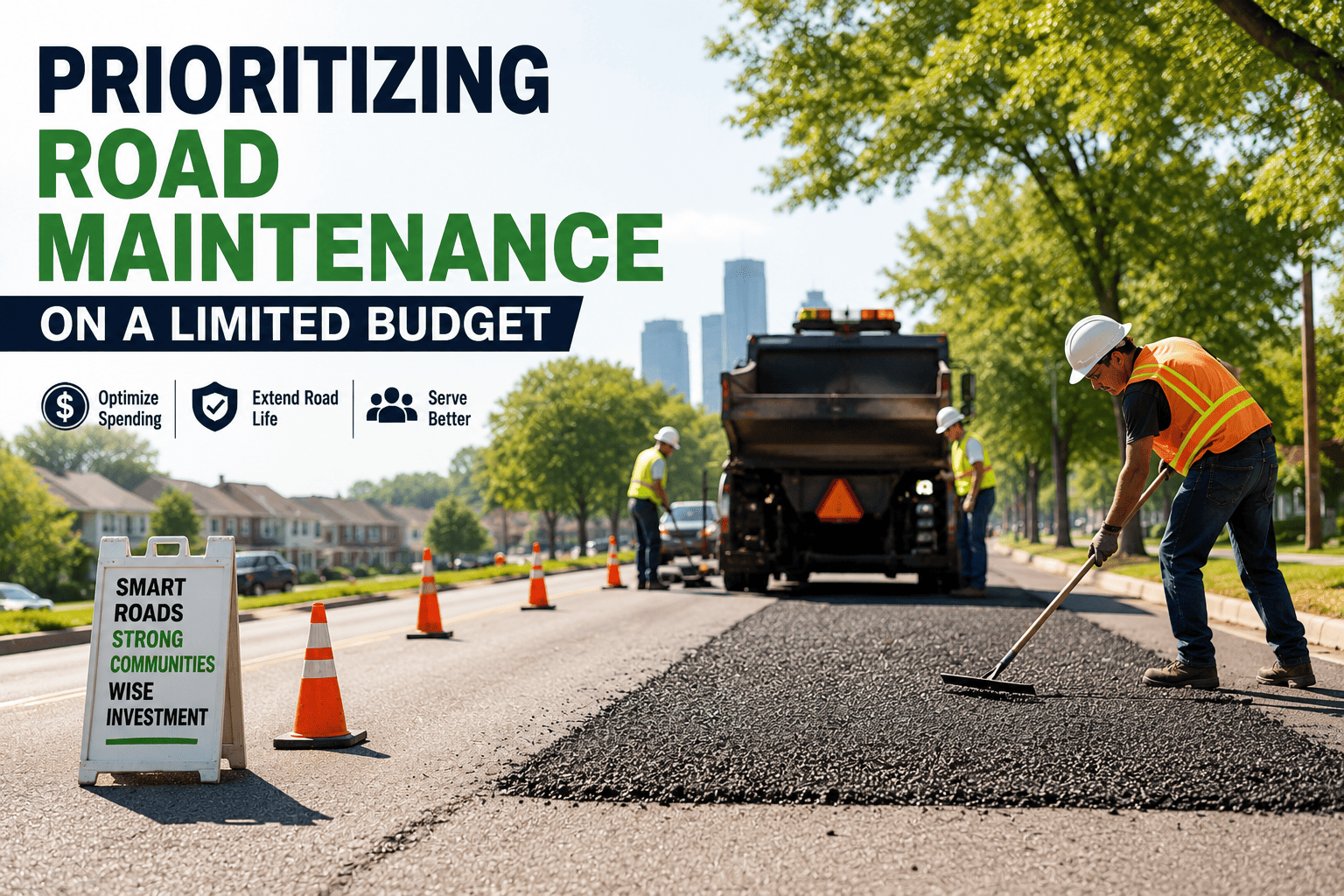
Prioritizing Road Maintenance on a Limited Budget
How to score, rank, and schedule road maintenance so limited dollars go to the treatments that protect the most pavement value across your network — not just the loudest complaints.
D+
ASCE 2025 grade for U.S. roads — up from D in 2021 but still "at risk"
39%
Of major U.S. roads rated in poor or mediocre condition
$6–$10
Saved in future rehab for every $1 spent on preventive pavement preservation
The Math That Changes How You Spend Road Dollars
The most expensive road maintenance strategy is also the most common — fix the worst roads first. A "worst first" approach spends the entire budget reconstructing a few failed roads at the highest cost per lane-mile, while allowing roads that still have structural life to deteriorate past the point where low-cost preservation treatments can save them. The numbers below show why prioritizing preservation over reconstruction protects more pavement value per dollar spent.
Crack Sealing
$1,000–$3,000 per lane-mile
Seal Coat / Chip Seal
$8,000–$15,000 per lane-mile
Micro-Surfacing
$15,000–$25,000 per lane-mile
Thin Overlay
$30,000–$60,000 per lane-mile
Mill and Overlay
$80,000–$150,000 per lane-mile
Full Reconstruction
$250,000–$1,000,000+ per lane-mile
The Pavement Deterioration Curve — Where Your Budget Window Is
Pavement does not deteriorate linearly. A road can maintain good condition for 60–75% of its design life, then drop rapidly once the surface fails and water reaches the base layer. The treatment window — the period when low-cost preservation works — closes fast once a road drops below a PCI of 55. After that, only expensive rehabilitation or reconstruction can restore it.
PCI 85–100
Excellent
Routine maintenance only — crack sealing, drainage clearing. Lowest annual cost per lane-mile.
PCI 70–84
Good
Preservation window open. Seal coats and micro-surfacing extend life 5–10 years at a fraction of reconstruction cost.
PCI 55–69
Fair
Last chance for preservation. Thin overlays still cost-effective. Delay here means jumping to full rehabilitation.
PCI 25–54
Poor
Preservation window closed. Structural rehabilitation required — mill and overlay minimum. Cost per lane-mile multiplies 5-10x.
PCI 0–24
Failed
Full reconstruction only option. Base and sub-base compromised. Budget impact: one failed road consumes what could preserve a dozen.
The Prioritization Matrix — How to Score and Rank Every Road Segment
Political pressure defaults to "fix the road with the most complaints." A data-driven prioritization matrix scores every road segment across multiple factors and ranks them by which treatments deliver the highest return on investment — so the budget goes where the math says it should, not where the loudest voices point.
| Scoring Factor |
Weight |
What It Measures |
Why It Matters |
| PCI Score |
30% |
Current pavement condition on the 0–100 scale from distress surveys |
Identifies which roads are in the preservation window versus past it |
| Traffic Volume (ADT) |
20% |
Average daily traffic count on the segment |
Higher traffic means more users impacted by poor conditions and faster wear |
| Functional Class |
15% |
Arterial, collector, or residential classification |
Arterials carry the network — their failure cascades into the whole system |
| Safety Risk |
15% |
Crash history, drainage failures, pedestrian exposure on the segment |
Liability exposure and public safety obligation override cost optimization |
| Treatment ROI |
10% |
Estimated life extension per dollar for the recommended treatment type |
Ensures dollars go to treatments with the highest return, not the most visible |
| Utility Coordination |
10% |
Planned utility work that would require cutting into the pavement surface |
Avoids resurfacing a road that will be cut open for water or sewer work next year |
Five Budget Strategies That Protect the Most Pavement Value
Municipalities that maintain or improve network condition on flat or shrinking budgets share common strategic patterns. These are not theoretical — they are the operational strategies that cities with strong pavement management programs use to get more road-years out of every dollar.
1
Protect Good Roads First
Allocate 60–70% of the maintenance budget to preservation treatments on roads with PCI above 55. This keeps the largest share of the network out of the expensive rehabilitation zone and maximizes total lane-miles preserved per dollar.
2
Bundle by Geography and Treatment Type
Group adjacent road segments that need the same treatment into single contracts. Mobilization costs — getting equipment to the job site — often account for 15–20% of small project costs. Bundling eliminates redundant mobilization and negotiates volume pricing.
3
Coordinate With Utility Capital Plans
Cross-reference the road maintenance plan with water, sewer, and gas utility replacement schedules. Resurfacing a road that will be trenched for a water main replacement next year wastes the entire resurfacing investment. OxMaint's work order system flags these conflicts before the contract is let.
4
Use Condition Data to Defend Budget Requests
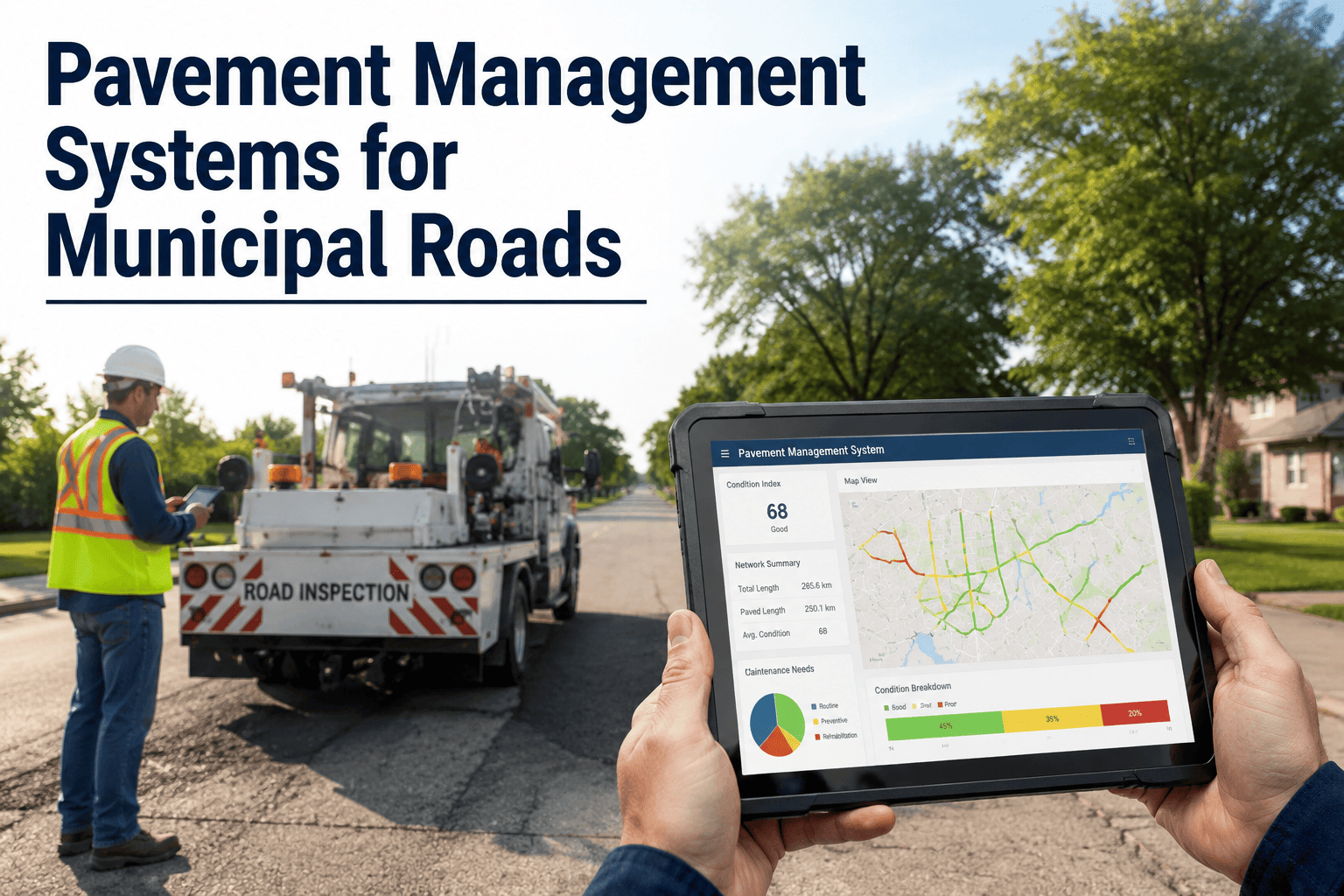
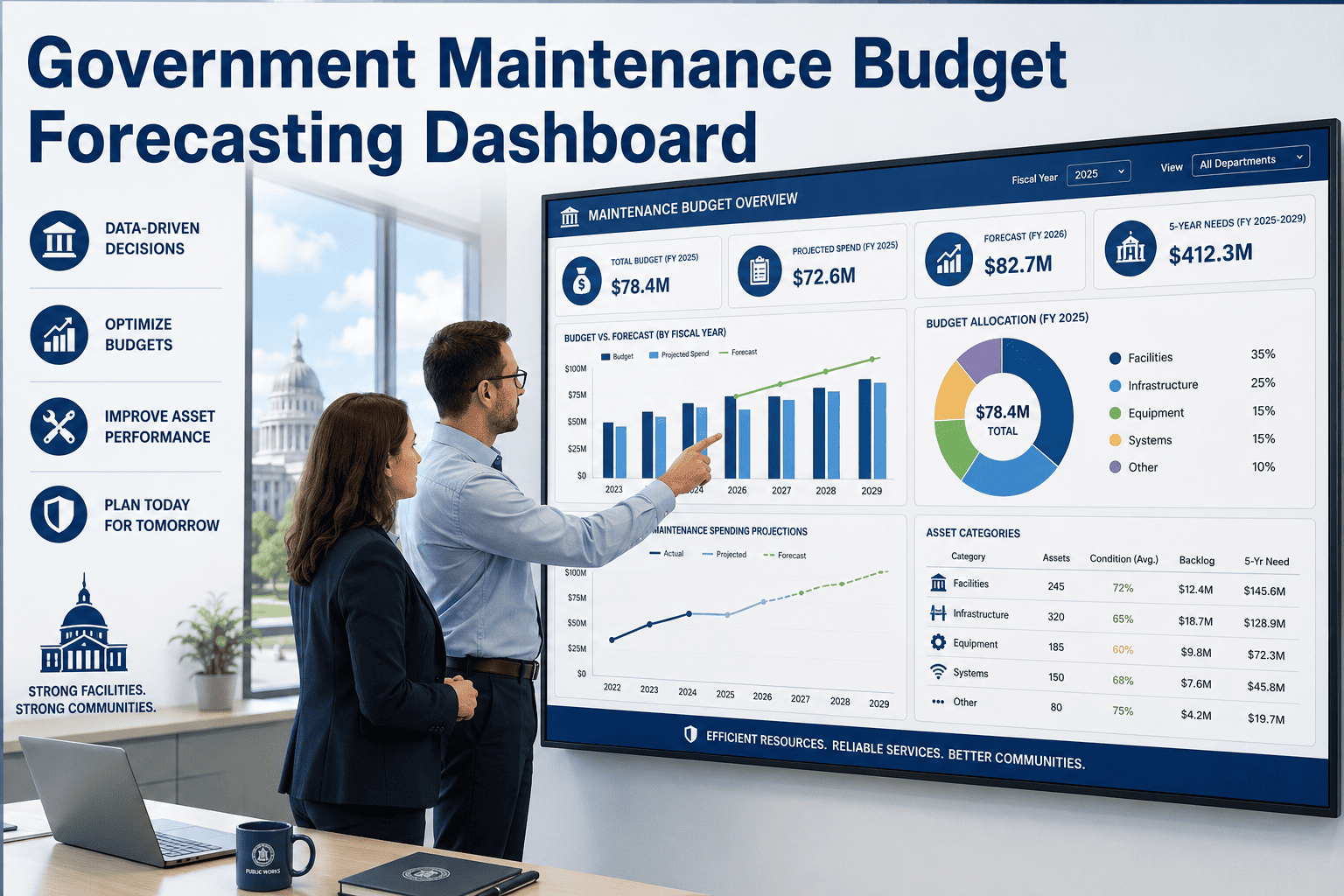
Present council or board members with PCI trending data that shows what happens to the network under current funding versus what adequate funding would preserve. A projected PCI decline from 68 to 52 over five years is a more powerful argument than a flat dollar request.
5
Track Treatment Effectiveness Over Time
Measure actual PCI performance after each treatment to build a local performance database. National cost curves are starting points — your specific climate, traffic, and subgrade conditions will produce different results. OxMaint logs treatment dates and post-treatment PCI scores to build this database automatically.
Build a Defensible Road Maintenance Budget From Real Condition Data
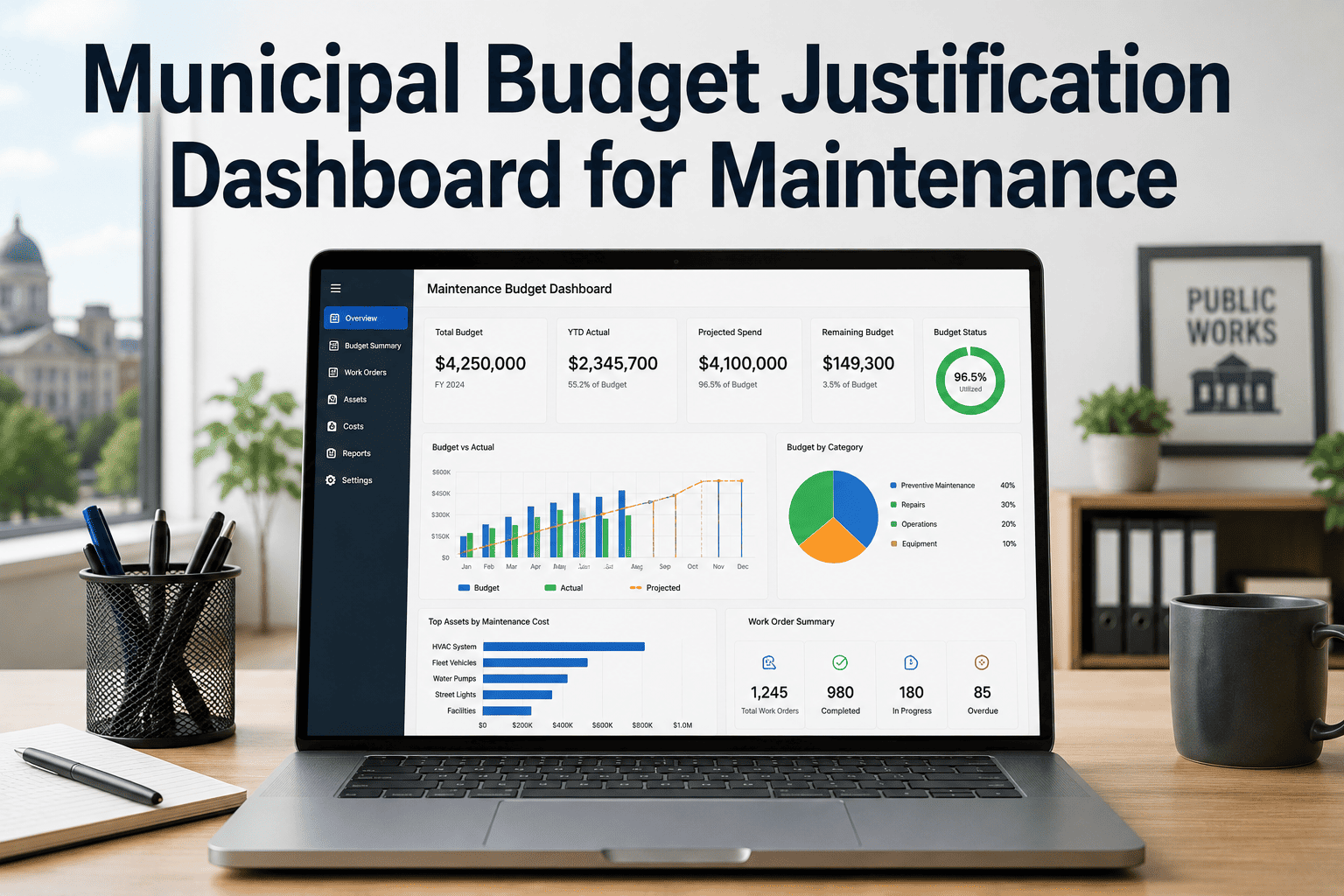
OxMaint generates PCI trending reports, treatment effectiveness analysis, and prioritized capital plans that show council members exactly what happens to the network at every funding level. See the pavement management dashboard in action.
Expert Perspective
The biggest mistake I see in municipal road budgeting is treating reconstruction as the default and preservation as the exception. When a council member drives over a failed road, the instinct is to demand it gets fixed immediately — and that one reconstruction project consumes a quarter of the annual budget. Meanwhile, 30 roads that could have been saved with a seal coat for $12,000 each drop from PCI 65 to PCI 48 in two years, and now they all need $120,000 overlays instead. The cities that keep their networks in better condition are not spending more — they are spending earlier in the deterioration curve. Once you have condition data on every road and you can show the council what preservation buys versus what reconstruction buys, the politics shift. The data turns the conversation from "which road is worst" to "which investment protects the most value" — and that is the conversation that saves networks.
Frequently Asked Questions
How does OxMaint help municipalities that have never done a formal pavement condition survey?
OxMaint supports phased implementation starting with windshield-level PCI assessments that public works staff can conduct using the mobile app on a tablet or smartphone. Staff drive each road segment and rate the condition based on visible distresses, building the PCI database in real time without requiring specialized survey equipment or outside contractors.
Start your road inventory with your existing team and equipment.
Can OxMaint generate prioritized road treatment lists from PCI data?
Yes — OxMaint's prioritization engine scores each road segment using configurable weighted factors including PCI, traffic volume, functional class, safety risk, and treatment ROI. The system generates a ranked treatment list that shows which projects deliver the highest return per dollar, with estimated costs and projected PCI improvement.
Book a demo to see how the prioritization matrix works with your road data.
How does OxMaint help defend road maintenance budgets to elected officials?
OxMaint generates scenario-based reports that show elected officials what happens to the network PCI under different funding levels — including the projected deterioration if the budget stays flat versus the network condition achievable with increased investment. These data-backed projections replace estimate-based requests with defensible capital plans.
See the budget reporting tools in a live walkthrough.
Does OxMaint track treatment effectiveness to improve future prioritization?
Every treatment is logged against the road segment with date, type, and cost. Subsequent PCI surveys are compared to pre-treatment scores to build a local performance database that shows which treatments deliver the best results in your specific conditions. This feedback loop refines prioritization accuracy over time.
Start building your treatment performance data with a free trial.
Can OxMaint coordinate road maintenance with utility work schedules?
OxMaint's work order system allows public works departments to flag road segments with planned utility work — water, sewer, gas, or telecom — so that pavement treatments are not scheduled on roads that will be cut into for utility replacement within the next 12–24 months. This avoids wasting resurfacing investments on soon-to-be-excavated roads.
Book a demo to discuss your coordination workflow.
Your Road Network Is Your City's Most Valuable Asset — Protect It With Data
OxMaint gives public works engineers the PCI tracking, prioritization scoring, and budget scenario tools to make every road maintenance dollar protect the maximum pavement value across the network. Talk to our public works team about your road miles, budget, and network condition.