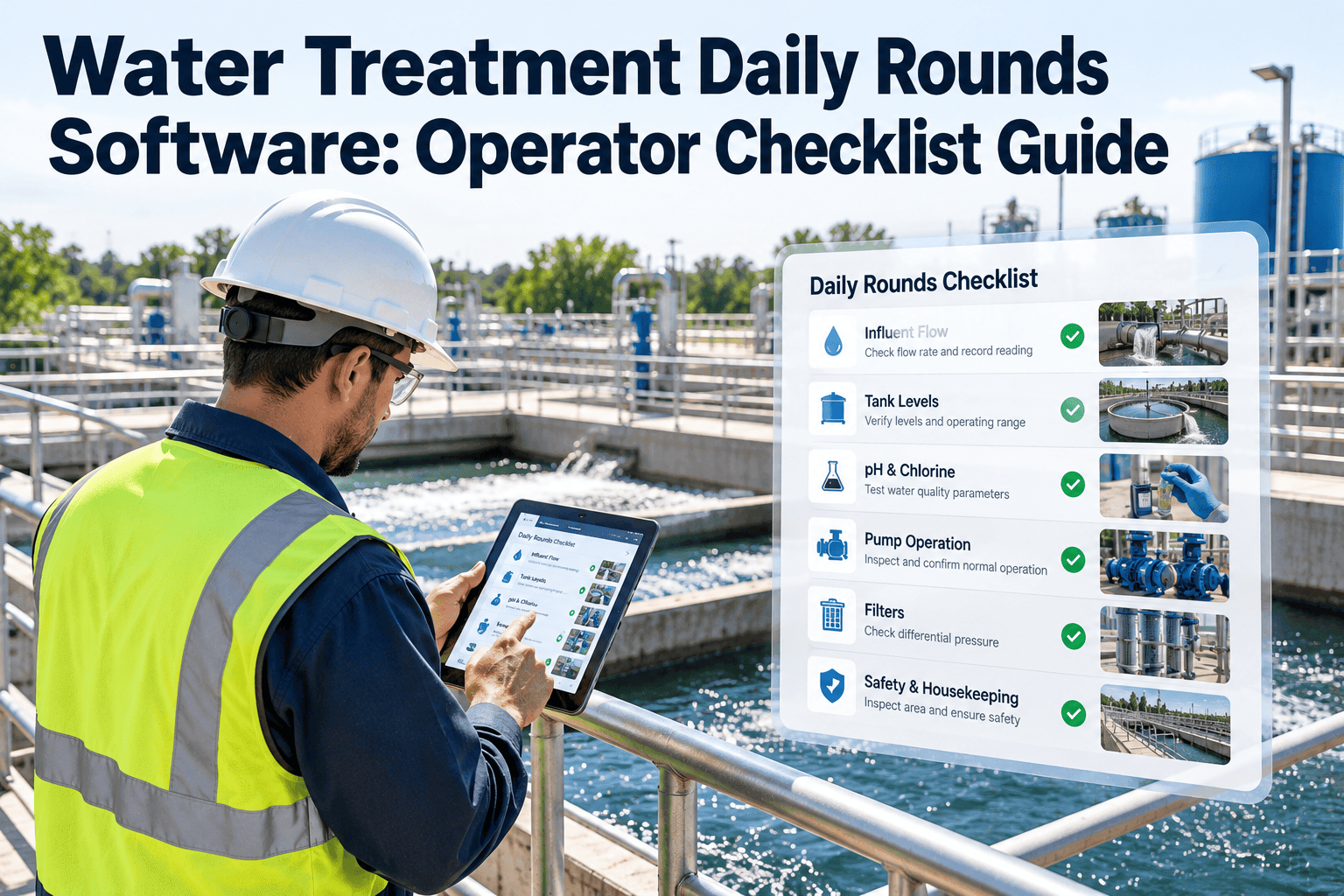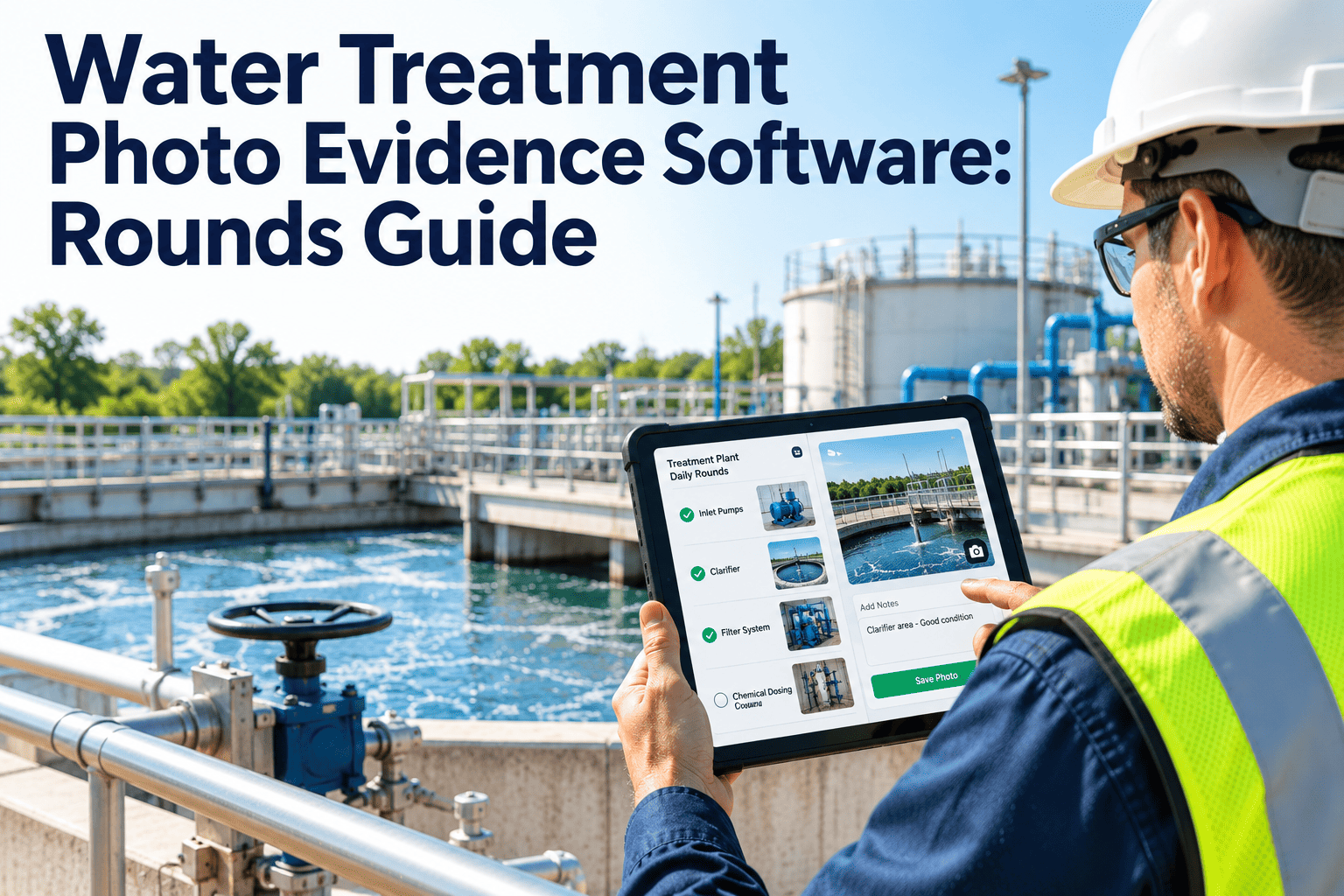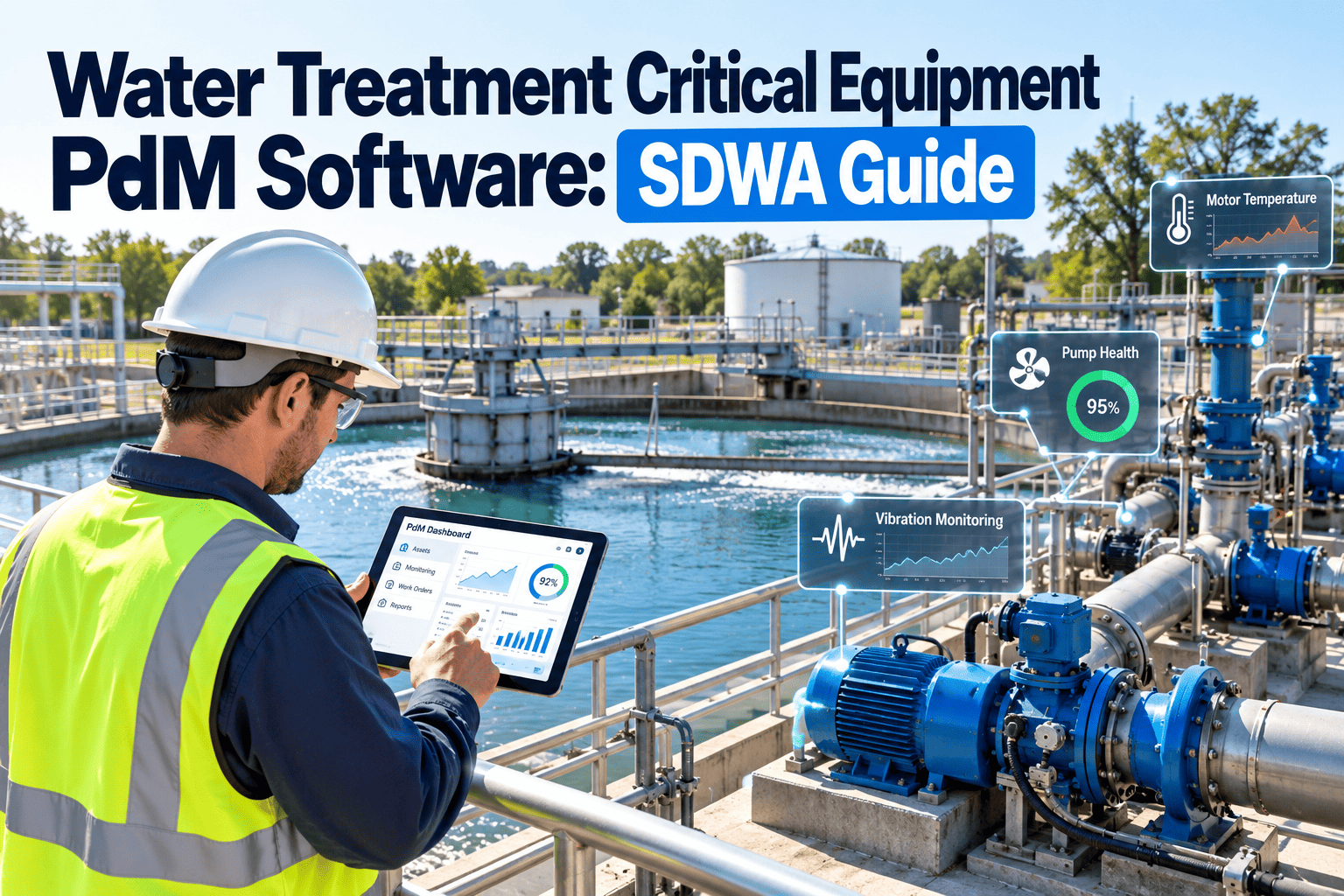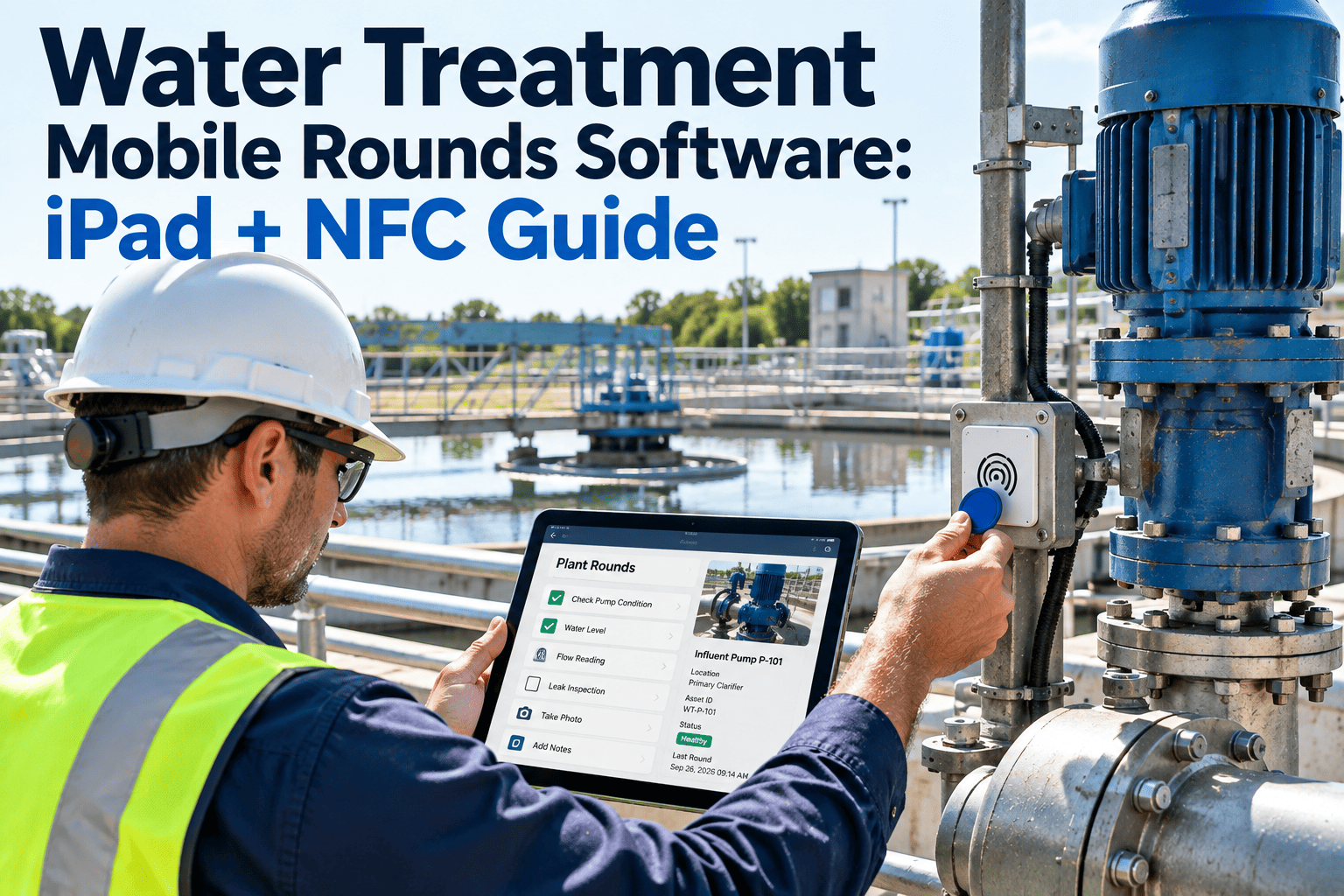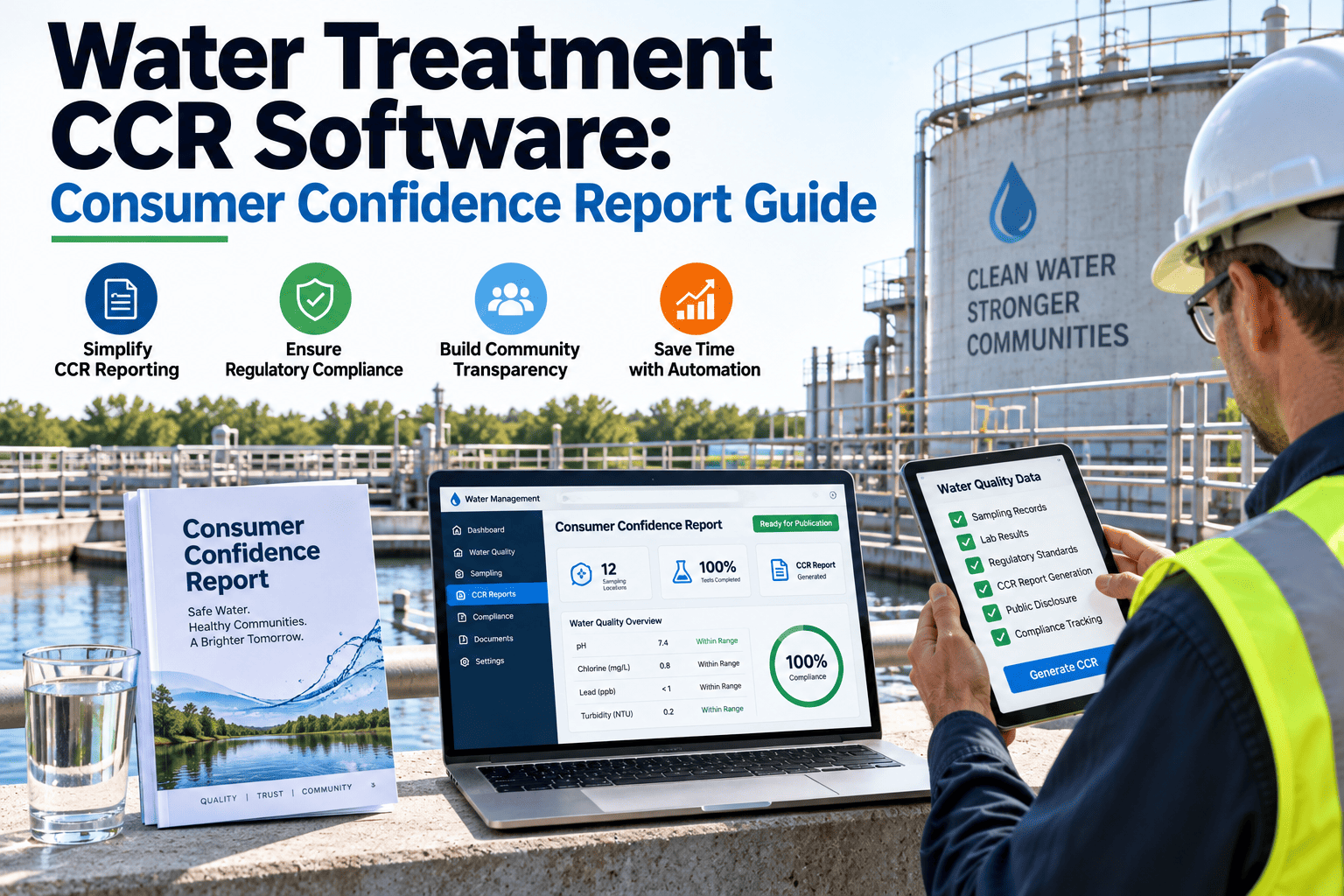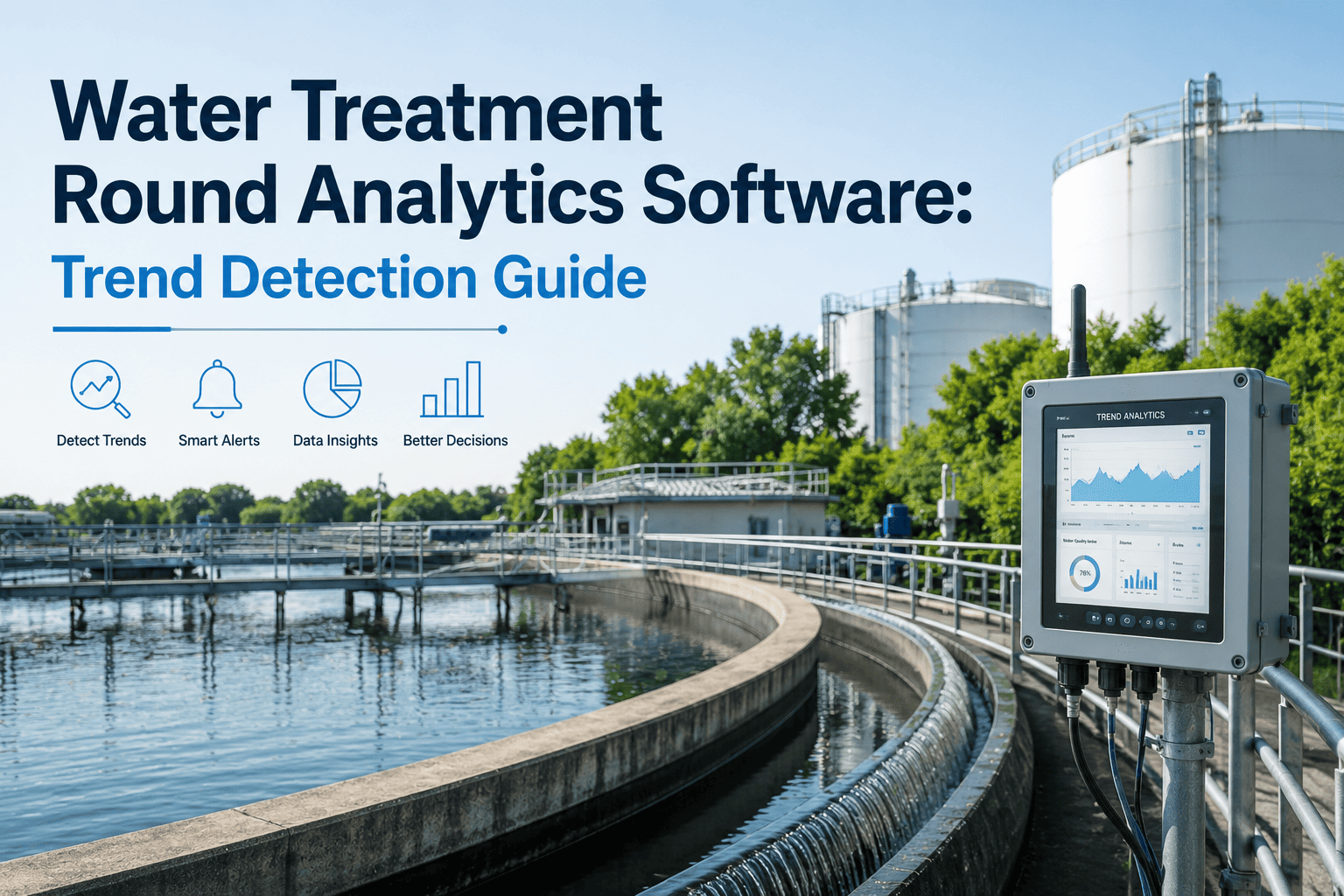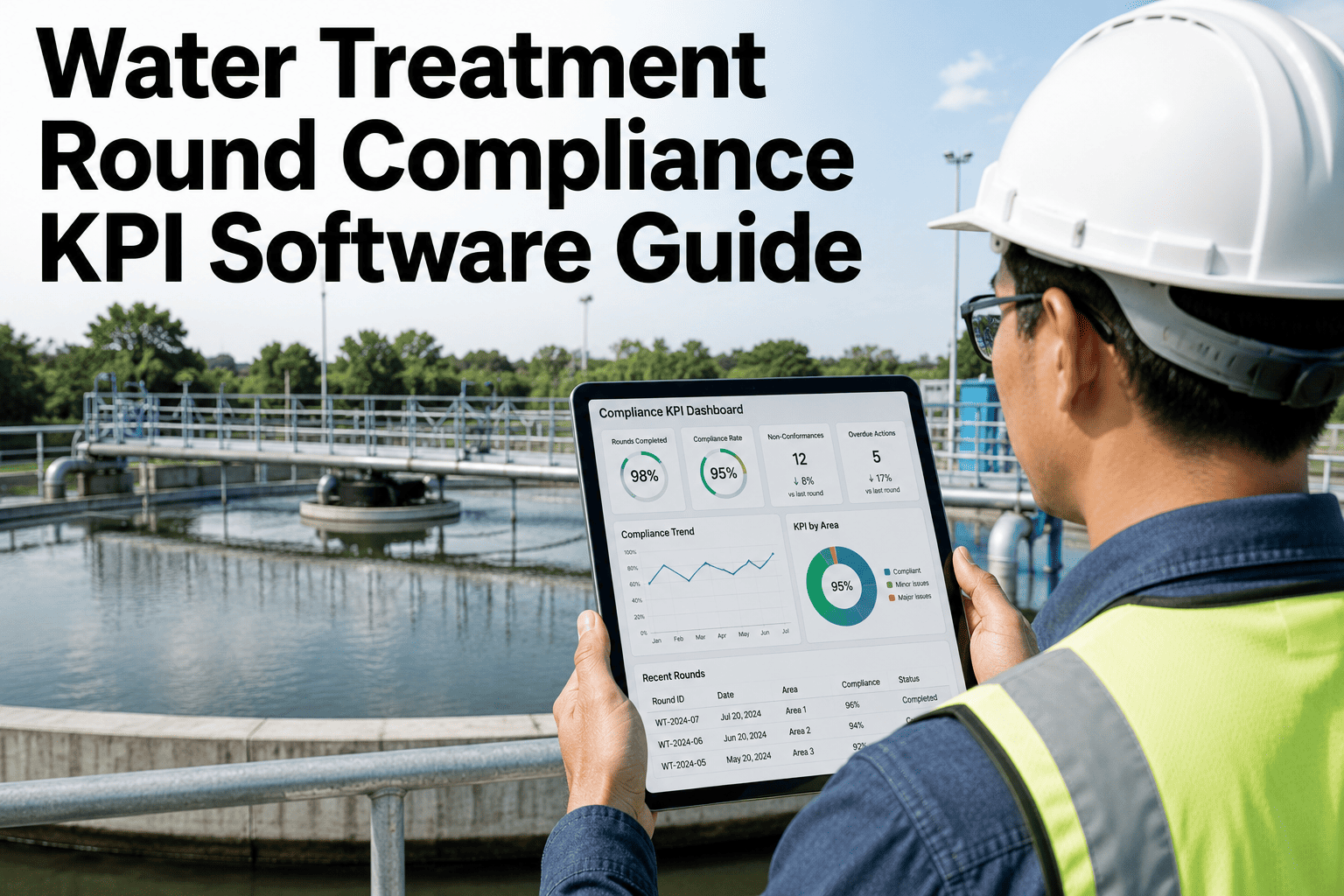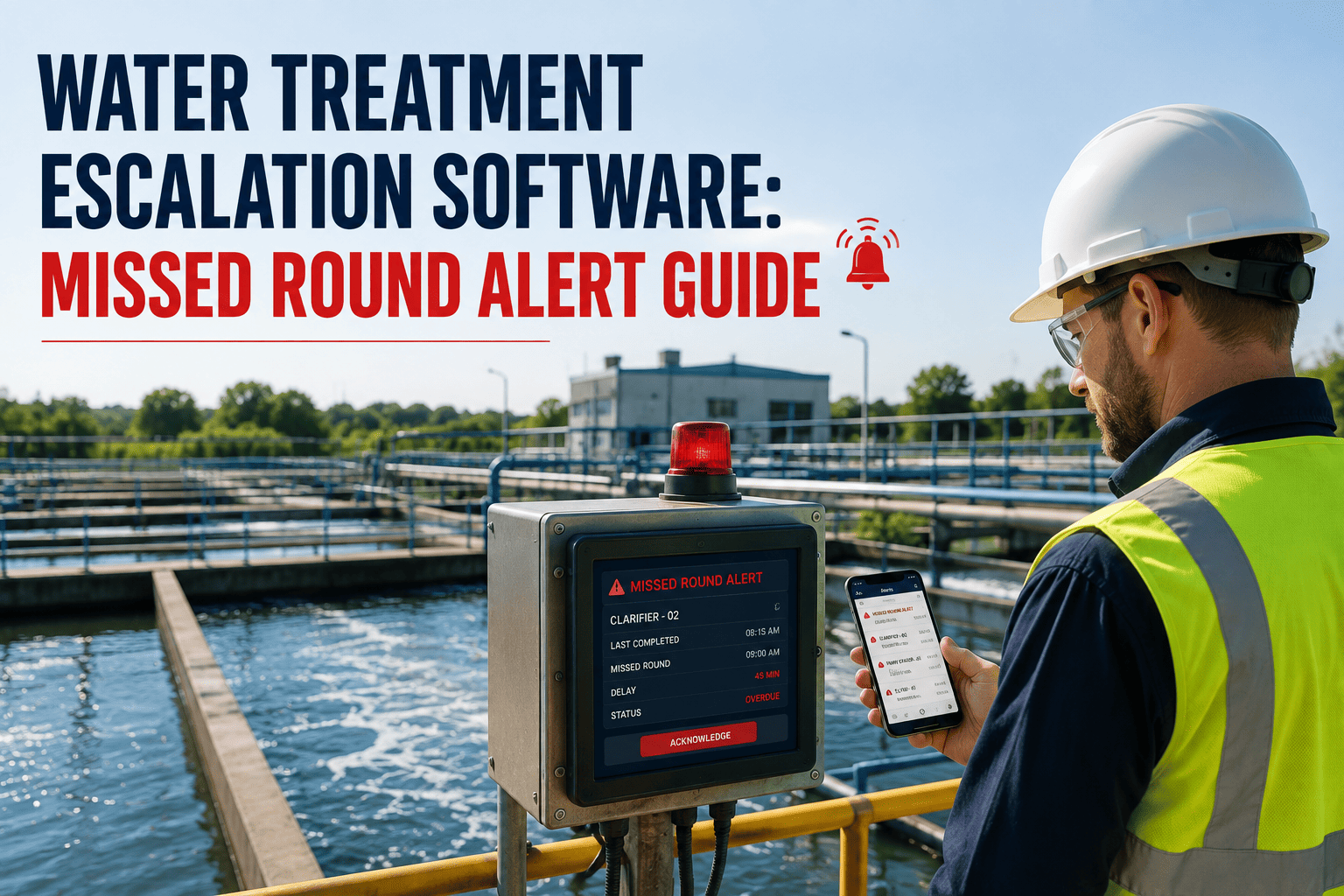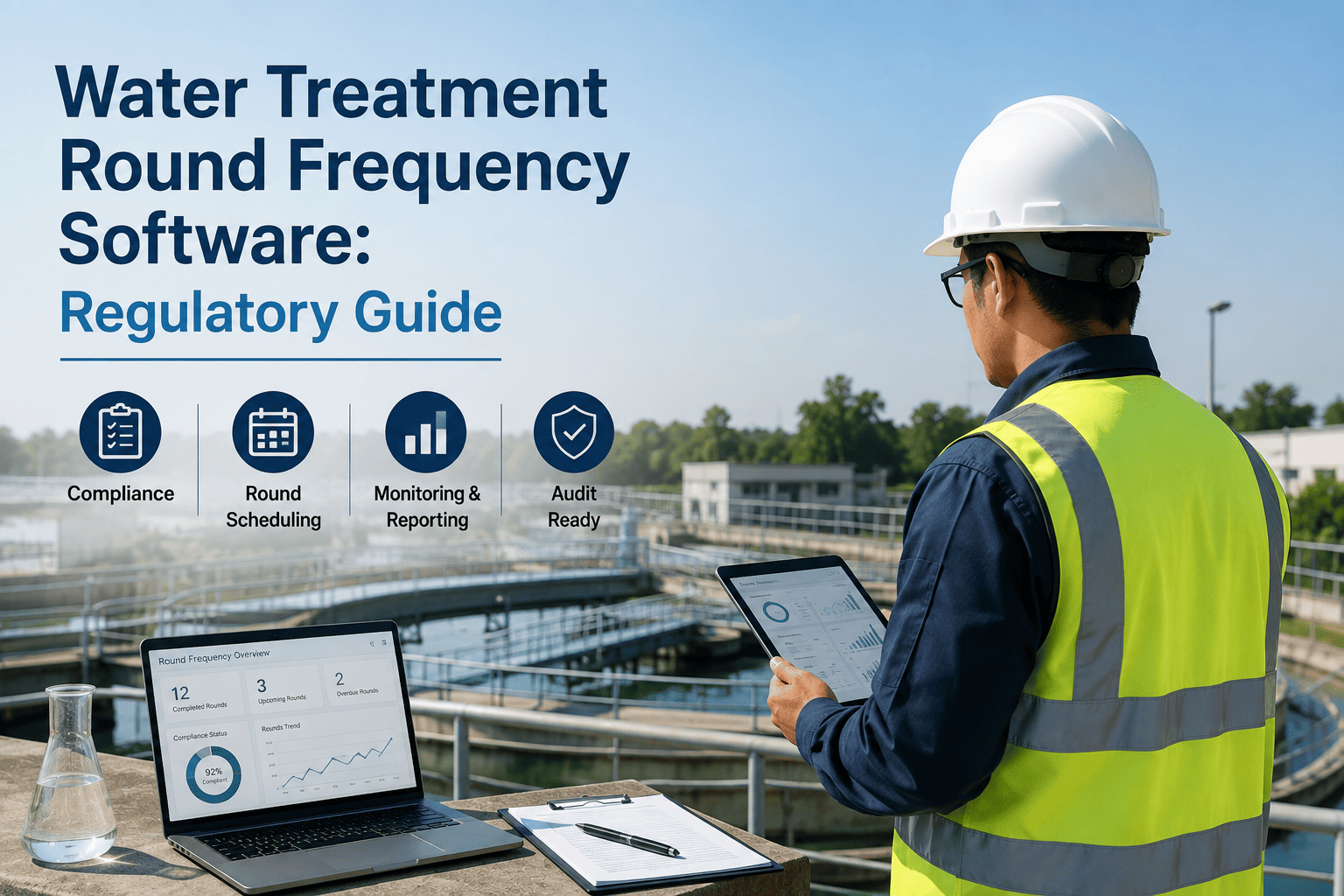
Water treatment plant operators face a deceptively simple question every single day: how often should each parameter actually be tested? Get the round frequency wrong and a primacy agency can flag a monitoring violation before anyone even notices the missed reading. Most plants still schedule rounds on paper logs or generic templates that ignore chlorine residual limits, turbidity thresholds, and the exact frequency table tied to their SDWA classification. When a round runs late during a staffing gap, the plant ends up explaining a compliance gap after the fact instead of preventing it. A CMMS built for water treatment turns SDWA-required reading frequency per parameter into an automated, auditable schedule your team can see at https://app.oxmaint.ai.
Water Treatment Round Frequency Software: Regulatory Guide
Round frequency is not a scheduling preference — it is a regulatory requirement written parameter by parameter into the Safe Drinking Water Act. This guide breaks down what plants must read, how often, and how a CMMS keeps every reading on time without adding paperwork to your operators' shift.
Why Round Frequency Is the Quiet Compliance Risk
Most water treatment violations do not come from a catastrophic equipment failure. They come from a reading that was due at 6 a.m. and got logged at 9 a.m., or a Friday afternoon check that never happened because the operator on duty was pulled onto an emergency repair. Round frequency requirements exist precisely because water quality can shift quickly between samples, and a missed window is treated by primacy agencies the same way a missed test result is treated — as a monitoring violation, regardless of whether the water itself was safe.
Paper Round Sheets
Clipboard logs get filled in from memory at the end of a shift, which means timestamps rarely reflect when a reading actually happened.
Generic Templates
A single spreadsheet template applied across every plant ignores the fact that surface water, groundwater, and disinfection byproduct rules each carry different frequency tables.
No Escalation Path
When a round is skipped, nothing alerts a supervisor until the monthly report is compiled — long after the compliance window has closed.
Disconnected Records
Round data, maintenance history, and lab results live in three separate systems, so correlating a late reading to a root cause takes hours.
SDWA Monitoring Frequency: A Snapshot by Parameter
Frequency requirements under the Safe Drinking Water Act vary by system size, source water type, and treatment technique, so the table below is a general reference point rather than a substitute for your state primacy agency's exact schedule. A CMMS should let you configure the specific frequency your permit requires for every parameter and every entry point.
| Parameter | Typical Minimum Frequency | Common Trigger | Risk if Missed |
|---|---|---|---|
| Chlorine Residual | Continuous or 4x per day | Surface water / groundwater under influence | Treatment technique violation |
| Turbidity | Every 4 hours (filtered systems) | Filtration performance rule | Boil water notice risk |
| pH and Alkalinity | Daily to weekly | Corrosion control requirements | Lead and copper rule exposure |
| Fluoride | Daily (if fluoridated) | State fluoridation program | Overfeed or underfeed penalty |
| Disinfection Byproducts | Quarterly composite sampling | Stage 2 DBP Rule | MCL exceedance reporting |
| Bacteriological (Total Coliform) | Monthly, tied to population served | Revised Total Coliform Rule | Acute health-based violation |
Stop Chasing Round Sheets at Month-End
Oxmaint builds your exact SDWA frequency table into a CMMS schedule, so every operator sees their next round before it is due, not after it is missed.
How a CMMS Turns Frequency Rules Into Daily Rounds
The gap between a regulation and a completed reading is bridged by scheduling logic. Instead of relying on an operator's memory or a wall calendar, a CMMS converts each parameter's legal frequency into a recurring task with a hard due window, an assigned technician, and a mobile checklist.
Map Every Parameter to Its Legal Frequency
Each entry point, each parameter, and each required frequency from your permit is entered once and becomes a standing schedule.
Assign Rounds With Mobile Checklists
Operators receive the exact reading due, the acceptable range, and a place to log the value directly from a handheld device on the plant floor.
Escalate Late or Out-of-Range Readings
If a round window closes without a logged reading, or a value falls outside a safe range, a supervisor is notified before the shift ends, not before the audit.
Export Audit-Ready Compliance Records
Every timestamped round becomes part of a report formatted for your primacy agency, ready for inspection without a week of manual compilation.
Manual Rounds vs. CMMS-Scheduled Rounds
Timestamps recorded from memory, often after the fact
No alert when a round window closes unread
Frequency rules live in a binder, not the schedule
Monthly reports assembled by hand from scattered logs
Timestamps captured the moment a reading is logged
Automatic escalation the moment a window is missed
Frequency rules built directly into the recurring task
Compliance reports generated in minutes, not days
Frequently Asked Questions
What counts as a round frequency violation?
A round frequency violation occurs when a required parameter is not sampled within its regulatory window, even if the water tested fine before and after. Primacy agencies typically treat this as a monitoring violation. You can review how a CMMS tracks these windows at app.oxmaint.ai.
Does round frequency differ by system size?
Yes. Smaller systems often have reduced sampling requirements for certain parameters, while larger systems face more frequent monitoring, especially for turbidity and chlorine residual. Your CMMS should be configured to your specific permit rather than a generic default.
Can a CMMS handle multiple entry points and parameters?
A properly configured CMMS tracks every entry point, every parameter, and every distinct frequency independently, so a wellfield and a treatment plant can run entirely different round schedules under one dashboard.
How does automated escalation actually work?
When a round's due window closes without a logged reading, the system notifies a supervisor immediately rather than waiting for a monthly review, giving the plant a chance to correct the gap the same day.
Is this useful during a primacy agency inspection?
Yes. Inspectors can request historical round data on the spot, and a CMMS produces a timestamped, exportable record instead of a search through binders. You can book a walkthrough at calendly.com/oxmaintapp/30min.
Bring Your Round Frequency Schedule Into One System
Oxmaint maps SDWA-required reading frequency per parameter into a CMMS your operators already know how to use, so nothing falls through the cracks between shifts.