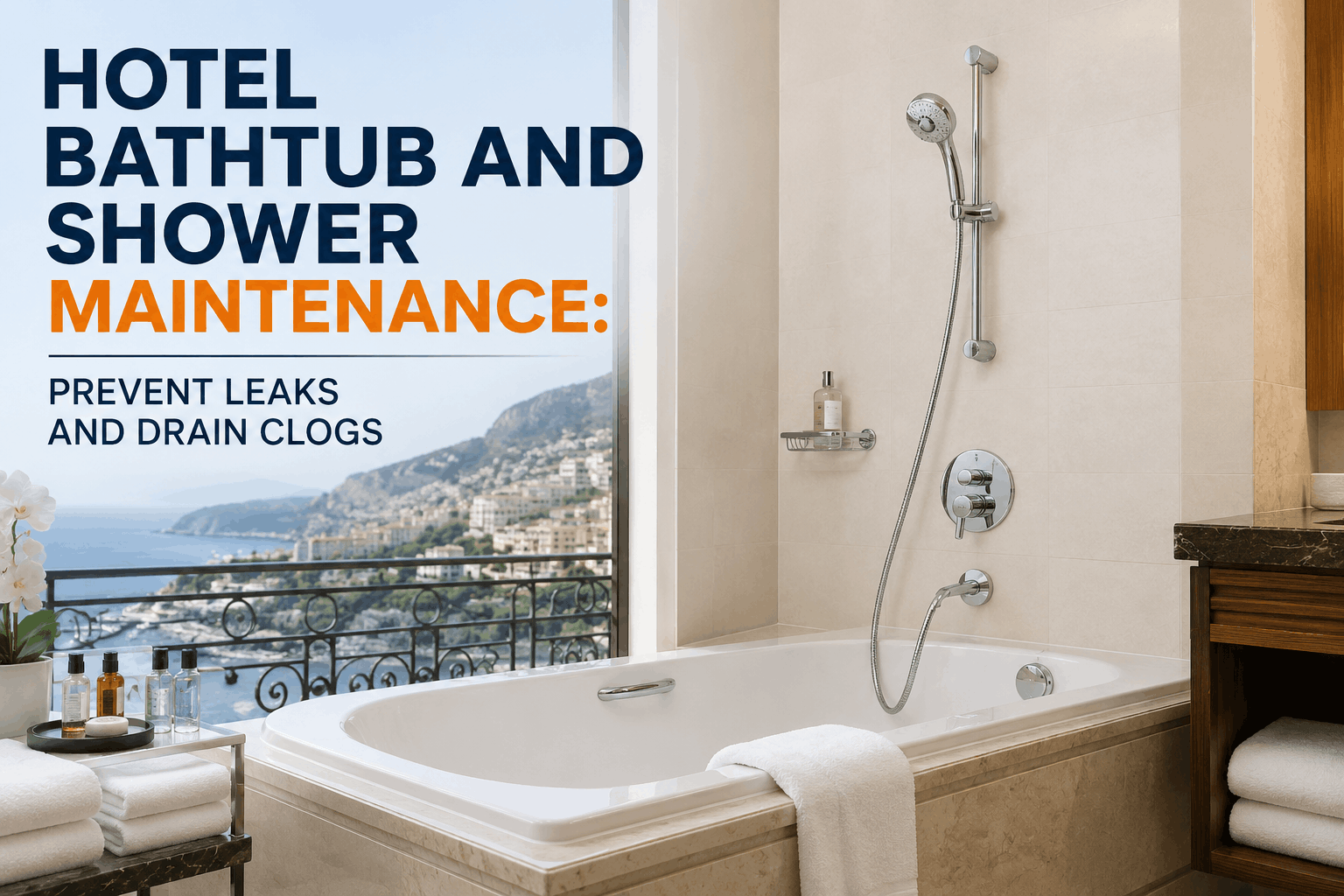
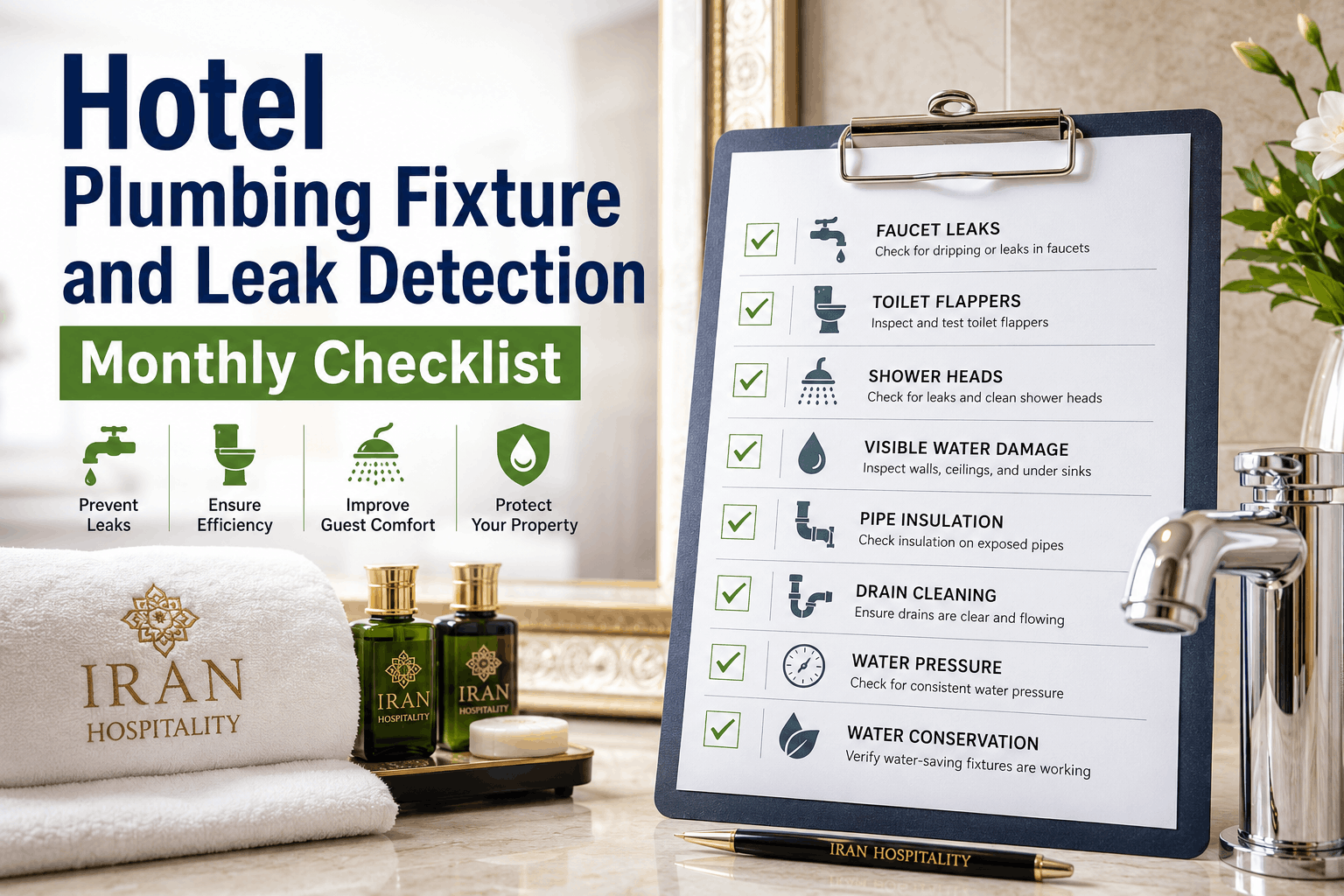
Plumbing failures in hotel bathrooms are the fastest path to room displacement and negative reviews — a single bathroom flood puts a guest in another hotel at the company's expense while the damaged room generates zero revenue during remediation. Hotels with reactive plumbing maintenance strategies experience 18-24 bathroom-related maintenance emergencies per 100 rooms annually. Comprehensive preventive bathroom maintenance reduces emergency plumbing calls by 71% and prevents the $2,800 average cost per water damage incident. OxMaint CMMS schedules weekly drain inspections, monthly caulk sealing audits, and quarterly tile grout treatment — tracking water pressure, drain flow rates, and fixture leak history per bathroom, giving maintenance teams data to prevent failures before guests discover them.
Hotel Bathroom Plumbing Maintenance: Complete Weekly Inspection Guide for Drain, Fixture & Leak Prevention
Weekly drain cleaning, monthly grout sealing, quarterly pressure testing, fixture leak detection, caulk inspection, and water damage prevention — the comprehensive bathroom plumbing guide that prevents 71% of emergency repairs and extends fixture lifespan by 40%.
Section 1: Weekly Drain Inspection & Hair-Trap Cleaning Protocol
Drain failures begin silently — water pools slightly slower, guests don't report it (they assume all hotel showers are slow), and within 4-6 weeks the drain clogs completely, requiring emergency plumber intervention. Weekly drain inspections prevent 64% of drain blockages. Every shower and tub drain should be inspected for hair buildup, soap scum accumulation, and mineral deposits. Remove visible hair traps weekly; do not wait for guest reports. Use OxMaint to schedule weekly drain tasks per bathroom, ensuring maintenance staff systematically clear hair and debris before backup becomes critical. Drain cleanings should use enzyme-based dissolvers rather than caustic chemicals — caustics corrode older pipes and create health hazards if improperly rinsed. P-trap inspection should happen monthly: remove trap, clear sediment and hair, verify no cracks exist in the trap itself, and inspect water seal depth (should be 2-3 inches). Hotels with hard water should implement monthly citric acid drain treatment to dissolve mineral deposits; this single step reduces drain work orders by 34% in mineral-rich regions.
Section 2: Monthly Caulk & Grout Sealing Maintenance Framework
Caulk degradation is invisible until water penetrates behind tile and causes hidden mold growth and structural damage. Grout that loses its sealant becomes porous, absorbing water and developing mildew. Monthly caulk inspections should look for separation from tile, cracks, discoloration, or areas where water beads form during cleaning rather than running toward the drain. Any failing caulk should be removed completely and replaced immediately — partial caulk replacement is a visible patch job that degrades guest perception. OxMaint tracks caulk replacement dates and schedules grout resealing every 18-24 months based on water exposure frequency. Shower stalls with daily high-occupancy should reseal grout every 12-18 months; lower-occupancy guest rooms can stretch to 24 months. Premium silicone caulk (vs. acrylic) lasts 2-3 times longer and resists mildew better — the upfront cost is offset by reduced labor for replacement. Caulk removal tools designed for bathrooms prevent tile damage; old-school screwdriver removal often chips tile edges.
Section 3: Water Pressure Testing & Fixture Leak Detection Program
Low water pressure in guest bathrooms creates negative guest perception (the shower feels weak, guests assume the hotel has aged infrastructure) and masks developing pressure-side leaks. Quarterly water pressure testing using calibrated pressure gauges should verify shower flow remains between 2.5-3.5 GPM (gallons per minute) — anything below 2.0 GPM indicates clogged aerators, mineral deposits, or supply line restrictions. Faucet aerators should be cleaned or replaced quarterly in hard water areas; they accumulate mineral deposits that restrict flow without any visible indication. Leak detection audits should test for slow seeps under sinks, behind wall-mounted faucets, and in supply lines — these leaks often go unnoticed by guests but cause significant water waste and hidden damage. Toilet supply lines are a frequent failure point; 30% of hotel guest room water leaks originate from toilet fill valve drips that go undetected until water discoloration appears on ceilings in rooms below. Bathroom fixtures over 7 years old should be inspected semi-annually for seal degradation; cartridge faucets especially should have seals replaced before they fail and create constant dripping and wasted water.
Section 4: Water Damage Prevention & Emergency Response Protocols
Water damage in guest rooms cascades — a ceiling leak in one room creates damage in the room directly below, then spreads to multiple rooms as water travels along structural elements. Every hotel should have a documented bathroom water damage response protocol that includes: (1) immediate isolation of the damaged room from guest use, (2) notification of maintenance to locate source and shut off water, (3) water extraction within 2 hours to prevent mold growth, (4) humidity monitoring for 48+ hours during drying, and (5) remediation before the room returns to service. OxMaint incident tracking should log all water events, including source, extent, cost, and preventive action taken to prevent recurrence. Hotels that analyze water damage patterns often discover root causes: all leaks on specific floors might indicate building settlement affecting plumbing runs, or leaks clustering in specific room numbers might point to design flaws in supply routing. Insurance companies increasingly require documented preventive maintenance programs — hotels without inspection records face claim denials. Digital photo documentation of quarterly inspections provides evidence of diligence if disputes arise.
We had 8 emergency plumbing calls in our first 9 months of operations. Switched to OxMaint's preventive schedule 14 months ago — weekly drain tasks, monthly grout sealing checks, quarterly pressure audits. In 14 months: zero emergency plumbing events. That alone saves us $22,000 compared to reactive plumbing. Staff loves having a calendar-driven system instead of guessing when drains need attention. Guest satisfaction on bathroom cleanliness and functionality is at an all-time high.
Frequently Asked Questions
Stop Emergency Plumbing Calls & Water Damage
OxMaint automates weekly drain cleaning, monthly caulk sealing, and quarterly pressure testing — with zero guesswork on maintenance schedules.
.png)