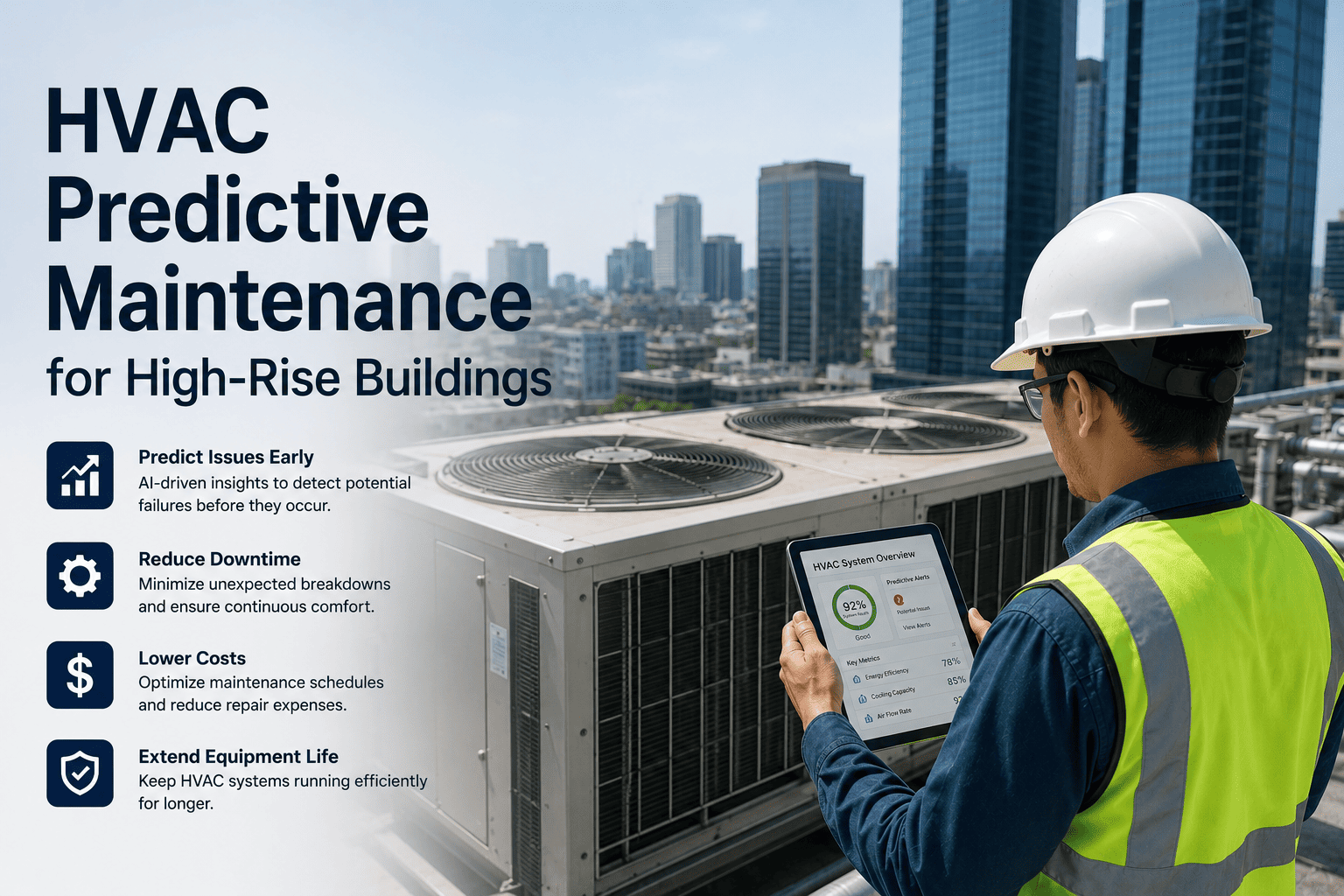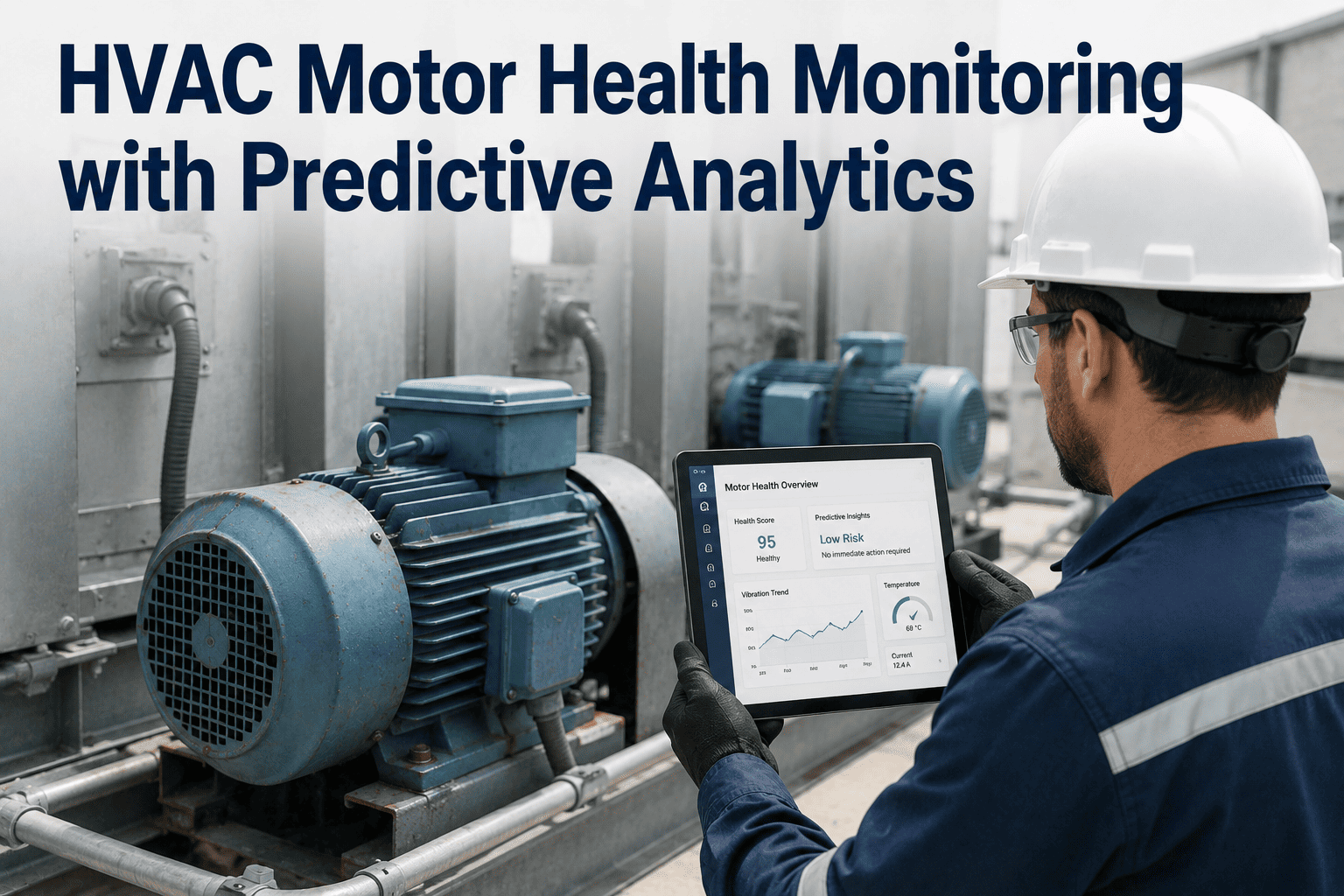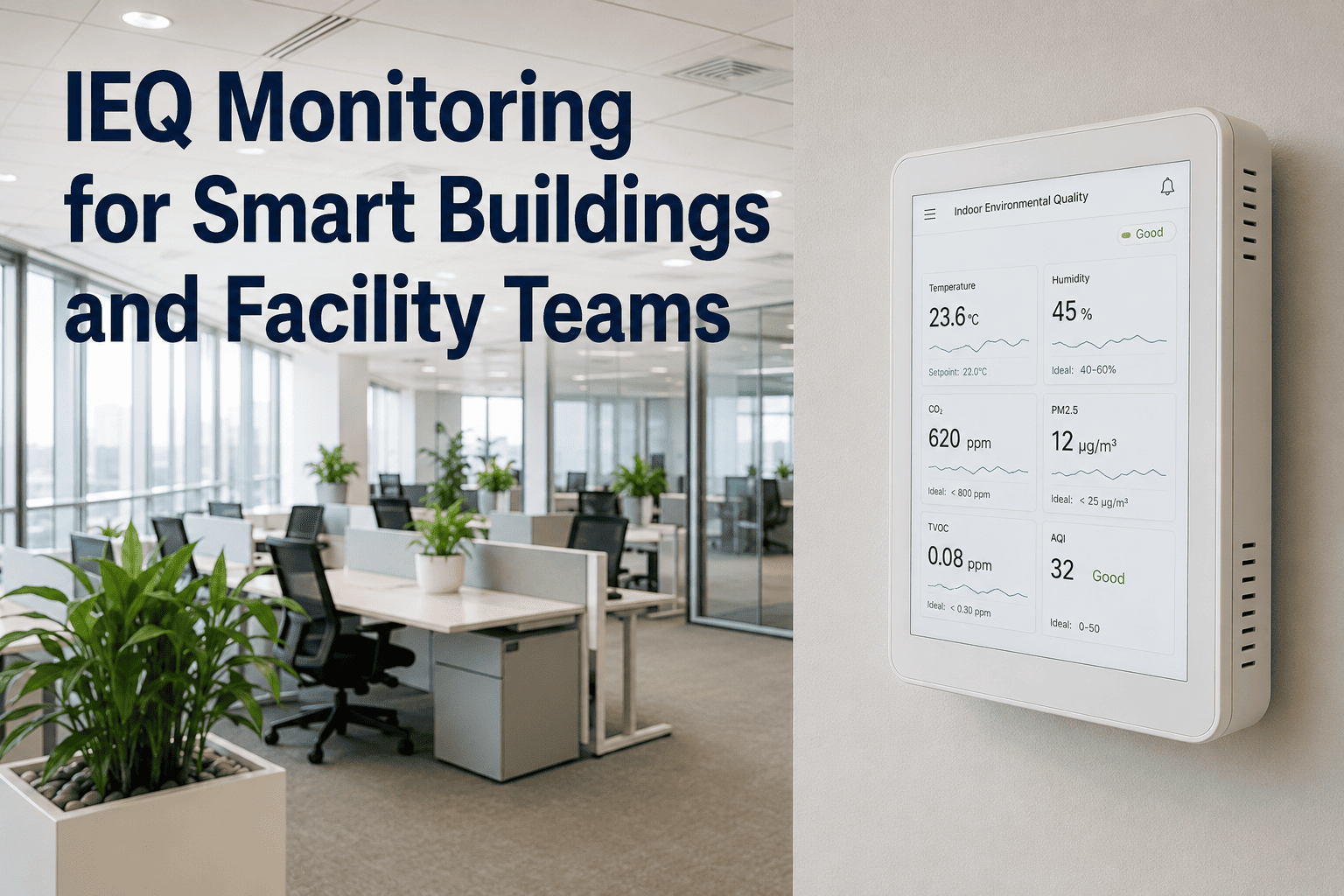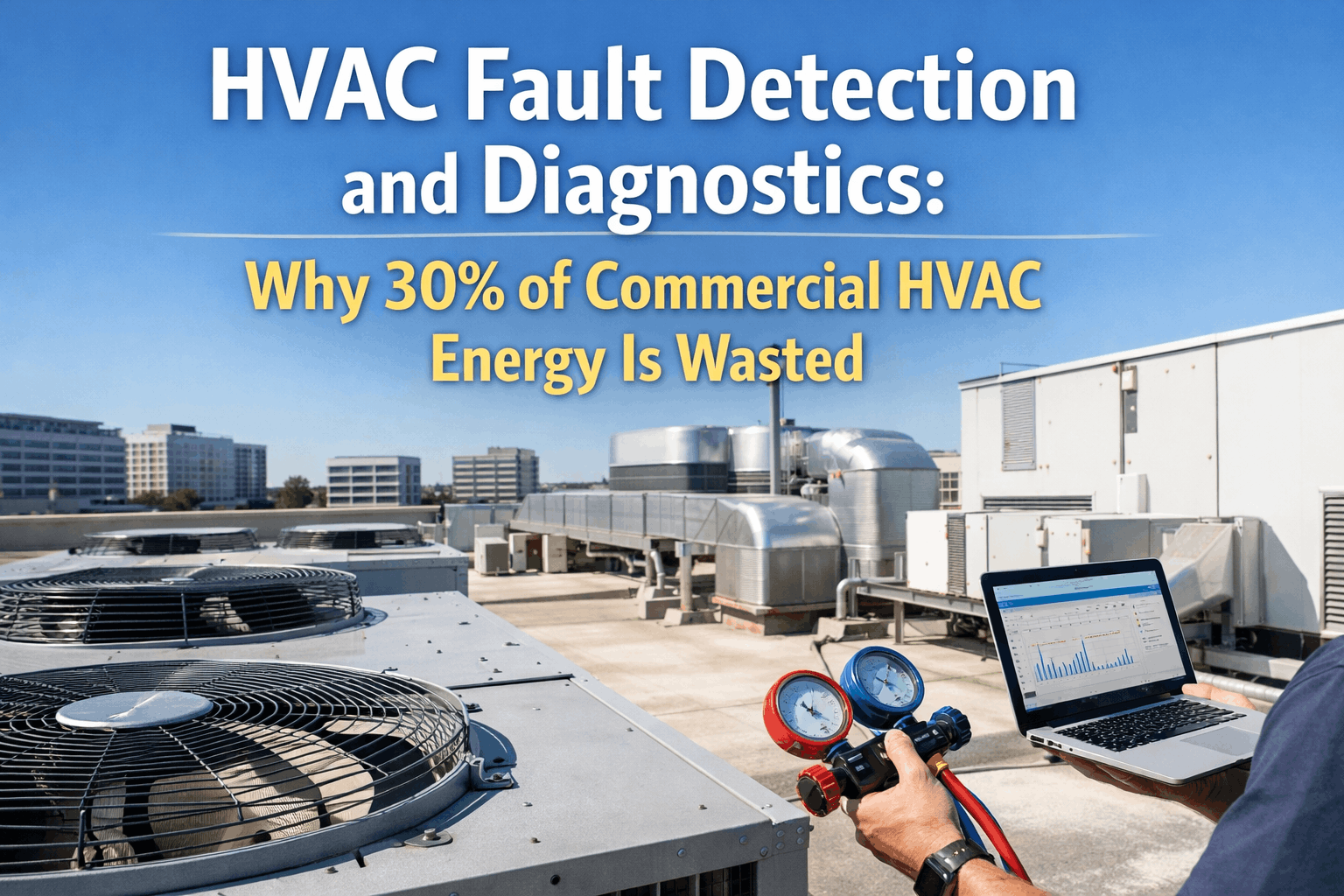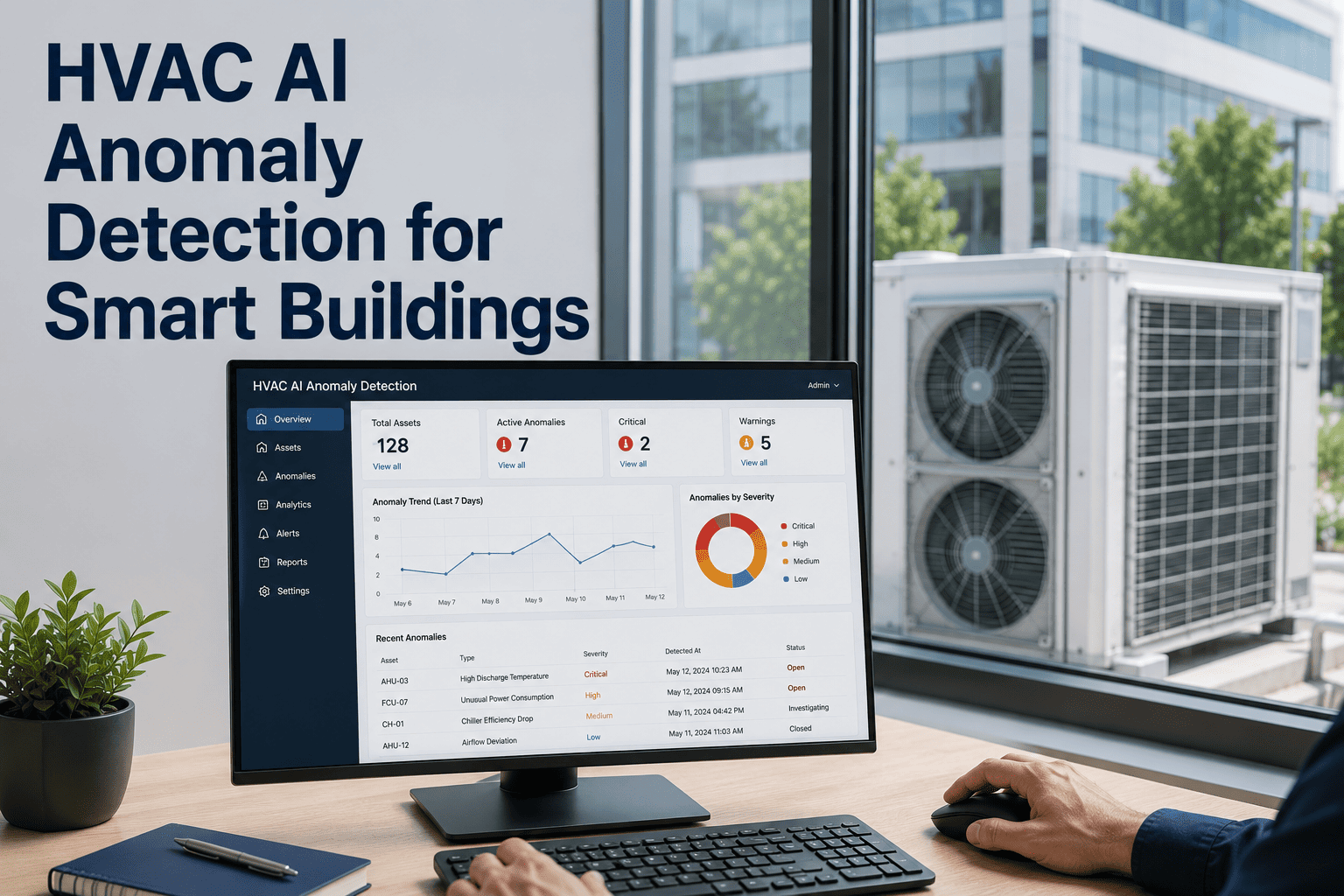
Modern commercial buildings generate thousands of HVAC data points every hour — supply air temperatures, chiller pressures, AHU fan currents, VAV damper positions, zone setpoint deviations — yet most building management systems are configured to alert only when a sensor crosses a hard limit. By the time a BMS alarm fires, the failure has already occurred. AI anomaly detection works differently: it learns what normal looks like for each piece of equipment under each operating condition and surfaces deviations weeks before they reach alarm thresholds. OxMaint's Predictive Maintenance AI applies building-specific anomaly detection models to HVAC sensor streams — identifying energy anomalies, temperature deviations, pressure drift, airflow degradation, and runtime irregularities before they become comfort complaints, energy overruns, or equipment failures.
HVAC AI Anomaly Detection for Smart Buildings
How AI models detect energy, temperature, pressure, airflow, and runtime anomalies in building HVAC systems — 2 to 8 weeks before failure occurs.
Why BMS Alarms Miss 70% of HVAC Faults
A BMS threshold alarm is a binary trigger — the sensor is either above or below a fixed limit. It has no concept of trend, seasonality, load context, or the difference between a sensor reading that is 2°C above normal because of a hot day versus one that is 2°C above normal because of a fouled coil that has been degrading for three weeks. AI anomaly detection understands context that fixed thresholds cannot.
6 HVAC Anomaly Categories — What AI Detects and When
AI anomaly detection in HVAC systems operates across six distinct signal categories. Each category reveals a different class of failure — and each has a characteristic lead time between detectable anomaly and failure event. The table below maps each category to the HVAC fault types it reveals, the sensor inputs required, and the typical detection lead time before impact.
| Anomaly Category | Fault Types Detected | Key Sensor Inputs | Detection Lead Time | Cost if Missed |
|---|---|---|---|---|
| Energy Anomaly | Coil fouling, refrigerant loss, condenser fouling, drive inefficiency | kWh meter, current draw, EER/COP live calculation | 2–5 weeks | $4K–$22K + ongoing energy waste |
| Temperature Deviation | Cooling coil failure, valve actuator fault, zone control loss, thermostat drift | SAT, RAT, zone sensors, setpoint vs actual delta | 1–3 weeks | Comfort complaints, tenant churn risk |
| Pressure Anomaly | Refrigerant leak, compressor degradation, filter loading, duct pressure fault | Suction/discharge pressure, superheat, duct static pressure | 1–4 weeks | $6K–$22K refrigerant and compressor repair |
| Airflow Degradation | Filter blockage, damper failure, fan belt wear, duct leakage | Airflow sensor, fan speed, delta-pressure across filters | 2–4 weeks | $2.5K–$9K fan and filter system repair |
| Runtime Irregularity | Short-cycling, compressor lockout, controls fault, demand mismatch | On/off cycle log, runtime vs load ratio, demand profile | Days to 2 weeks | Compressor wear acceleration, $18K–$45K |
| Vibration Signature | Bearing wear, impeller cavitation, motor winding degradation, sheave misalignment | Accelerometer on motor/bearing housing, FFT analysis | 3–8 weeks | $5K–$45K depending on component |
OxMaint connects to your BMS sensors via BACnet, MQTT, or Modbus and begins detecting HVAC anomalies within 30 days of go-live — no sensor replacement required. Book a demo to see how it maps to your building's equipment, or start free to connect your first data source.
How the AI Model Works — 3 Processing Layers
OxMaint's HVAC anomaly detection is not a rule-based alert system. It applies a three-layer machine learning architecture trained on commercial building HVAC failure patterns — then calibrated to your specific building's operating profile during a 30-day baseline period.
BMS sensor streams (BACnet IP, MQTT, Modbus TCP), CMMS work order history, energy meter data, and weather API inputs are combined into a unified equipment record. Data quality validation filters sensor drift and communication noise before model input. Typical HVAC asset: 12–40 monitored parameters per unit, updated every 15–60 seconds.
An LSTM and random forest ensemble compares incoming sensor patterns against equipment-class failure signatures — adjusted for outdoor temperature, occupancy load, and time of day. A 2°C supply air temperature rise at 95% outdoor humidity is classified differently than the same rise on a dry day at design load. This context-awareness reduces false positives to under 4% post-calibration and makes the system actionable on a busy plant floor.
Confirmed anomalies trigger a Remaining Useful Life (RUL) calculation that estimates time to failure based on degradation rate and historical failure data for that equipment class. The output is a maintenance window recommendation — not just an alarm. OxMaint auto-generates a CMMS work order at the optimal intervention point, pre-populated with asset history, fault classification, and recommended spare parts.
Before vs After — AI Anomaly Detection Programme Results
A 12-building commercial portfolio (1.4 million sq ft) in Singapore deployed OxMaint AI anomaly detection across HVAC, pumps, and motors. Results measured at 12 months vs prior 12-month reactive baseline.
Your HVAC System Is Already Showing You the Anomalies — OxMaint Reads Them 2–8 Weeks Ahead
OxMaint connects to your existing BMS sensor streams, applies building-specific AI models, and auto-generates CMMS work orders at the optimal intervention window. Most smart buildings see their first confirmed anomaly detections within 30 days of go-live — without replacing a single sensor.
Expert Review
The distinction between BMS threshold alarms and AI anomaly detection is not subtle — it is the difference between a smoke detector and a fire marshal who notices the smell of overheating insulation three weeks before ignition. Every commercial building I have worked in has threshold alarms set so conservatively that they fire long after the most cost-effective intervention window has closed. The economic case for AI anomaly detection is not complicated: a single avoided chiller compressor failure typically pays for 12 months of platform cost. The practical barrier has always been integration complexity — but platforms like OxMaint that connect to existing BMS data via standard protocols have eliminated that barrier for most buildings over 50,000 sq ft. The question is no longer whether to deploy predictive AI — it is how quickly you can start the 30-day calibration period.
Frequently Asked Questions
Stop Waiting for BMS Alarms. Start Predicting HVAC Failures 2–8 Weeks Earlier.
OxMaint's AI anomaly detection connects to your existing BMS sensor streams and begins surfacing energy, temperature, pressure, airflow, runtime, and vibration anomalies before they become failures — with auto-generated CMMS work orders at the optimal intervention window. No sensor replacement. No data science team. First detections within 30 days.