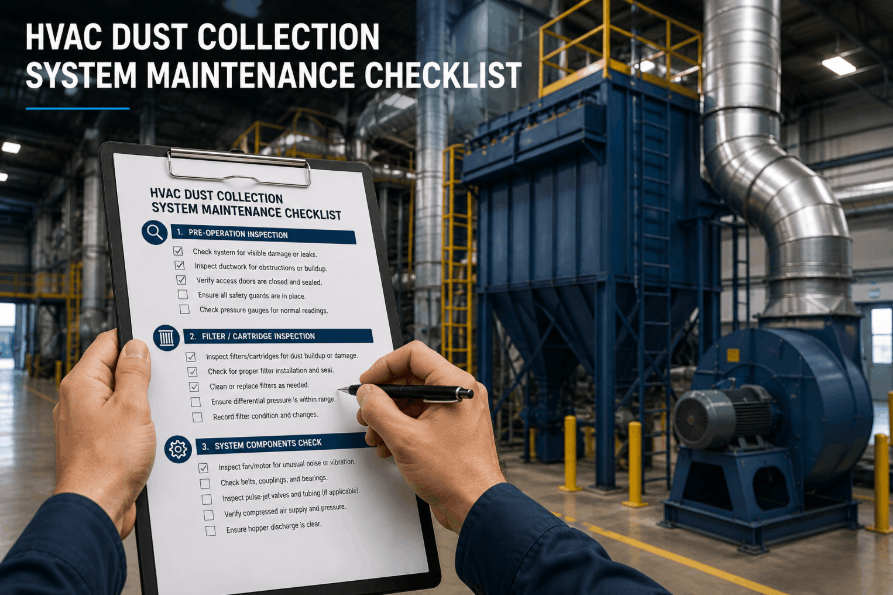
An industrial dust collection system is not a passive component — it is an active safety and air quality control system that requires structured preventive maintenance to meet OSHA 1910.94, NFPA 652, and ACGIH ventilation standards. Facilities that skip dust collector PM face filter blowouts, fan bearing failures, ductwork blockages, and combustible dust accumulation — all of which trigger regulatory citations, unplanned downtime, and serious fire risk. Sign Up Free to digitize your dust collection PM schedule in Oxmaint's CMMS and auto-dispatch inspection work orders before failures occur. This checklist covers every critical subsystem — filter banks, differential pressure monitoring, fan assemblies, discharge systems, ductwork, and safety interlocks — organized so your maintenance team never misses a high-risk PM interval. Book a Demo to see how Oxmaint maps dust collector assets to seasonal and interval-based PM plans across multi-site facilities.
Your Dust Collectors Run Different Risks Every Month — Is Your CMMS Tracking Every One?
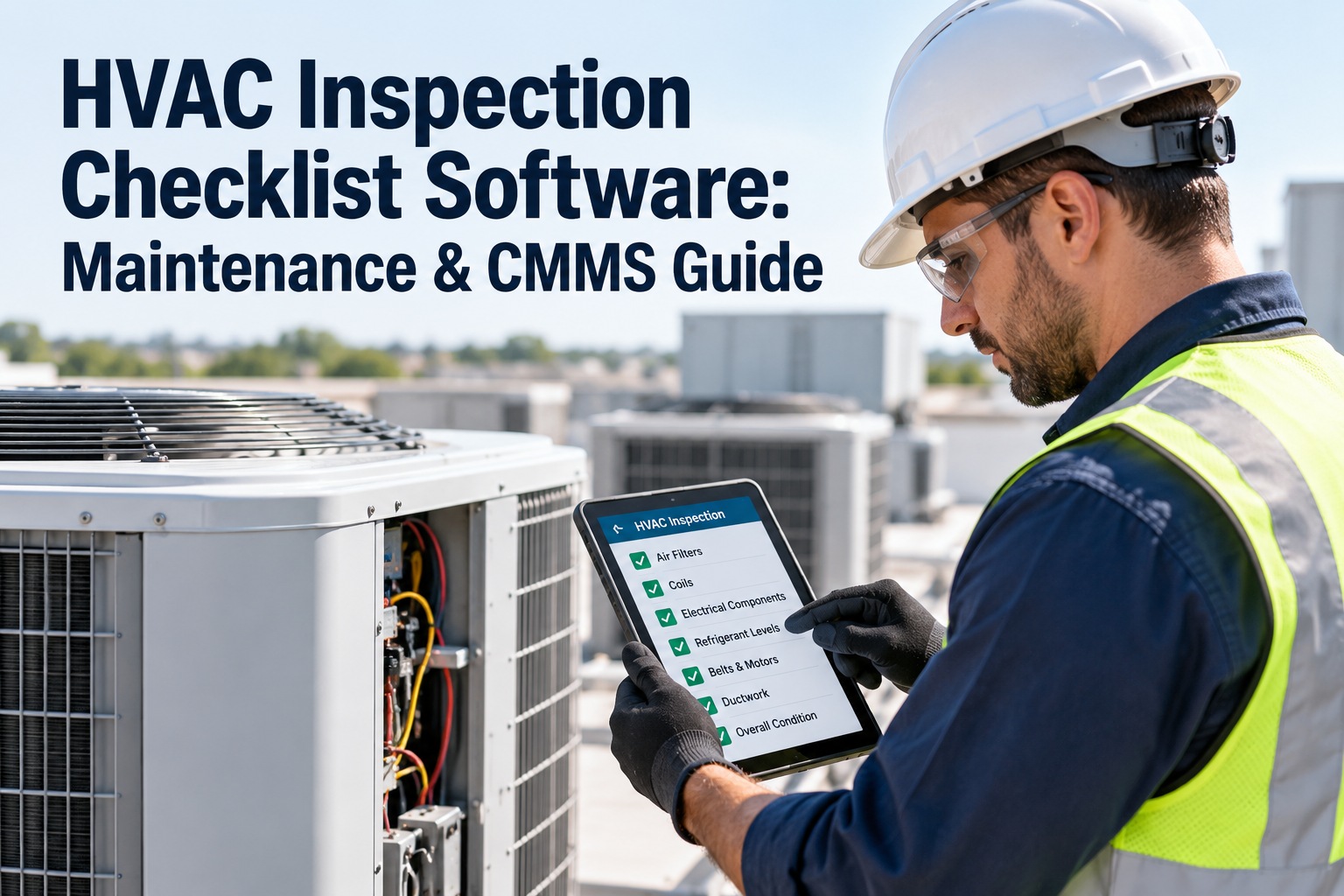
Oxmaint auto-schedules dust collection PM tasks by equipment type and interval, routes inspection work orders to certified technicians, and gives facility managers real-time completion visibility across every collector, fan, and filter bank on your property.
Dust Collector Filter Bank Inspection and Differential Pressure Checklist
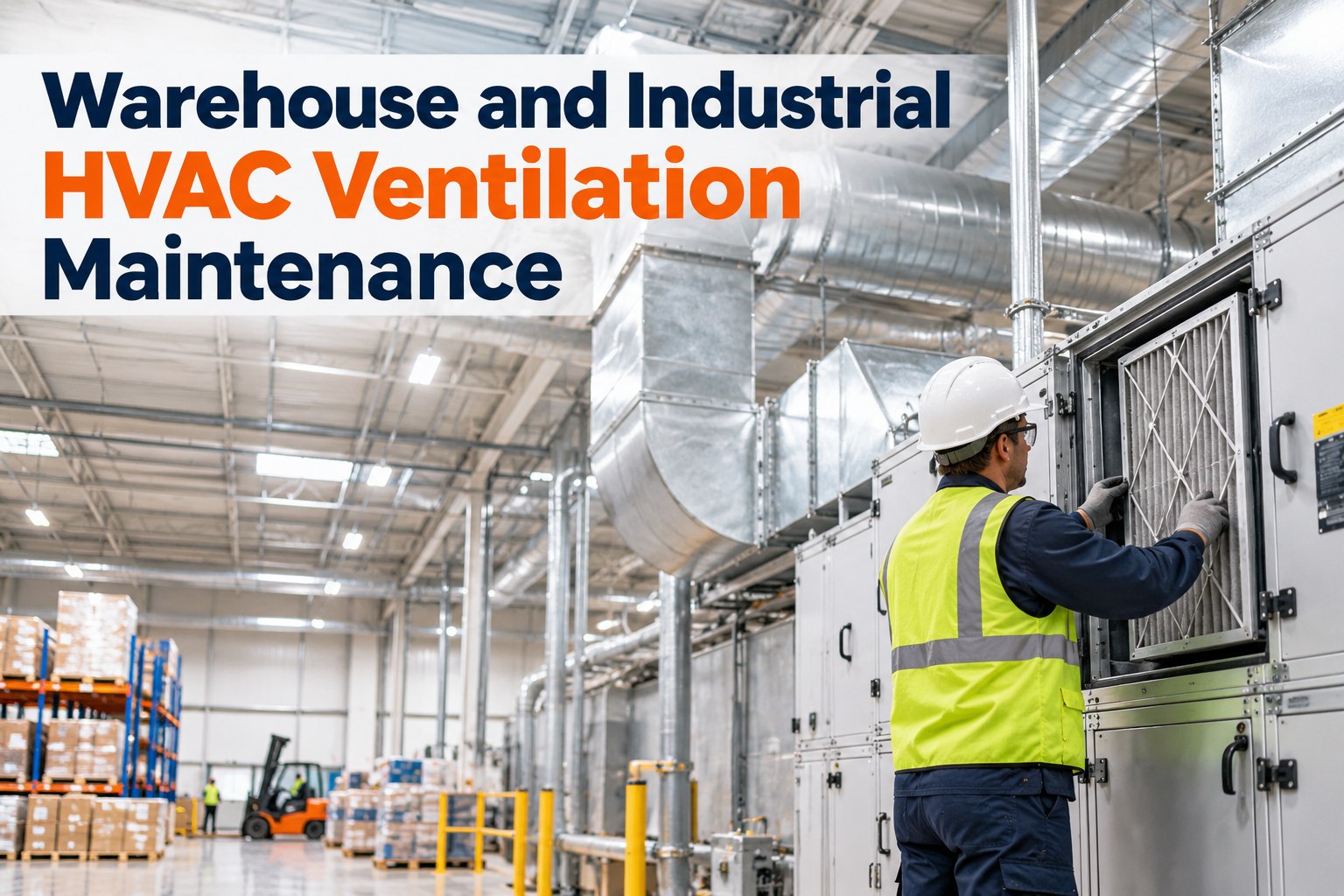
Filter bank integrity is the primary performance variable in any pulse-jet, shaker, or cartridge dust collector. Differential pressure outside the design operating window — whether too high from blinding or too low from a torn filter — signals an imminent system failure that allows contaminated air to recirculate into the facility. Sign Up Free to configure Oxmaint PM triggers based on delta-P thresholds logged directly from your BAS or control panel readings.
Industrial Exhaust Fan and Drive System Maintenance Checklist
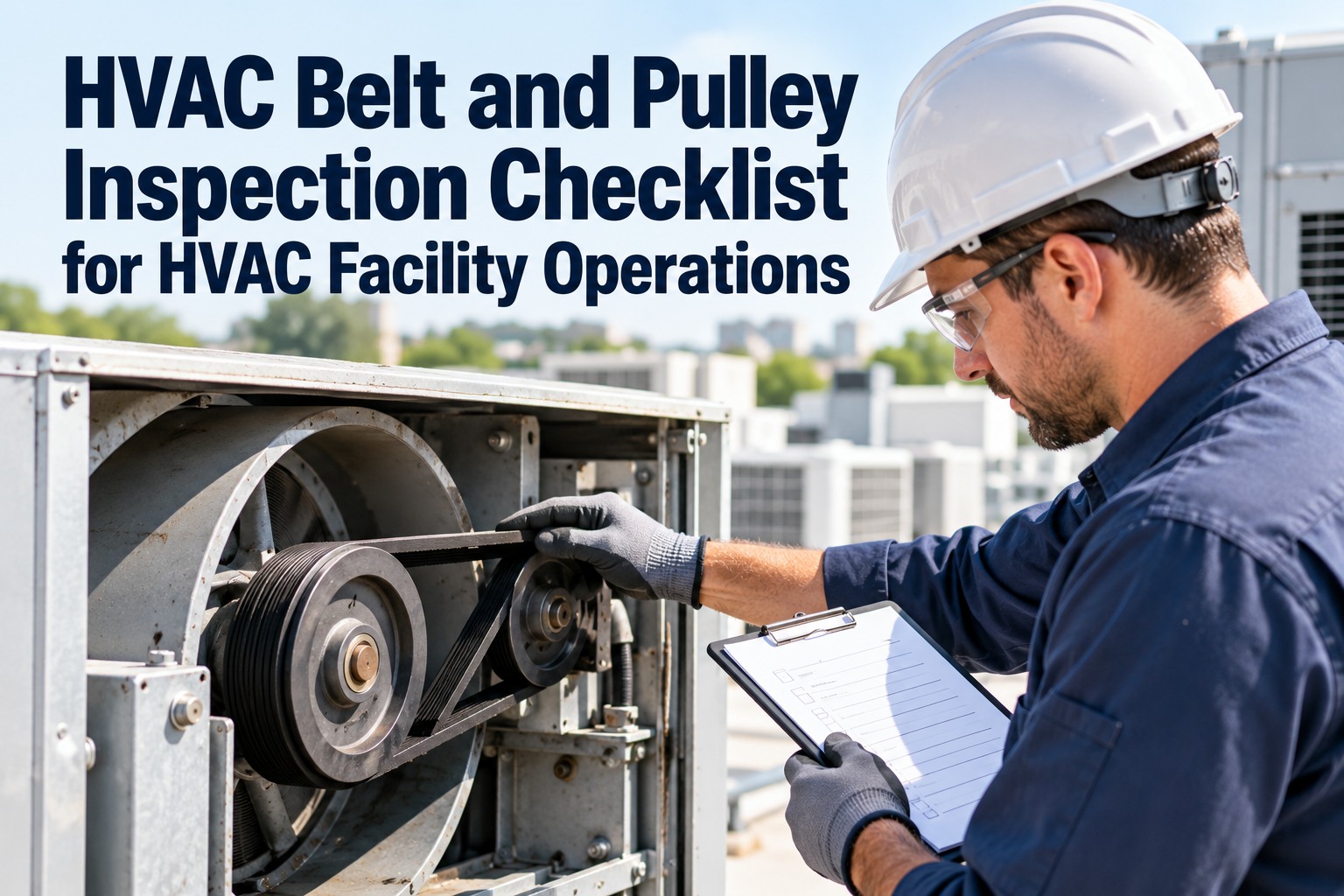
The exhaust fan is the single highest-energy component in a dust collection system. Fan imbalance from dust buildup, bearing failures from inadequate lubrication, and belt deterioration on belt-drive units are the three most common causes of dust collection system downtime in manufacturing facilities. Book a Demo to see how Oxmaint tracks fan bearing lubrication intervals and vibration baselines per asset across your facility portfolio.
Dust Collection Ductwork and Airflow Balancing Inspection Checklist
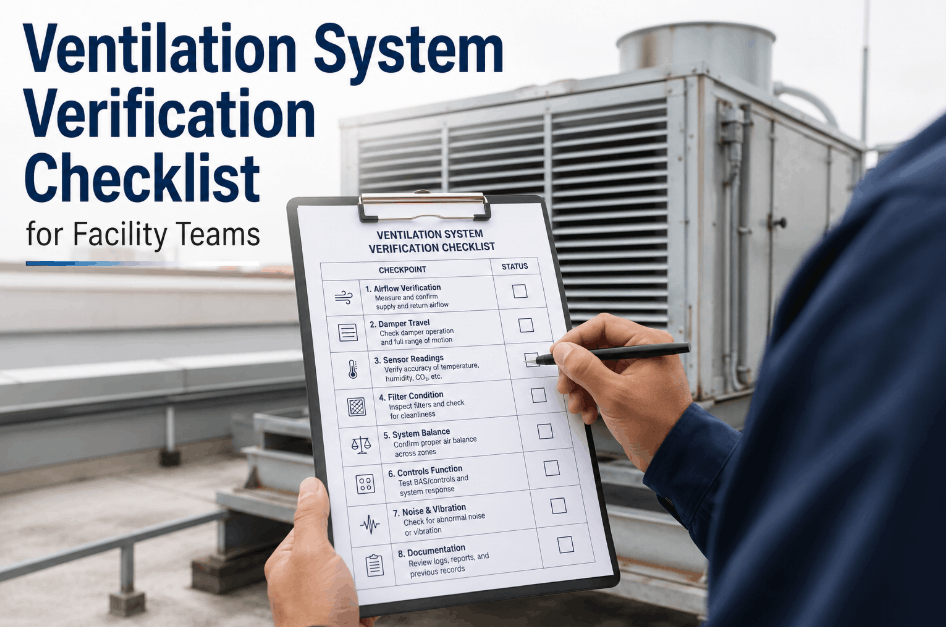
Ductwork in industrial dust collection systems fails differently than comfort HVAC — accumulation of settled dust in undersized or low-velocity branches creates fire hazards, blockage, and regulatory citations under NFPA 652. Airflow balancing across capture hoods and branch ducts directly determines whether dust is actually captured at the source or recirculates into the work zone. Book a Demo to see how Oxmaint schedules duct inspection routes by zone and assigns them to technicians with photo documentation requirements.
Dust Discharge, Hopper, and Rotary Valve Maintenance Checklist
The discharge system — hoppers, rotary airlocks, screw conveyors, and collection bins — is the most frequently neglected subsystem in industrial dust collection. A jammed rotary valve or plugged hopper causes filter backpressure spikes that accelerate bag failure and in combustible dust applications can create deflagration risk from re-entrainment. Sign Up Free to schedule hopper and rotary valve PM tasks in Oxmaint with weekly and monthly interval triggers linked to each collector asset record.
Dust Collector Safety Interlock, Explosion Vent, and Fire Protection Checklist
Safety interlock systems and explosion protection devices are not routine maintenance items — they are life-safety systems governed by NFPA 652, NFPA 68, and NFPA 69. Missing an annual inspection of explosion vents, spark detection systems, or abort gates creates unquantifiable liability exposure and regulatory violation risk that no facility manager can accept. Sign Up Free to build NFPA-interval safety PM plans for each collector in Oxmaint with mandatory photo documentation and digital sign-off by qualified personnel.
Year-Round Dust Collection System Performance and Compliance Checklist
Daily and weekly operational monitoring tasks close the gap between scheduled PM intervals. Airflow log trending, filter differential pressure tracking, and visual inspections performed by operators between formal technician visits catch degradation before it becomes an equipment or safety failure. Book a Demo to see how Oxmaint builds operator inspection routes and maintenance technician PM plans on separate schedules tied to the same asset records.
Dust Collection System PM Frequency and Governing Standard Reference
| Equipment / System | PM Task | Frequency | Governing Standard |
|---|---|---|---|
| Filter Banks | Differential pressure check, bag/cartridge inspection | Weekly / Quarterly | OSHA 1910.94 / OEM |
| Pulse Cleaning System | Solenoid valve test, compressed air quality | Monthly | ACGIH / OEM |
| Exhaust Fan | Vibration, bearing temp, amperage, wheel inspection | Quarterly / Annual | OSHA 1910.94 / AMCA |
| Ductwork | Accumulation inspection, velocity check, joint sealing | Semi-Annual | NFPA 652 / ACGIH |
| Rotary Airlock Valve | Tip clearance, drive torque, housing seal | Quarterly | OEM / NFPA 652 |
| Explosion Relief Vents | Membrane integrity, relief area, obstruction check | Annual | NFPA 68 |
| Spark Detection System | Sensitivity calibration, extinguishment response test | Annual | NFPA 69 / OEM |
| Grounding and Bonding | Resistance to ground measurement, bond continuity | Annual | NFPA 77 |
| Hopper and Discharge | Bridging inspection, bin level, screw conveyor check | Weekly / Monthly | NFPA 652 / OEM |
| Safety Interlocks | High-temp alarm, abort gate, emergency shutdown test | Annual | NFPA 652 / NFPA 69 |
Stop Managing Dust Collector PM on Spreadsheets. Start Running Every Interval On Time.
Oxmaint builds interval-specific PM schedules for every dust collector, filter bank, and exhaust fan in your facility — auto-dispatches work orders to certified technicians, and gives facility managers live compliance dashboards so no safety interlock test or filter inspection gets missed.
Frequently Asked Questions — HVAC Dust Collection System Maintenance
Every Collector. Every Filter. Every Safety Test — Scheduled, Dispatched, and Documented in Oxmaint.
Oxmaint makes dust collection preventive maintenance the most compliant part of your facility program — not the one that gets deferred when production pressures are high.