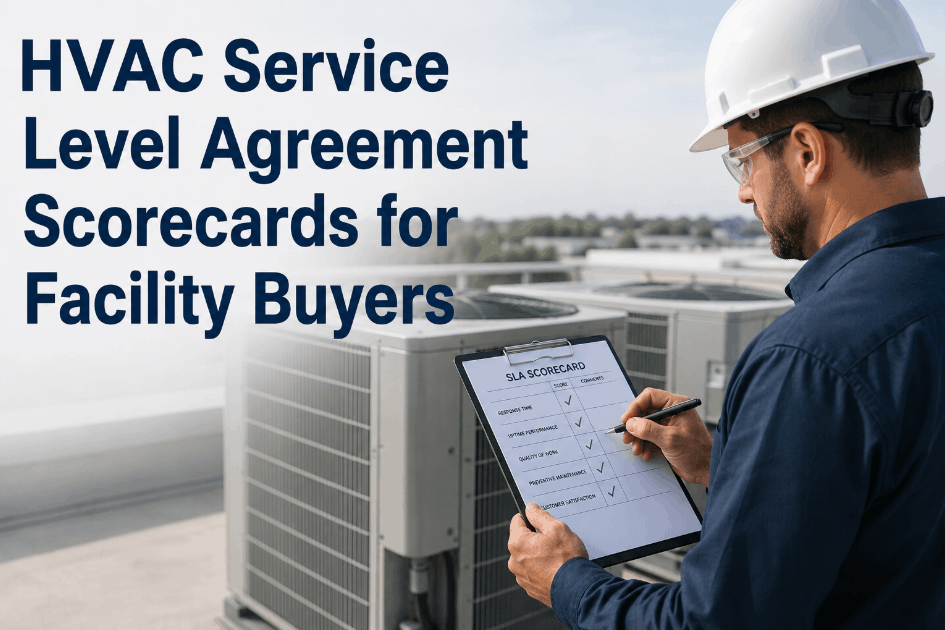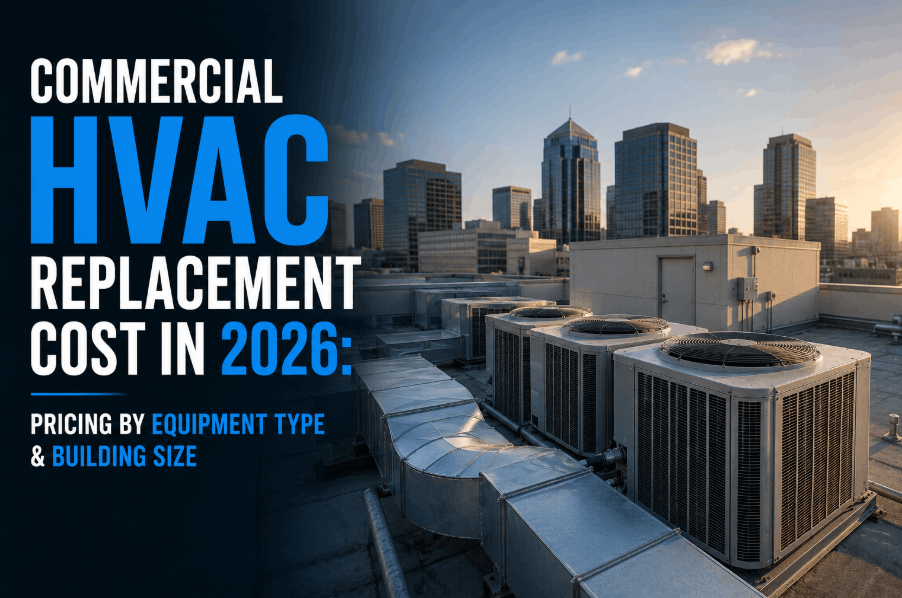
HVAC procurement decisions made without structured cost intelligence routinely expose facilities to vendor pricing variance, hidden labor markups, and parts sourcing gaps that inflate service budgets without improving equipment reliability. Facility buyers using Sign Up Free on OxMaint can consolidate vendor service history, actual parts costs, and contract performance data into a single platform — enabling purchase decisions grounded in documented cost performance rather than quoted estimates. Building internal cost intelligence transforms HVAC procurement from a vendor-driven process into a data-informed function that protects facility operating budgets across the full equipment lifecycle.
Why HVAC Procurement Without Cost Intelligence Overspends
Most facility procurement teams evaluate HVAC bids on quoted labor rates and listed parts prices — without visibility into how those inputs translate to actual invoice totals across similar past work. The result is contract selection based on estimated scope rather than documented cost performance. Book a Demo to see how OxMaint tracks actual HVAC service costs against contracts, giving facility buyers the vendor comparison data needed to make sourcing decisions with real cost intelligence.
Six Cost Intelligence Dimensions for HVAC Facility Buyers
Structuring HVAC procurement cost intelligence requires tracking more than quoted rates. Sign Up Free to start capturing HVAC vendor cost data in OxMaint and build the procurement intelligence baseline your sourcing decisions require.
Quoted vs. Actual Labor Cost by Work Type
Tracking the difference between quoted labor hours and actual billed hours by service category — planned PM, reactive repair, emergency response — reveals which vendors consistently over-bill and which work types carry the highest labor cost variance risk.
Parts Markup Rate and Sourcing Channel Analysis
Vendor parts markup on HVAC repairs frequently exceeds 40–80% above distributor list price. Comparing vendor-invoiced parts costs to OEM distributor pricing by part category identifies where direct procurement or parts consignment agreements would reduce total service cost.
Service Scope Creep and Change Order Frequency
Vendors with high change order rates on contracted scopes signal either poor initial scoping or deliberate low-bid strategies. Tracking change order frequency and dollar value by vendor against original contract estimates reveals which service partners deliver on quoted scope versus which consistently expand billing post-award.
Contract Coverage vs. Actual Asset Maintenance Cost
Full-coverage HVAC contracts that appear cost-effective at signing may exclude high-frequency failure components. Comparing contract coverage scope to actual repair history by equipment type reveals whether contract structures are generating cost savings or transferring risk to the facility budget through exclusions.
Response Time and Emergency Premium Cost
HVAC vendors with slower standard response times generate higher emergency premium costs when equipment failures escalate outside contracted SLA windows. Tracking emergency call frequency by vendor against contracted response commitments quantifies the true cost of SLA non-performance.
Repeat Visit Rate and First-Time Fix Performance
High repeat visit rates for the same equipment issue indicate diagnostic quality problems that multiply labor cost per repair event. Tracking first-time fix rates by vendor and equipment type in OxMaint identifies which service partners deliver durable repairs versus those requiring multiple return visits.
HVAC Procurement Cost Intelligence by Service Category
Cost intelligence priorities vary by HVAC service category and procurement model. Book a Demo to explore how OxMaint organizes HVAC service cost data by asset type, contract category, and vendor to support structured procurement analysis.
| Service Category | Primary Cost Risk | Key Intelligence Metric | Procurement Model | OxMaint Tracking Lever |
|---|---|---|---|---|
| Chiller Maintenance | Tube cleaning scope variance, refrigerant labor markup | Actual vs. quoted labor per service event | Annual contract | Service record cost capture by event type |
| AHU Servicing | Filter and belt parts markup, change order frequency | Parts cost vs. distributor benchmark | PM contract or T&M | Parts cost log linked to asset records |
| Controls and BAS | Proprietary software access fees, sensor cost inflation | Change order rate and invoice variance | OEM contract preferred | Vendor invoice comparison vs. quoted scope |
| Emergency Repairs | Premium labor rates, expedited parts sourcing | Emergency call frequency vs. SLA performance | T&M or retainer | Emergency WO cost tracking by vendor |
| Refrigerant Management | Leak rate billing, refrigerant cost markup | Refrigerant cost per pound vs. market rate | Service contract with recharge clause | Refrigerant usage log by asset |
How Poor Cost Intelligence Inflates HVAC Facility Budgets
Without structured cost tracking, HVAC procurement overspend accumulates across multiple hidden channels that standard invoice review rarely captures. Sign Up Free to build HVAC cost intelligence in OxMaint and surface the spend patterns that drive procurement improvement.
Frequently Asked Questions: HVAC Procurement Cost Intelligence for Facility Buyers
What is HVAC procurement cost intelligence?
Cost intelligence is the structured tracking of actual HVAC service costs — labor, parts, emergency premiums, and change orders — against quoted or contracted rates, enabling buyers to evaluate vendors on documented performance rather than estimates.
How does OxMaint support HVAC procurement analysis?
OxMaint tracks HVAC service costs at the work order level, linked to specific assets and vendors. Cost history, parts records, and service frequency data support vendor comparison, contract renewal analysis, and spend trend reporting.
What HVAC cost categories carry the highest procurement risk?
Parts markup, labor scope creep, emergency response premiums, and warranty recovery losses are the most common sources of untracked HVAC procurement overspend in commercial facilities.
How should facility buyers evaluate HVAC service bids?
Bids should be evaluated against documented asset repair history, failure frequency data, and actual cost-per-event records from prior contracts — not only quoted rates and scope descriptions. OxMaint provides the historical data layer that makes this analysis possible.
How often should HVAC vendor cost performance be reviewed?
Quarterly reviews aligned to fiscal budget cycles are appropriate for most facility procurement programs. High-spend vendor contracts benefit from monthly cost tracking dashboards to catch invoice variance before it compounds across service events.