Quality teams that chase individual defects without grouping them by symptom pattern are solving puzzles with missing pieces. When the same failure signature appears across multiple lines, shifts, or inspection cycles without being recognized as a pattern, root cause stays hidden and the defect keeps recurring. Facilities using Sign Up Free with Oxmaint connect inspection records, nonconformance reports, and work order histories into a unified defect record — making it possible to surface repeat clusters before they escalate into production quality escapes. Book a Demo to see how Oxmaint structures defect grouping and pattern discovery for quality and maintenance teams across manufacturing operations. Teams that move from reactive defect logging to proactive cluster analysis consistently reduce repeat nonconformances and improve line stability. Sign Up Free and start building a defect signature library that turns individual incidents into actionable quality intelligence.
DEFECT CLUSTERING · QUALITY ANALYTICS · FAILURE SIGNATURES · INSPECTION MISSES · 2026
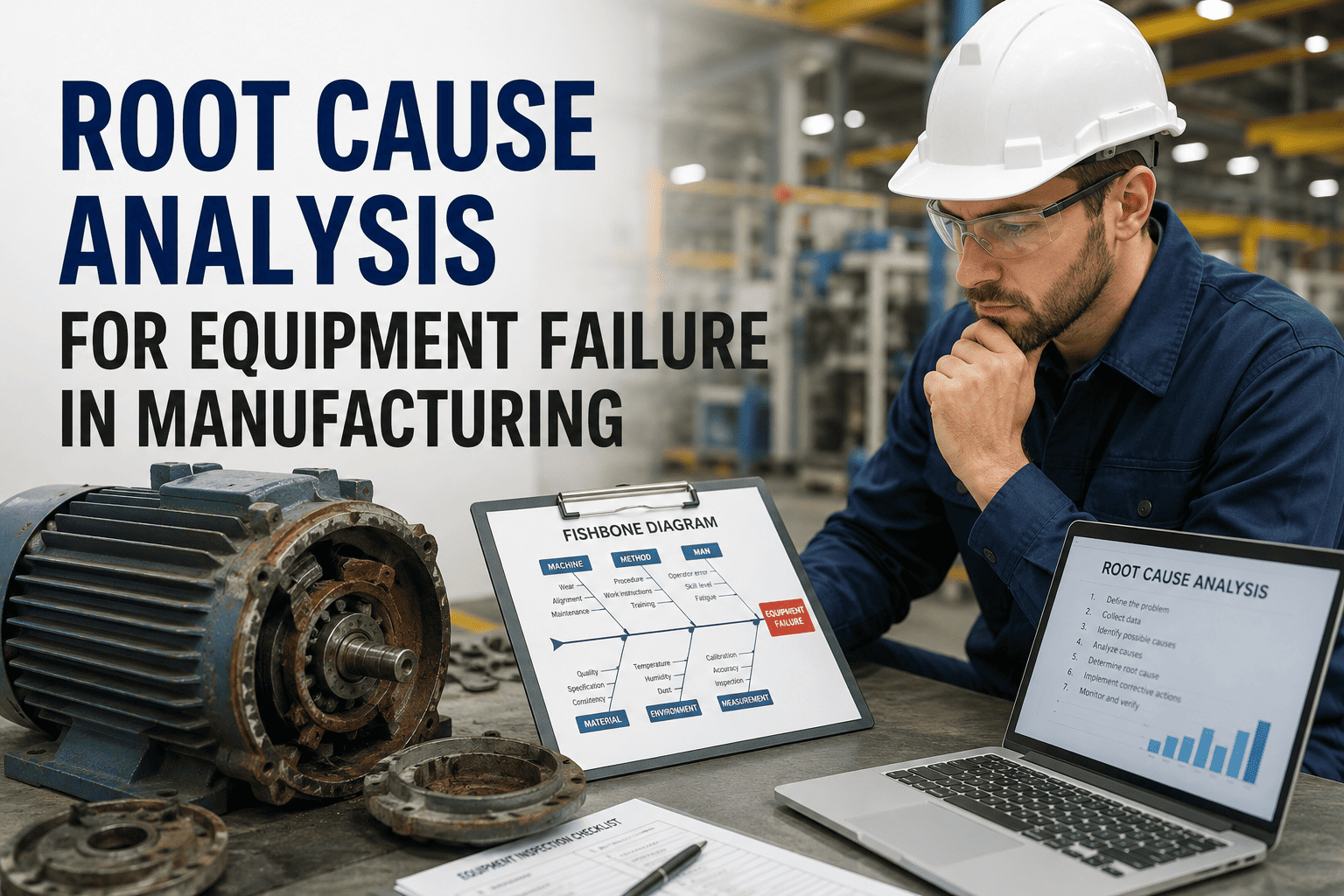
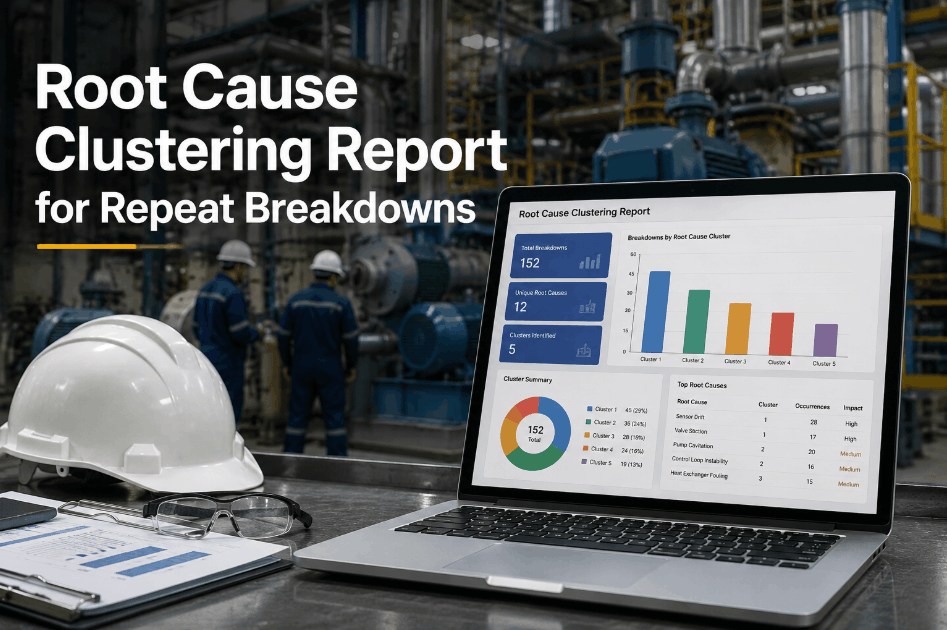
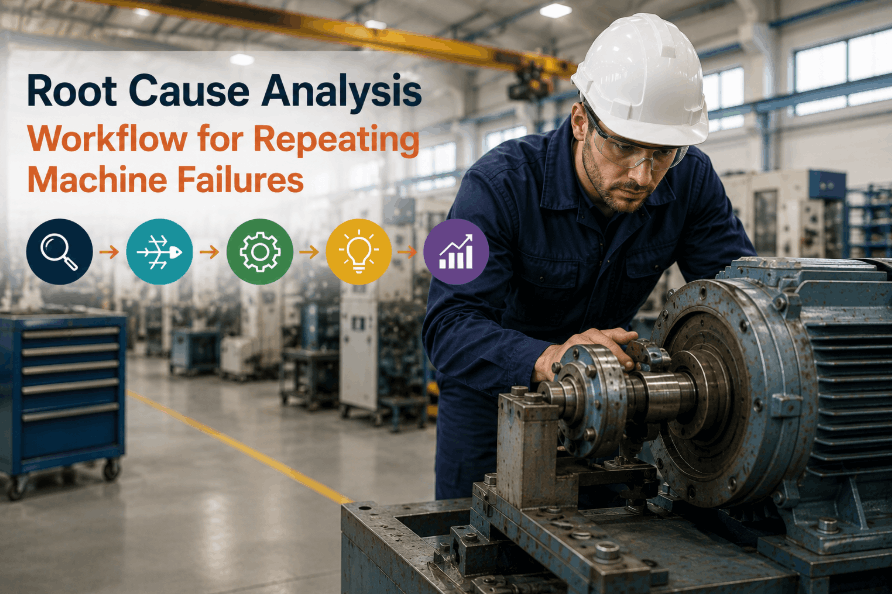
Repeat Defect Cluster Review for Quality Teams
Group repeated defects by symptom pattern to reveal shared failure signatures, missed inspections, and the issues that keep resurfacing during routine quality checks — using Oxmaint's CMMS to drive pattern discovery and eliminate recurring nonconformances.
73%Of quality escapes involve defect patterns that had already appeared in prior inspection cycles without being grouped or flagged
ClusterGrouping defects by shared symptom signature is the fastest path from repeat incident to confirmed root cause
3–6xFaster root cause identification when defect events are correlated by pattern rather than reviewed individually
SignalRepeat defect clusters are quality signals — systematic review converts them into process improvement actions
Why Defect Recurrence Persists Without Structured Cluster Analysis
Most quality programs log defects but lack the structure to group them. When inspection misses and nonconformance events are reviewed individually rather than as clusters, the shared failure signature goes undetected — and the same defect reappears in the next cycle. Book a Demo to see how Oxmaint connects inspection records and work order data to enable systematic defect grouping across lines, shifts, and asset categories.
Pattern Blindness
Individual Review Misses Shared Signatures
When each defect event is reviewed in isolation, shared symptom patterns stay invisible. Quality teams spend time on each incident without recognizing that five separate reports are actually one repeating failure mode. Oxmaint groups inspection findings and nonconformance records by symptom type and asset category — surfacing clusters that individual review would miss entirely.
Inspection Gap
Missed Inspections Enable Defect Recurrence
A defect that was caught once but not traced back to a missed inspection checkpoint will recur. Without a structured link between inspection completion records and nonconformance outcomes, quality teams cannot identify which inspection misses are enabling which defect clusters. Oxmaint connects inspection task completion to defect event history — making inspection gaps visible in the context of their downstream quality impact.
The 4 Dimensions of Repeat Defect Cluster Review
1
Symptom Pattern Grouping
Classify defect events by observable symptom — surface finish deviation, dimensional variation, functional failure — rather than individual incident. Oxmaint allows defect tagging at inspection and work order close-out, creating a structured data set for cluster identification across time periods, lines, and asset types.
2
Inspection Miss Correlation
Map recurring defects against inspection task completion records to identify which checkpoints were skipped, deferred, or incomplete when the defect occurred. Oxmaint's inspection records are linked to asset work history — enabling direct correlation between missed checks and nonconformance clusters.
3
Failure Signature Library
Build a documented library of confirmed defect signatures — each with its associated symptom pattern, inspection miss, asset category, and root cause.
Book a Demo to see how Oxmaint's CMMS supports building a defect signature knowledge base that shortens future investigation cycles.
4
Trend and Recurrence Tracking
Monitor defect cluster frequency over time to confirm whether corrective actions are working. Rising cluster frequency signals that the process change did not address the root cause. Oxmaint tracks nonconformance trends by symptom type and asset — giving quality teams objective evidence for review meetings and corrective action closure decisions.
Defect Cluster Review Reference — By Symptom Category
| Symptom Category |
Common Inspection Miss |
Cluster Trigger Threshold |
Root Cause Indicator |
Review Priority |
Action Lead |
| Surface finish deviation |
Pre-process condition check skipped |
3+ events / 30 days |
Process parameter drift |
High |
Quality Engineer |
| Dimensional variation |
Tooling wear inspection missed |
2+ events / 14 days |
Tooling or fixture wear |
Critical |
Maintenance + QA |
| Functional failure at test |
Assembly torque check incomplete |
2+ events / cycle |
Assembly process gap |
Critical |
Process Engineer |
| Visual cosmetic defect |
Material receiving inspection gap |
5+ events / 30 days |
Incoming material quality |
Medium |
Procurement + QA |
| Label / marking error |
End-of-line verification skipped |
3+ events / 30 days |
Workflow gap at close-out |
Medium |
Line Supervisor |
| Contamination event |
Cleaning / changeover check missed |
1+ event / cycle |
Changeover procedure gap |
High |
Quality + Maintenance |
How Oxmaint Supports Defect Cluster Analysis for Quality Programs
Oxmaint connects inspection task records, nonconformance reports, and maintenance work order data into a single platform — giving quality teams the structured data foundation that defect cluster analysis requires. Every inspection finding flows into Oxmaint with asset context, timestamp, and completion status, making symptom grouping and inspection miss correlation a structured process rather than a manual spreadsheet exercise. Sign Up Free to connect Oxmaint's inspection and quality modules and start identifying repeat defect clusters before they become production escapes.
Inspection Record Linking
Inspection task completions linked to asset and work order history — enabling correlation between missed checks and downstream defect events.
Nonconformance Tagging
Defect events tagged by symptom type at entry — creating a structured data set for cluster grouping without manual reclassification.
Cluster Frequency Reports
Defect cluster frequency tracked over time by symptom category and asset — surfacing rising patterns before they reach escape threshold.
Root Cause Attribution
Confirmed root causes linked to defect clusters in Oxmaint — building a referenceable library of failure signatures and their corrective actions.
Corrective Action Tracking
Corrective actions tied to defect clusters with status tracking — confirming whether process changes have reduced recurrence frequency over time.
Quality Review Dashboards
Scheduled quality review meetings supported by Oxmaint defect trend data — replacing memory-based discussion with objective cluster analysis.
Turn Repeat Defects Into Confirmed Patterns. Stop Quality Escapes Before They Recur.
Oxmaint connects inspection records, nonconformance data, and work order history — giving quality teams the cluster analysis foundation they need to identify failure signatures and eliminate recurring defects.
Frequently Asked Questions — Repeat Defect Cluster Review
What is a defect cluster in quality management?
A defect cluster is a group of nonconformance events that share a common symptom pattern, asset type, or inspection gap — indicating a shared root cause rather than isolated incidents.
How does symptom grouping improve root cause analysis?
Grouping defects by symptom reduces investigation scope to the shared process or asset factor — cutting root cause identification time compared to reviewing each event independently.
Can Oxmaint track defect patterns without separate quality software?
Yes. Oxmaint's inspection, nonconformance, and work order modules create the data structure needed for defect cluster analysis within a single CMMS platform.
How frequently should defect cluster reviews occur?
Monthly reviews for stable lines; weekly for high-volume or high-risk processes. Any cluster reaching threshold should trigger an immediate out-of-cycle review regardless of schedule.
What role do inspection misses play in defect recurrence?
Missed inspection checkpoints are the most common enabler of defect recurrence — when the detection step is skipped, the defect escapes the cycle and reappears in the next.
Build a Defect Cluster Review Process That Eliminates Recurring Quality Issues.
Oxmaint tracks inspection completions, nonconformance patterns, and failure signatures — giving quality teams the structured analysis foundation they need to stop repeat defects before they become production escapes.