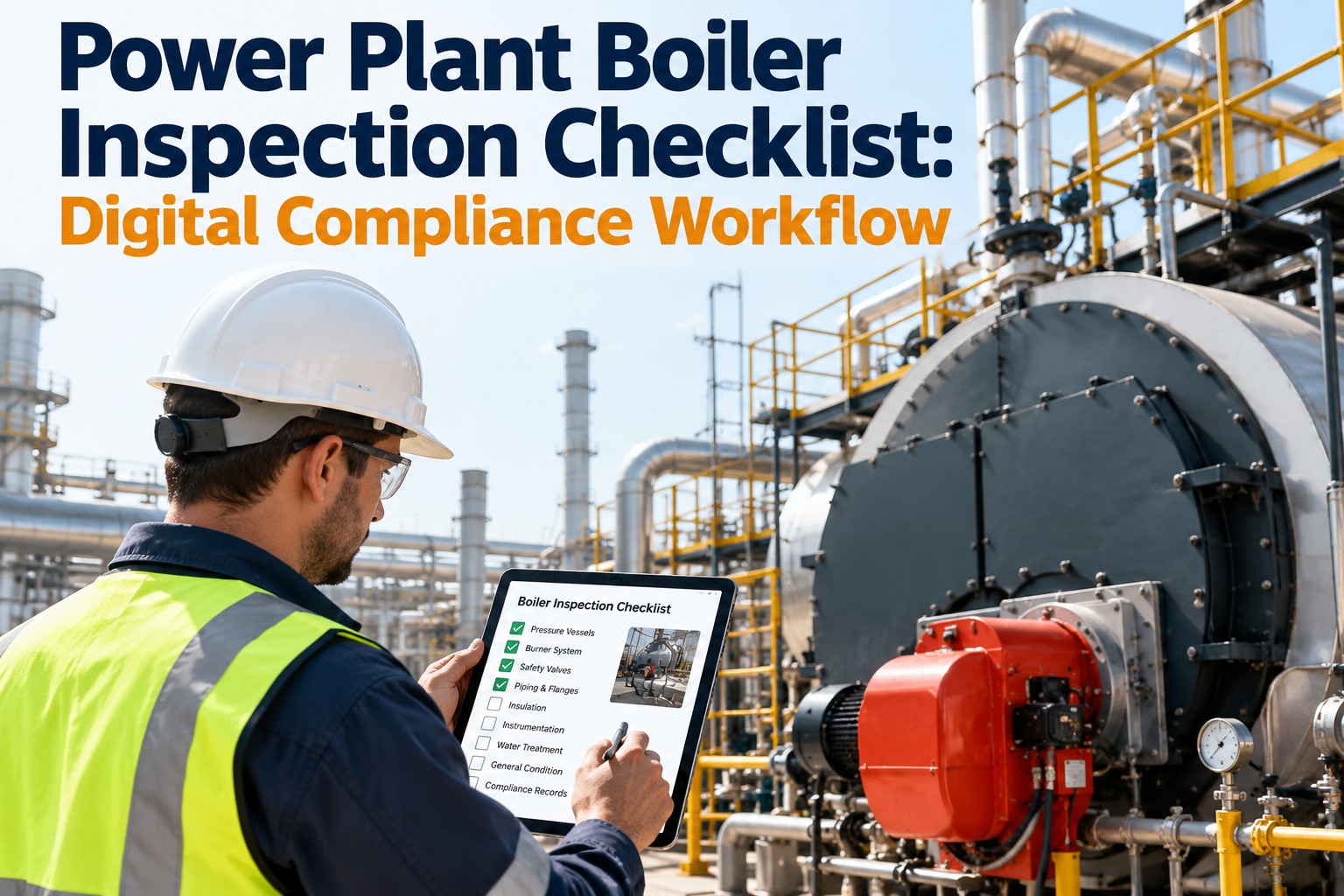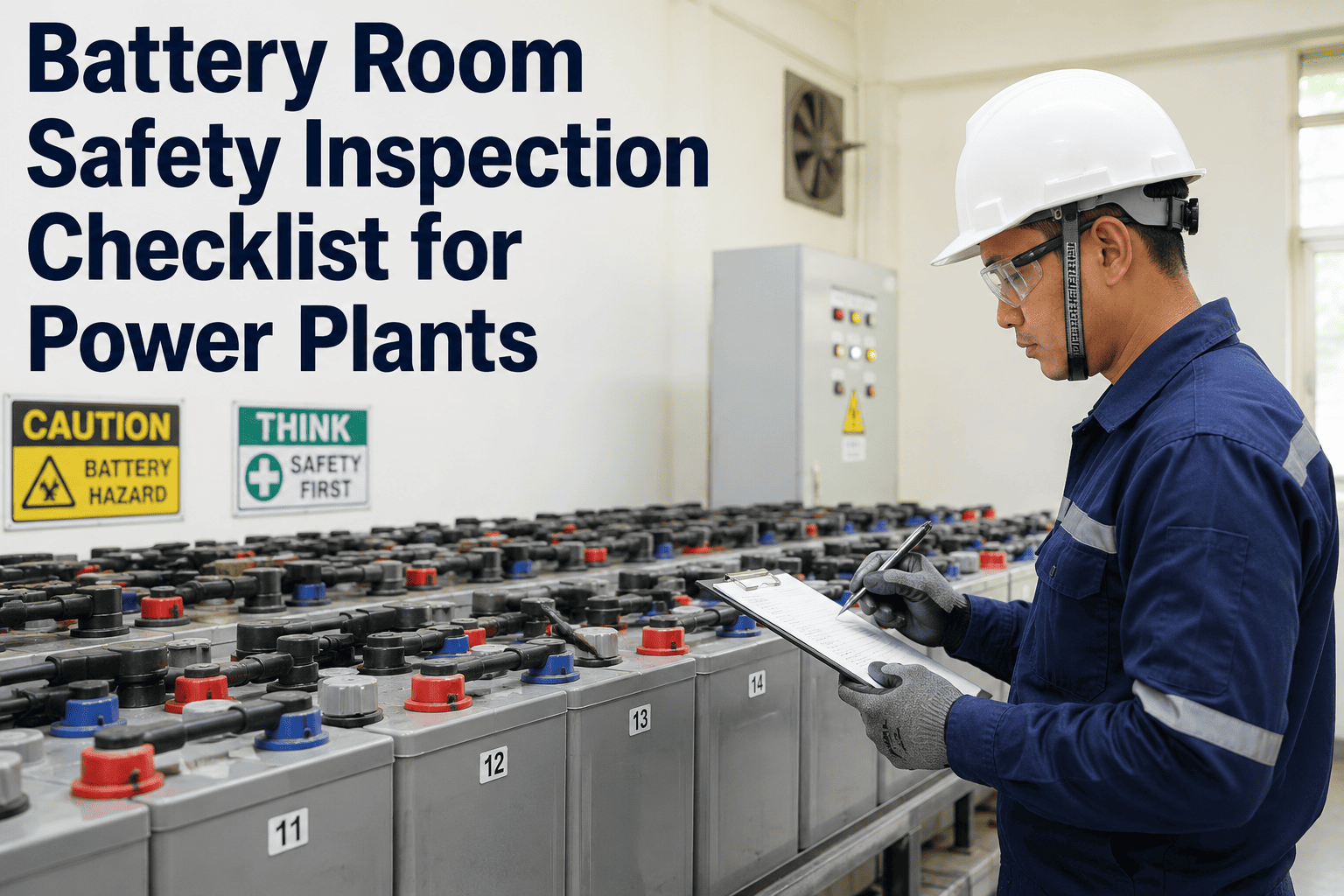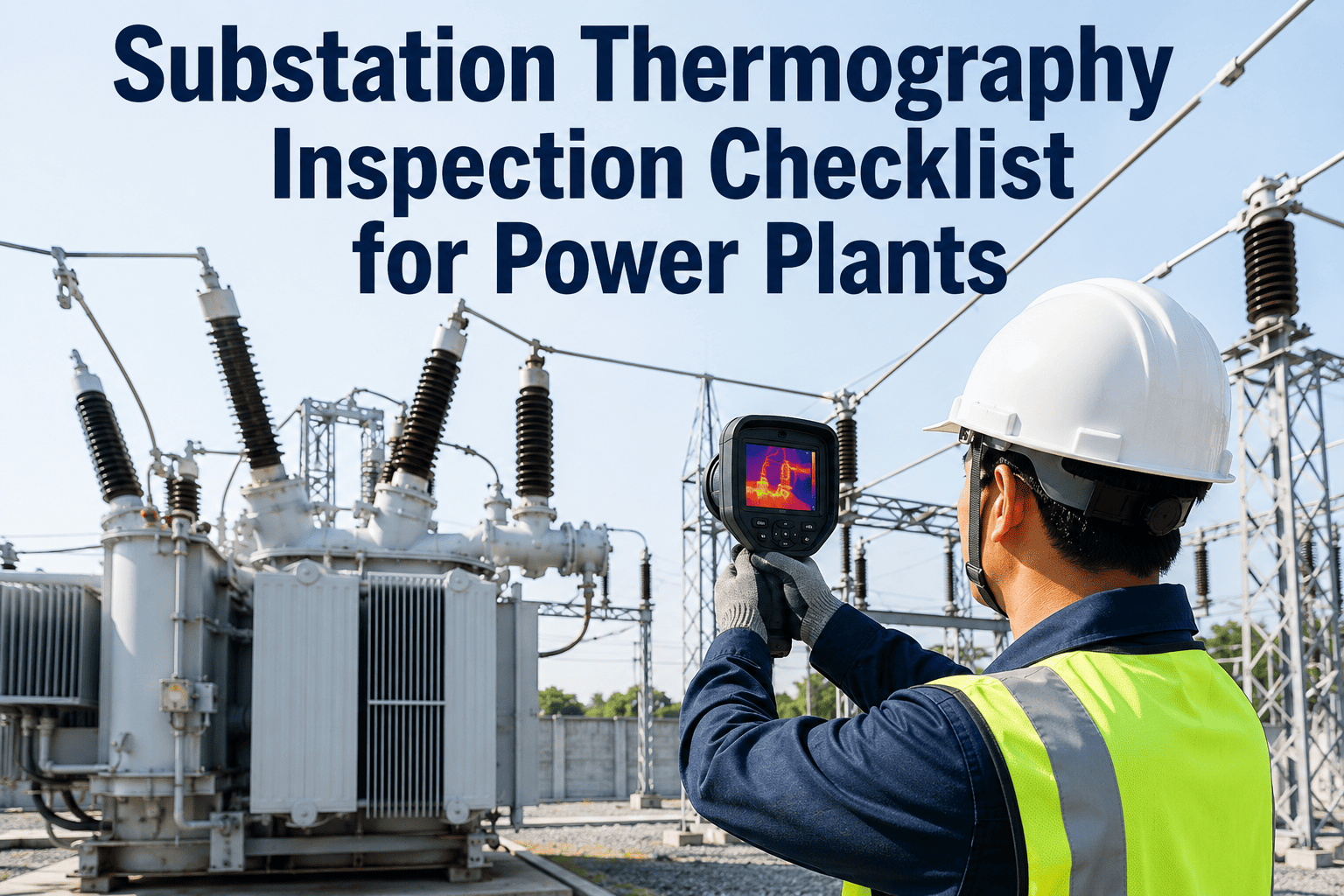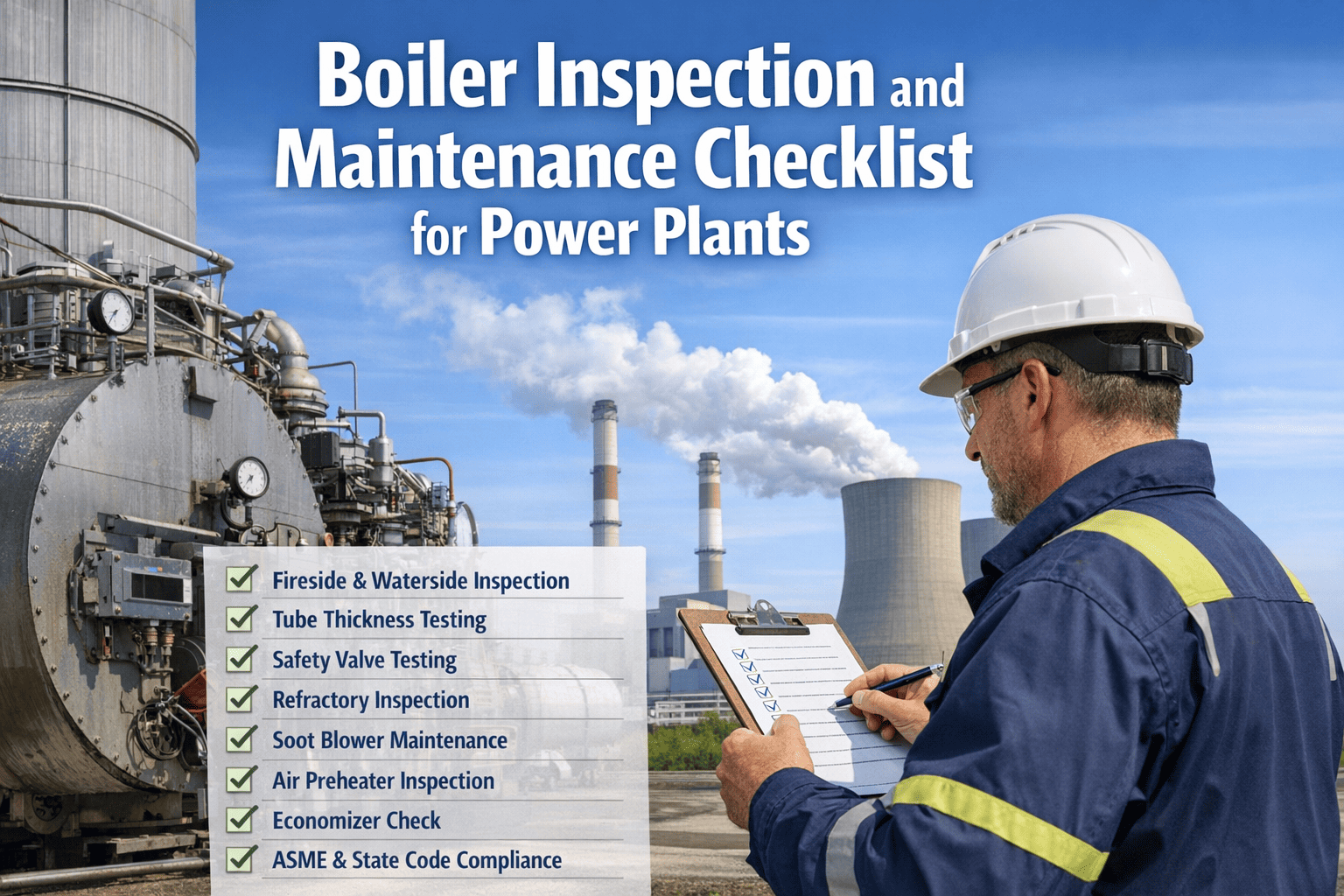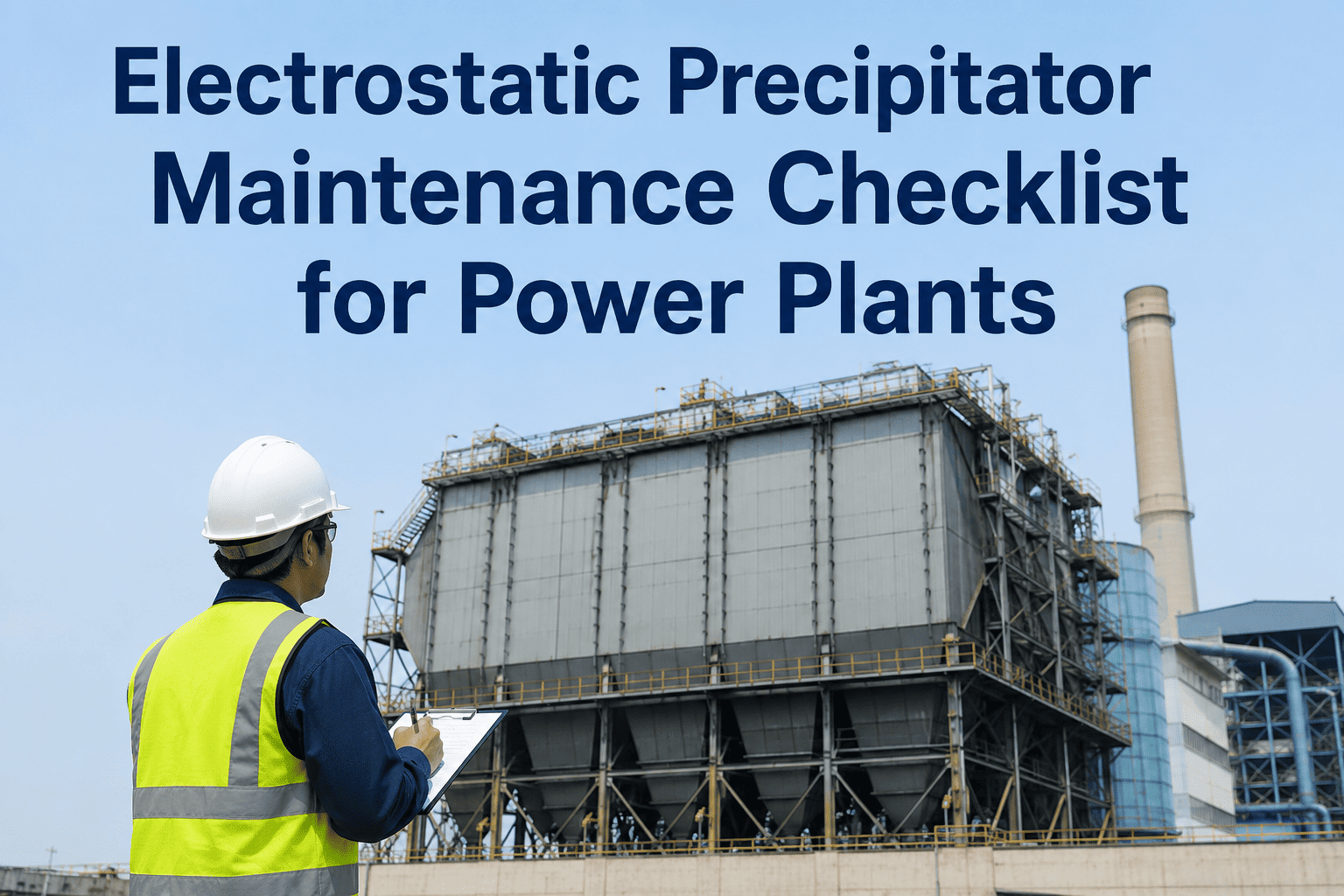
An electrostatic precipitator running with misaligned electrodes, blocked hoppers, or a degraded transformer-rectifier set is not collecting particulate — it is producing a compliance violation in slow motion. Emission control equipment at thermal power plants faces the dual pressure of statutory opacity limits and continuous stack monitoring, where a single exceedance event can trigger regulatory notice and unit load reduction. This checklist gives your environmental, instrumentation, and maintenance teams a complete inspection framework covering every ESP subsystem — from rapping mechanisms and discharge electrodes to hopper heaters and T-R set performance — structured so that every check feeds directly into your OxMaint compliance tracking workflow with a timestamped, audit-ready record for every finding.
Electrostatic Precipitator Maintenance Checklist
A zone-by-zone ESP inspection checklist covering rapping systems, collecting and discharge electrodes, hoppers, transformer-rectifiers, and compliance documentation — built for plants where missing a check means a stack exceedance report.
Rapping System — Collecting & Discharge Electrodes
The rapping system is the most maintenance-intensive ESP subsystem. Under-rapping allows dust cake buildup that re-entrains at high gas velocity; over-rapping strips the cake before it can fall into hoppers. Both failure modes directly reduce collection efficiency and raise stack opacity.
Collecting Plates & Discharge Electrodes
Electrode alignment is the single biggest driver of ESP efficiency. A collecting plate bowed by more than 10 mm, or a discharge wire sagging out of centre, reduces the electric field strength in that zone and allows charged particles to pass through uncollected.
Hopper System — Dust Discharge & Heaters
A plugged hopper is one of the fastest ways to destroy ESP collection efficiency. When a hopper fills above the electrode zone, the dust level shorts the electric field in that section — taking the entire field offline within hours. Hopper level monitoring and discharge valve reliability are non-negotiable.
Compliance auditors don't accept "we didn't log it because it passed." OxMaint timestamps every check, captures the reading, and links each finding to a corrective work order — giving your environmental team a complete compliance trail on demand.
Transformer-Rectifier Set & Electrical System
The T-R set is the electrical engine of the ESP. A degraded transformer oil, a failed automatic voltage controller, or a cracked high-voltage bushing can take a field offline silently — and without that field, particle collection in that zone drops to near zero.
Stack Emission Monitoring & CEMS
The Continuous Emission Monitoring System is both the compliance reporter and the ESP performance diagnostic. CEMS data gaps, calibration failures, or signal drift translate directly into regulatory non-compliance notices — regardless of how well the ESP is actually performing.
Compliance Records, Permits & Audit Trail
Environmental compliance failures are not maintenance failures — they are documentation failures. Pollution control boards treat a missing record the same as a missing inspection. Every emission reading, every calibration, every corrective action must be traceable in a system the regulator can audit independently.
Five Metrics to Confirm Your ESP Is Compliant and Performing
| Metric | How to Measure | Target | Cadence |
|---|---|---|---|
| Collection Efficiency | 1 minus (outlet / inlet dust loading) | Above 99% | Monthly |
| CEMS Data Availability | Valid data hours / Total operating hours | Above 95% | Monthly |
| Emission Compliance Rate | Hours within limit / Total hours reported | 100% | Monthly |
| T-R Set Availability | Fields online / Total fields | Above 95% | Weekly |
| ESP PM Completion | Completed work orders / Scheduled PMs | 100% | Weekly |
Frequently Asked Questions
What is the CPCB statutory SPM emission limit for thermal power plants in India?
As per MoEFCC notification, thermal power plants (500 MW and above commissioned before 2017) must comply with an SPM limit of 50 mg/Nm³. Newer units and older plants in critically polluted areas have stricter limits. Always verify against your plant's current consent-to-operate conditions, as limits are revised periodically. OxMaint tracks consent conditions and flags upcoming compliance review dates.
How does a plugged hopper affect ESP collection efficiency?
When a hopper fills above the bottom of the collecting plate zone, the accumulated ash bridges the electric field — effectively shorting the T-R set in that section. That field drops out, and all particles entering that zone pass through uncollected, causing a visible spike in stack opacity. Immediate action is required. See how OxMaint escalates hopper alerts automatically.
How often should ESP transformer oil be tested?
Dielectric strength testing should be performed at minimum quarterly. Dissolved gas analysis (DGA) is recommended every six months for units older than 10 years. Oil test results should be trended — a rising hydrogen or ethylene level in DGA is an early indicator of internal arc or overheating that can be addressed before a T-R set failure.
What records does the pollution control board ask for during an inspection?
Inspectors typically request CEMS data logs for the past 12 months, stack test reports, CEMS calibration records, exceedance event closure reports, and the plant's consent-to-operate document. Records must typically be retained for 5 years. OxMaint generates audit-ready export packages covering all of these in a single report.
What is the difference between a rapping optimization study and routine rapper maintenance?
Routine rapper maintenance confirms mechanical integrity — that the rapper fires, the coupling is intact, and the impact force is transmitted. A rapping optimization study adjusts the timing, intensity, and sequence of the entire rapping cycle to minimize re-entrainment while maximizing dust cake removal, typically done by the OEM every 2–3 years or after a significant change in coal type.
Every ESP Check Logged. Every Emission Record Traceable. Every Audit Ready.
OxMaint converts this checklist into mobile inspection rounds with photo evidence, CEMS-linked compliance flags, and corrective work orders that close before your next regulatory visit — one platform for environmental, instrumentation, and maintenance teams.