-maintenance-and-zinc-pot-reliability.png)
The Continuous Galvanizing Line (CGL) is the final, high-value frontier of the steel finishing process — where raw steel is transformed into corrosion-resistant material for the automotive and construction sectors. At the center of this complex operation is the zinc pot, a submerged world of molten metal where sink rolls and stabilizer rolls must perform flawlessly at temperatures exceeding 840°F. In this environment, bearing failure or dross buildup doesn't just reduce quality; it forces a line-stop that can cost US mills upwards of $25,000 per hour. A specialized finishing-mill CMMS is essential for tracking roll campaign tonnages, automating air knife cleaning schedules, and managing the critical rework of submerged hardware. Sign Up Free to start optimizing your CGL zinc pot reliability program.
Eliminate Surface Defects with Predictive CGL Maintenance
OxMaint gives galvanizing maintenance teams a unified platform to track roll wear, monitor air knife precision, and manage high-value submerged bearing inventory across every line campaign.
The Science of Zinc Pot Reliability and Strip Quality
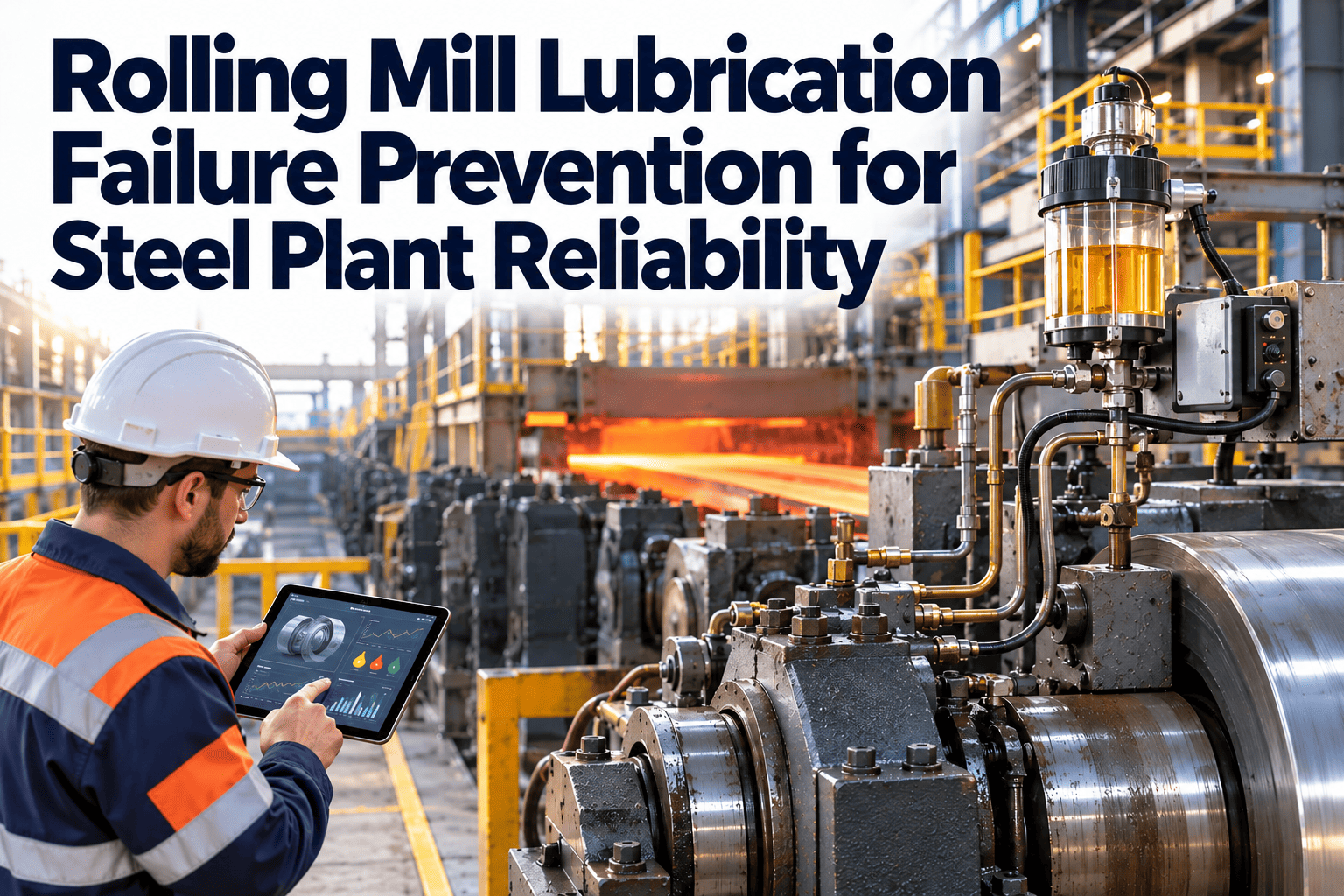
CGL reliability is a battle against heat, corrosion, and dross. The submerged sink roll is the most vulnerable asset in the finishing mill — subjected to the constant abrasive force of the steel strip while operating in molten zinc. US automotive-grade producers cannot afford the "pockmarks" or "dross-drag" caused by degraded roll surfaces or seized bearings. By integrating roll shop rework data with real-time line tonnage in OxMaint, reliability engineers can move from calendar-based changes to precise, usage-based reliability. This ensures that every roll is pulled exactly when its surface integrity begins to fade, maintaining the ultra-smooth finish required for the next generation of American-made vehicles. Book a Demo to see our CGL-specific reliability templates.
Core Components of a Galvanizing Line Reliability Program
Sink & Stabilizer Roll Tonnage
Track every ton of steel processed over a specific roll assembly. Trigger removals based on precise surface wear limits to prevent strip defects.
Submerged Bearing Life Cycles
Monitor the performance of cobalt-alloy bearings. Automate work orders for bearing replacement at manufacturer-specified tonnage thresholds.
Air Knife Precision Cleaning
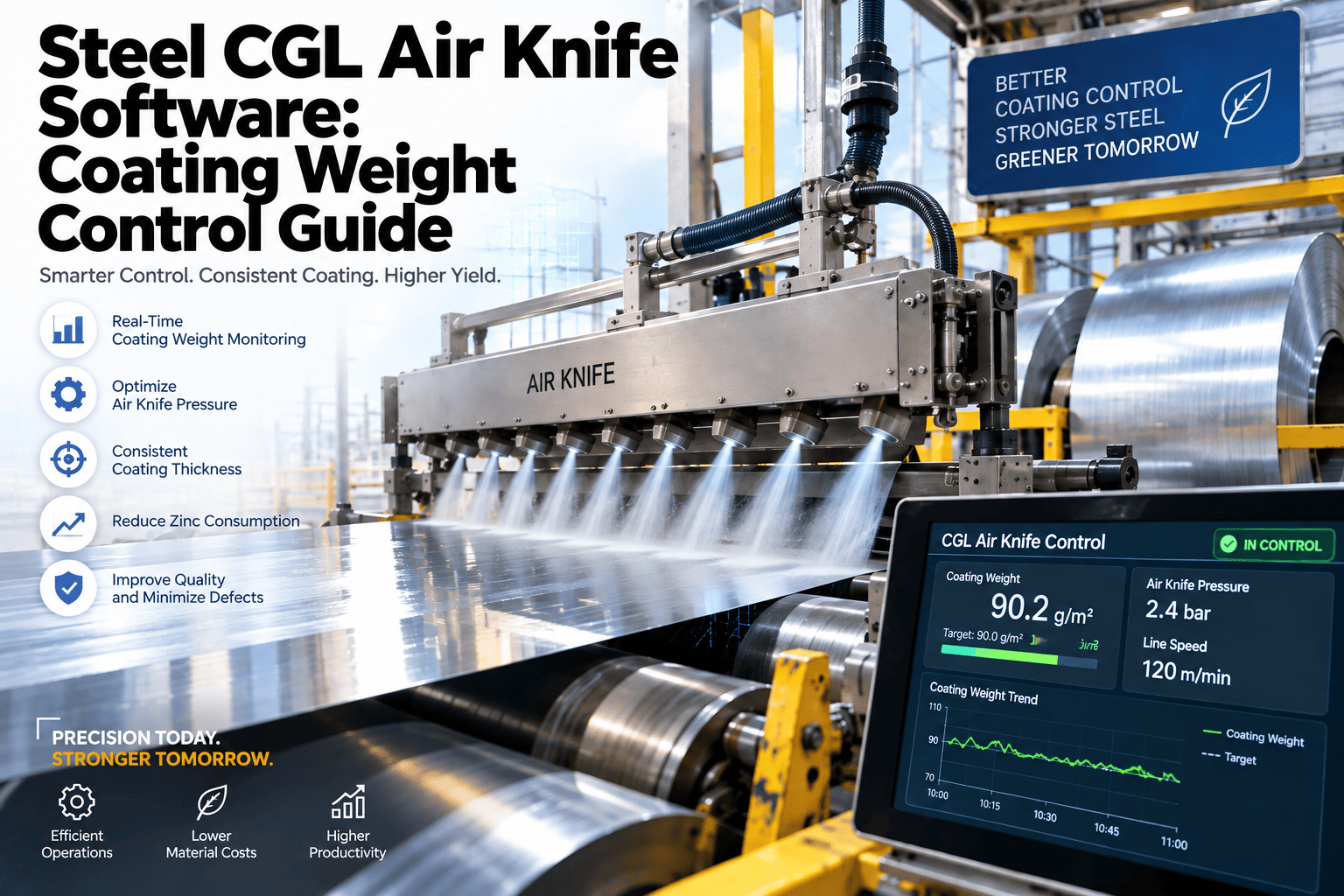
Schedule frequent nozzle gap inspections and air-lip cleaning. Consistent air knife performance is the #1 factor in coating weight uniformity.
Zinc Pot Temperature Stability
Log and trend pot temperatures. Excessive fluctuations accelerate dross formation and cause thermal shock to the submerged hardware.
Strip Tension Meter Calibration
Maintain accurate tension control to prevent strip wandering. Automated calibration PMs ensure your drive systems match your metallurgical specs.
Dross Removal Scheduling
Coordinate manual or robotic drossing cycles. Standardized removal intervals ensure that top-dross and bottom-dross never reach the strip path.
Basic Information: Pot Hardware Campaign Benchmarks
| CGL Asset | Campaign Metric | Target Threshold | Reliability Impact |
|---|---|---|---|
| Sink Roll Assembly | Processed Tonnage | 12,000 – 18,000 Tons | Surface Finish / Friction |
| Stabilizer Roll | Cumulative Hours | 350 – 500 Hours | Strip Vibration Control |
| Cobalt-Alloy Bearings | Operating Days | 14 – 21 Days | Rotational Smoothness |
| Air Knife Lips | Cleaning Interval | Every 8-Hour Shift | Coating Weight Precision |
| Skin Pass Rolls | Processed Tonnage | 8,000 – 10,000 Tons | Final Strip Elongation |
| Furnace Radiant Tubes | Service Years | 3 – 5 Years | Annealing Uniformity |
How to Implement a Digital CGL Reliability Workflow
Asset Tagging for Roll Inventory
Every sink roll and stabilizer roll must be treated as a unique asset with its own serial number. Sign Up Free to start tracking your submerged hardware from the roll shop to the zinc pot and back.
Standardize the Roll Shop Rework Process
Create digital work instructions for roll grinding, bearing inspection, and dynamic balancing. OxMaint ensures that every roll leaving the shop is within the 0.05mm tolerance required for automotive galvanized steel.
Link Line Tonnage to Asset Health
Integrate your production logs with your CMMS. When a sink roll reaches its 15,000-ton limit, OxMaint generates an automated "Pot Change" work order, allowing your team to plan the shutdown days in advance.
Deploy Mobile Shift Checklists
Technicians use the OxMaint app to log air knife gaps, pot temperatures, and coating weights. Immediate visibility to deviations allows for "on-the-fly" adjustments before product quality is compromised. Book a Demo to see our mobile finishing tools.
Audit Drossing and Cleaning Compliance
Maintenance logs provide the forensic record for quality audits. Prove to your automotive customers that your drossing and air-knife cleaning protocols meet the highest international standards for surface reliability.
Why Galvanizing Maintenance Programs Fail — and How to Fix It
If you're hunting through spreadsheets to find a roll's current tonnage, you'll miss the replacement window. Automate tonnage tracking in OxMaint for real-time reliability alerts.
Calendar-based changes ignore actual line speed and product mix. Usage-based maintenance in your CMMS is the only way to optimize pot hardware life without risking surface defects.
If cleaning is only done when a defect appears, you've already lost yield. Use OxMaint's mandatory shift checklists to enforce proactive air knife hygiene as a standard operating procedure.
A failed bearing in the pot is an expensive mystery without documentation. Capture photos of worn bearings in OxMaint to identify corrosion or alignment issues that require root cause correction.
CGL & Zinc Pot Maintenance Best Practices for US Mills
Maintain a "Submerged Spare" Strategy
Always keep a pre-heated sink roll assembly on standby. OxMaint manages the inventory and heating logs for these critical spares, ensuring you can swap hardware in under 4 hours.
Conduct Dynamic Roll Balancing
Every submerged roll should be dynamically balanced after grinding. Log the vibration baseline in OxMaint to prove the roll won't cause strip chatter at high line speeds.
Standardize Air Knife Gap Logging
Shift-based logging of nozzle-to-strip distances is a US industry benchmark. Precise gap control directly translates to millions in annual zinc savings and superior coating uniformity.
Monitor Bath Aluminum Levels
Aluminum concentration directly affects dross type and roll-surface reactions. Link your chemical analysis data to your pot asset records in OxMaint for holistic reliability trending.
Verify Radiant Tube Integrity
Annealing furnace failures are the leading cause of CGL downtime. Schedule monthly burner efficiency tests and tube pressure checks to prevent unexpected line-stops.
Audit Pot-Hardware LOTO Procedures
Working near molten metal is a high-risk activity. Use OxMaint to ensure that safety-critical lockout/tagout steps are performed and signed off before any pot change begins.
Secure Your Coating Quality Today
Join the US finishing mills using OxMaint to digitize roll campaigns, automate air knife maintenance, and eliminate dross-related quality rejects.
Frequently Asked Questions
Using cobalt-based alloys and tonnage-based alerts in your CMMS can extend bearing life beyond the standard 14-day campaign.
OxMaint tracks cumulative tonnage to trigger overhauls before friction causes strip vibration or surface defects.
Clogged air knife nozzles or inconsistent air pressure across the strip are the leading US causes of uneven zinc distribution.
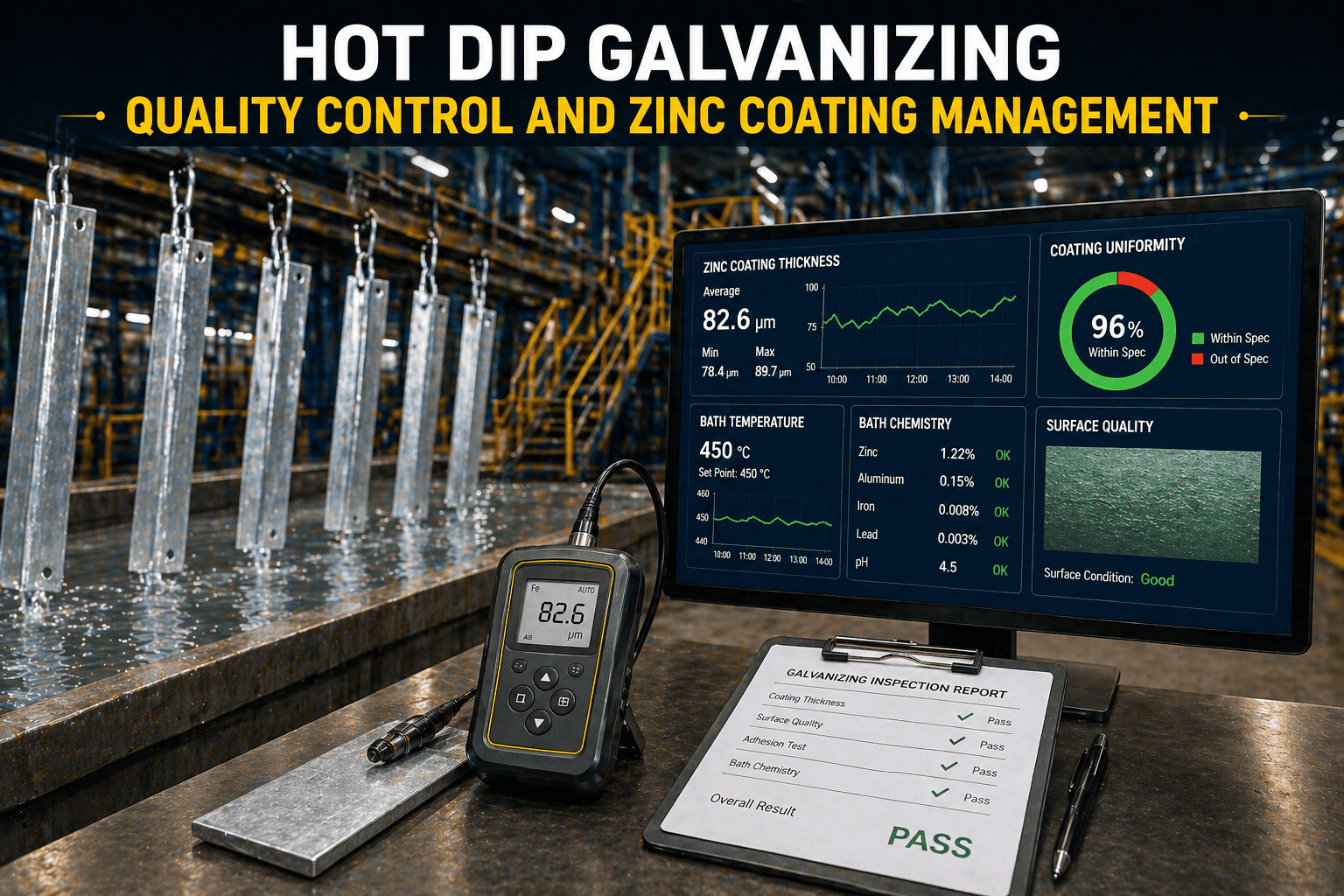
Regular cleaning PMs and real-time pressure monitoring in OxMaint ensure coating weights remain within the +/- 5g/m2 tolerance.
Tracking pot temperature stability and aluminum concentration helps predict dross formation and schedule manual or robotic drossing.
Standardizing these intervals ensures that slag particles do not embed in the steel surface, maintaining automotive-grade quality.
Excessive tension accelerates bearing wear on submerged rolls, while low tension leads to strip wandering and pot-wall collisions.
OxMaint automates tension-meter calibration schedules, ensuring your drive systems are always aligned with metallurgical recipes.
NFPA 86 and OSHA 1910 subparts govern the operation of CGL annealing furnaces and molten metal handling during hardware changes.
OxMaint includes safety-critical LOTO checklists for all pot work, ensuring US regulatory compliance during high-risk maintenance.
The system manages the rework lifecycle for rolls, including grinding, bearing replacement, and final balancing before the next campaign.
Having a complete record for every sink roll helps US mills identify the most durable roll materials and coating types.
Yes, technicians use the mobile app to log precision gap measurements during every shift change to ensure optimal coating efficiency.
Alerts are generated if gap deviations exceed manufacturer specs, preventing the zinc waste associated with over-coating.
OxMaint schedules regular flow-rate checks and heat-exchanger cleaning to prevent strip buckling after coating.
Maintaining a consistent cooling rate is essential for achieving the required tensile properties in modern US high-strength steel grades.
"Operating a high-speed CGL for the automotive sector means there is zero margin for surface defects. Before we centralized our sink-roll records in OxMaint, we were averaging three pot-stops a month due to premature bearing failures or dross drag. By moving to tonnage-based roll management and standardizing our air knife cleaning protocols, we have reduced our surface-related rejects by 74% and saved over $1.2M in annual zinc consumption. The ability to see a roll's full grinding and campaign history on a mobile device is the cornerstone of our finishing-mill reliability program."
Ready to Master Your Galvanizing Reliability?
Start your free OxMaint trial and give your finishing-mill team the tools to document, trend, and audit CGL health—accessible from any device.
-furnace-and-cooling-maintenance.png)