AI for Facility Management: On-Prem vs Cloud Guide
By Jack Edwards on May 2, 2026
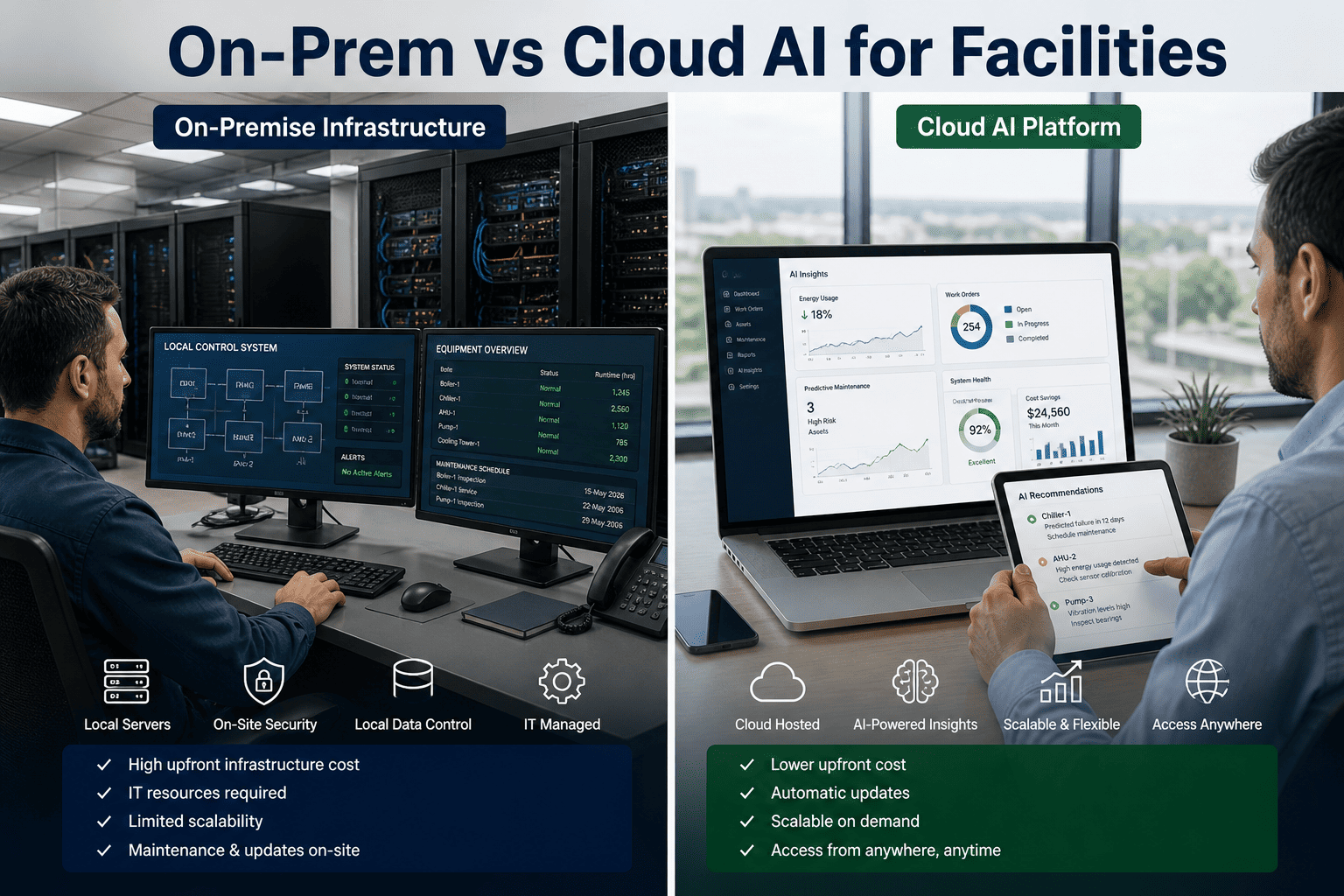
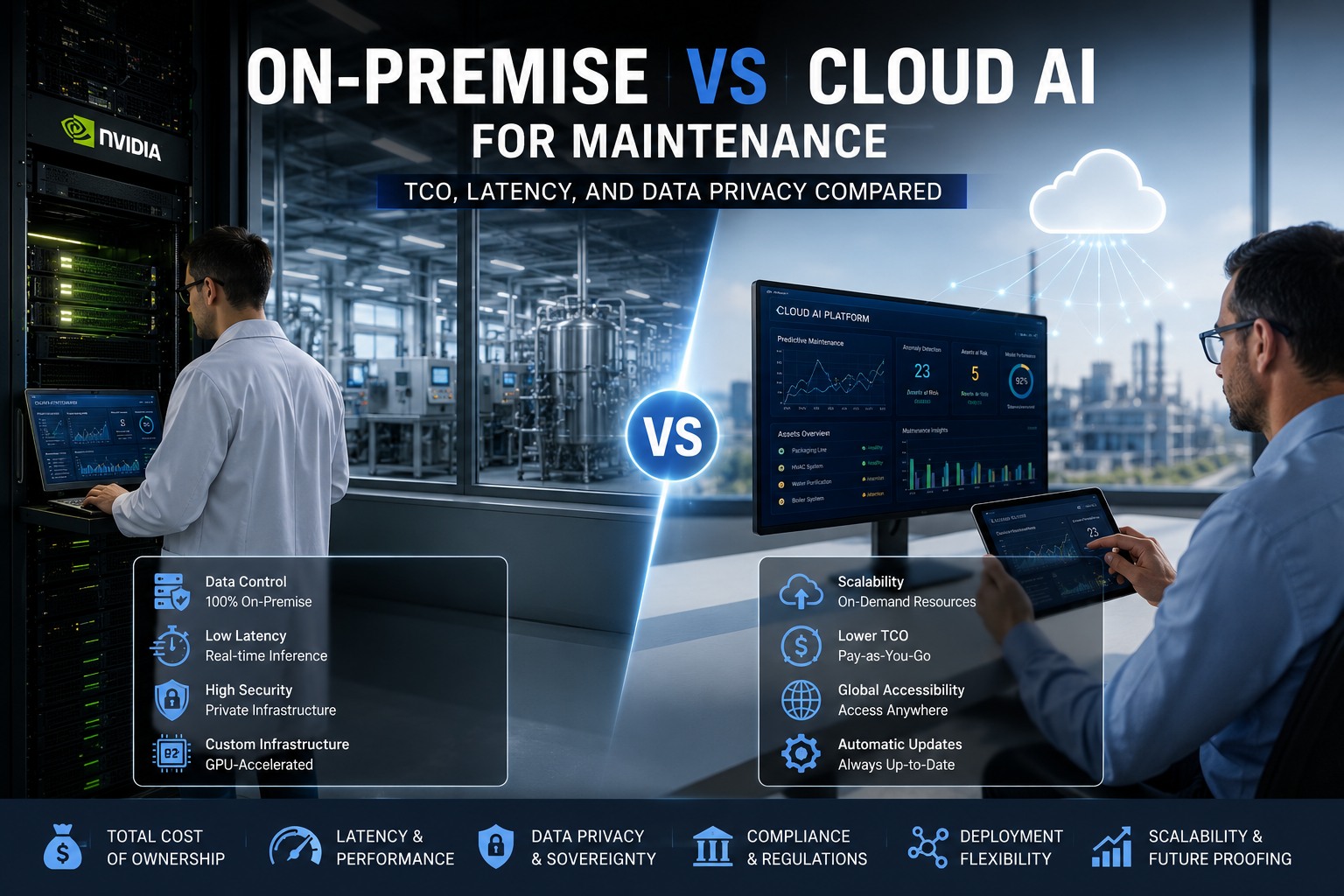
Facility managers in 2026 are no longer asking whether AI belongs in building operations — they are asking which deployment model fits their infrastructure, their compliance requirements, and their budget. On-premises AI keeps sensitive BMS data behind your firewall. Cloud AI gives you fleet-wide intelligence without a server room. The wrong choice costs you months of wasted integration work. The right choice transforms your HVAC, lighting, access, and energy systems into a self-optimizing portfolio. This guide gives you the framework to decide.
38%
Energy Waste Eliminated
AI-optimized HVAC vs. fixed schedules in commercial buildings
4.8x
Emergency Repair Cost
What reactive maintenance costs vs. AI-planned preventive work
$0.31/sqft
Annual Energy Savings
Median result from AI energy optimization across large CRE portfolios
62%
Faster Fault Detection
AI BMS fault detection vs. manual inspection cycles
MAY 12, 2026 5:30 PM EST , Orlando
Upcoming Oxmaint AI Live Webinar — Deploy Facility AI in 14 Days: On-Prem or Cloud
Join the Oxmaint team to see how facility managers are connecting BMS data to predictive work orders, HVAC optimization, and 10-year CapEx forecasts — without replacing their existing infrastructure.
AI for facility management is the application of machine learning, anomaly detection, and predictive analytics to building systems — HVAC, electrical, lighting, elevators, fire safety, access control — so those systems self-optimize and self-report instead of waiting for a technician to find a problem. It connects your BMS data to an intelligence layer that learns normal operating baselines, flags deviations before they become failures, and generates work orders automatically. The outcome is a building that runs leaner, costs less to operate, and breaks down less often. Talk to an Oxmaint facility AI specialist — book a 30-minute demo.
Predictive Fault Detection
AI identifies anomalies in BMS data — temperature drift, pressure drops, vibration spikes — before they escalate into equipment failures.
Autonomous HVAC Scheduling
AI learns occupancy patterns, weather data, and utility rate structures to run HVAC at minimum cost without sacrificing comfort SLAs.
BMS Integration Layer
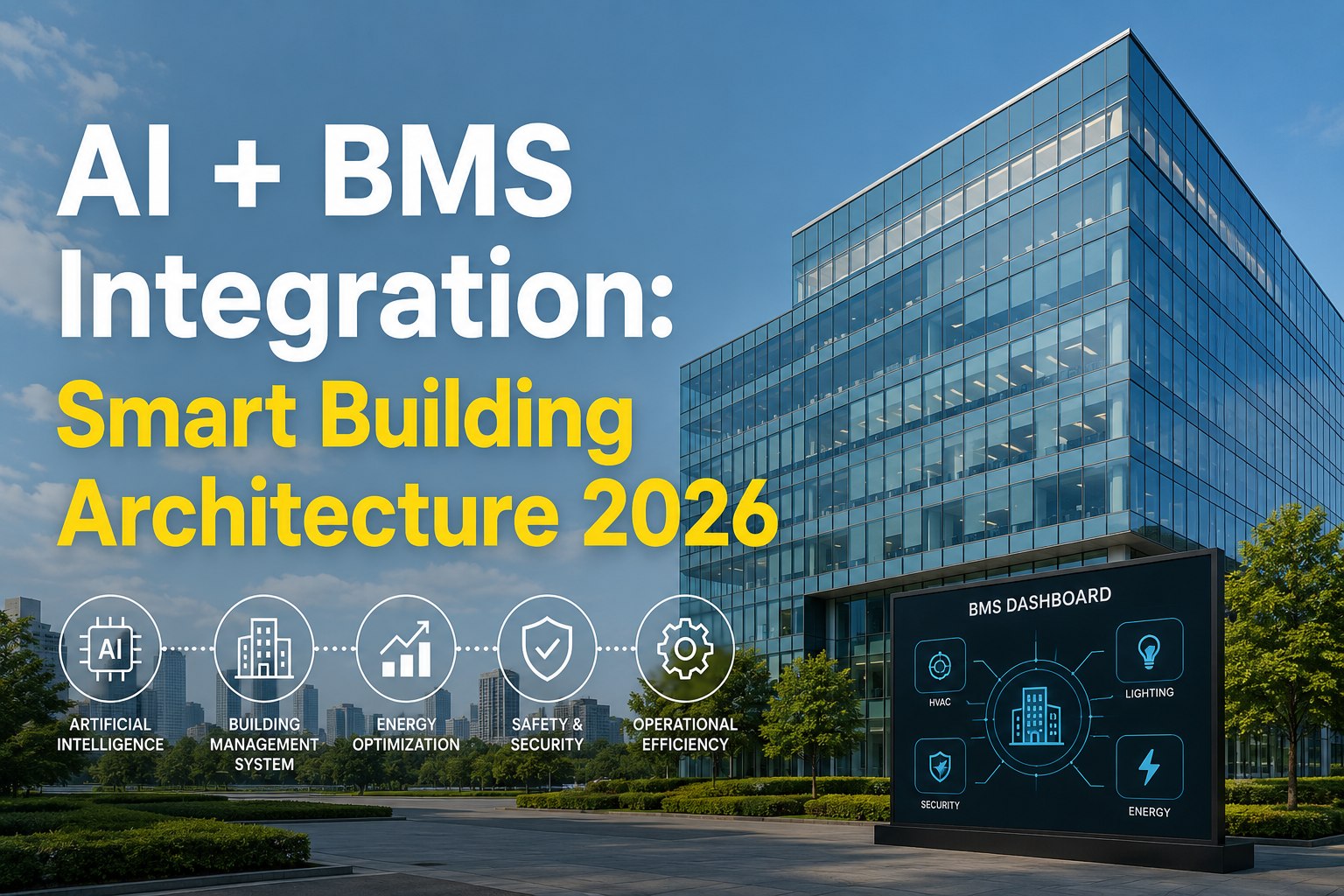
Connects to Siemens Desigo, Johnson Controls Metasys, Honeywell, Schneider EcoStruxure, and other platforms via BACnet, Modbus, and open APIs.
Energy Optimization Engine
Correlates energy consumption with asset runtime, occupancy load, and tariff windows to cut utility spend without touching comfort settings.
Portfolio-Level Reporting
Aggregates KPIs — energy intensity, fault frequency, PM compliance, CapEx forecast — across all properties in a single dashboard view.
Work Order Automation
Sensor anomaly to fully populated, routed, and dispatched work order in under 60 seconds — no planner input required for 73% of routine faults.
Teams respond to failures after they happen. Emergency repairs cost 4.8x more than planned work. The cycle never breaks without a data layer that sees faults before they surface.
02
Siloed BMS Data Across Properties
Each building runs its own BMS with no cross-property view. Portfolio managers cannot benchmark energy intensity or fault frequency across sites without manually pulling exports.
03
HVAC Running on Fixed Schedules
Conditioning empty floors on weekends. Running at full capacity during mild weather. Fixed schedules waste 20–38% of HVAC energy spend because they ignore occupancy and climate data.
04
No Visibility Into Asset Remaining Life
CapEx decisions made on instinct or on equipment age alone. Without condition scoring and runtime data, asset replacement budgets are guesswork — and surprises blow capital plans.
05
Compliance Documentation Gaps
In the USA (OSHA), UK (Building Safety Act), and Germany, inspections must be audit-ready. Paper logs and spreadsheet records fail audits — and the liability exposure is significant.
06
Cloud Hesitation for Sensitive Building Data
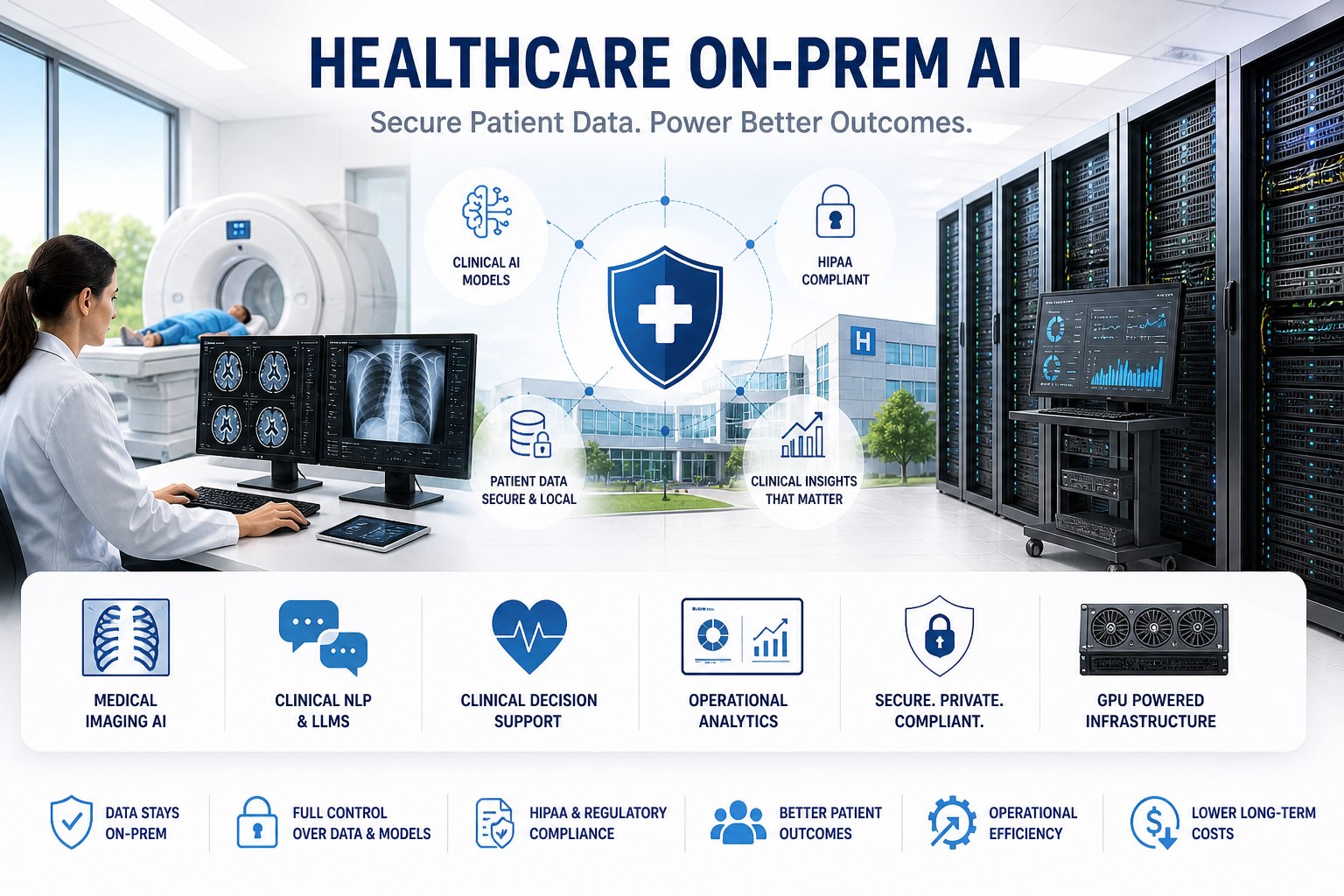
Healthcare campuses, government buildings, and data centers cannot route BMS data through third-party cloud. On-prem AI is required — but most platforms don't offer it.
BACnet, Modbus, OPC-UA, MQTT, and direct API connectors for Siemens, JCI, Honeywell, and Schneider. No rip-and-replace — Oxmaint reads your existing BMS data.
HVAC AI
Occupancy-Driven HVAC Optimization
Machine learning on occupancy sensor data, weather APIs, and utility tariff windows. Average 22–38% reduction in HVAC energy spend without changing comfort setpoints.
Predictive Maintenance
Fault Detection Before Equipment Fails
Anomaly detection across 200+ equipment types. Vibration, temperature, current draw, and pressure baselines monitored continuously. Alerts 14–30 days before failure in 78% of cases.
Asset Intelligence
Full Asset Registry With Condition Scoring
Every piece of equipment scored on condition, risk, and remaining useful life. Portfolio > Property > System > Asset > Component hierarchy built for multi-site operations.
CapEx Forecasting
Rolling 5–10 Year Replacement Models
AI-generated CapEx forecasts based on condition scores, failure probability, and historical cost data. Investor-grade reports out of the box — no spreadsheet assembly required.
Compliance Ready
Audit-Ready Digital Documentation
Digital signatures, timestamped inspection records, and GMP-compliant documentation across all work orders. Audit-ready from day one in USA, UK, UAE, and Germany.
Your Building Is Generating Data. Are You Using It?
Every BMS in your portfolio produces thousands of data points per hour. Oxmaint turns that signal into predictive work orders, energy savings, and CapEx forecasts — without a 6-month implementation project.
AI occupancy scheduling vs. fixed time-of-day programs
60%
Faster Mean Time to Repair
Sensor-triggered WO vs. manual fault discovery
78%
Equipment Failures Predicted
Caught 14–30 days before failure event
14 Days
To Live Deployment
Cloud deployment — first AI-generated work orders in week one
Compliance Context by Region
USA
OSHA, EPA energy reporting, aging CRE infrastructure. Cloud AI preferred for portfolio scale.
UK
Building Safety Act 2022, NHS estates compliance. On-prem AI for regulated healthcare settings.
UAE
Vision 2030 smart building mandates. Cloud AI aligns with rapid deployment requirements.
Australia
High labor costs make preventive AI ROI exceptionally strong. Cloud scales across dispersed sites.
Germany
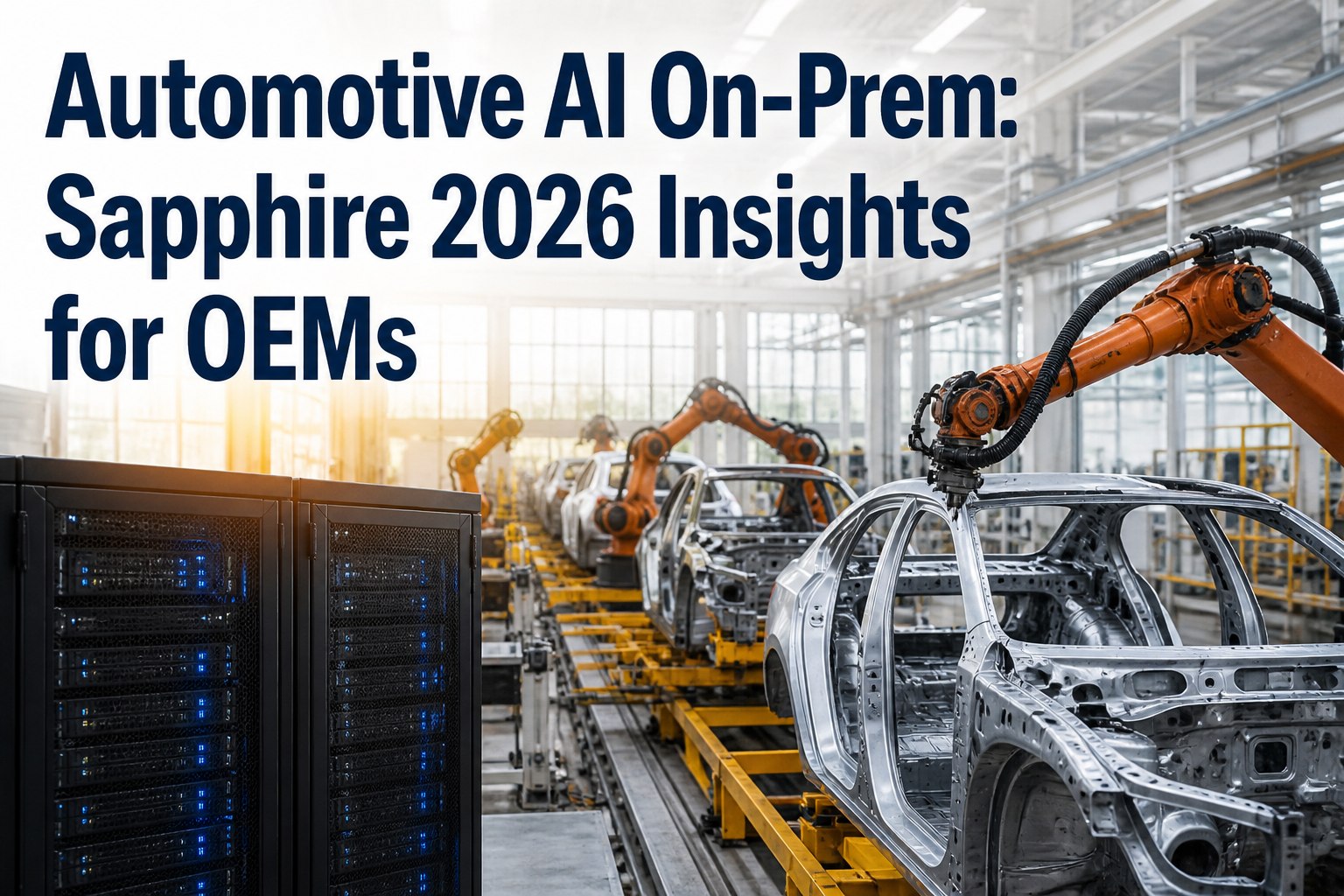
Strict Betriebssicherheitsverordnung requirements. On-prem AI for manufacturing and industrial facilities.
Canada
Provincial energy benchmarking mandates. Cloud AI for cross-property energy comparison reporting.
Frequently Asked Questions
What BMS platforms does Oxmaint integrate with out of the box?
Oxmaint connects to all major building management systems through standard industrial protocols. BACnet IP and MS/TP cover the majority of HVAC and building automation systems including Siemens Desigo CC, Johnson Controls Metasys, Honeywell Building Manager, and Schneider Electric EcoStruxure Building. Modbus TCP and RTU integration covers legacy equipment and electrical sub-metering. OPC-UA connects to Siemens SIMATIC and other process control platforms. For systems without a standard protocol, Oxmaint's API gateway accepts JSON data pushes from any BMS capable of HTTP output. On average, facilities are fully connected and generating predictive alerts within 14 days of kickoff — without replacing any existing BMS hardware.
Can Oxmaint run on-premises for buildings with strict data governance requirements?
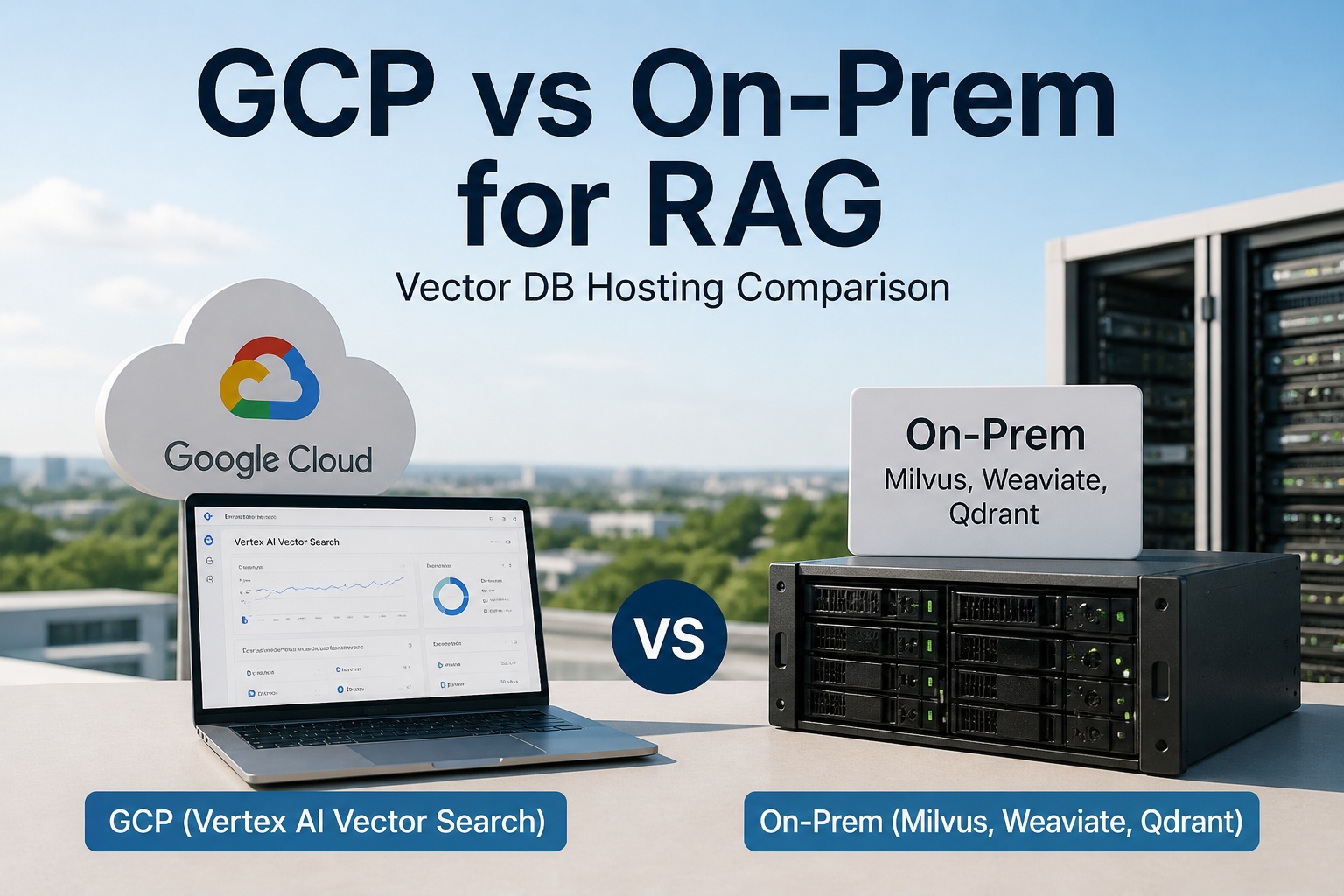
Yes. Oxmaint supports on-premises deployment for regulated environments where BMS data cannot leave the building network — healthcare campuses, government facilities, data centers, and defense-adjacent properties. The on-prem deployment runs the same AI engine as the cloud version, including predictive fault detection, HVAC optimization, automated work order generation, and CapEx forecasting. The difference is that all data processing occurs on your infrastructure, with no data routed to external servers. On-prem deployments typically require 4–8 weeks for server provisioning and configuration, compared to 14 days for cloud. Oxmaint's implementation team handles the full setup with your IT group.
How does AI HVAC optimization actually save energy without affecting occupant comfort?
Oxmaint's HVAC AI operates on three data inputs simultaneously: occupancy sensor data (how many people are actually in each zone, not just scheduled to be), weather API data (current and 24-hour forecast), and utility tariff data (time-of-use rates and demand charge windows). The model learns the thermal mass characteristics of each zone over 2–4 weeks of baseline operation, then begins pre-conditioning spaces based on predicted occupancy rather than fixed start times. Empty floors stop being conditioned to full setpoint. Mild weather days trigger setback mode automatically. Peak demand periods trigger load-shifting to avoid demand charge spikes. Comfort setpoints are never violated — the AI optimizes how energy is used to hit those setpoints, not whether they are hit. The average outcome is 22–38% HVAC energy reduction with zero comfort complaints.
What does the CapEx forecasting feature actually produce, and who uses it?
Oxmaint generates rolling 5–10 year CapEx replacement forecasts for every asset in the registry based on three inputs: current condition score (derived from sensor data and inspection results), estimated remaining useful life (calculated from runtime hours, failure history, and manufacturer lifecycle data), and replacement cost benchmarks (built-in by asset category, adjustable for local labor and equipment costs). The output is a year-by-year forecast of expected replacement expenditures across the portfolio, ranked by urgency and risk. This report is used by three audiences: facility and maintenance managers for annual budget planning, VP-level operations and asset management teams for capital allocation decisions, and property investors and ownership groups for portfolio valuation and reserve fund assessments. Most users export directly to board-level presentations without reformatting.
Built for Facility Teams Managing Real Buildings
Deploy Facility AI in 14 Days — Cloud or On-Prem
Oxmaint connects to your existing BMS, generates predictive work orders from sensor data, optimizes HVAC energy spend automatically, and gives your ownership group the CapEx forecasts they need — without replacing your infrastructure or hiring a systems integrator.