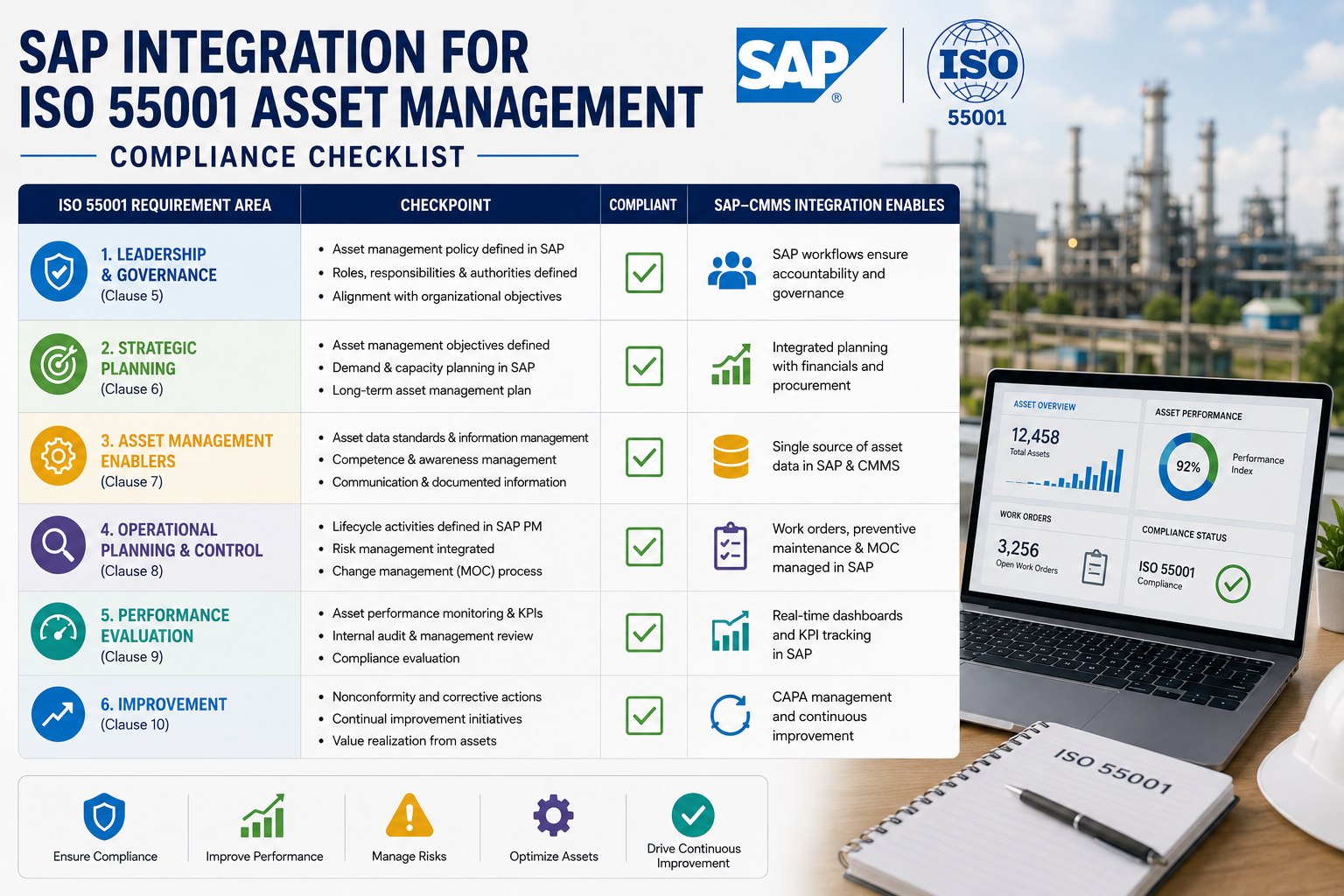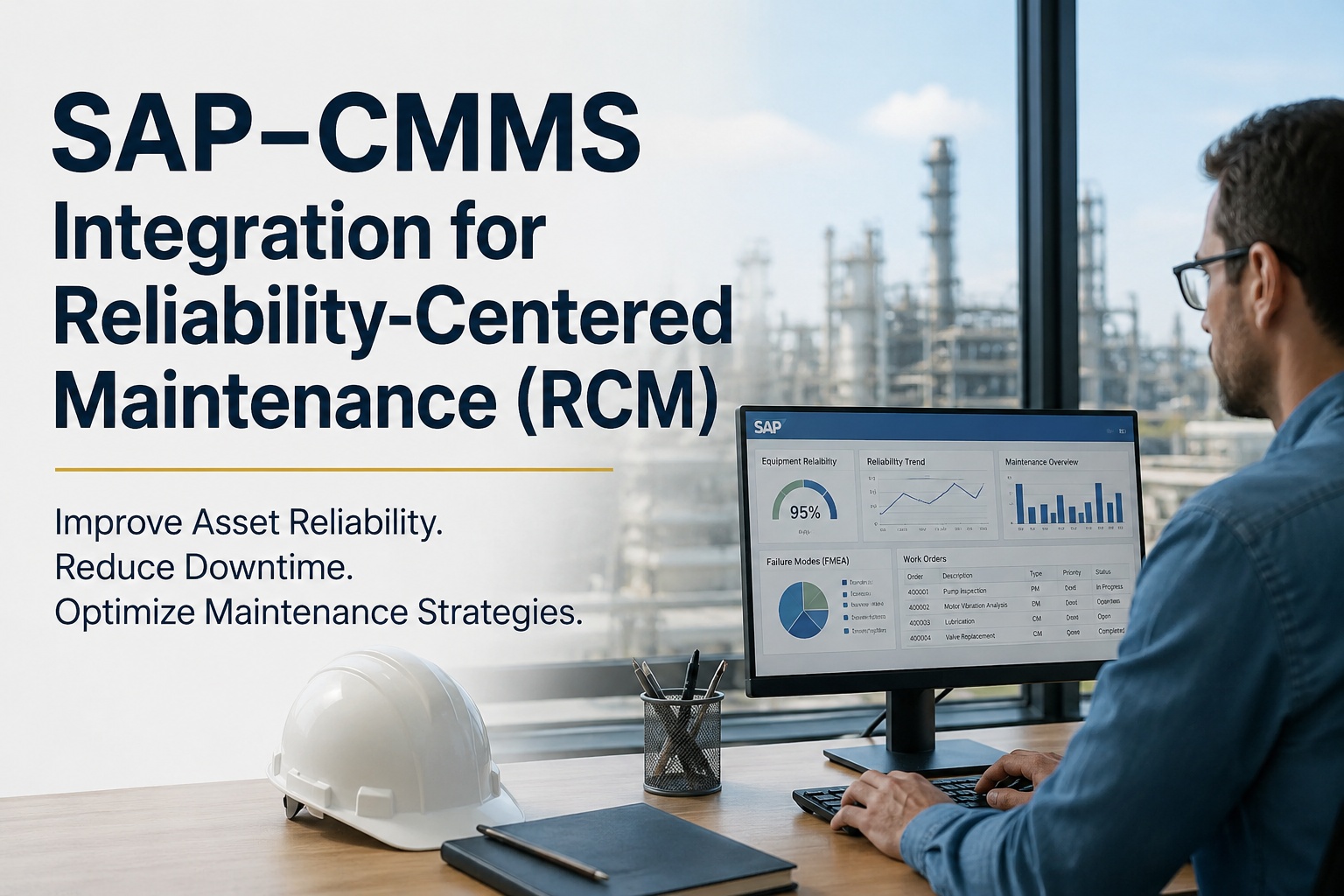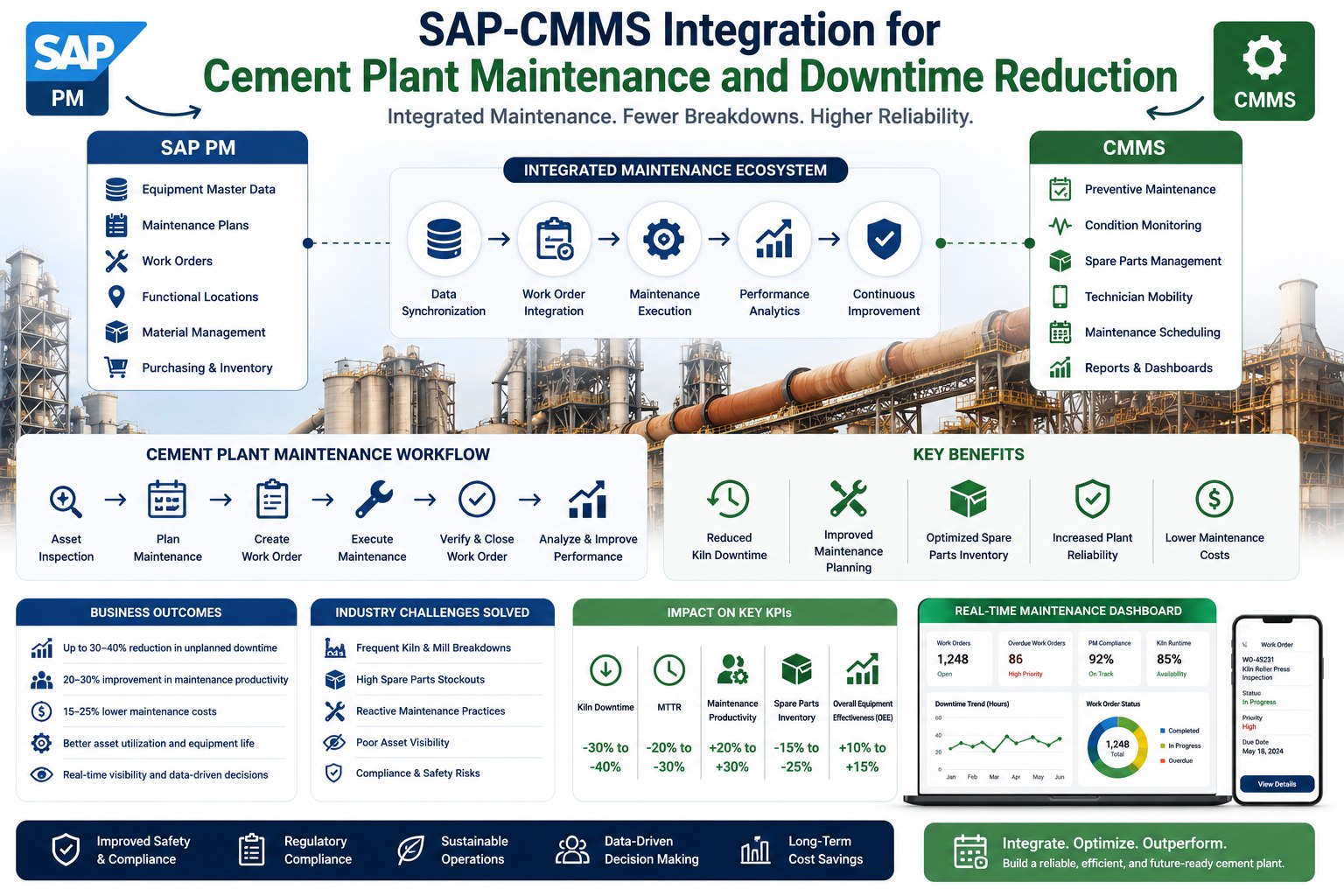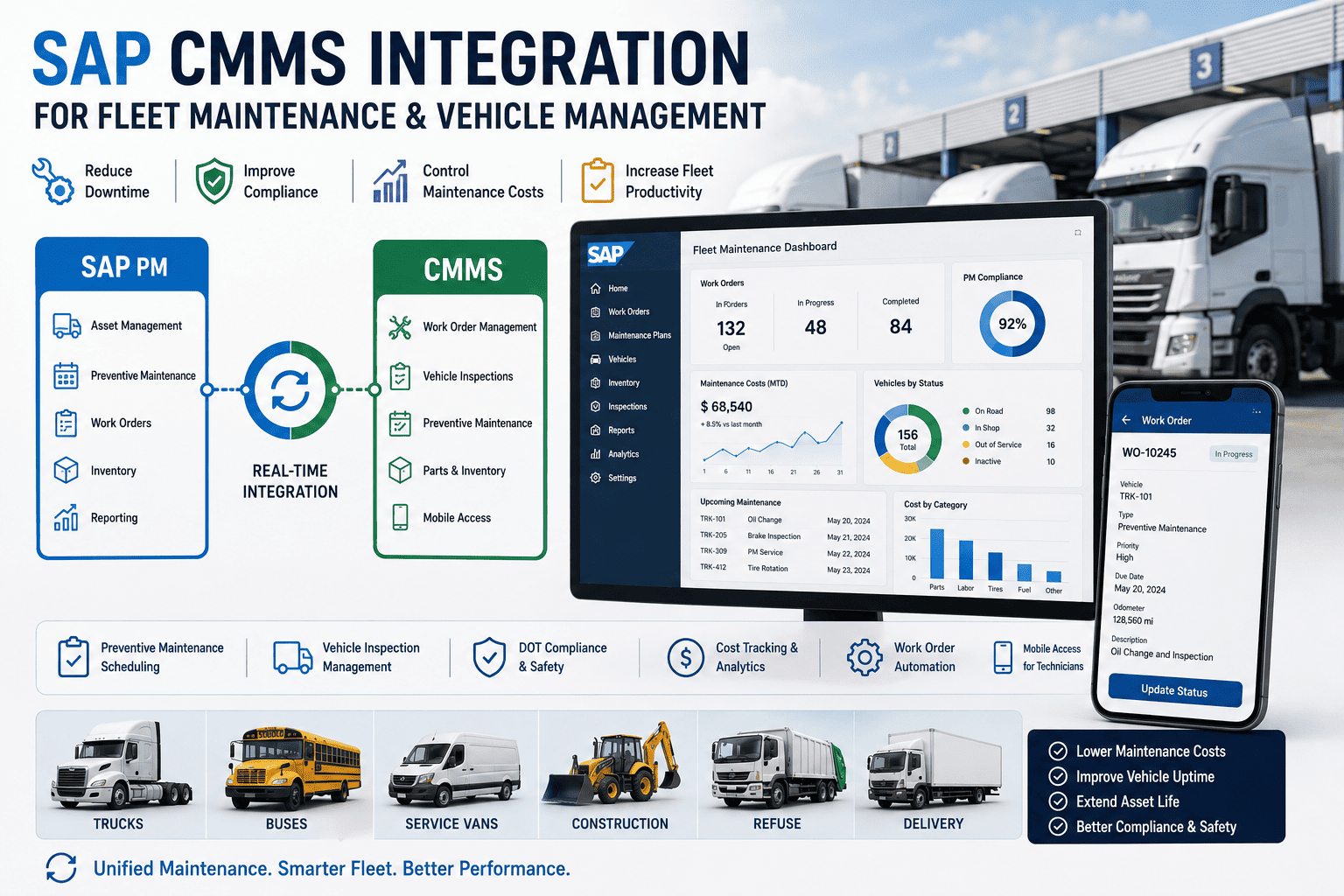
Your SAP system knows what every vehicle costs to run. Your maintenance team knows which vehicles are about to break down. The problem? Those two truths rarely live in the same place—so finance sees invoices weeks late, PMs collide with dispatched loads, and DOT inspections slip through. Integrating SAP with your CMMS closes that gap, turning scattered data into one automated engine that keeps trucks rolling and auditors satisfied. See it on your own fleet—book a free demo to walk through the integration.
Why SAP Alone Isn't Enough for Fleet Maintenance
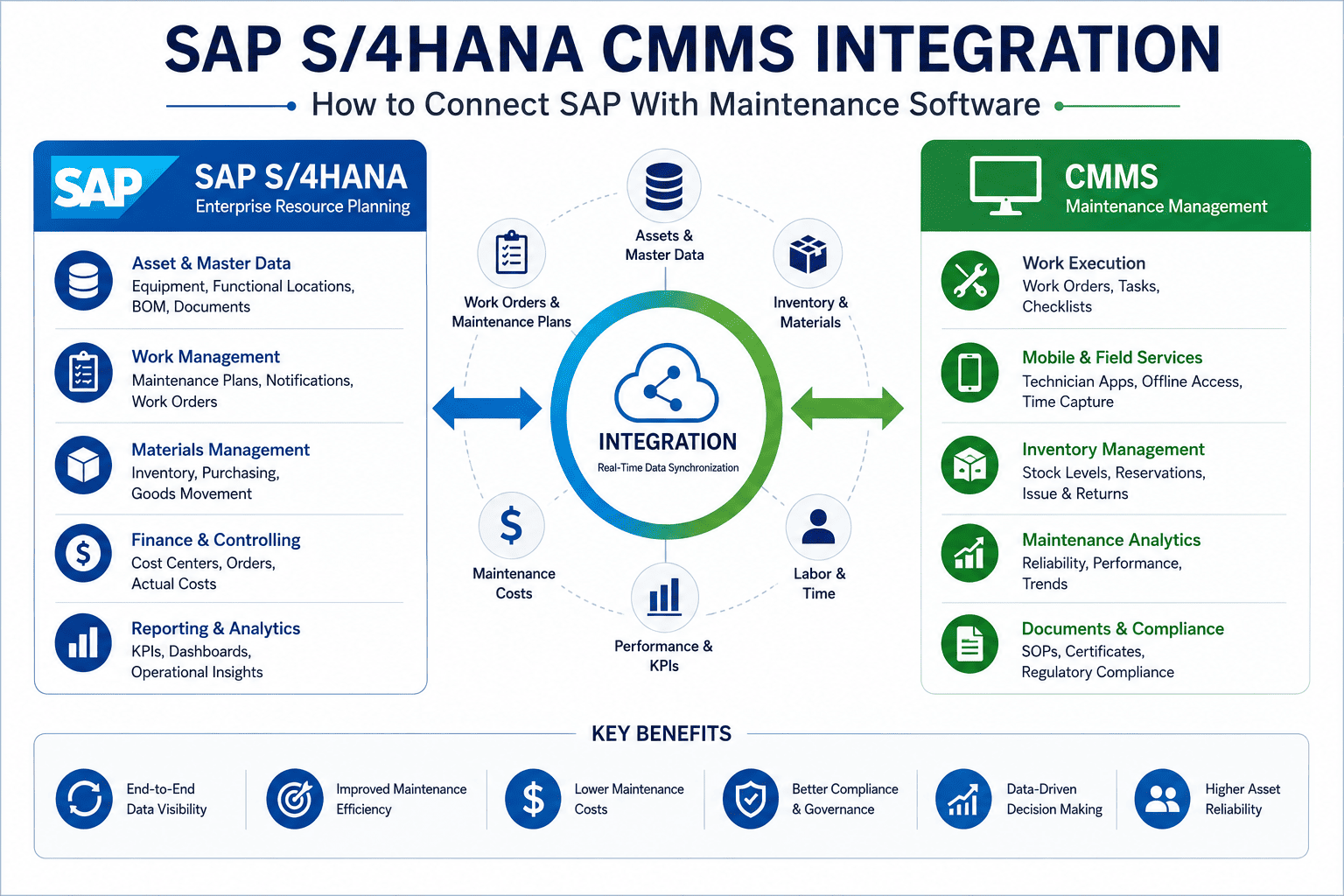
SAP Plant Maintenance (PM) and Materials Management (MM) are powerful at what they were built for: financial posting, procurement, and enterprise-wide asset accounting. But fleets are a different animal. A truck isn't a fixed asset bolted to a factory floor—it moves, it logs miles, it fails on the roadside, and it carries legal inspection obligations that a balance sheet doesn't capture. Operating maintenance entirely inside SAP PM is technically possible, but it tends to mean clunky mobile experiences for technicians, heavy customization, and expensive consultants. Detailed operational data—walk-around checklists, odometer-triggered service intervals, driver-reported defects—belongs in a purpose-built CMMS, while cost and procurement truth belongs in SAP. The smart move isn't choosing one. It's connecting both so each does what it does best.
- Maintenance cost posting to the right cost center
- Parts procurement and vendor contracts
- Fleet-wide budget and TCO reporting
- Warranty and capital depreciation tracking
- Financial visibility for route planners
- Odometer and engine-hour service triggers
- Mobile work orders and digital inspections
- DVIRs and DOT-ready compliance records
- Technician scheduling around dispatch
- Vehicle health scores and PM histories
How the SAP–CMMS Integration Actually Flows
The connection isn't a single pipe—it's a continuous loop. Vehicle master data and parts inventory flow from SAP into the CMMS so technicians always work from accurate records. Maintenance activity, labor, and parts consumption flow back into SAP so finance sees real costs the moment work is closed. No double entry. No month-end reconciliation scramble. Here's the data moving through each stage of a real maintenance event.
That closed loop is where the real payoff lives. Fleet managers ready to map this flow against their own SAP landscape can sign up free to model the integration before committing a single consulting hour. The architecture scales whether you run 30 vans or 800 long-haul tractors.
Turning Integration Into DOT Compliance That Holds Up
Compliance is where the integration earns its keep under pressure. In 2025, FMCSA compliance reviews intensified—auditors averaged six violations per carrier, penalties averaged over $7,000 per violation, and only a small fraction of carriers passed clean. The 2026 CSA overhaul split Vehicle Maintenance into two scoring categories and shortened the violation window to 12 months, meaning a fleet that documents consistently can reset a poor percentile entirely. An integrated CMMS makes that documentation automatic: every inspection, repair, and odometer reading is captured digitally, retained for the required period, and instantly retrievable when an auditor knocks.
The Phased Rollout That Actually Works
The biggest integration mistake is trying to push everything into SAP at once. Scope creep—"let's put GPS coordinates and driver scores in there too"—creates performance nightmares and adds no business value. The proven path is phased: start where the CFO sees immediate value, then expand only when a clear case emerges. Less integration is often better integration.
The Numbers Behind the Switch
Moving from reactive, siloed maintenance to integrated, predictive operations isn't a soft benefit—it shows up directly on the cost-per-mile line. Fleets that adopt connected, data-driven maintenance consistently report fewer breakdowns, lower spend, and dramatically better uptime. Here's how the two operating models compare across the metrics that decide whether a fleet is profitable.
| What Changes | Siloed Systems | SAP + CMMS Integrated |
|---|---|---|
| Cost Visibility | Weeks late, month-end | Real-time, automatic |
| Preventable Breakdowns | High — 78% of downtime | Cut by up to 30–40% |
| DOT Audit Readiness | Manual scramble | Always export-ready |
| Data Entry | Double, error-prone | Single, synced |
| Repair Cost per Event | 3–9x higher (reactive) | Planned & optimized |
| Maintenance Spend | Budget overruns | Reduced up to 25% |
For fleets running on thin margins, those shifts compound fast. A single prevented roadside failure on a 50-truck fleet can justify months of platform investment. Operations leaders evaluating the move can sign up free to run the numbers against their own utilization and downtime data.
Expert Perspective: What Separates Fleets That Win
The fleets pulling ahead aren't the ones with the newest trucks—they're the ones where finance and the shop floor finally see the same vehicle data at the same time. When a dispatcher knows a truck is due for a brake inspection before they commit it to a 14-hour run, and finance knows the real cost of keeping a high-maintenance asset on the road, you stop firefighting and start managing. Integration is what turns maintenance from a cost center into a competitive edge.
Getting Started Without Boiling the Ocean
You don't need a year-long enterprise project to begin. Start by mapping your highest-risk assets—the trucks whose downtime cascades through your whole operation—and connect master data and cost posting first. That alone delivers visible CFO value and cleaner compliance within weeks. Teams can sign up free to start with their critical assets and expand to inventory and procurement once the foundation proves itself. The fleets that succeed treat integration as a phased journey, not a big-bang event, and they let early wins fund the next step.
The gap between knowing what a vehicle costs and knowing when it will fail is exactly where fleet profitability leaks away. Closing that gap with a connected SAP and CMMS system is one of the highest-return moves a transportation operation can make—and it gets easier every quarter you wait less. Teams ready to see it working on real fleet data can book a free demo to walk through their scenario with someone who has done it before.