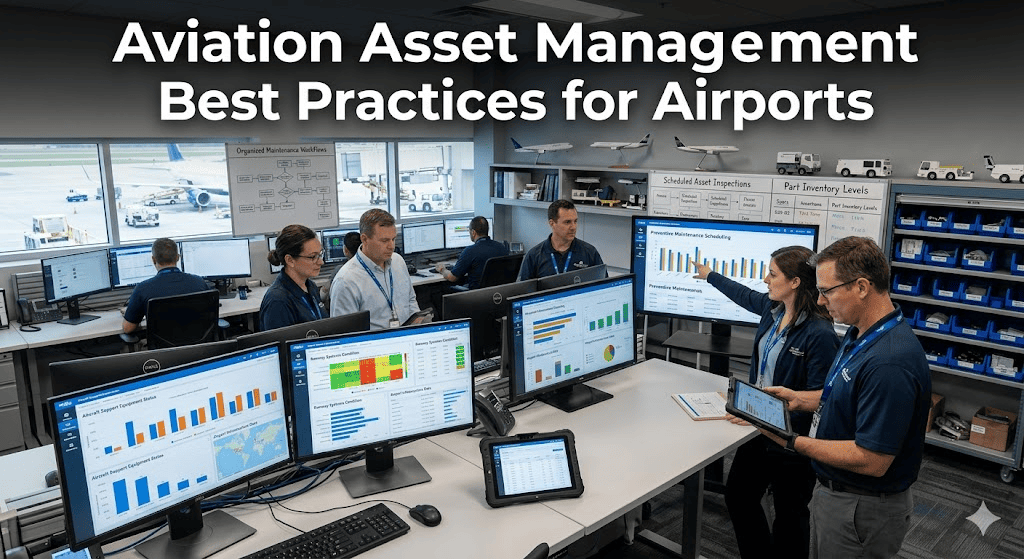
A single broken jet bridge at Gate 47 delays 340 passengers for 90 minutes. Meanwhile, three baggage conveyor motors show early warning signs that nobody notices. Two HVAC units in Terminal B run 18% less efficiently than spec, draining $12,000 monthly in excess energy costs. And somewhere in the maintenance office, a spreadsheet tracking 10,847 assets sits three weeks outdated—because the technician responsible for updates just retired. This is the reality at airports without enterprise asset management strategy. The chaos isn't dramatic; it's incremental, invisible, and devastatingly expensive.
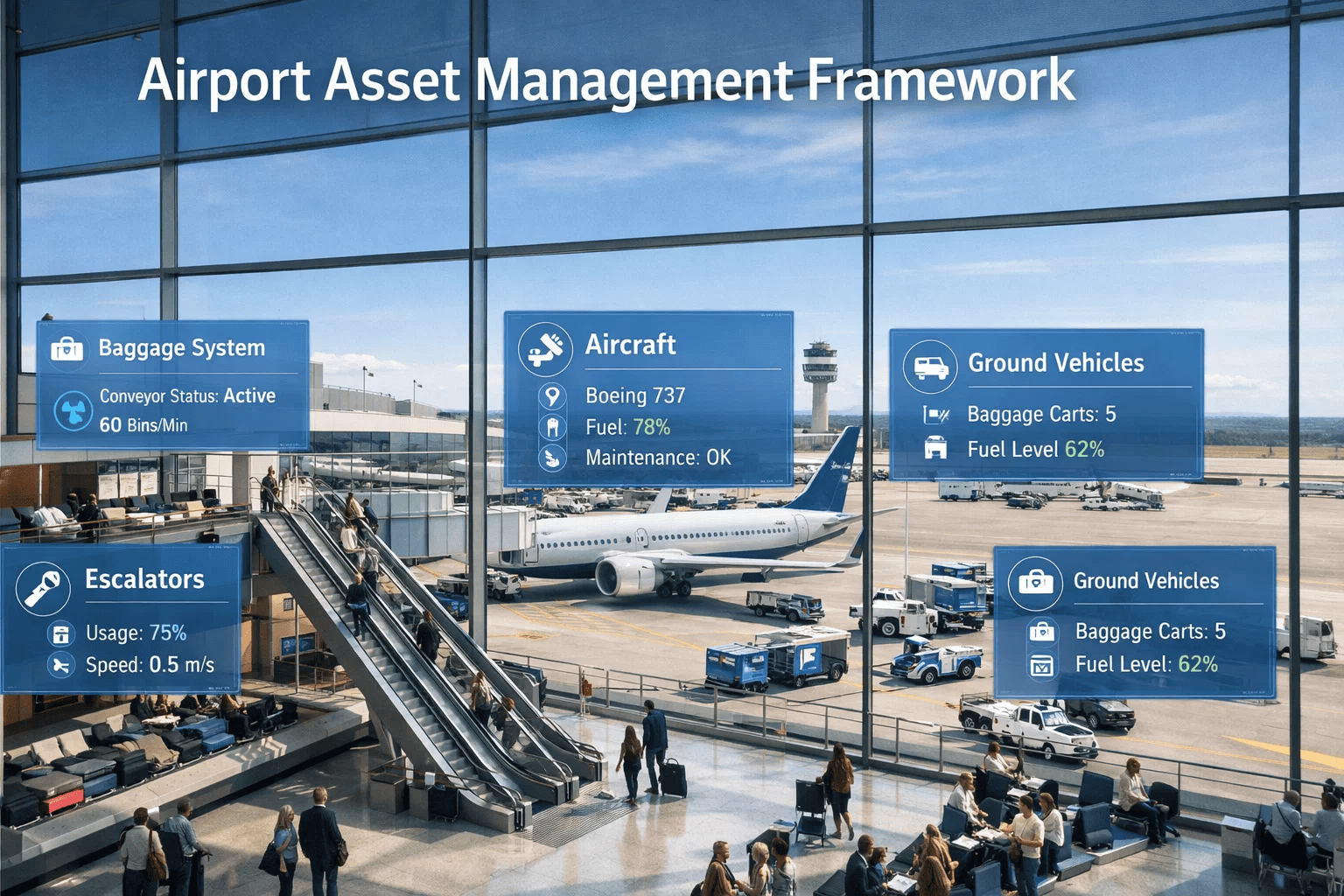
International airports manage staggering asset portfolios—terminals spanning millions of square feet, hundreds of ground support vehicles, thousands of HVAC components, lighting systems, security equipment, and specialized aviation infrastructure. The global airport asset management market reached $8.1 billion in 2024 and is projected to hit $17.6 billion by 2033, growing at 9.1% CAGR. This explosive growth reflects a fundamental shift: airports are recognizing that managing 10,000+ assets requires more than spreadsheets and tribal knowledge. Forward-thinking aviation operations teams are already capturing these benefits—schedule a consultation to explore how Oxmaint transforms complex asset portfolios into strategic advantages.
$17.6B
Airport asset management market by 2033
9.1%
Annual market growth rate (CAGR)
62%
Revenue from immovable assets (runways, terminals)
48%
Market share held by software solutions
The Airport Asset Universe: What You're Actually Managing
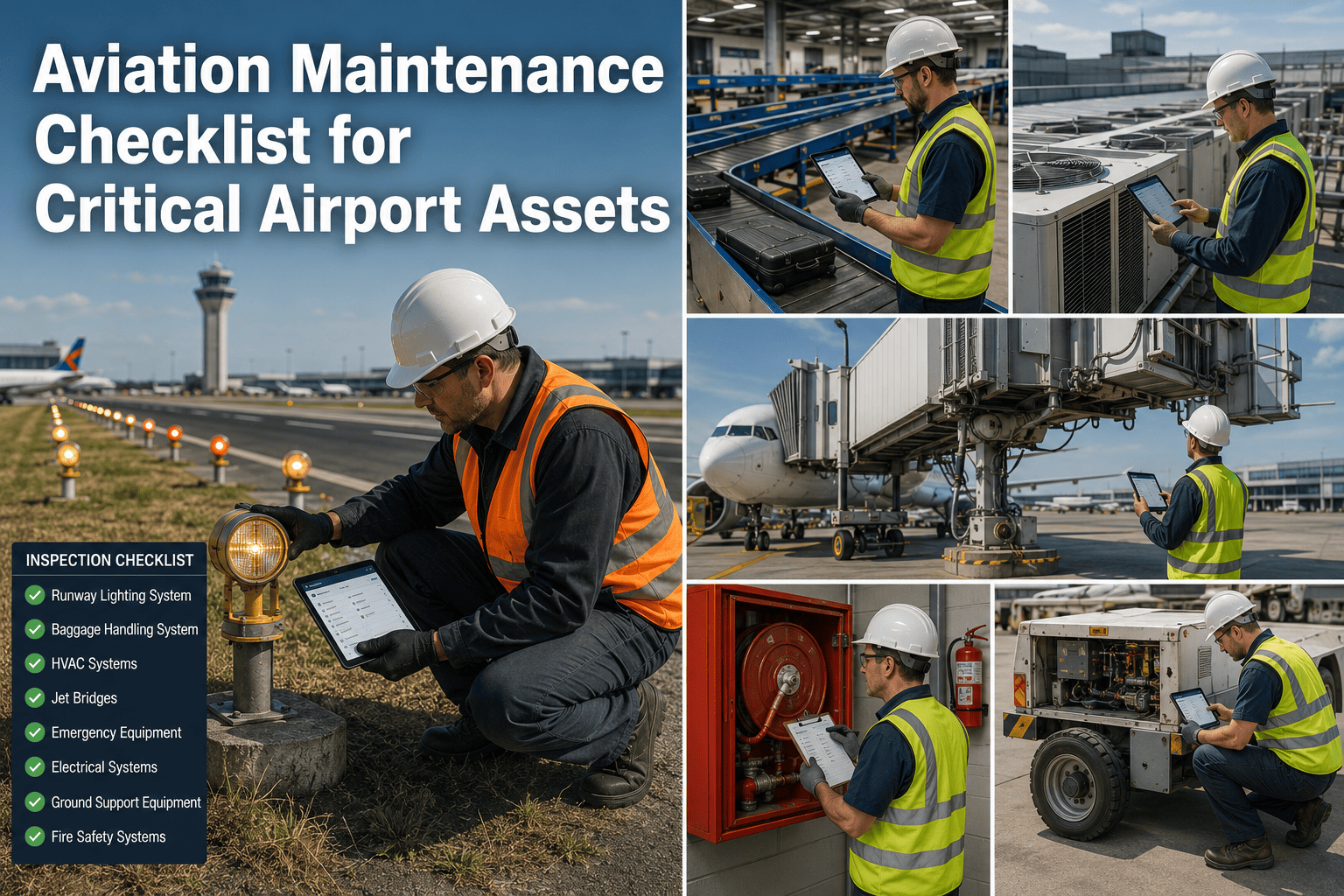
Before building a management strategy, airports must understand the full scope of their asset portfolio. The complexity isn't just in numbers—it's in diversity. An international airport operates assets ranging from multi-billion-dollar terminal buildings to $200 wheel chocks, from mission-critical runway lighting to break room refrigerators. Each category demands different management approaches, maintenance intervals, compliance requirements, and replacement strategies.
Airfield Infrastructure
Runways & Taxiways
Pavement surfaces, markings, signage, lighting systems, ILS components, PAPI systems
Airfield Lighting
Edge lights, centerline lights, threshold lights, approach lighting, taxiway guidance signs
Navigation Aids
Radar systems, VOR/DME, glide slope transmitters, localizers, weather stations
Terminal Facilities
Building Systems
HVAC, electrical distribution, plumbing, fire suppression, elevators, escalators
Passenger Processing
Check-in kiosks, security screening equipment, boarding gates, jet bridges, PA systems
Baggage Systems
Conveyors, sortation systems, screening equipment, carousels, BHS control systems
Ground Support Equipment
Aircraft Servicing
Pushback tugs, belt loaders, GPUs, air start units, de-icing trucks, lavatory service vehicles
Cargo & Baggage
Baggage tractors, cargo loaders, container dollies, pallet transporters, forklifts
Passenger Transport
Apron buses, passenger stairs, mobile lounges, crew transport vehicles
Support Infrastructure
Safety & Security
ARFF vehicles, ambulances, perimeter fencing, CCTV systems, access control
Utilities
Fuel hydrant systems, central plant equipment, substations, backup generators
Landside Facilities
Parking structures, roadways, rental car facilities, people movers, signage
Building Your Asset Management Strategy
Effective enterprise asset management isn't about tracking everything equally—it's about applying the right level of attention to each asset based on criticality, cost, and compliance requirements. McKinsey research confirms airports should prioritize systems where failures cause the most disruption, then expand systematically. The strategic approach balances proactive investment with practical resource constraints.
01
Asset Criticality Analysis
Not all assets deserve equal attention. Rank every asset by operational impact, safety implications, and revenue dependency. A failed baggage carousel costs more than a broken water fountain—your management intensity should reflect this reality.
Define Tier 1 (mission-critical), Tier 2 (important), and Tier 3 (support) classifications
02
Lifecycle Cost Optimization
Purchase price is just 15-25% of total ownership cost. Factor maintenance, energy consumption, parts availability, and disposal costs into every acquisition decision. Track actual lifecycle costs to improve future procurement.
Implement total cost of ownership tracking for all Tier 1 and Tier 2 assets
03
Data-Driven Maintenance
Move beyond calendar-based schedules to condition-based and predictive approaches. Use IoT sensors, inspection data, and failure history to optimize maintenance timing—reducing both premature replacements and unexpected failures.
Deploy condition monitoring on top 20% of assets that drive 80% of downtime risk
04
Digital Integration
Connect asset data across departments—operations, maintenance, finance, and procurement. Break down silos that cause duplicate purchases, missed maintenance, and uninformed replacement decisions.
Implement unified CMMS/EAM platform with cross-functional visibility
The implementation sequence matters. Airports that try to instrument everything simultaneously typically fail. Those that focus on high-impact systems first build momentum, expertise, and business cases for expansion. Start with baggage handling, HVAC, and vertical transportation—these systems have clear degradation signatures, high repair costs, and significant operational impact when they fail. Curious how this approach applies to your specific environment? Book a strategy session with our aviation maintenance specialists.
Ready to Transform Your Asset Management Strategy?
Join airports worldwide using Oxmaint's unified platform to manage complex asset portfolios with precision and intelligence.
Digital Transformation: From Spreadsheets to Smart Systems
The airport digital twin market reached $2.1 billion in 2024 and is projected to hit $11.7 billion by 2033—a 20.7% CAGR that signals a fundamental shift in how airports manage physical assets. Digital transformation isn't about replacing proven maintenance practices; it's about amplifying them with real-time visibility, predictive analytics, and automated workflows that turn data into decisions.
Sensing Layer
IoT Sensors
Vibration, temperature, pressure, and current monitoring on critical equipment
RFID/GPS Tracking
Real-time location and status of mobile assets like GSE and baggage carts
BMS Integration
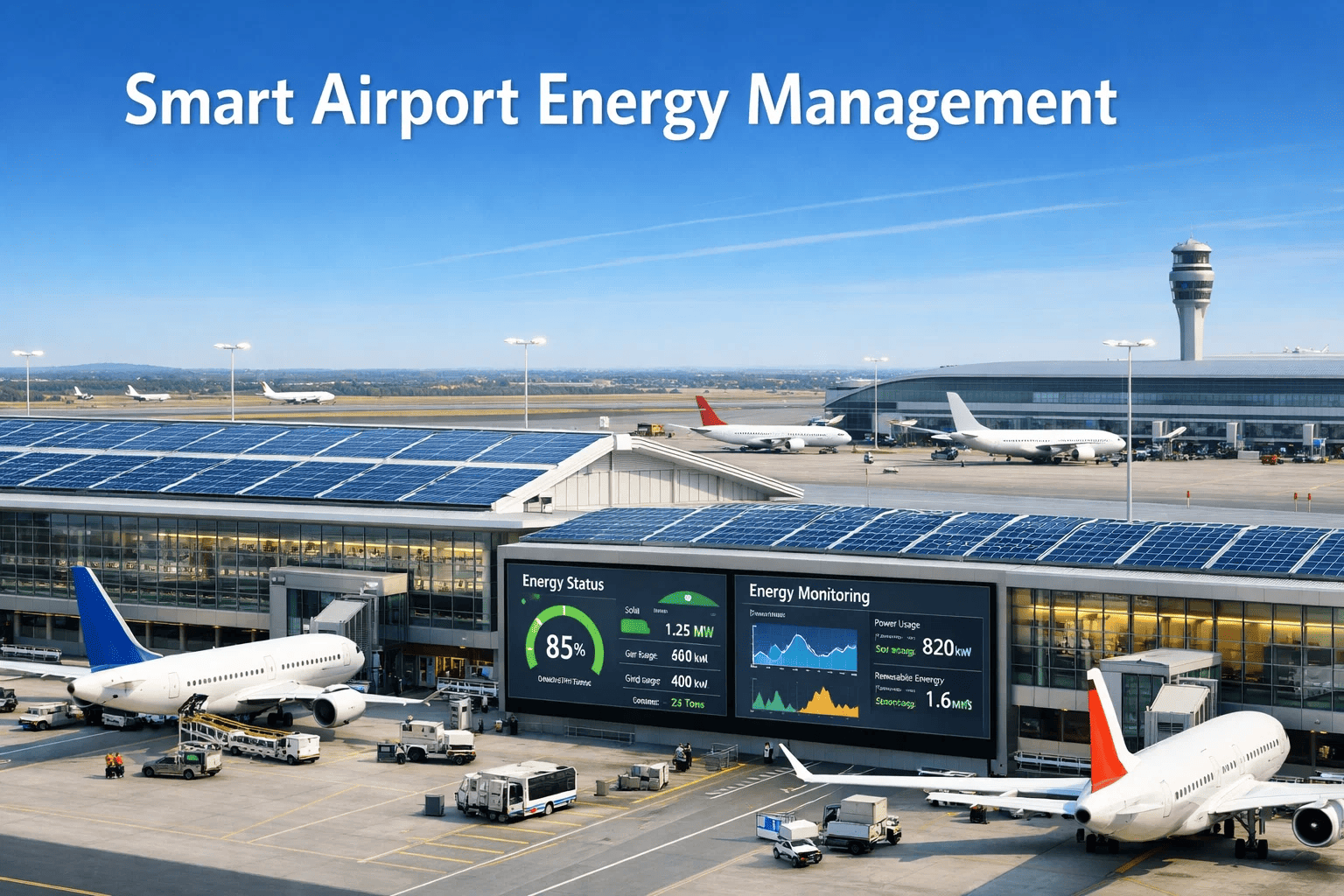
Building management system data for HVAC, lighting, and energy monitoring
Platform Layer
CMMS/EAM System
Centralized work order management, asset registry, and maintenance scheduling
Digital Twin
Virtual representation of physical assets for simulation and scenario planning
Analytics Engine
AI-powered failure prediction and maintenance optimization algorithms
Action Layer
Automated Work Orders
System-generated tasks triggered by sensor alerts or schedule rules
Mobile Workforce
Technician apps for real-time updates, documentation, and parts requests
Executive Dashboards
KPI visualization for asset health, compliance status, and budget tracking
Sydney Airport demonstrated the tangible ROI of digital asset management: over 5,000 hours saved annually across a team of 200 users, with data audit time reduced by 58%—translating to roughly $650,000 in annual savings for just one team. Another major airport achieved 20-30% efficiency improvement by using digital twin modeling to optimize staff deployment and equipment investment decisions. These aren't pilot programs—they're production systems delivering measurable returns.
Compliance and Regulatory Framework
Airport asset management operates within stringent regulatory requirements from FAA, ICAO, OSHA, and local authorities. Compliance isn't optional—it's operational. The right asset management system transforms compliance from a burden into an automated byproduct of good maintenance practices, with complete audit trails, certification tracking, and inspection documentation built into daily workflows.
FAA Part 139
Certification and safety
Pavement maintenance, lighting systems, marking standards, safety area compliance, wildlife management, ARFF readiness
TSA Regulations
Security systems
Access control systems, screening equipment calibration, perimeter security, surveillance system maintenance
OSHA Standards
Workplace safety
Equipment safety inspections, PPE management, hazardous material handling, confined space entry protocols
EPA Requirements
Environmental compliance
Fuel storage systems, stormwater management, de-icing fluid containment, emissions monitoring
Measuring Asset Management Success
What gets measured gets managed. Enterprise asset management success requires tracking metrics that connect maintenance activities to operational outcomes and financial performance. The right KPIs provide early warning of emerging problems and demonstrate the ROI that justifies continued investment in asset management capabilities.
Availability & Reliability
System Availability
Target: 99.5%+ for critical systems
Mean Time Between Failures
Track by asset category, benchmark against industry
Unplanned Downtime
Target: <5% of total maintenance hours
Maintenance Efficiency
PM Compliance Rate
Target: 95%+ scheduled maintenance completed on time
Work Order Completion
Track average time to close by priority level
First-Time Fix Rate
Target: 85%+ repairs completed without return visit
Financial Performance
Maintenance Cost per Passenger
Benchmark against peer airports annually
Asset Utilization Rate
Optimize fleet sizing based on actual usage data
Emergency Repair Ratio
Target: <15% of total maintenance spend
Research indicates that well-implemented asset management delivers 30% reduction in maintenance response time, 20% decrease in equipment failures, and 15% reduction in maintenance costs. One busy airport reported these combined improvements translated to a 25% increase in overall operational efficiency. The question isn't whether enterprise asset management delivers ROI—it's how quickly you can capture it. Create your free Oxmaint account today and start building the foundation for strategic asset management.
Take Control of Your Airport Asset Portfolio
Stop managing 10,000+ assets with spreadsheets. Start building an enterprise strategy that delivers visibility, compliance, and measurable ROI.
Frequently Asked Questions
What is airport asset management?
Airport asset management is the strategic approach to tracking, maintaining, and optimizing all physical assets across an airport facility—from terminals and runways to ground support equipment and building systems. It encompasses the complete lifecycle from acquisition through operation, maintenance, and eventual replacement or disposal, with the goal of maximizing asset performance while minimizing total cost of ownership.
How many assets does a typical large airport manage?
Major international airports typically manage 10,000 to 50,000+ distinct assets depending on how granularly they track equipment. This includes immovable assets like terminals, runways, and taxiways (representing about 62% of asset value) and movable assets including hundreds of ground support vehicles, thousands of HVAC components, security equipment, and specialized aviation infrastructure.
What's the difference between CMMS and EAM for airports?
CMMS (Computerized Maintenance Management System) focuses on day-to-day maintenance operations—work orders, scheduling, and maintenance history. EAM (Enterprise Asset Management) provides broader lifecycle management including procurement, financial tracking, compliance monitoring, and strategic capital planning. Large airports typically benefit from EAM capabilities to manage complex asset portfolios across multiple departments and long planning horizons.
What ROI can airports expect from enterprise asset management?
Research indicates airports implementing comprehensive asset management achieve 20-30% reduction in maintenance costs, 30% improvement in response times, and 20% decrease in equipment failures. Sydney Airport documented $650,000 annual savings from digital twin implementation on just one team. Most airports see positive ROI within 12-18 months through reduced emergency repairs, improved efficiency, and extended asset lifecycles.
Where should airports start with asset management improvement?
Start with high-impact, high-visibility systems where failures cause the most disruption: baggage handling equipment, HVAC systems, and vertical transportation (elevators/escalators). These systems have clear degradation signatures, high repair costs, and significant operational impact. Build success metrics and organizational capability before expanding to additional asset categories.