Catastrophic cement mill gearbox failures cost $280,000–$620,000 per event in parts, emergency labor, and lost production — yet every failure begins as a detectable oil contamination signal or vibration deviation weeks or months before the breakdown. North American plants that lack oil analysis records and vibration trend data linked to the gearbox asset miss the intervention window entirely, paying 6–8x the cost of a planned repair. Book a demo to see how Oxmaint integrates oil analysis and vibration monitoring into gearbox asset records across your mill fleet.
Cement mill gearbox maintenance requires structured oil analysis at defined operating hour intervals — tracking viscosity, wear metals (Fe, Cu, Pb), particle count, and ISO cleanliness code — combined with vibration trending for bearing frequencies and gear mesh signatures, all stored against the gearbox asset record in a CMMS. Oxmaint's oil analysis integration and vibration trending module links every sample result and vibration reading to a gearbox component record, auto-generates corrective work orders when readings deviate from baseline, and builds a deterioration trend that gives maintenance teams a 30–90 day intervention window before failure.
The Cost of Missing the Intervention Window
Gearbox degradation follows a predictable progression. Each stage is detectable — and each missed detection multiplies the repair cost. This escalation track shows what early oil analysis and vibration monitoring prevents.
Iron particle count exceeds 80 ppm or ISO cleanliness code shifts from 17/16/13 to 18/17/14. Viscosity within spec. No vibration signature yet. Gear tooth surface micro-pitting beginning.
Gear mesh frequency sidebands appear. Bearing defect frequency emerging at 1.5–2.5x baseline amplitude. Oil analysis showing Fe above 180 ppm, copper particles present. Tooth flank spalling beginning.
Macroscopic tooth flank pitting visible. Bearing radial clearance exceeding tolerance. Vibration amplitude 3–5x baseline. Oil analysis showing multi-element contamination. Gear still salvageable with partial replacement.
Complete tooth fracture or bearing seizure causing immediate unplanned mill stop. Emergency contractor mobilization, expedited parts freight, extended production loss. Full gearbox replacement or major rebuild required.
Two Detection Methods — Both Required, Both in Oxmaint
Oil Analysis and Vibration Data — Both Tracked in One Gearbox Asset Record
Oxmaint stores every oil sample result and vibration reading against the gearbox component record, builds deterioration trends, and auto-generates corrective work orders when thresholds are breached. Book a demo to see gearbox condition monitoring configured for your mill fleet.
How Oxmaint Delivers Gearbox Asset Management
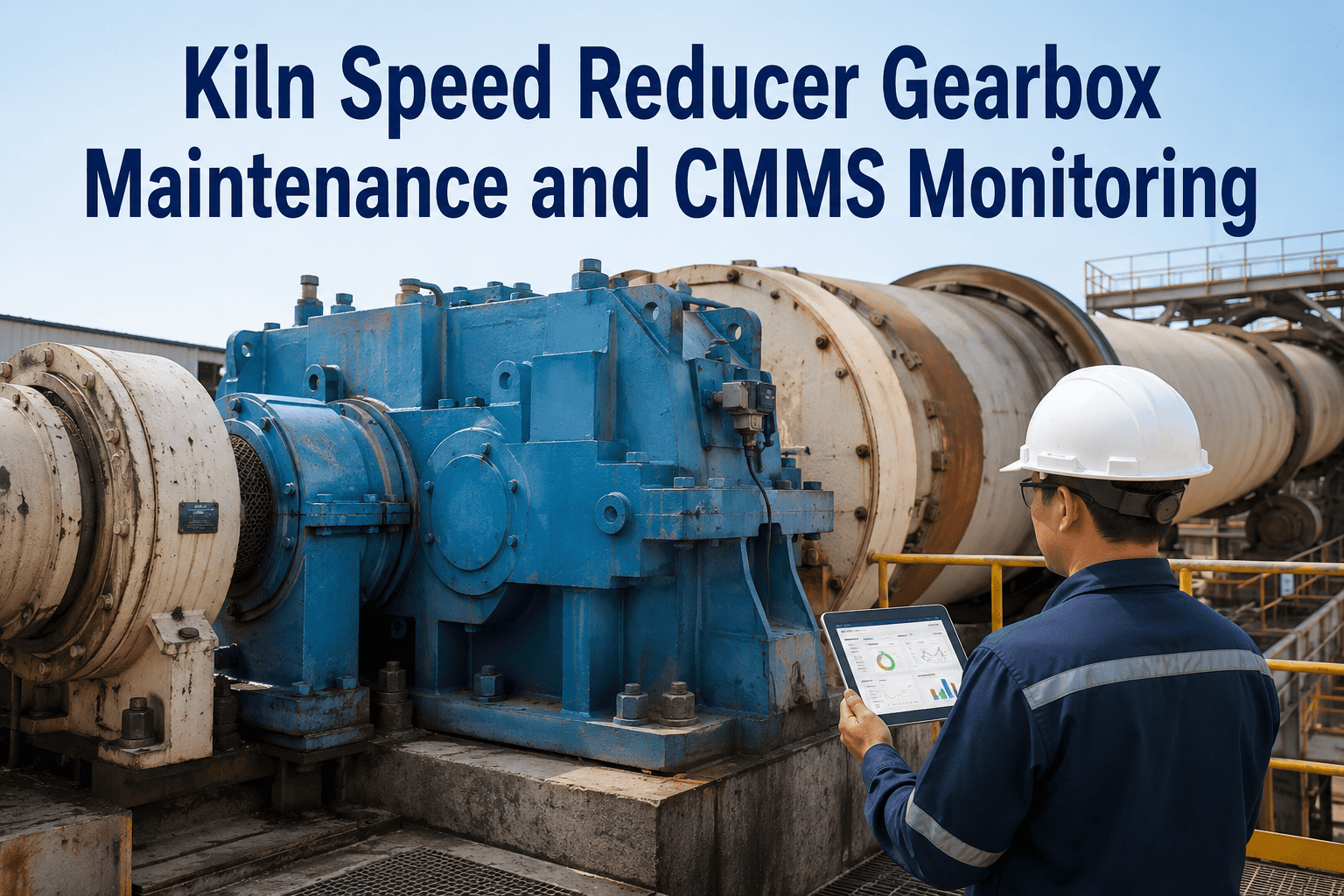
Each planetary stage, bevel-helical reducer, output shaft bearing, and pinion shaft assembly is registered as an individual component under its parent gearbox asset. Oil analysis intervals, vibration check schedules, breather inspections, and sight glass checks each carry their own operating-hour trigger — independent of calendar dates. Work orders auto-generate per component and alert maintenance at 30, 7, and 48 hours before each deadline. Book a demo to see gearbox component hierarchy configured for your mill drive type.
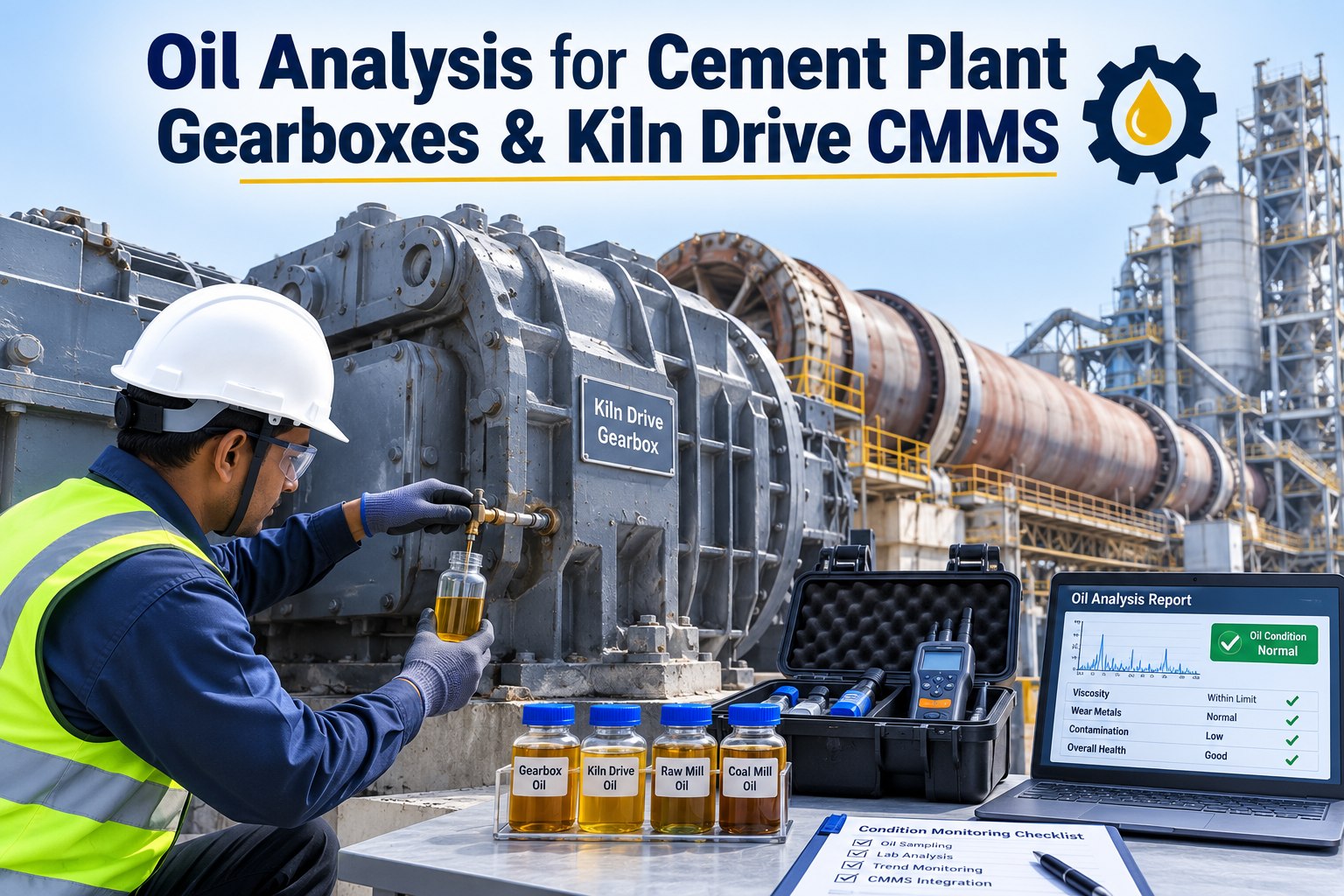
Oil sample results from third-party laboratories are logged against the gearbox asset record as structured data — viscosity index, ISO cleanliness code, iron particle count, copper content, and oxidation level each stored as individual fields. The system tracks these values across consecutive samples and plots deterioration trends. When any parameter exceeds the defined threshold, Oxmaint creates a corrective work order with the abnormal result as context and escalates to the maintenance supervisor automatically.
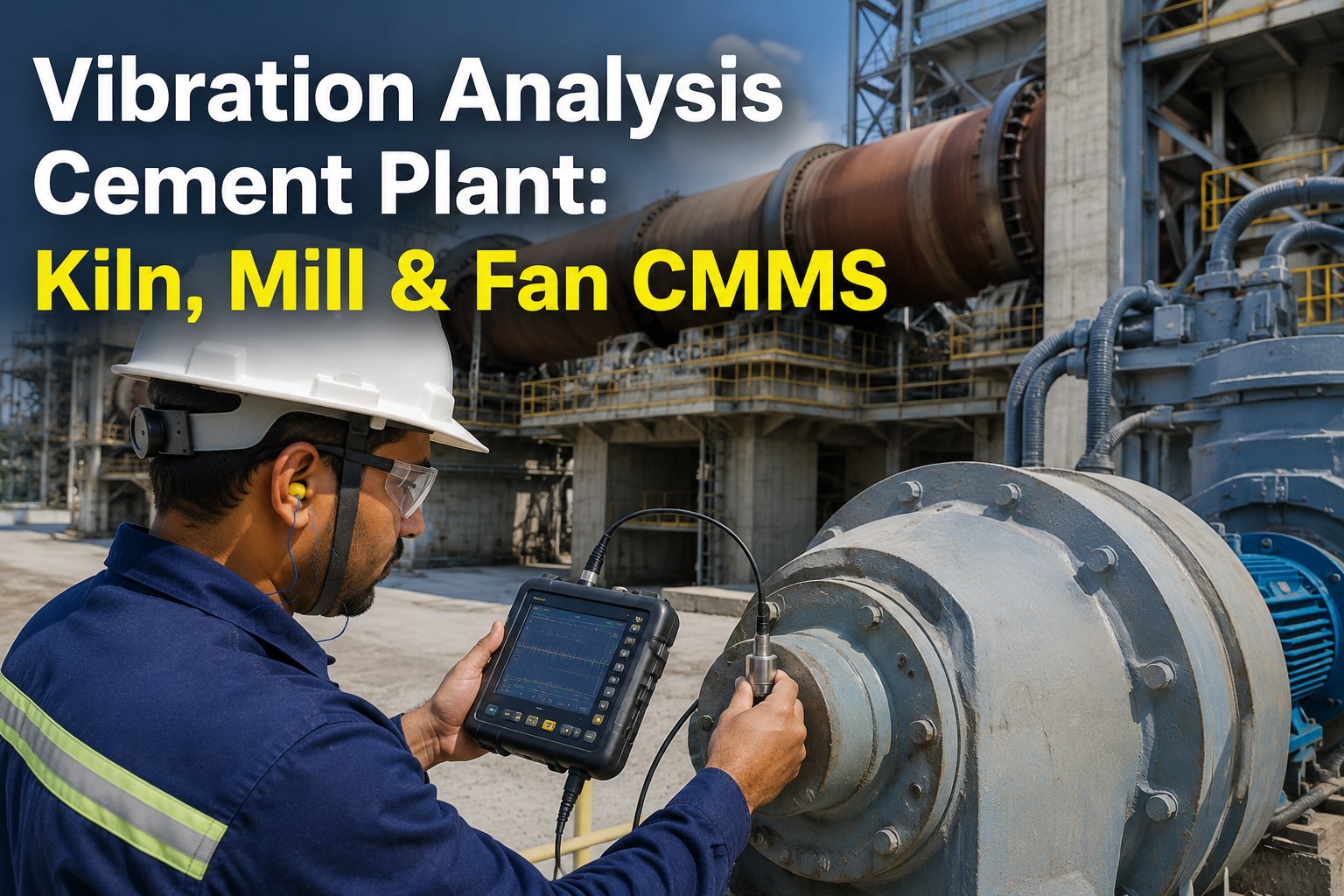
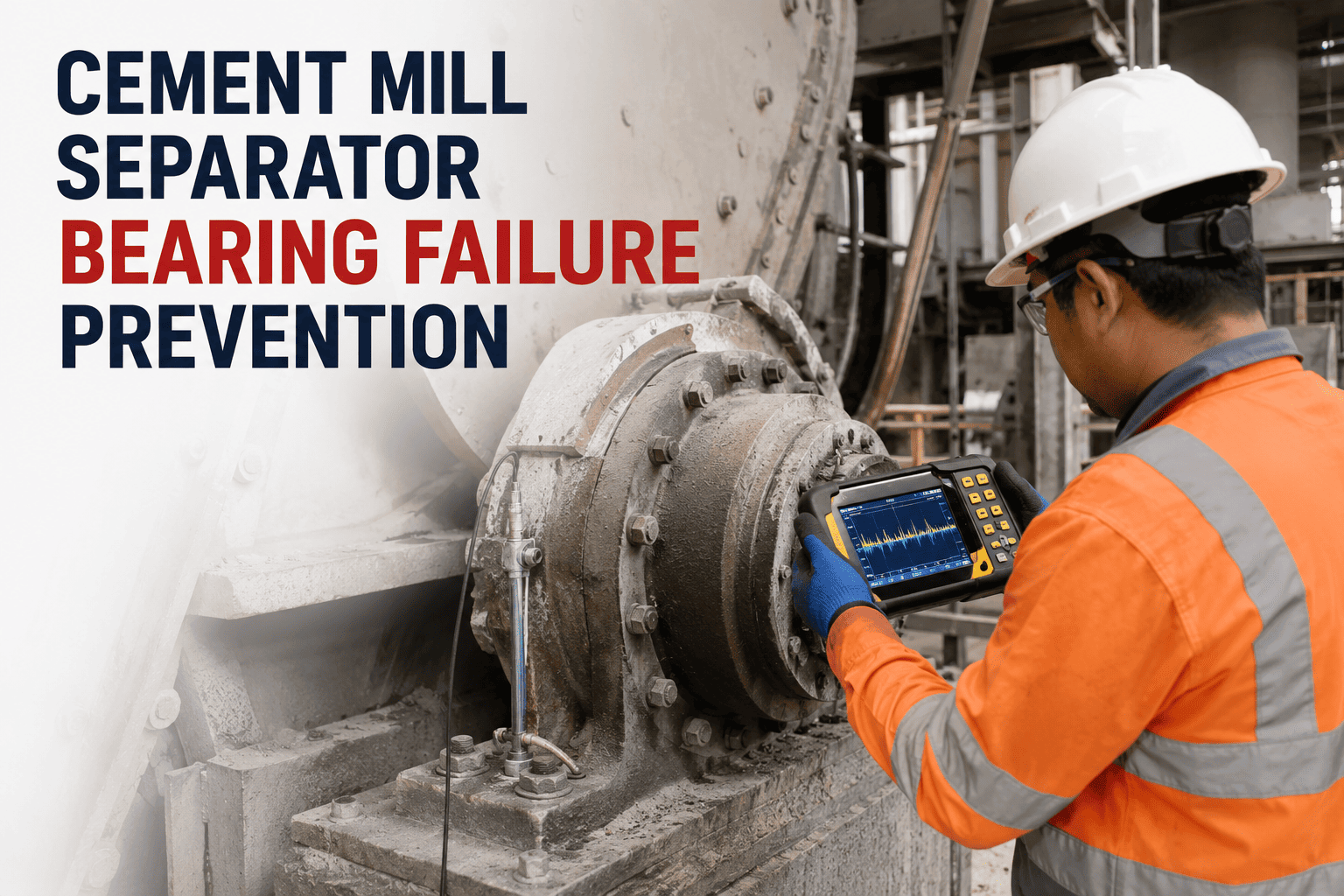
Vibration readings from handheld analyzers — overall velocity, gear mesh frequency amplitude, and bearing defect frequencies — are entered into the component work order on mobile and stored against the asset record. Each new reading is plotted against the stored baseline, building a trend view that flags progressive gear mesh sideband growth or bearing defect frequency emergence before any audible or thermal symptom develops. Threshold-based alerts trigger corrective work orders with the deviation magnitude and trend direction as context. See vibration trend records for mill drive gearboxes in a live platform walkthrough.
When oil analysis or vibration trending identifies a Stage 2 developing fault, Oxmaint generates a planned repair work order package with the gearbox's full condition history — oil trend data, vibration readings, previous maintenance events, and remaining useful life projection. The CapEx forecasting dashboard uses gearbox condition scores to build a rolling 5-year major overhaul and replacement schedule across all mill drives, formatted for VP of Operations and budget committee approval at 88% approval rate versus 47% for estimate-based requests.
Platform Features for Gearbox Asset Management
Consecutive sample results plotted across viscosity, Fe, Cu, ISO cleanliness code, and oxidation. Threshold alerts auto-generate corrective work orders. Detects developing faults 60–120 days before mechanical symptoms appear.
Gear mesh frequency, bearing defect frequencies (BPFO, BPFI, BSF, FTF), and overall velocity trended across consecutive readings per component. ISO 10816 Class III limits enforced. Flags rotor imbalance and tooth flank degradation 30–60 days before audible symptom.
Oil sampling at 2,000 hours, vibration check at 1,000 hours, breather inspection at 500 hours — all auto-generated from the gearbox asset record. 30-day, 7-day, and 48-hour alerts prevent missed intervals. PM compliance reaches 91% within two quarters.
Planetary stages, bevel-helical reducers, output shaft bearings, and pinion shaft assemblies each registered as individual components under the parent gearbox. Each carries its own condition score, PM schedule, and complete work order history. QR-tagged and mobile-accessible in the field.
When oil analysis or vibration reading breaches a defined threshold, Oxmaint creates a corrective work order automatically — pre-populated with the abnormal value, deviation magnitude, asset history, and suggested action. Maintenance supervisor receives escalation notification within the same work order workflow.
Rolling 5-year gearbox overhaul and replacement schedule built from condition scores, oil trend data, and vibration history. Cost-per-tonne projections formatted for VP and board-level approval — 88% approval rate versus 47% for estimate-based requests.
Oxmaint Outcomes — Cement Mill Gearbox Programs
Investment vs Return — Gearbox Condition Monitoring
| Program | Annual Program Cost | Failure Cost Avoided | Return |
|---|---|---|---|
| Oil Analysis Program | $8,400 per gearbox annually — sampling, lab fees, and Oxmaint logging | $280,000–$620,000 catastrophic failure — detected at Stage 1 for $8,000–$18,000 intervention | 33x return on program cost per prevented event |
| Vibration Monitoring Program | $6,200 per gearbox annually — handheld routes and Oxmaint trending | Stage 2 fault detected: planned repair at $45,000–$80,000 vs emergency at $280,000–$620,000 | Up to $540,000 avoided per detected event |
| Combined Oil and Vibration | $14,600 per gearbox annually — full condition monitoring program | 78% of faults detected at Stage 1 or 2 — before any mechanical damage occurs | $240,000+ average annual avoidance per mill gearbox |
| Planned vs Emergency Repair | $45,000–$80,000 planned gear set replacement at scheduled outage | $280,000–$620,000 emergency replacement with unplanned 12–22 day stop | 6–8x cost difference per event |
| Oxmaint Platform (full mill fleet) | $28,000 per year — all mills and gearboxes | Prevention and analytics platform | $380,000+ combined annual avoidance |
Catch Gearbox Faults at Stage 1 — Not Stage 4 — With Oxmaint
Oil analysis integration, vibration baseline trending, operating-hour PM scheduling, and 5-year CapEx forecasting for every mill drive gearbox — no hardware, no consultant fees. Book a demo to see your gearbox fleet configured in the platform.
Frequently Asked Questions
Continue Reading
Detect Gearbox Faults at $18K — Before They Become $620K Failures
Oil analysis integration, vibration baseline trending, operating-hour PM scheduling, and 5-year CapEx forecasting — configured for every mill drive gearbox, live in three weeks. Book a demo to see your gearbox fleet configured in the platform today.