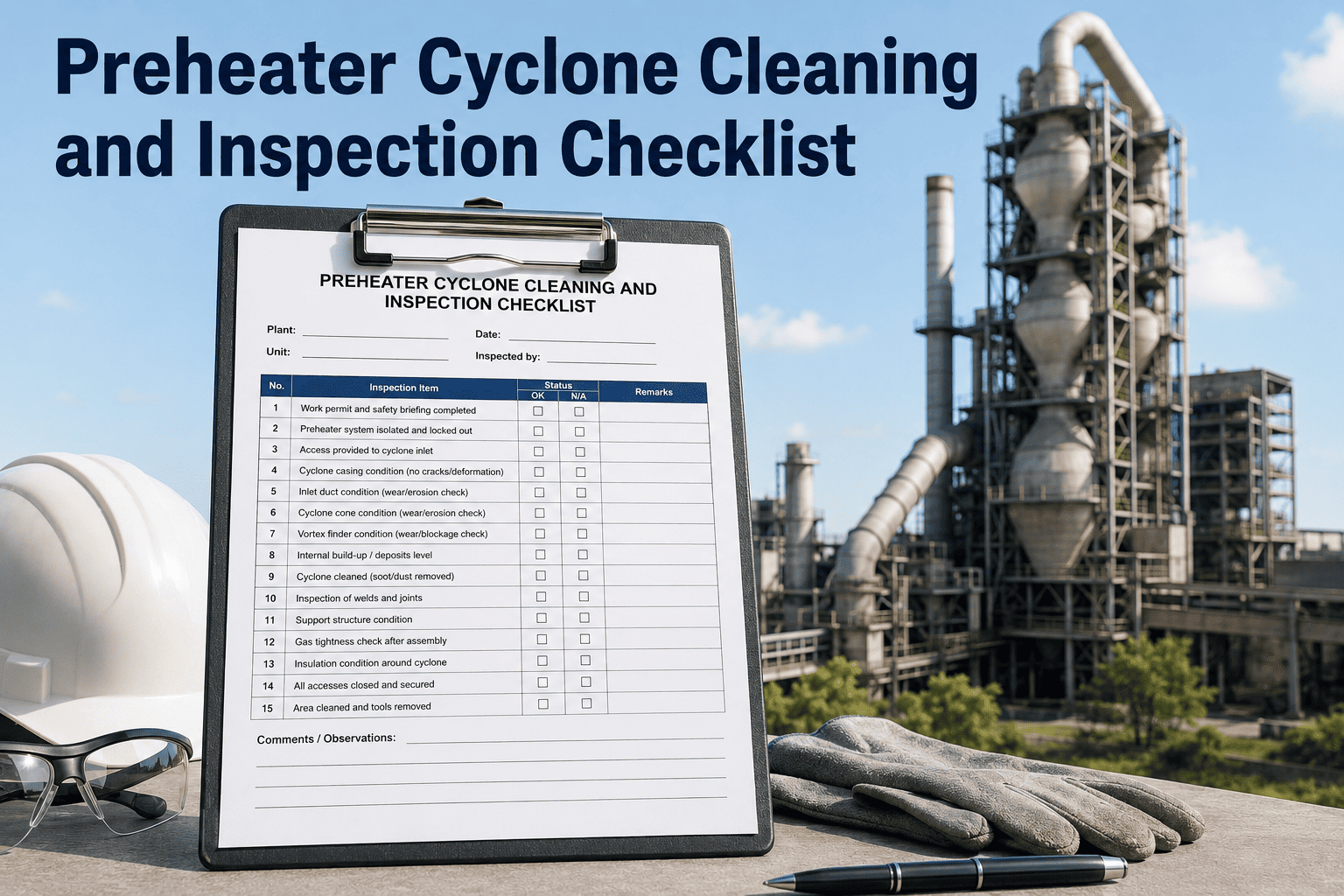
A single preheater blockage event shuts down clinker production for 8 to 36 hours, costing cement plants $180K to $650K in lost output and emergency clearing labor. Over 60% of these events originate from coating buildup in cyclone stages 4 and 5 or riser duct restrictions that go unmonitored between shutdowns. Schedule a demo to see how Oxmaint tracks cyclone buildup trending and automates preheater inspection scheduling across every stage.
Preheater and precalciner maintenance is the structured program for inspecting cyclone stages, riser ducts, calciner vessels, and meal distribution systems to prevent coating buildup, blockage events, and refractory failures that shut down kiln feed. A CMMS with buildup monitoring and inspection scheduling reduces unplanned preheater stops by over 60% and extends refractory campaign life in the tower by 30 to 45%.
What Makes Preheater Maintenance Different
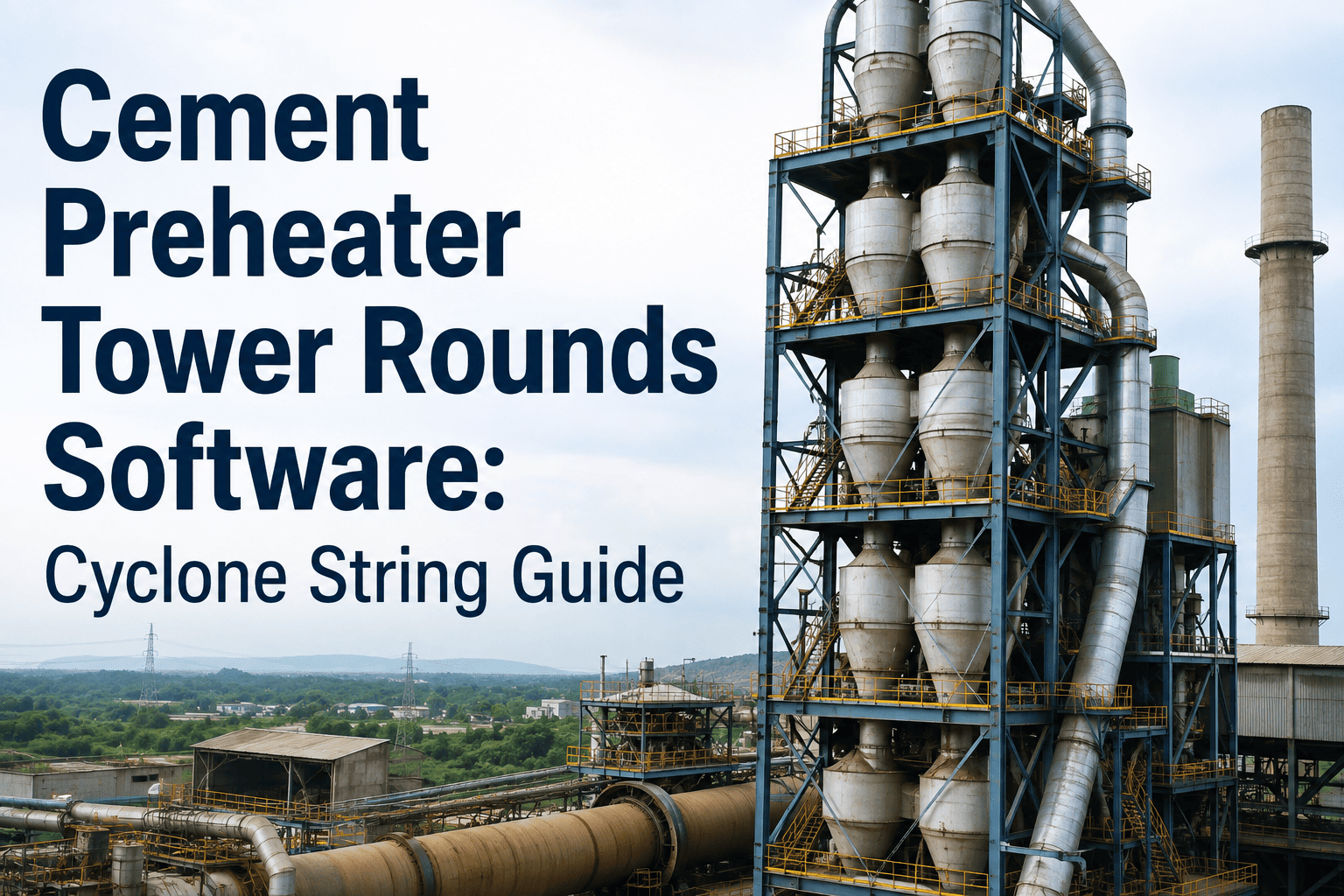
The preheater tower is a 60 to 100 meter vertical system with 4 to 6 cyclone stages, riser ducts connecting each stage, a precalciner vessel handling 60% of total calcination, and tertiary air ducts feeding combustion air from the clinker cooler. Each component has distinct failure modes, inspection intervals, and buildup patterns that require zone-specific tracking. Book a demo to see how Oxmaint maps your entire preheater tower as a structured asset hierarchy.
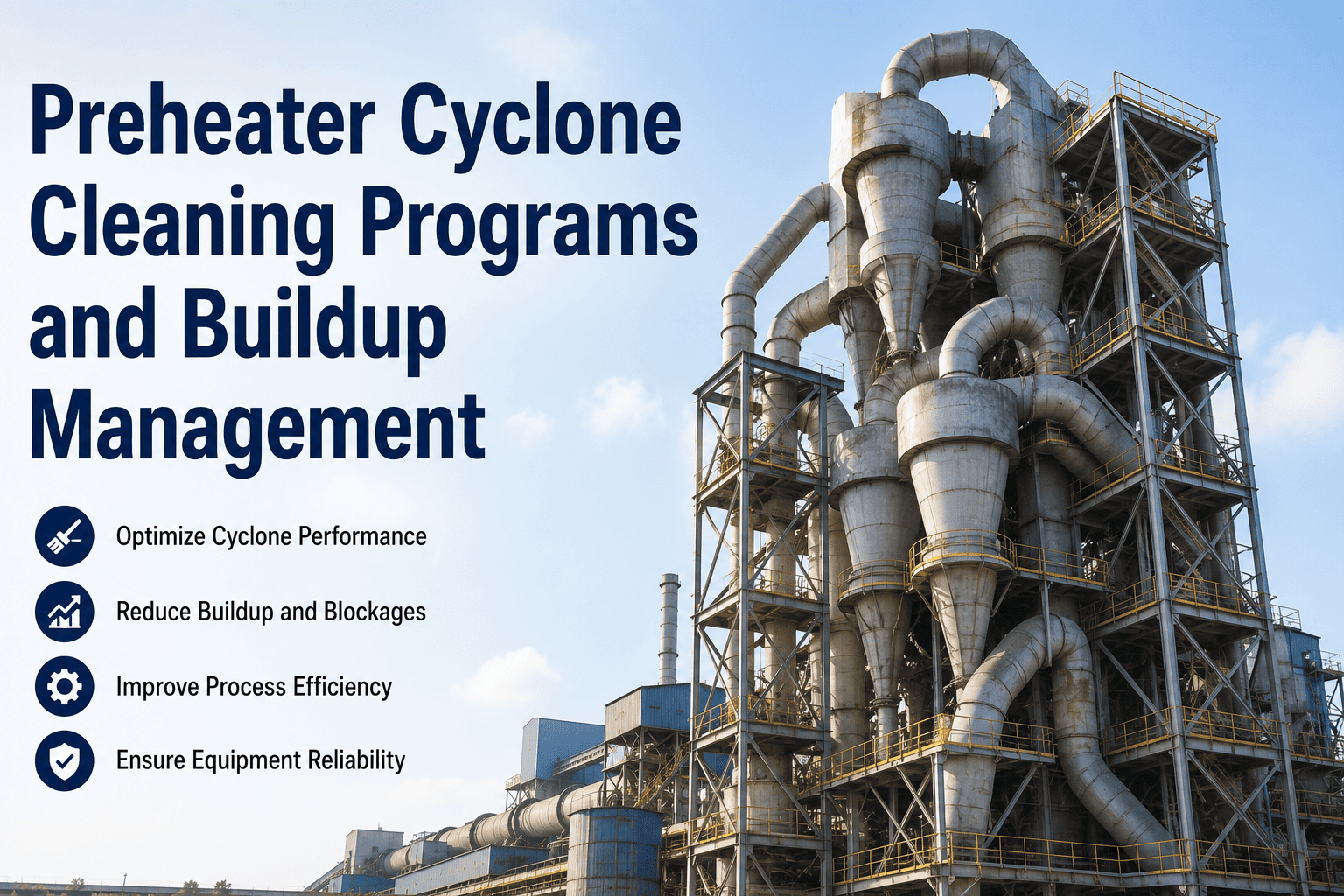
Each cyclone stage (1 through 5 or 6) has unique thermal profiles, abrasion patterns, and buildup risk zones. Stage 4 and 5 inlet ducts are the highest blockage risk areas due to alkali condensation at 800 to 900C.
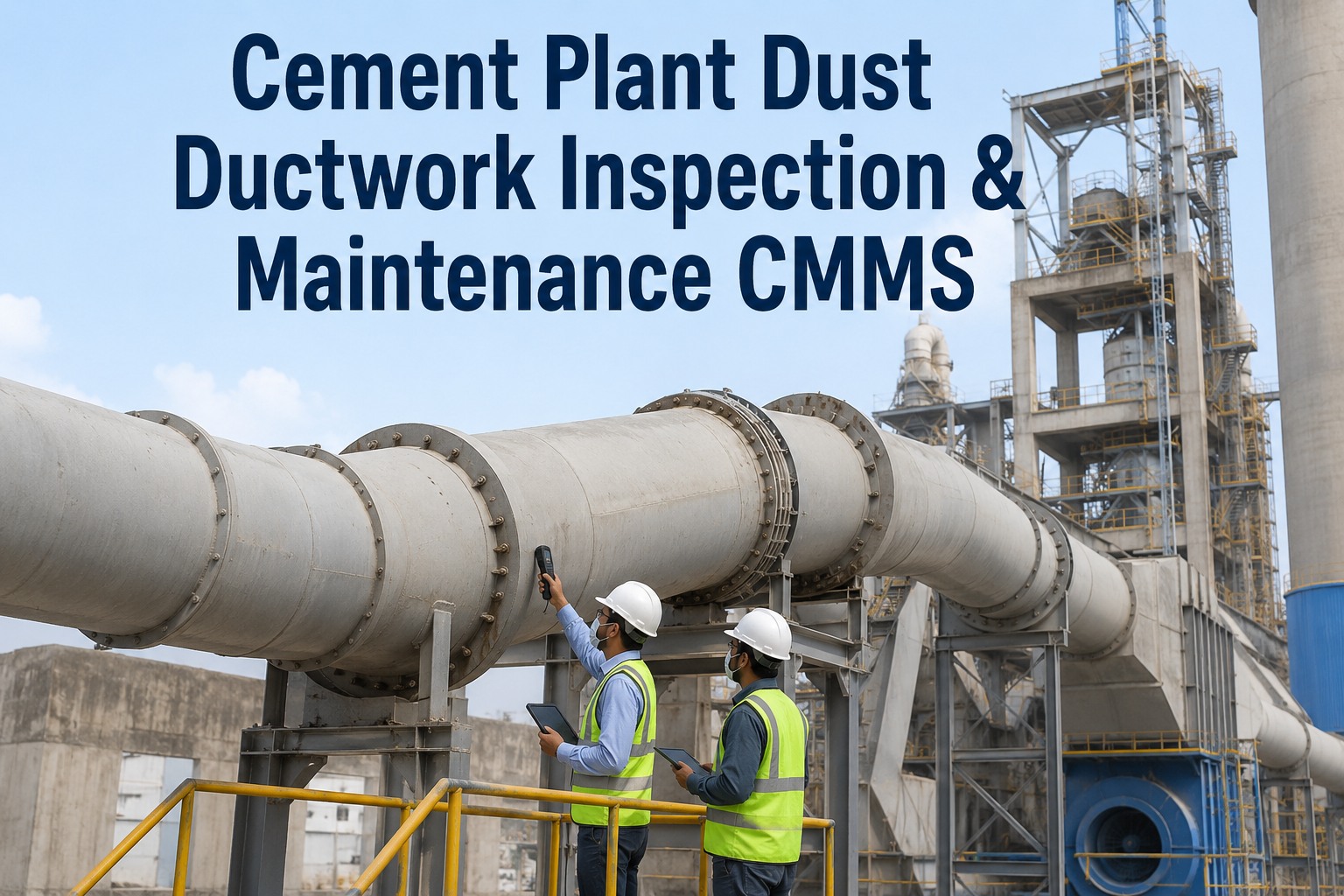
Vertical riser ducts between cyclone stages accumulate coating from volatile cycles. Buildup rates of 5 to 15mm per week in high-alkali raw mixes can restrict gas flow within 3 to 6 weeks without intervention.
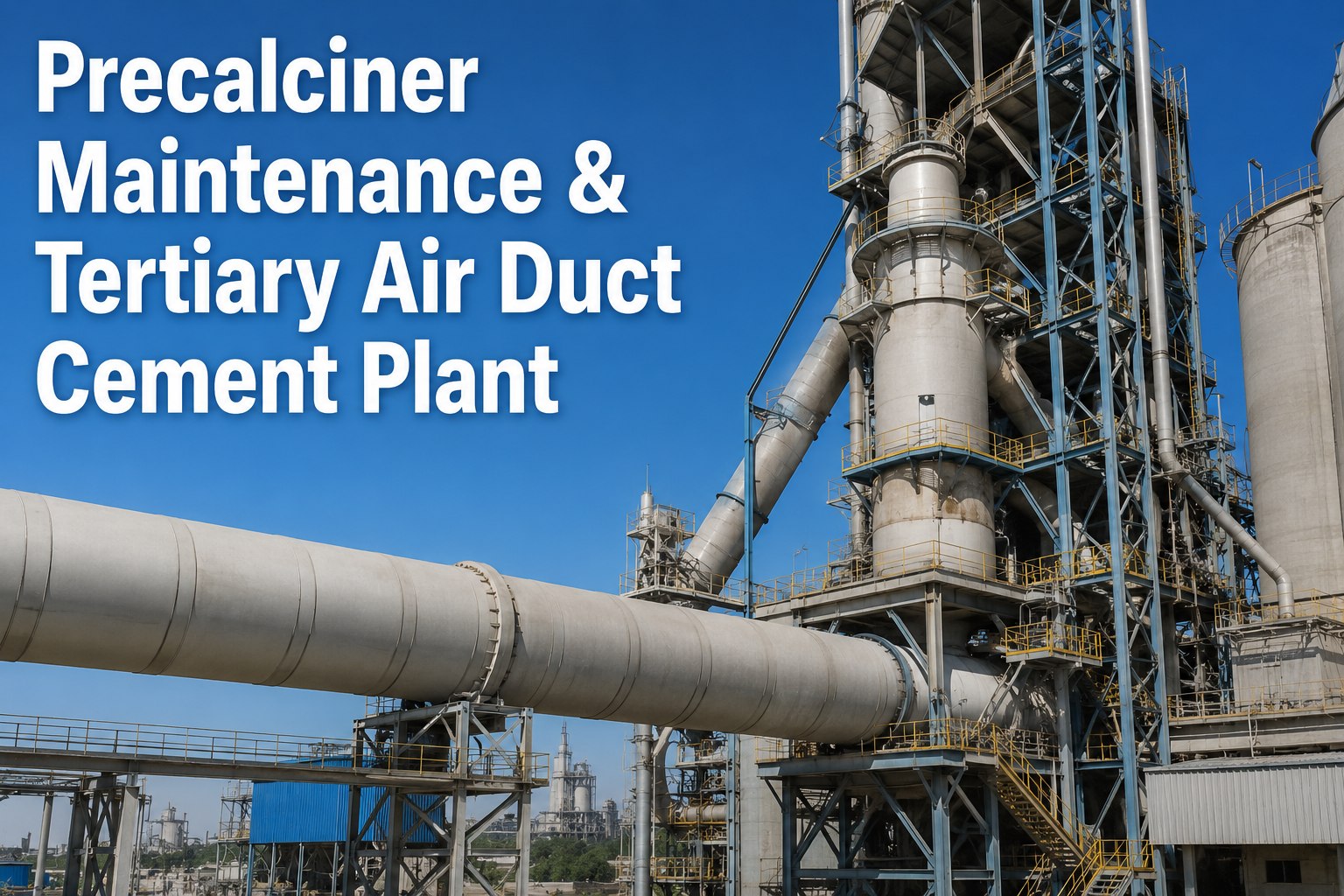
The calciner handles 60% of total calcination with gas temperatures at 850 to 880C. Refractory erosion, burner alignment drift, and fuel distribution imbalance cause hot spots that accelerate lining failure.
Large coating falls (50 to 200kg) from upper cyclone stages damage lower stage refractory, block meal chutes, and can cause kiln feed interruptions lasting 4 to 16 hours per event.
Map Every Cyclone Stage and Riser Duct to a Condition-Based Schedule
Oxmaint structures your preheater tower as a multi-level asset hierarchy with buildup trending, inspection scheduling, and automated work orders per stage. See it configured for your tower.
Why Preheater Programs Fail Without Structured Tracking
Without pressure differential trending and temperature profile tracking at each cyclone stage, coating accumulation reaches critical restriction before anyone notices. Plants lose 8 to 36 hours per blockage event at $20K to $50K per hour in lost clinker output.
Shutdown inspection findings recorded on paper forms never connect to maintenance history. The same cyclone stage fails repeatedly because no trending data exists to show wear acceleration or buildup recurrence patterns across campaigns.
Fixed 6-month cleaning intervals either waste shutdown hours on stages that do not need cleaning or miss stages where high-alkali raw mix accelerates buildup to critical levels in 8 to 12 weeks.
Board submissions for preheater rehabilitation ($2M to $8M projects) without stage-level condition data, buildup frequency records, or downtime cost attribution carry a 42% approval rate versus 84% with documented evidence.
How Oxmaint Manages Preheater and Precalciner Maintenance
Each preheater tower is registered as a structured hierarchy: Tower, Cyclone Stage (1 through 6), Riser Duct, Calciner Vessel, Tertiary Air Duct, Meal Chute, and Dip Tube. Every component gets its own inspection schedule, buildup threshold, and refractory condition record. QR tags on access platforms enable mobile field updates during inspections. Book a demo to see tower hierarchy setup for your plant.
Pressure differential readings across each cyclone stage upload to the asset record via manual input or sensor integration. Oxmaint calculates buildup rate per stage and projects days to critical restriction. When any stage crosses its configured threshold, a cleaning work order generates automatically with the specific stage location, access requirements, and historical cleaning duration.
Each cyclone stage, riser duct, and calciner section receives its own PM schedule based on operating conditions. Stage 4 and 5 inspections trigger at higher frequency for high-alkali raw mixes. Shutdown inspection checklists auto-generate with photo documentation requirements and thickness measurement points per zone. Schedule a demo to see inspection templates for preheater components.
Every preheater stop is logged with root cause, duration, affected stage, and cost. Rolling 12-month downtime attribution by component feeds capital planning dashboards. Tower rehabilitation requests include stage-level condition scores, buildup frequency data, and cost-per-event history formatted for board approval.
Preheater Component Failure Profiles
Pressure differential trending per stage, automated cleaning work orders at configurable thresholds, inspection photo archive per shutdown cycle
Duct-specific buildup rate calculations, refractory thickness trending at high-abrasion zones, cleaning duration history per duct section
Shell temperature monitoring integration, refractory thickness trending per calciner section, burner inspection PM scheduling, fuel system maintenance history
Feed interruption event logging, chute cleaning PM schedules, dip tube wear measurement tracking, blockage pattern analysis per cyclone stage
Preheater Inspection Flow: From Data to Work Order
Pressure differentials, temperature profiles, and visual inspection findings uploaded per cyclone stage via mobile device or sensor feed
Oxmaint calculates buildup rate per stage, projects days to critical restriction, and compares against historical cleaning intervals
Threshold breach triggers automated cleaning or inspection work order assigned to the correct crew with stage-specific access and safety requirements
Completed work order records cleaning duration, material removed, refractory condition, and photo evidence feeding the next cycle forecast
Automate Preheater Inspections Across Every Cyclone Stage
From Stage 1 to the calciner vessel, Oxmaint schedules inspections, tracks buildup rates, and generates cleaning work orders before blockage events occur. See your tower configured in under 30 minutes.
Structured vs Unstructured Preheater Programs
| Metric | CMMS-Tracked Program | Manual / Calendar-Based |
|---|---|---|
| Unplanned Blockage Events | 1 to 2 per year across all stages | 6 to 14 per year, concentrated in Stage 4 and 5 |
| Cleaning Efficiency | Targeted cleaning of buildup-confirmed stages only | Full tower cleaning every shutdown, wasting 12 to 18 hours |
| Refractory Campaign Life | 24 to 36 months in cyclone stages | 14 to 20 months due to untracked coating damage |
| Downtime Attribution | Every stop logged by stage, root cause, and cost | No component-level tracking, bulk "preheater" category only |
| Capital Request Success | 84% approval with stage-level condition evidence | 42% approval based on engineering estimates |
| Inspection Compliance | 93% on-time completion across all stages | 48% compliance with paper-based checklists |
Platform Features for Preheater Maintenance
Real-time view of every cyclone stage, riser duct, and calciner section with current buildup status, next inspection date, and refractory condition score.
Pressure differential and temperature data per stage calculate accumulation rate and project days to critical restriction. Automatic alerts at configurable thresholds.
Each cyclone stage gets its own inspection interval tied to raw mix volatility. High-alkali operations trigger Stage 4 and 5 inspections at 4-week intervals versus 8-week for standard mixes.
Auto-generated checklists per tower section with photo documentation fields, thickness measurement points, and pass/fail criteria. Completed checklists feed the condition history archive.
Every preheater stop records the specific stage, failure mode, clearing duration, and cost. 12-month attribution reports identify chronic problem areas for capital investment targeting.
Rolling 5-year tower rehabilitation forecasts built from stage-level condition data. Board-ready reports include cost-per-blockage-event trending and refurbish-vs-replace analysis.
KPI Benchmarks: Preheater Program Performance
Outcomes: Oxmaint-Deployed Preheater Programs
From Tower Guesswork to Stage-Level Intelligence
Oxmaint plants reduce preheater blockage events by 91%, extend cyclone refractory life by 67%, and produce capital evidence that gets approved at 84%.
Investment vs Return: Preheater Program
| Component | Cost | Annual Savings | Payback |
|---|---|---|---|
| Pressure Differential Sensors | $22K installation per tower | $340K avoided blockage events | Under 4 weeks |
| Stage-Level CMMS Tracking | $14K per year platform cost | $210K targeted cleaning savings | Under 4 weeks |
| Shutdown Inspection Digitization | $6K per year | $85K reduced repeat failures | Under 5 weeks |
| Calciner Refractory Monitoring | $18K IR scanner integration | $160K extended lining campaigns | Under 7 weeks |
| Capital Forecasting Module | Included in platform | 84% approval rate on tower rehabilitation budgets | Immediate |
| Full Oxmaint Preheater Program | $34K per year | $795K+ combined avoidance | Under 3 weeks |
Frequently Asked Questions
Continue Reading
Stop Losing $420K Per Blockage Event. Start Tracking Every Stage.
Cyclone buildup trending, stage-level inspection scheduling, automated cleaning work orders, and board-ready capital evidence from actual condition data. Live in 2 to 3 weeks.