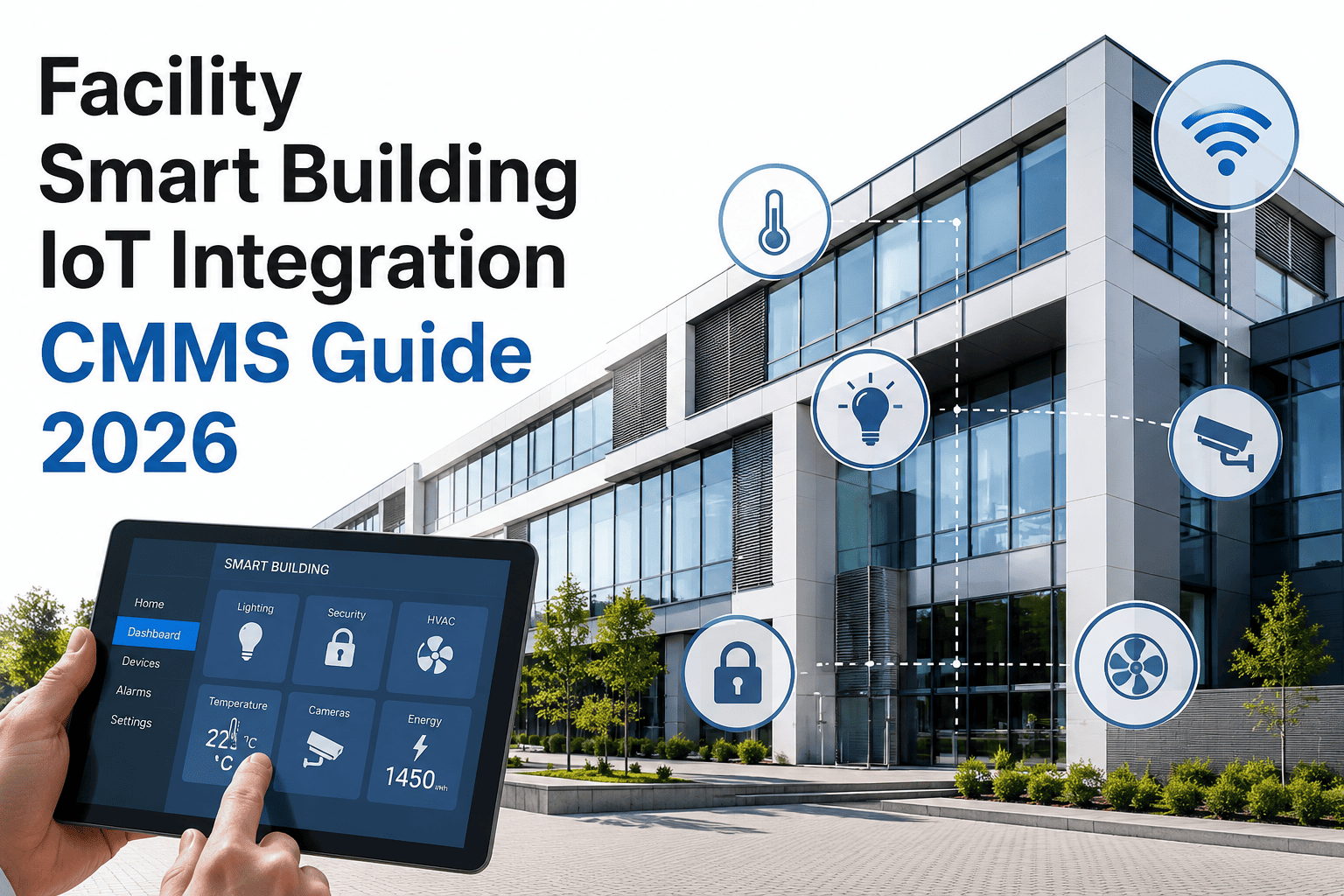
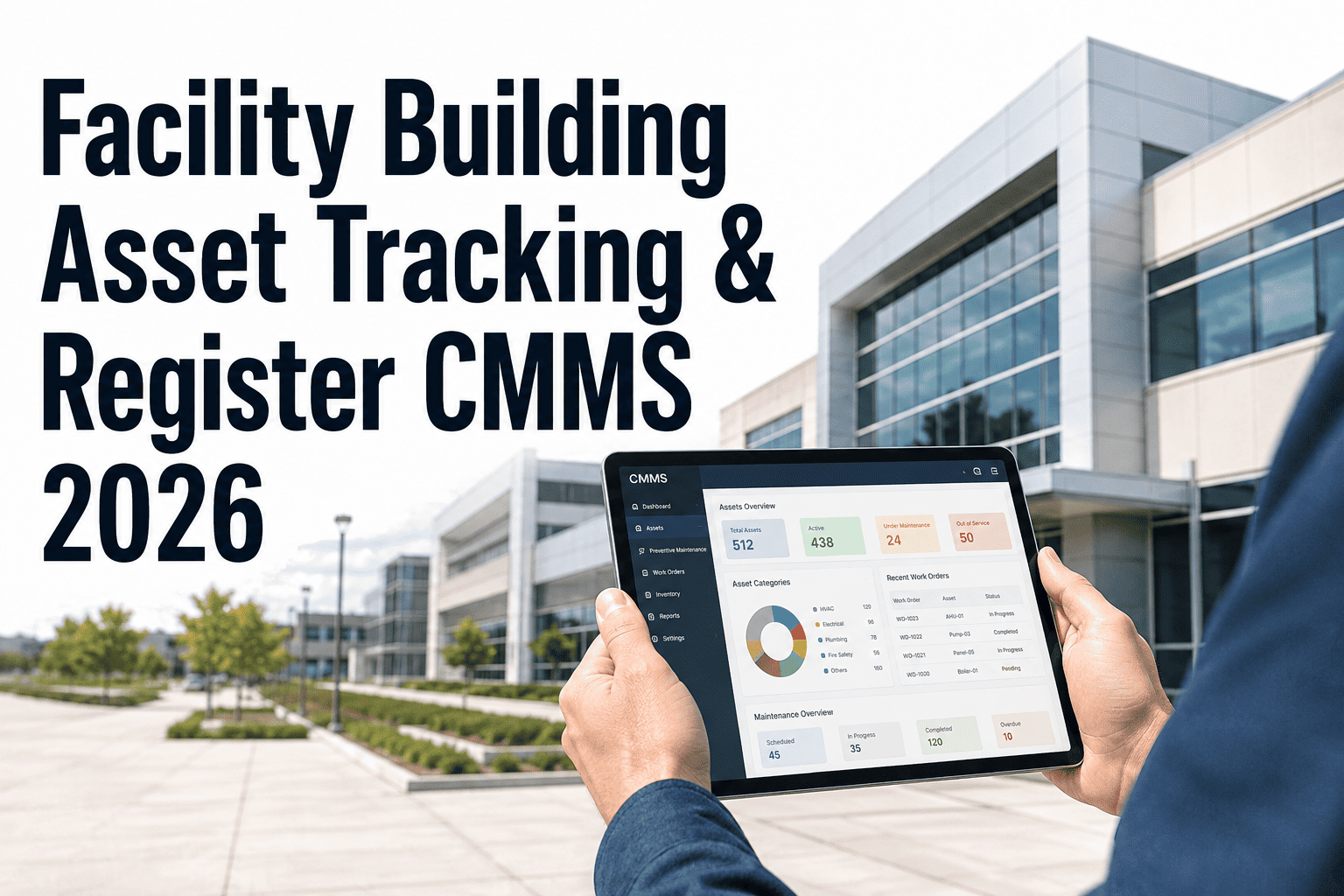
A facilities engineer at a 380,000 square foot mixed-use tower gets a call at 2:17 AM. The chiller serving floors 12 through 24 failed. Tenants are calling. Emergency contractors are being mobilised at out-of-hours rates. The repair will take 18 hours and cost four times what a planned intervention would have cost. He pulls the maintenance log. The last scheduled inspection was completed six weeks ago. Everything was marked satisfactory. What the inspection could not see was a bearing whose vibration signature had been climbing for 31 days. The data existed in the building management system the entire time. Nobody was reading it. AI equipment health monitoring for commercial buildings exists to read that data continuously, convert the vibration trend into a failure prediction 3 to 6 weeks before the bearing fails, and generate a condition-based work order before anyone gets a 2 AM call. Book a demo to see how Oxmaint AI monitors equipment health across every critical asset in your commercial building portfolio. McKinsey research confirms that predictive maintenance reduces unplanned downtime by 30 to 50%. Johnson Controls documented a 35% reduction in HVAC energy consumption across 500 plus commercial buildings using AI-driven monitoring. Siemens reported a 40% decrease in equipment maintenance costs through predictive analytics across monitored building portfolios. The equipment health monitoring market is at an inflection point in 2026. The facilities teams acting on this data now are building a performance gap that reactive operators will not be able to close.
Your Building Equipment Is Already Telling You When It Will Fail. Oxmaint AI Is Listening.
Oxmaint AI monitors HVAC, elevators, electrical panels, pumps, and all critical commercial building equipment in real time. Health scores per asset. Failure predictions 30 to 90 days early. Condition-based work orders generated automatically before tenants or operators notice any performance change.
30-50%
Unplanned downtime reduction with AI predictive maintenance versus reactive programmes (McKinsey research across commercial building portfolios)
40%
Equipment maintenance cost reduction through AI predictive analytics documented by Siemens across monitored commercial building portfolios
20-30%
HVAC system lifespan extension achievable through AI condition-based maintenance versus fixed calendar interval servicing programmes
90%
False alert reduction when AI models filter BMS and sensor data against asset-specific baselines versus raw threshold-based alarm systems
WHAT AI EQUIPMENT HEALTH MONITORING IS
How AI Equipment Health Monitoring Works Across a Commercial Building
Equipment health monitoring is not a dashboard. It is a continuous data analysis process that runs across every connected asset in your building, compares live operating data against learned asset-specific baselines, and surfaces genuine degradation signals from normal operational variation. The four-step process below is how Oxmaint converts raw building data into prevented failures.
Step 01
Baseline Establishment
Oxmaint AI studies each asset's operating data across a range of conditions — load levels, ambient temperatures, occupancy patterns, seasonal variation — to establish what normal looks like for that specific asset in that specific building. A chiller at 60% summer load has a different normal than the same model at 95% summer load. Baselines are asset-specific, not generic model averages.
Step 02
Continuous Anomaly Detection
Live sensor data — vibration, temperature, current draw, pressure, runtime hours, refrigerant levels — is compared against the established baseline for each asset 24 hours a day. When a parameter begins trending outside the asset's normal operating envelope, the AI flags the deviation for analysis. Small drifts that inspections miss entirely are detected within hours of onset.
Step 03
Failure Pattern Classification
AI models trained on equipment failure datasets classify detected anomalies against known failure mode signatures. A vibration pattern deviating at a specific frequency is classified as a bearing outer race defect rather than an unspecified anomaly. The classification determines both the estimated time to failure and the specific repair intervention required, so the work order carries actionable information rather than a vague alert.
Step 04
Condition-Based Work Order Generation
High-confidence failure predictions above configured urgency thresholds auto-generate structured work orders with asset ID, failure classification, estimated urgency window, job plan, parts list, and assigned technician. The gap between anomaly detection and technician dispatch collapses from days or weeks to hours. Every prevented failure feeds back into the AI model, improving prediction accuracy for that asset going forward.
EQUIPMENT COVERAGE BY SYSTEM
AI Health Monitoring Across Every Critical Commercial Building Equipment Class
SensorsVibration, compressor current, refrigerant pressure, supply temperature, differential pressure
AI DetectsBearing wear, compressor fault, refrigerant leak onset, coil fouling, belt and filter degradation
Detection Window3 to 8 weeks before failure
Cost Prevented$8,000 to $85,000 per event
AI monitoring extends HVAC lifespan 20 to 30% and prevents up to 40% energy overconsumption from degraded components running undetected
SensorsMotor current, door cycle count, travel speed, vibration, traction motor temperature
AI DetectsMotor degradation, door mechanism wear, rope tension change, irregular travel timing
Detection Window4 to 8 weeks before failure
Cost Prevented$8,000 to $45,000 per event plus regulatory penalties
Elevator failures in occupied buildings generate tenant satisfaction impacts that cost 3 to 5 times the repair cost in lease renewal and occupancy consequences
SensorsPanel temperature, current imbalance, harmonic distortion, power factor, breaker cycle count
AI DetectsOverloaded circuits, loose connections, insulation degradation, transformer thermal stress
Detection Window2 to 6 weeks before failure
Cost Prevented$12,000 to $250,000 per event including fire risk mitigation
Electrical fault monitoring reduces fire risk and prevents the costliest category of commercial building emergency event by detecting thermal anomalies weeks before arc flash risk develops
SensorsFlow rate, vibration, pressure differential, temperature, seal housing condition
AI DetectsImpeller cavitation, mechanical seal wear, pipe stress, Legionella temperature risk indicators
Detection Window3 to 6 weeks before failure
Cost Prevented$5,000 to $180,000 per event including water damage mitigation
Pump and water system failures generate secondary damage costs averaging 4 to 7 times the direct repair cost when water damage to adjacent systems and tenant property is included
HOW OXMAINT DELIVERS IT
Oxmaint AI Equipment Health Monitoring: From Sensor Data to Prevented Failures
Oxmaint connects to existing BMS platforms and IoT sensors without replacement or middleware. The AI analytics layer runs above your current building control infrastructure, converting raw sensor streams into asset health scores, failure predictions, and condition-based work orders.
Real-Time Asset Health Scores
Every monitored asset carries a health score from 0 to 100 updated continuously from sensor data, inspection findings, and work order history. A chiller dropping from 91 to 64 over 18 days is immediately visible without manual log review. Health scores update automatically when sensor readings deviate from established baselines.
Asset-Specific Baseline Learning
Oxmaint AI establishes individual baselines per asset rather than applying generic equipment type thresholds. A compressor running at 95% summer load has different normal parameters than the same model at 60% load. Anomaly detection fires against each asset's own history, eliminating false positives from equipment-to-equipment variation. Visitt reports 90% false alert reduction using this approach.
Failure Classification With Repair Specificity
AI classifies detected anomalies against failure mode libraries trained on commercial building equipment datasets. The work order generated does not say "HVAC anomaly detected." It says "AHU-14 outer race bearing defect, estimated 3 to 4 weeks to failure, replace bearing assembly at next planned access window." Technicians arrive knowing what to fix, what parts to bring, and how urgent the intervention is.
24/7 After-Hours Monitoring
Sensor data is analysed continuously. A bearing beginning to fail at 11 PM Friday is detected within hours of anomaly onset. Critical failure predictions above configured urgency thresholds trigger immediate on-call technician notification regardless of time or day. The gap between failure onset and intervention collapses from days to hours. No more Monday morning discovery of weekend failures.
Portfolio Health Dashboard
Every building's asset health scores, open alerts, overdue PMs, and predicted failure events consolidated in a single portfolio dashboard. Managers see which buildings and which assets need attention without logging into separate BMS terminals per property. Health score trends over time reveal whether each asset is stable, slowly degrading, or in accelerated decline requiring near-term intervention.
Energy Overconsumption Detection
AI detects when HVAC or electrical equipment consumes significantly more energy than its established baseline for comparable operating conditions. A chiller working 40% harder than normal to maintain setpoints is flagged as a health alert before the energy overconsumption appears on the utility bill. Energy anomalies are often the first detectable signal of mechanical degradation weeks before performance visibly degrades.
AI Equipment Health Monitoring: Oxmaint Platform vs. Manual Inspection Programme
DOCUMENTED OUTCOMES
What AI Equipment Health Monitoring Delivers: Verified Commercial Building Results
40%
Maintenance Cost Reduction
Siemens documented 40% decrease in equipment maintenance costs across monitored commercial building portfolios through AI predictive analytics replacing reactive and fixed-interval preventive maintenance programmes.
35%
Energy Cost Reduction
Johnson Controls documented 35% HVAC energy consumption reduction across 500 plus commercial buildings. AI health monitoring detects energy overconsumption from degraded components weeks before the utility bill reveals the problem.
30-50%
Downtime Reduction
McKinsey: AI predictive maintenance reduces unplanned equipment downtime by 30 to 50% across commercial building portfolios. Every prevented failure eliminates the tenant disruption, emergency contractor cost, and management time of an unplanned event.
20-30%
Asset Life Extension
AI condition-based servicing extends commercial building HVAC and mechanical equipment lifespan 20 to 30% versus fixed-interval PM. For a 200,000 dollar chiller, a 25% lifespan extension represents 50,000 dollars in deferred capital replacement.
FREQUENTLY ASKED QUESTIONS
AI Equipment Health Monitoring: What Commercial Building Teams Ask Most
How does Oxmaint AI distinguish a genuine equipment health alert from a normal operating variation?
Oxmaint AI establishes an individual performance baseline for each asset over the first 2 to 4 weeks of monitoring by learning normal operating ranges across all monitored parameters under different load, temperature, and occupancy conditions. Anomaly detection then fires against each asset's own baseline rather than generic equipment type thresholds. A compressor running at a higher vibration amplitude than its own established normal triggers an alert. The same vibration reading on a different compressor model with a higher natural baseline does not. This asset-specific approach is why AI-based monitoring systems like Visitt report 90% false alert reduction compared to raw BMS threshold systems that generate high volumes of nuisance alarms.
Sign up free and connect your first building today, or
book a demo to see how baselines are established for your specific equipment inventory.
What happens to equipment health monitoring during connectivity outages or when sensors go offline?
Oxmaint AI handles connectivity interruptions through configurable edge processing configurations where local inference continues operating during cloud connectivity outages for 24 to 72 hours depending on deployment architecture. When individual sensors go offline, the AI model continues health scoring on the remaining available data streams for that asset rather than dropping the asset from monitoring entirely. Sensor offline status is flagged as a monitoring gap alert so facility teams know which assets have reduced monitoring coverage and can prioritise physical inspection to compensate until connectivity is restored. Critical asset sensor failures trigger immediate notification to the maintenance manager regardless of time. Most commercial buildings with existing BMS connectivity experience minimal data gaps because BMS platforms include their own data buffering for exactly this scenario.
Can Oxmaint AI equipment health monitoring work on older building equipment without smart sensors?
Yes on two levels. First, wireless IoT sensors retrofit directly onto older mechanical equipment without electrical work, equipment shutdown, or BMS modification. Vibration sensors, temperature clamps, and current monitoring modules attach to existing motors, compressors, and panels and begin streaming data immediately. Second, Oxmaint delivers AI-enhanced equipment health insights from manual inspection data, work order history, and PM completion records without any sensor hardware. AI analyses repair frequency trends, condition score trajectories from manual inspections, and cost-per-asset patterns to generate failure risk scores and maintenance recommendations even on entirely unconnected equipment. Most commercial building portfolios deploy both: sensors on highest-criticality assets and data-driven health scoring on lower-criticality equipment.
Book a demo to plan your monitoring architecture, or
start free today.
How quickly does AI equipment health monitoring begin generating value after deployment?
Oxmaint begins generating asset health scores within the first week of sensor connection as AI establishes baseline operating parameters per asset. Meaningful anomaly alerts typically begin generating within 2 to 4 weeks as the model accumulates sufficient baseline data to distinguish genuine deviations from normal start-up variation. The first confirmed failure prediction ahead of a physical failure event typically occurs within 30 to 60 days of full sensor activation across a building's critical equipment. At that point the value of the programme is documented in prevented emergency repair cost and avoided downtime. AI prediction accuracy improves continuously as the model accumulates more data on each specific asset. Buildings with 12 months of operational data typically see meaningfully higher prediction accuracy and lower false alert rates than during the initial 60-day baseline period.
CONTINUE READING
AI Maintenance Resources for Commercial Facility Teams
Explore these guides to build a complete picture of AI-driven downtime reduction, work order automation, smart building maintenance, and predictive maintenance strategy for your commercial facility portfolio.
Every Hour Your Building Equipment Runs Unmonitored Is an Hour a Prevented Failure Becomes an Emergency.
Oxmaint AI equipment health monitoring connects to your existing BMS and sensors, establishes asset-specific baselines, and begins generating health scores and failure predictions within the first week. No BMS replacement. No infrastructure project. Deploy across your full commercial building portfolio in days.