Workplace Experience Technology: Smart Desks, Wellness Sensors & Comfort Controls

By Jhon Polus on March 24, 2026

workplace-experience-technology-smart-wellness

Workplace experience technology is no longer a premium amenity. Smart desk booking, air quality monitoring, and comfort controls are now baseline expectations that influence daily attendance and lease renewal decisions. FM teams that cannot demonstrate measurable environmental performance data are operating blind in a market where occupants have options. Book a demo to see how Oxmaint integrates workplace IoT data with FM asset management and PM scheduling.

Blog Workplace Experience Technology: Smart Desks, Wellness Sensors and Comfort Controls Space and Workplace Management · Authority · 9 min read
26%
productivity improvement in buildings with active air quality monitoring and HVAC comfort control
34%
of desk bookings in hybrid offices result in no-shows that smart occupancy systems reassign automatically
18 ppm
CO2 increase per person per hour in unventilated spaces, exceeding ASHRAE 62.1 limits within 45 minutes at standard occupancy levels
3.4x
higher return-to-office attendance in facilities with measurable comfort scores versus no environmental reporting

IoT Workplace Data Connected to FM Asset Records and PM Scheduling

Oxmaint connects IoT sensors, booking systems, and environmental monitoring to FM asset records. Sensor threshold breaches auto-generate PM work orders routed to the correct technician. Book a demo to see IoT-to-work-order integration for your building stack.

What Is Workplace Experience Technology?

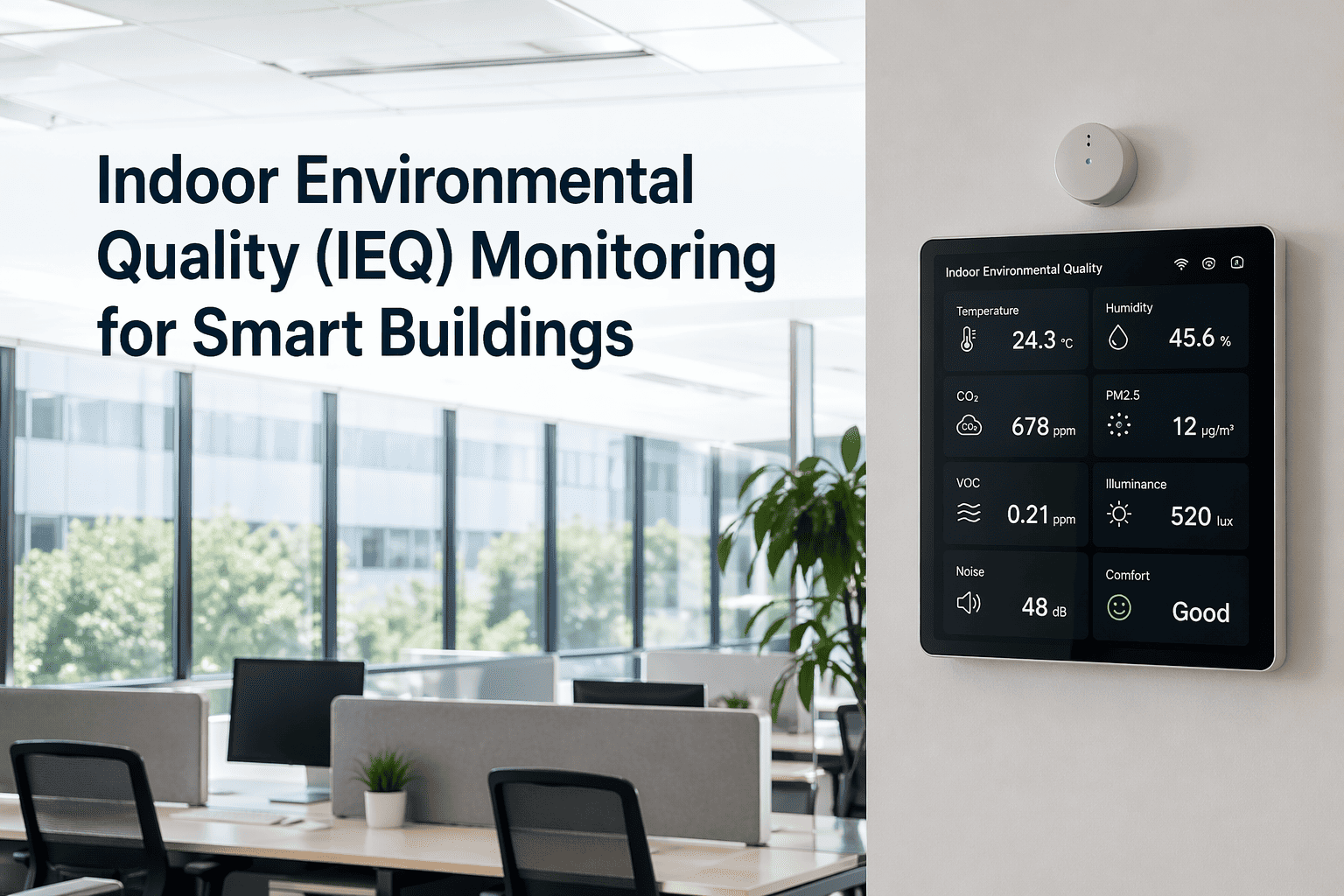
Workplace experience technology is the combination of IoT sensors, booking platforms, and smart building controls that give FM teams real-time visibility into how a workplace is being used. The FM value is what connects it: when sensor data, booking data, and asset records exist in one platform, threshold breaches generate work orders automatically and environmental performance becomes traceable.

The Six Core Workplace Experience Technologies FM Teams Must Manage

Smart Desk Booking
Demand-matched allocation
Manages
Advance booking No-show release Zone preference Utilisation reporting
34%
no-show rate reduced by auto-release and real-time availability display
Air Quality Sensors
CO2, VOC, PM2.5, humidity
Monitors
CO2 concentration VOC levels PM2.5 particulates Humidity variance
26%
productivity gain in buildings with active air quality monitoring and HVAC response
Occupancy Sensors
PIR, ultrasonic, thermal
Detects
Zone presence Desk occupancy Density alerts Heat maps
15 min
granularity for zone-level heat map and PM trigger generation
Environmental Controls
Temperature, lighting, blinds
Controls
Zone temperature Lighting scenes Blind position HVAC setpoints
19%
energy reduction from zone-level environmental control vs. building-wide scheduling

Every Sensor Threshold Breach Becomes a PM Work Order in Oxmaint

Oxmaint connects air quality sensors, occupancy data, and HVAC asset records so that threshold breaches generate maintenance work orders automatically. No manual monitoring required from FM teams. Book a demo to see sensor-to-work-order integration configured for your building.

Equipment-Level Smart Technology Management

HVAC and Ventilation Systems
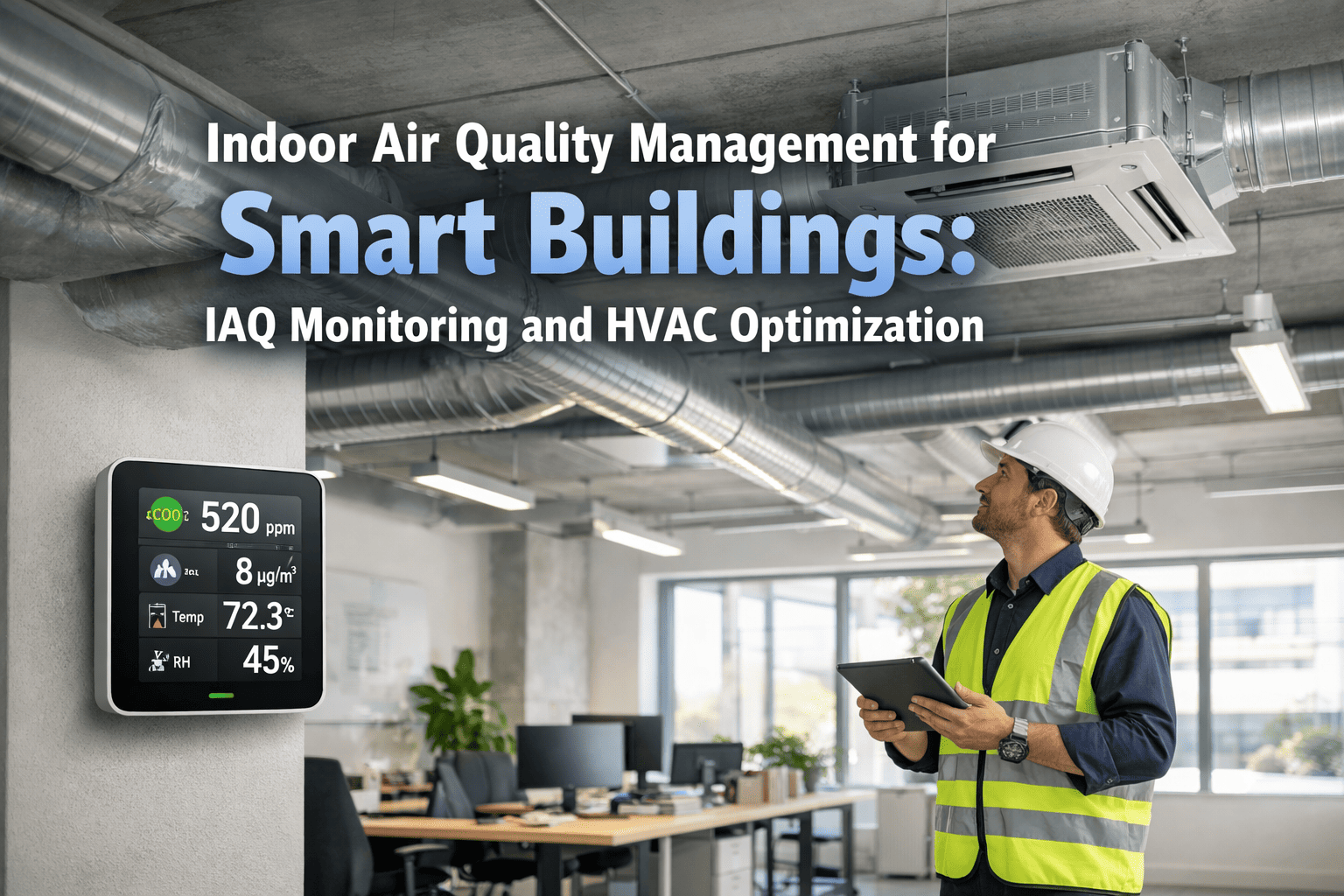
CO2 sensor data connected to HVAC asset records. When CO2 exceeds 1,000 ppm for 30 consecutive minutes, Oxmaint generates a filter inspection work order linked to the specific AHU asset serving that zone.
Trigger threshold: CO2 above 1,000 ppm sustained 30 min
Lighting Control Systems
Occupancy-linked lighting with daylight harvesting reduces energy use by 25% to 35% versus time-scheduled systems. Failed smart lighting drivers in high-occupancy zones generate automatic work orders when sensors detect occupancy without lighting response.
Fault trigger: Occupancy confirmed, lighting non-responsive
Wellness and IAQ Sensors
PM2.5, VOC, and thermal comfort sensors require periodic calibration to maintain accuracy. Oxmaint schedules calibration as PM tasks with certificates stored against each sensor asset for WELL Building Standard documentation.
Calibration: Annual for PM2.5 and VOC, biennial for thermal

Workplace Tech: Disconnected Sensors vs FM-Integrated Platform

Technology Integrated with Oxmaint Disconnected Monitoring Only
Air quality sensorsThreshold breach auto-generates HVAC filter inspection work order linked to the specific AHU asset. PM triggered under 1 hour from breach.Dashboard alert. Manual work order if noticed. Average 3 to 6 day lag between air quality breach and maintenance response.
Desk booking systemBooking and no-show data feeds Oxmaint zone asset records. Desk fault reports auto-generate work orders. Utilisation trends drive PM scheduling by zone.Booking data siloed. No link to FM asset records. Desk faults reported by users only. No utilisation-linked PM scheduling possible.
Occupancy sensorsOccupancy data adjusts PM frequency per zone. High-use zones get more frequent inspection triggers. Low-use zones reduce to minimum safe intervals automatically.Occupancy data siloed in BMS. No CMMS connection. Calendar-based PM unchanged regardless of actual zone usage.
Environmental controlsHVAC setpoint deviation triggers PM work order before comfort complaint is raised. Historical deviation trends identify system degradation 4 to 8 weeks before failure.Setpoint deviation requires occupant complaint to trigger FM response. Reactive repair at emergency premium. No early-warning trend data available per AHU.

ROI: What IoT-Integrated Workplace FM Delivers

26%
Productivity gain
Buildings with active air quality monitoring and HVAC response vs unmonitored equivalents
3.4x
Higher attendance rate
Facilities with measurable comfort scores vs facilities with no environmental reporting to occupants
19%
Energy cost reduction
Zone-level environmental control vs building-wide HVAC scheduling on fixed time programmes
68%
Fewer comfort complaints
Proactive sensor-triggered PM response vs reactive complaint-driven maintenance approach

Continue Reading: Space and Workplace Management

Frequently Asked Questions

QHow does Oxmaint connect IoT sensor data to FM maintenance work orders?
Oxmaint integrates with IoT sensor platforms and BMS via API and OPC-UA. When a sensor reading breaches a configured threshold, Oxmaint automatically generates a work order linked to the relevant HVAC or building services asset record with the breach data attached. Book a demo to see sensor-to-work-order integration for your building stack.
QWhat CO2 and air quality thresholds should FM teams use to trigger HVAC maintenance?
ASHRAE 62.1 defines 1,000 ppm CO2 as the standard occupant comfort threshold. Oxmaint recommends a PM trigger at 900 ppm sustained for 30 minutes to generate a filter inspection work order before the occupant-visible threshold is reached. Start free trial to configure air quality thresholds in Oxmaint today.
QHow does Oxmaint manage desk booking hardware as FM assets?
Each booking terminal, room panel, and sensor hub is registered as an individual asset in Oxmaint with its own PM schedule covering firmware updates, battery replacement, and connectivity checks. Fault alerts from booking system APIs auto-generate corrective work orders without manual monitoring. Book a demo to see booking hardware asset management in Oxmaint.
QCan Oxmaint produce environmental performance reports for WELL Building Standard documentation?
Yes. Oxmaint stores sensor calibration records, threshold breach history, and PM completion records against each sensor asset. These records export for WELL Building Standard documentation, BREEAM post-occupancy evaluation, and Fitwel certification evidence packages. Sign up free or book a demo to see the compliance export module.

Workplace IoT Data Connected to FM Asset Records and PM Scheduling in One Platform.

Oxmaint connects air quality sensors, occupancy data, desk booking systems, and HVAC asset records into one FM platform. Threshold breaches generate work orders automatically. Environmental performance is traceable and reportable. Go live in under 14 days.

Share This Story, Choose Your Platform!