Hotel HVAC complaints are the number one driver of negative guest reviews — ahead of cleanliness and service combined. A single noisy or failed PTAC unit costs more in reputation damage than the repair itself. Yet most hotel engineering teams still run PTAC and fan coil maintenance on paper logs and annual PM schedules that miss the seasonal demand spikes that cause most failures. OxMaint's Preventive Maintenance module gives hospitality facilities a room-by-room HVAC tracking system that schedules filter cleans, coil inspections, and condensate drain checks by occupancy cycle — not just calendar month. This guide covers what to maintain, when, and how digital PM transforms guest comfort scores.
Hospitality HVAC · Guest Comfort · Preventive Maintenance
PTAC and Fan Coil Unit Maintenance for Hotels and Hospitality Buildings
Dirty filters, blocked condensate drains, and worn fan motors are behind 80% of hotel HVAC complaints. A structured PM program — tracked digitally by room and season — cuts complaints, protects energy budgets, and keeps guests coming back.
80%
of HVAC complaints from deferred filter and coil PM
25%
energy increase from clogged PTAC filters
3x
longer unit life with structured preventive care
4.8★
avg. guest rating after PM program rollout
Know Your Equipment
PTAC vs Fan Coil Unit: What Fails and Why
Both systems deliver guest comfort but fail in different ways. Knowing the failure profile of each is the foundation of an effective maintenance plan.
PTAC
Packaged Terminal Air Conditioner
Self-contained heating and cooling unit installed through the wall. Most common in mid-scale hotels. All components — compressor, coils, fan — are in one chassis and fail together if not maintained.
Filter clog → 25% energy increase + noise
Evaporator coil freeze → no cooling
Condensate drain overflow → ceiling damage
Compressor overload → full unit replacement
Fan Coil Unit
Centrally Connected Fan Coil
Fan unit in the guest room connected to a central chilled/hot water plant. More reliable than PTAC but dependent on water quality, valve operation, and coil cleanliness for consistent performance.
Coil fouling → reduced heat transfer capacity
Control valve seizure → heating/cooling loss
Fan bearing wear → guest noise complaints
Condensate pan overflow → mold risk
PM Reference
Complete Hotel HVAC Maintenance Schedule
| Task |
Unit Type |
Frequency |
Guest Impact if Skipped |
| Filter clean or replace |
PTAC + FCU |
Monthly (high occupancy), Quarterly (low) |
Noise, poor airflow, energy spike |
| Evaporator coil clean |
PTAC |
Semi-annual |
Coil freeze, no cooling |
| Condenser coil clean |
PTAC |
Annual |
Compressor overload, unit failure |
| Condensate drain flush |
PTAC + FCU |
Quarterly |
Overflow, ceiling/floor water damage |
| Control valve inspection |
FCU |
Semi-annual |
Loss of temperature control |
| Fan motor bearing lubrication |
FCU |
Annual |
Noise complaints, motor burnout |
| Thermostat calibration |
PTAC + FCU |
Annual |
Incorrect room temperature, guest calls |
| Refrigerant level check |
PTAC |
Annual |
Reduced cooling, compressor damage |
Preventive Maintenance · Hotel HVAC
Track Every Room. Every Filter. Every Drain. Automatically.
OxMaint schedules PTAC and FCU PM tasks by room number, occupancy season, and last service date. Engineering teams get a mobile checklist — management gets a live compliance dashboard. Guest complaints drop within the first maintenance cycle.
Book a Demo
Seasonal Strategy
When Hotel HVAC Fails: The Seasonal Failure Map
Pre-Summer (April–May)
Action: Full evaporator coil clean, refrigerant check, condensate drain flush on all PTAC units before peak cooling load hits.
Risk if skipped: Compressor failures in July and August when no parts or technicians are available.
Peak Summer (June–August)
Action: Monthly filter checks on high-occupancy floors. Prioritize top floors — thermal load highest, filters clog fastest.
Risk if skipped: 1-star reviews from guests in rooms 501–510 before engineering knows there is a problem.
Pre-Winter (October)
Action: Control valve inspection and fan bearing lubrication on all FCUs. Switch PTAC units to heat mode and confirm operation in every room.
Risk if skipped: A cold room at 2am is a checkout the next morning and a review the same night.
Low Season (January–March)
Action: Full condenser coil clean, thermostat calibration, and refrigerant checks. Ideal window for major work with lowest disruption risk.
Risk if skipped: No maintenance window before next summer peak — carry all deferred failures into high season.
Expert Review
What Hotel Engineering Professionals Say About HVAC PM
"We had 14 PTAC units fail in one July weekend. Every single one had filters that had not been cleaned since the previous winter. The energy bills were telling us something was wrong for months — we just were not reading them room by room."
Director of Engineering
300-Room Full-Service Hotel, Florida
"Fan coil control valve seizure is invisible until the guest complains. We now do a valve stroke test on every FCU at every semi-annual service and track the trend digitally. Valve replacement cost dropped 60% because we catch them before they seize completely."
Chief Engineer
Luxury Hotel Group, Southeast Asia
"The hardest part of hotel HVAC management is scale. 400 rooms means 400 units. Without a digital system that tells you which rooms are overdue, you are always chasing complaints instead of preventing them. Digital PM changed our engineering team from reactive firefighters to proactive operators."
VP Facilities Management
Hospitality Real Estate Group, Middle East
Performance Data
What Changes After a Structured Hotel HVAC PM Program
| Metric |
Before Structured PM |
After 12-Month PM Program |
| HVAC guest complaints / 100 rooms / month |
8–14 |
1–3 |
| Unplanned PTAC unit replacements / year |
12–18 |
2–4 |
| HVAC energy cost per occupied room night |
$4.20–$5.80 |
$3.10–$3.90 |
| Water damage incidents from condensate |
3–6 / year |
0–1 / year |
| PM task completion rate |
51% |
93% |
| Average PTAC unit life |
7–9 years |
12–15 years |
Frequently Asked
Hotel HVAC Maintenance Questions
How often should PTAC filters be cleaned in a hotel?
PTAC filters in occupied hotel rooms should be cleaned or replaced monthly during high-occupancy seasons and at minimum quarterly during low-occupancy periods. A clogged filter reduces airflow enough to raise energy consumption by 20–25% and causes the evaporator coil to ice over, which triggers the most common guest complaint — no cooling. Hotels using OxMaint schedule filter PM by room occupancy rate pulled from the PMS system, so high-traffic rooms get serviced more frequently than seasonal rooms.
See how OxMaint syncs with hotel PMS for occupancy-driven PM.
What causes fan coil unit noise and how can it be prevented?
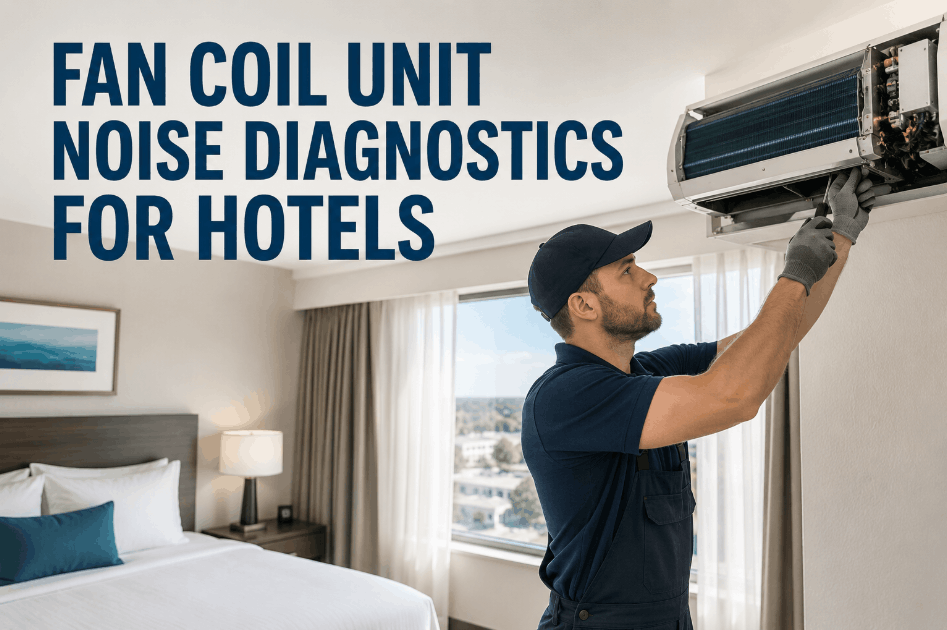
Fan coil noise in hotel rooms is almost always caused by one of three issues: worn fan motor bearings, loose fan blade impeller, or vibrating cabinet panels from unbalanced airflow through a dirty coil. Bearing wear is progressive and detectable early by a slight increase in noise level before it becomes disruptive. Annual bearing lubrication and quarterly vibration checks catch bearing wear 8–12 months before guest-level noise occurs. OxMaint logs fan noise observations from housekeeping staff directly into the engineering work order queue so engineering hears about noise before the guest writes a review.
Book a demo to see the housekeeping-to-engineering workflow.
How can a hotel track HVAC PM compliance across hundreds of rooms?
The only scalable way to track PM compliance across a large hotel property is a digital CMMS where every room is an asset with its own service record. OxMaint allows hotel engineering teams to create room-by-room PM schedules with task lists, assign work to technicians via mobile app, and track completion with timestamped photo evidence. Property managers see a live compliance dashboard showing which floors and room types are overdue — without chasing paper logs or spreadsheets.
Start a free trial and set up your first floor of rooms in under an hour.
What is the correct way to maintain PTAC condensate drain systems?
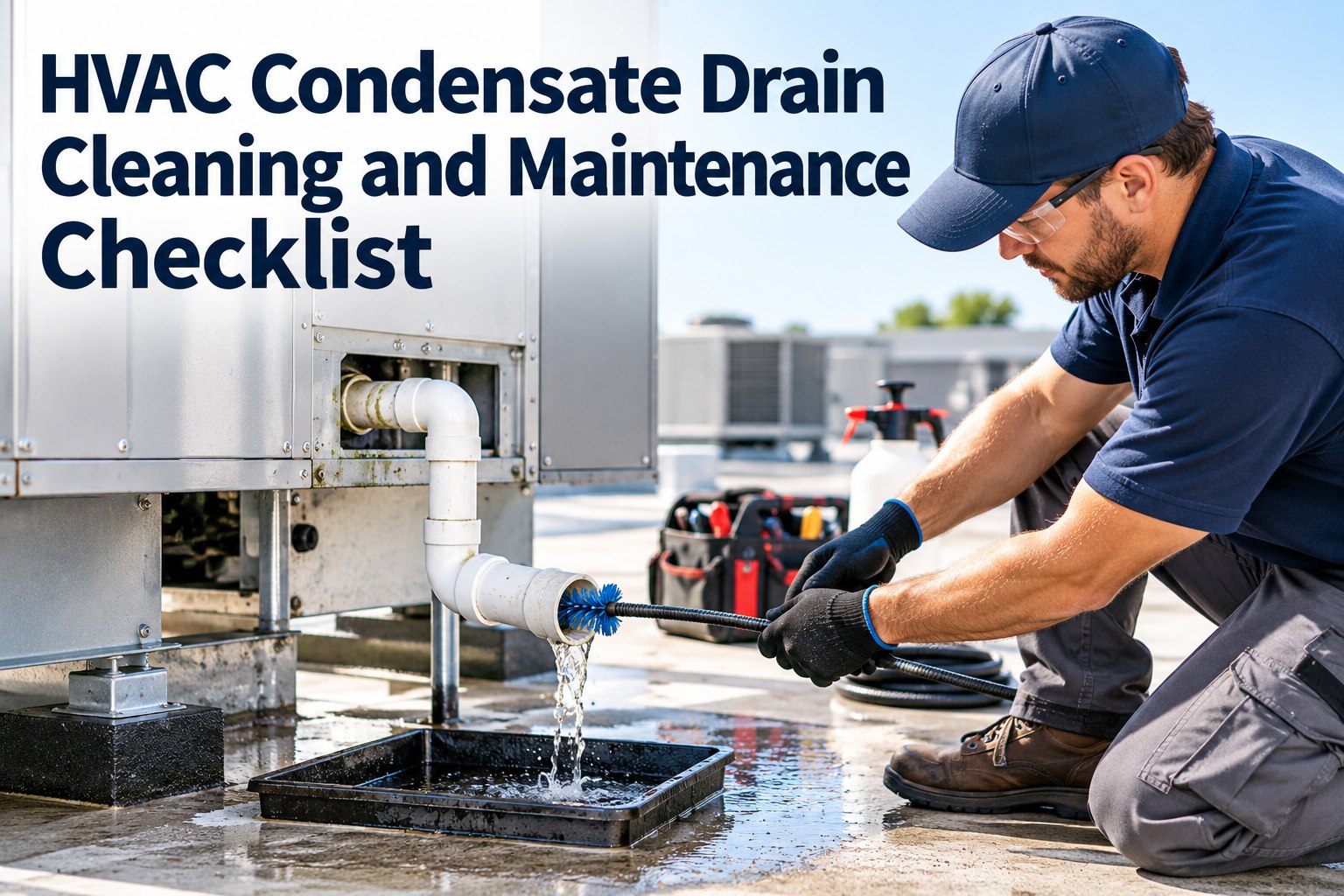
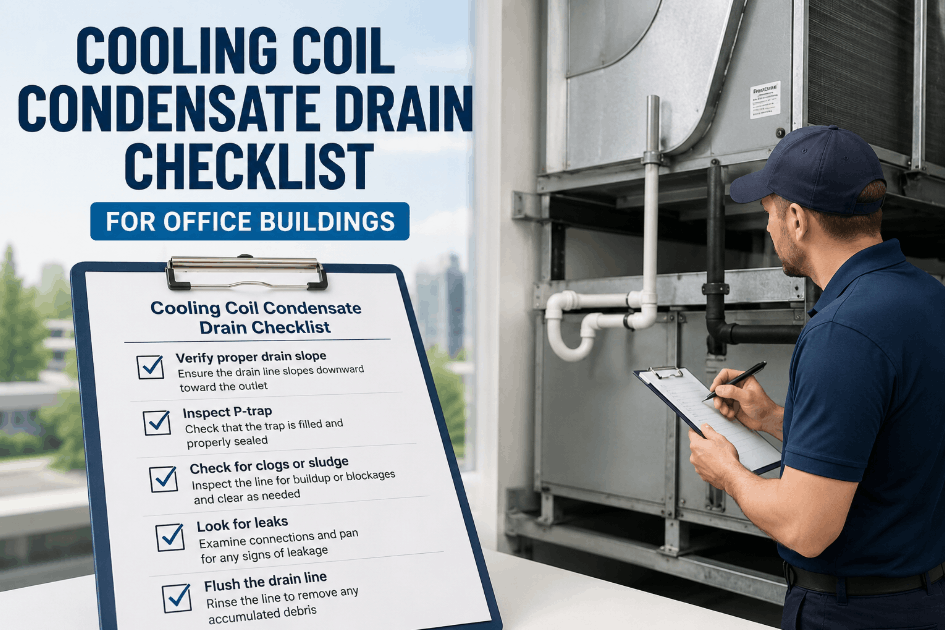
PTAC condensate drain pans should be inspected and flushed quarterly. Algae and biofilm accumulate in the drain pan and channel and can block flow within a single high-humidity season. A blocked drain causes condensate overflow into the wall cavity or onto the floor — leading to mold growth that is expensive to remediate and a health liability for the property. During flush, treat with an approved condensate pan tablet and confirm clear drain flow before reinstalling the unit chassis. All drain maintenance should be logged by room number with photo evidence of clear drain confirmation.
OxMaint stores photo-verified drain flush records per room.
Hotel HVAC · Room-by-Room PM Tracking
Stop Waiting for Guest Complaints to Find Out Your HVAC Is Failing
OxMaint tracks every PTAC and fan coil unit by room, schedules PM by occupancy season, and gives your engineering team a mobile checklist that closes in real time. Compliance goes up, complaints go down, and guest scores follow.